REVIEW · KYOTO
Taste of Nishiki Market Walking Food Tour with Local guide
Book on GetYourGuide →Operated by Cooking Sun · Bookable on GetYourGuide
Snack stops beat aimless market wandering. This 3-hour Kyoto walk links Rokkakudo Temple calm with the food crush of Nishiki Market, plus a department-store basement stop that turns shopping into an eating plan. I like that you’re not just sightseeing. You’re getting practical guidance on what’s worth buying, tasting, and taking home.
I also like the pacing for a first-time food trip: a small group capped at 6 means you spend less time waiting and more time asking questions. One consideration: it involves a lot of walking and standing, and it’s not suitable for people with mobility impairments. Also, no large bags or luggage.
In This Review
- Key points that make this food walk work
- How the 3-hour Taste of Nishiki Market route is paced
- Meeting at Starbucks Kyoto Sanjo Karasuma: a simple, real-world start
- Rokkakudo Temple stop: quiet reset before you eat
- Yaoyaichi local market: seasonal ingredients and a bread taste locals like
- Daimaru Department Store basement: nikuman and wagashi in one indoor sprint
- Nishiki Market, Kyoto’s Kitchen: where the snacks actually add up
- Nishiki Tenmangu Shrine finish: slow down after eating
- What’s included, and why that matters for value at $77
- Dietary limits: plan ahead, don’t guess
- Who this walking food tour suits best
- What to do right after the tour with your new food brain
- Should you book the Taste of Nishiki Market walking food tour?
- FAQ
- How long is the Taste of Nishiki Market walking food tour?
- Where do we meet for the tour?
- How many foods are included in the tour?
- Is the tour offered in English?
- Is this tour suitable for people with mobility impairments?
- Are there dietary restrictions or allergy considerations?
- What should I bring, and can I bring luggage?
Key points that make this food walk work
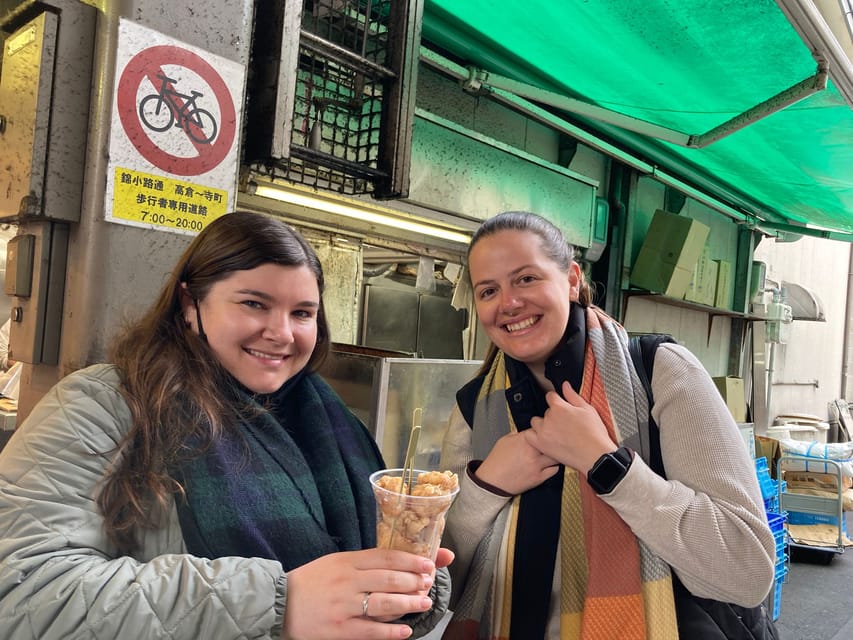
- 6–10 tastings across three major stops: Yaoyaichi, Daimaru basement, and Nishiki Market
- Temple-to-market-to-shrine route that mixes quiet moments with big eating energy
- Concrete snack highlights like nikuman (meat buns) and wagashi, plus market items like sashimi and skewers you can’t really fake on your own
- Shopping help for culinary souvenirs so you’re buying smarter, not just buying things you hope you’ll like
- Guides who bring stories and adjustments: Kaoru is noted for tailoring to interests, and Rikka is praised for taking photos and sharing extra small-temple finds
How the 3-hour Taste of Nishiki Market route is paced
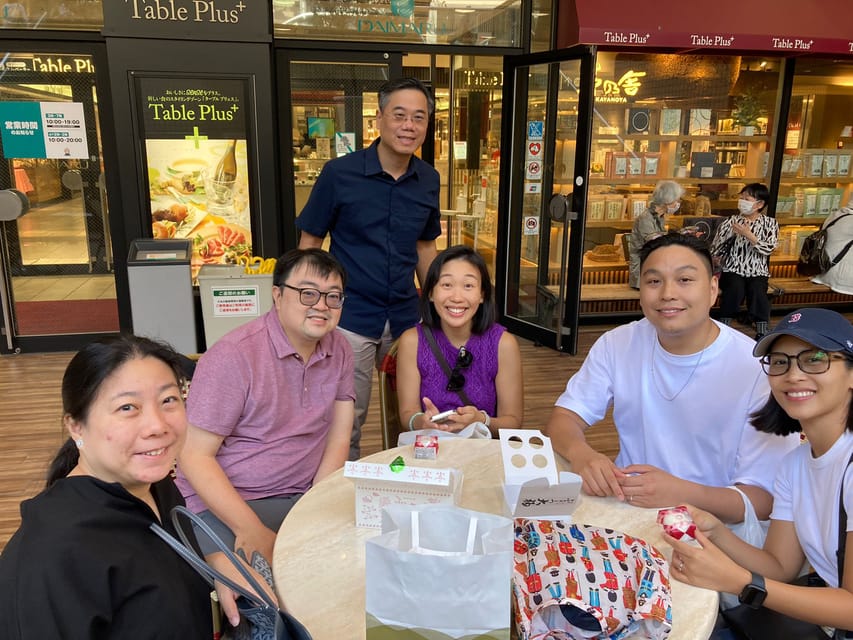
This tour is built for people who want Kyoto food without turning the day into a frantic scavenger hunt. In about 3 hours, you hit a tight sequence: a temple stop, a local market, a department store basement, then Nishiki Market, finishing at a shrine. It’s a fast route, but the tasting schedule helps you keep moving with a clear goal.
A big part of the value is the structure: you’re sampling in multiple places rather than getting stuck in just one crowded street. That matters in Nishiki Market especially, where it’s easy to lose your bearings and end up with snacks that are convenient but not necessarily the best match for your tastes. The guide’s job is to steer you toward the right counters and shops for what’s available that day.
You’ll also get a behind-the-scenes feel for how certain foods are made or at least how they’re prepared and sold locally. Even when it’s just a quick explanation at a stand, it changes how you read the food and packaging once you’re back shopping on your own.
You can also read our reviews of more walking tours in Kyoto


Meeting at Starbucks Kyoto Sanjo Karasuma: a simple, real-world start
You meet at Starbucks Kyoto Sanjo Karasuma Building, Karasuma Building 1F. It’s a handy landmark in central Kyoto: easy to find, easy to orient around, and it keeps the start time from feeling chaotic. You’ll begin walking right away, so you’re not spending half your tour figuring out where to go next.
Comfort matters here. Bring comfortable shoes, because this is a walking-and-snacking route through tight lanes and indoor food spaces. Also, no large bags or luggage are allowed. If you’re traveling with shopping bags, consider plan options before the tour so you’re not juggling items while you’re trying to taste and choose.
Rokkakudo Temple stop: quiet reset before you eat
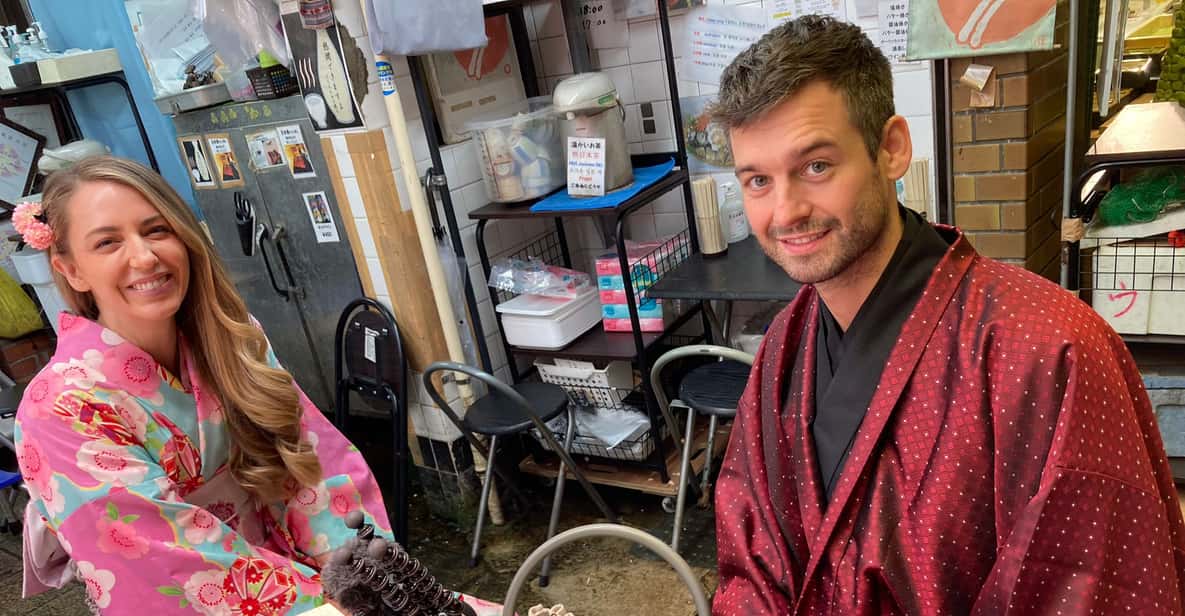
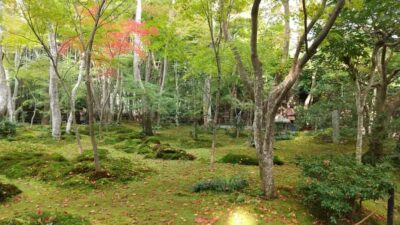
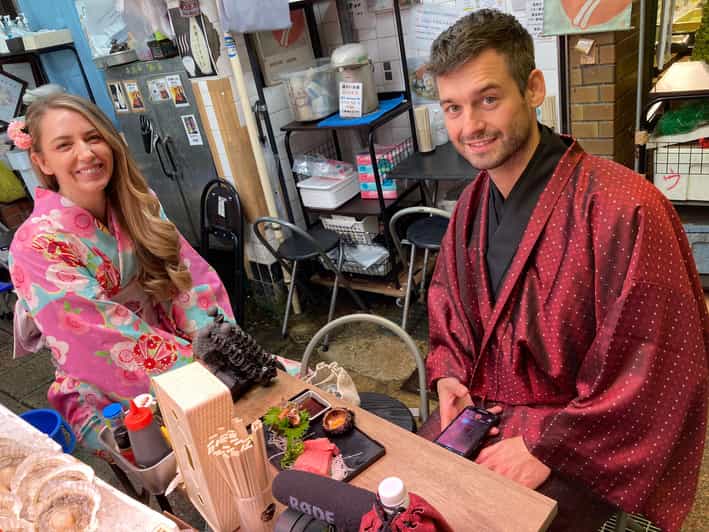
Before the market chaos, the tour includes a peaceful break at Rokkakudo Temple. Even if you’re not a hardcore temple person, this matters for the rhythm. You get a calm moment to reset your senses, then you’re ready for the noise and smells that come next.
Think of this stop as your mental warm-up. You’ll see a more reflective side of Kyoto before the itinerary turns into food shopping mode. It’s also a good reminder that Nishiki Market isn’t an isolated food attraction. It sits inside a wider neighborhood of daily life, rituals, and small cultural pauses.
Yaoyaichi local market: seasonal ingredients and a bread taste locals like
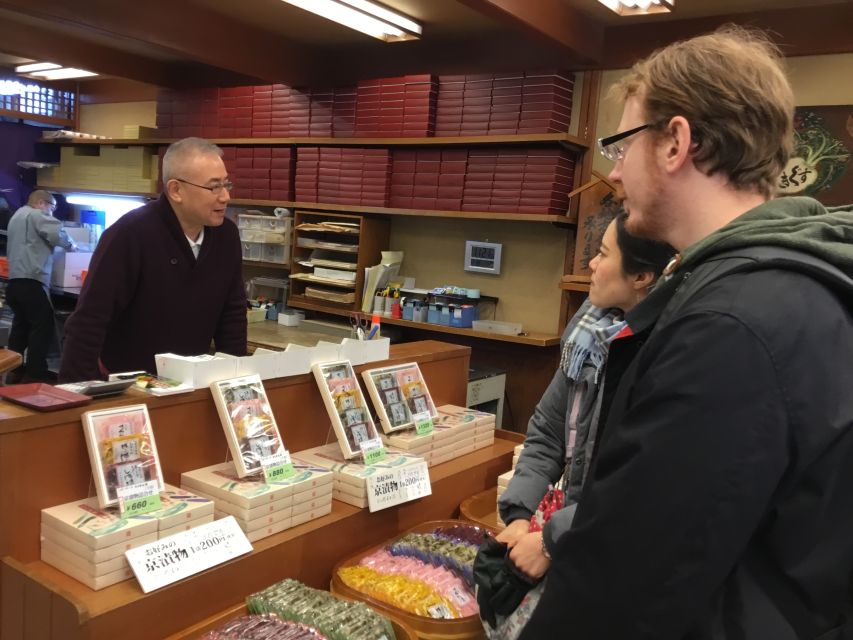
Next comes Yaoyaichi, a local market known for seasonal produce and unique ingredients. This is where you start learning how ingredients shape what Kyoto eats at different times of year. The explanations here help you understand why certain items show up more often than others.
A standout example is the chance to sample popular local bread that Japanese locals seem to favor. That kind of tasting is great because it’s not just a “try one bite” situation. Bread is easy to remember, and it’s an easy culinary souvenir idea if you find something you can bring home without trouble.
Yaoyaichi is also a useful skill lesson. You learn what to look for when a stall is busy, how to move through narrow aisles, and what to ask when you want a specific texture or flavor. Even if the exact items vary by availability and group preferences, the market approach stays the same.
Daimaru Department Store basement: nikuman and wagashi in one indoor sprint
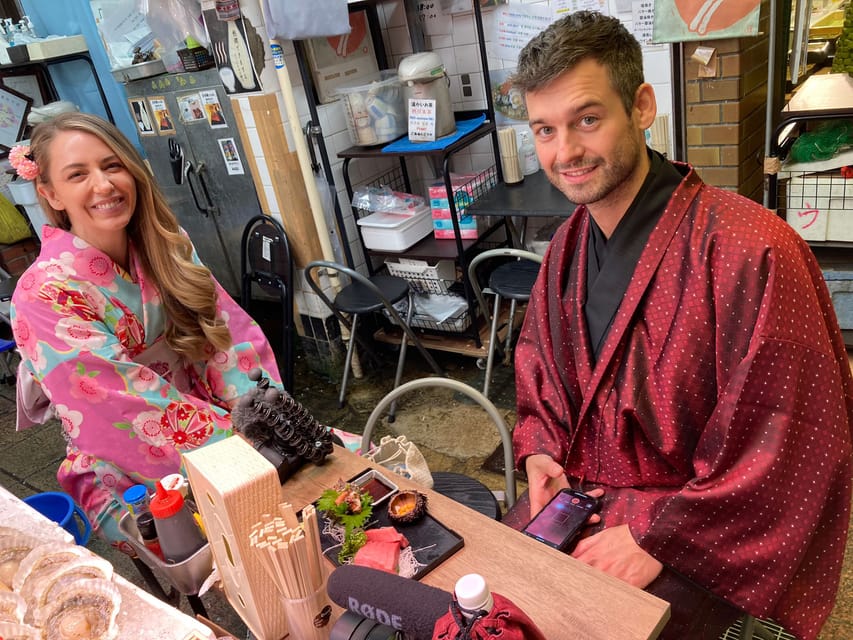
The tour then takes you into Daimaru Department Store’s basement, one of those Kyoto food zones where shopping and eating blur together. You’re stepping into a more polished, indoor gourmet world after the market lanes. That shift helps keep the tour from feeling one-note.
This stop is especially valuable for two reasons. First, it gives you a safe, easy place to taste multiple Kyoto classics without hunting through a crowded street. Second, the food variety is real. The tour includes examples like:
- Nikuman (meat buns), beloved by locals
- Wagashi (Japanese sweets) from a centuries-old wagashi shop
Wagashi is a great tasting category because it shows how Kyoto treats seasonal beauty in food form. You get a chance to understand what makes these sweets special beyond just sweetness. Pair that with nikuman, which is more savory and filling, and you balance out your snack load nicely.
If you’re the type who forgets to eat lunch when you’re sightseeing, this stop helps. It’s one of the places where you can taste something that feels more like a meal, not just a bite.
You can also read our reviews of more food & drink experiences in Kyoto

Nishiki Market, Kyoto’s Kitchen: where the snacks actually add up
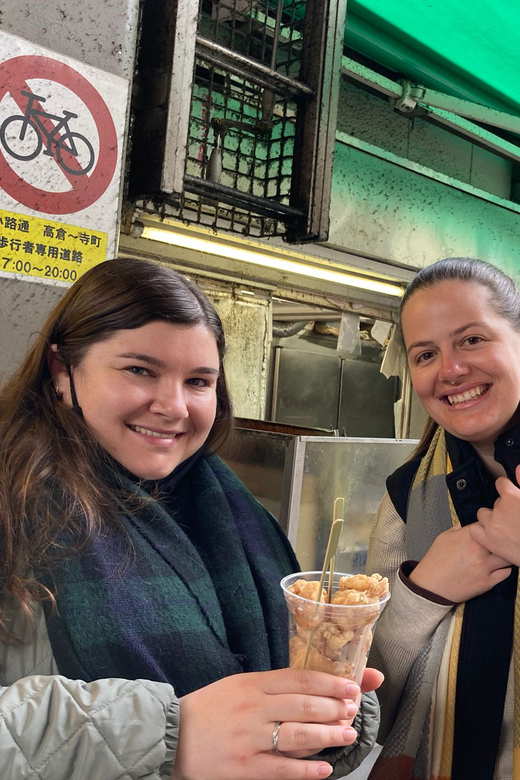
Then you get to Nishiki Market, often called Kyoto’s Kitchen. This is the headline stop, and it’s famous for a reason: it’s packed with edible options in tight corridors, and many of the best choices are the ones you’d miss if you were wandering without a plan.
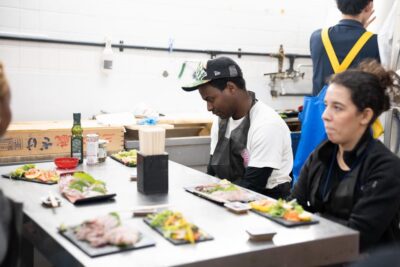
You’ll sample multiple items here, with examples like fresh specialties such as sashimi and skewered wagyu beef. You’re not meant to eat one huge portion at every stop. Instead, you’re tasting enough to learn what you actually like, then using that knowledge to guide your next purchases.
This is also where a guide makes a difference in comfort and confidence. Nishiki can get crowded, and it’s easy to feel like you’re constantly choosing, constantly second-guessing. With a small group (max 6), you’re moving together and getting pointed toward good counters, rather than spending energy on decision fatigue.
One practical tip: think about how you’re planning to carry any purchases you make during the tour. Since large bags and luggage aren’t allowed, aim for items that are easy to carry and store briefly. The tour itself is designed so you can leave with culinary souvenirs, and the guide can steer you toward options that make sense.
Nishiki Tenmangu Shrine finish: slow down after eating
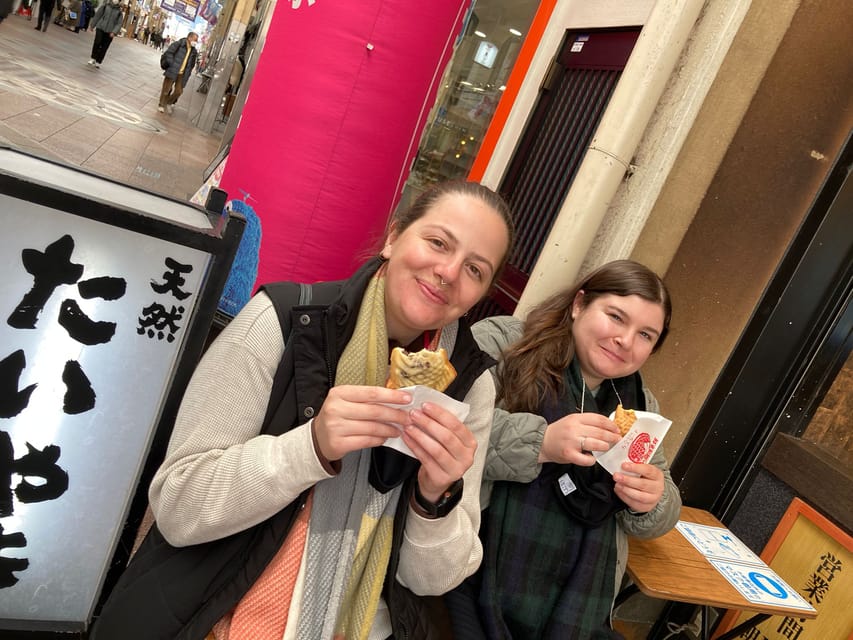
The tour wraps up at Nishiki Tenmangu Shrine. After all the tasting and stop-and-go shopping, this ending point gives you a breather. You can take a minute, check your photos, and decide what you still want to search for on your own.
This finish also makes the whole route feel less like a food sprint and more like an actual walk through Kyoto neighborhoods. The shrine setting is quiet enough that your last bite doesn’t blend into the background noise. It’s a calmer way to end, and it helps you remember the tour as a sequence, not just a pile of snacks.
What’s included, and why that matters for value at $77
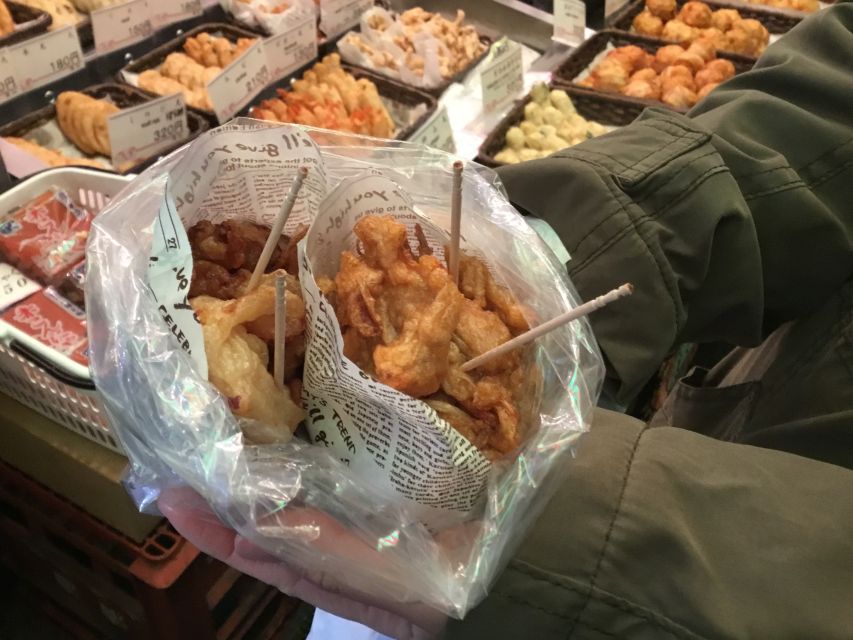
The price is $77 per person for 6–10 local foods plus a live English guide, lasting about 3 hours. The money isn’t just paying for food. It’s paying for a guide who knows where to go, what’s currently available, and how to keep tastings moving without long waits.
That’s the heart of the value. If you try to copy this day on your own, you’ll spend time figuring out shop priorities, translating basic questions, and deciding where your money should go. With tastings included, the cost is easier to evaluate: you’re paying once for a bundle of food opportunities, not piecemeal each time you stop.
Also, tastings can vary based on participant preferences and item availability. That’s normal for market-based food tours. It’s a good sign, though, because it means your guide should be able to adapt the day rather than feeding everyone the exact same menu no matter what.
Dietary limits: plan ahead, don’t guess
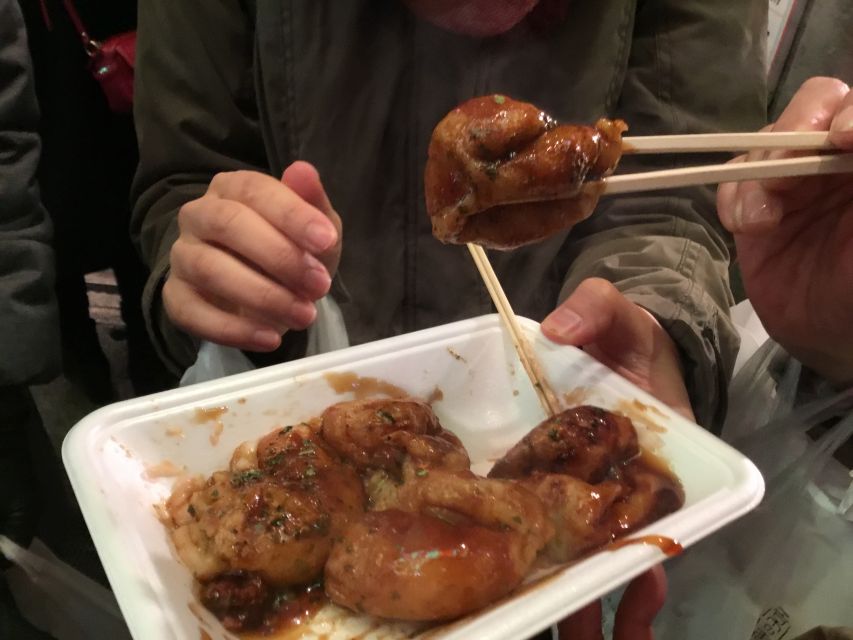
There’s one important practical note: the tour meals may include ingredients such as meat, seafood, wheat, and dairy. If you have allergies or dietary restrictions, you should contact the tour provider in advance and ask what adjustments are possible.
Don’t assume you’ll be able to swap items on the spot. For market foods, ingredients can be mixed, baked, or used as coatings. If you’re sensitive, message ahead so the guide can pick safer options where possible. This is also one reason to ask the guide questions early in the tour.
Who this walking food tour suits best
This works best for you if:
- You want a short Kyoto food plan that covers multiple big-name areas
- You like learning what people actually eat, not only what’s marketed for tourists
- You’re happy with a walking day in exchange for clear tasting stops and local shopping direction
It’s less ideal if:
- You need mobility support, since it’s not suitable for people with mobility impairments
- You expect to carry bulky luggage during the walk (it’s not allowed)
- You want a fully customized meal-style itinerary on demand, since tastings depend on availability and group preferences
What to do right after the tour with your new food brain
When you finish at Nishiki Tenmangu Shrine, you’ll be in a better position to keep exploring. Now you know what tastes you liked, which textures you prefer, and what kinds of shops sell items that travel well as souvenirs.
If you want to add on extra shopping, focus on items you can imagine eating soon after purchase. Market foods are great, but Kyoto also offers plenty of packaged treats for gifts once you know what you’re looking for.
And if your guide is the kind who takes photos and shares them, ask before you start buying. You’ll get a better record of what you tasted and what you might want to find again later.
Should you book the Taste of Nishiki Market walking food tour?
If you’re planning just a few hours in central Kyoto and you want food learning with real tasting, this is a strong pick. The route hits major points efficiently, you get 6–10 included tastings, and the small group size helps you actually ask questions instead of just following along.
Book it if you want a guided introduction to Kyoto food culture that also leaves you with shopping ideas. Skip it if you’re avoiding walking time, need strict allergy certainty without pre-planning, or want a slow, sit-down meal day instead of moving stop to stop.
In short: for a first Kyoto food outing, this one gives you a lot of bites, a lot of direction, and an ending that lets you catch your breath.
FAQ
How long is the Taste of Nishiki Market walking food tour?
The tour lasts about 3 hours.
Where do we meet for the tour?
You meet at Starbucks Kyoto Sanjo Karasuma Building, Karasuma Building 1F KDX Kyoto.
How many foods are included in the tour?
The tour includes 6 to 10 local foods.
Is the tour offered in English?
Yes, it’s a live tour with an English-speaking guide.
Is this tour suitable for people with mobility impairments?
No. It is not suitable for people with mobility impairments.
Are there dietary restrictions or allergy considerations?
The meals may include ingredients such as meat, seafood, wheat, and dairy. If you have restrictions or allergies, contact the tour provider in advance to discuss what accommodations may be possible.
What should I bring, and can I bring luggage?
Bring comfortable shoes. Luggage or large bags are not allowed.