REVIEW · KYOTO
Kyoto Bamboo Forest & Golden Pavilion E-Bike Tour
Book on Viator →Operated by Memory Kyoto Bike Tour · Bookable on Viator
Kyoto is temple country, but this ride makes it feel possible. You start at Kitano Tenmangu Shrine and pedal through local backstreets to the Golden Pavilion and beyond, mixing big-name sights with quieter stops. I especially like the e-bike setup for keeping the day fun (not punishing), and I love how the guide turns each landmark into a story you can remember. One catch: you’ll still be biking between stops, so you should feel comfortable riding for stretches and you’ll want good weather.
This is built for a small group (max 8) and a practical route length for 5 to 6 hours. The pace works well when you want major Kyoto highlights—Kinkaku-ji, Tenryu-ji, and Arashiyama Bamboo Forest—without losing your entire day to trains, taxis, and walking.
Golden Pavilion time with smarter pacing: Kinkaku-ji is included with admission, plus guided context on how it evolved over time.
Small-group backstreet riding: You move through neighborhood lanes, not just main roads, which keeps the day feeling local.
Arashiyama bamboo, with room to look up: The bamboo forest trail stop includes admission time so you can actually enjoy it (not just snap and go).
Tenryu-ji Zen garden in UNESCO territory: Tenryu-ji is included with admission and a dedicated 45 minutes on site.
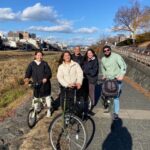
Guides who handle the day, not just the facts: Guides such as Diego, Jody, and Jorge are repeatedly praised for clear English, friendly help, and keeping the tour smooth.
E-bikes do the heavy lifting: A ride that could be tiring on a normal bike becomes manageable for more people.
In This Review
- E-bikes + top Kyoto sights: why this day feels doable
- Where you meet and how the route keeps things simple
- Kitano Tenmangu Shrine: learning, plum blossoms, and a calm start
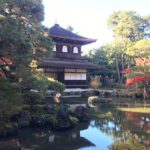
- Kinkaku-ji Golden Pavilion: pond reflections and the story behind the gold
- Riding through Kyoto’s backstreets: where the day becomes local
- Arashiyama Bamboo Forest Trail: tall trunks, easy viewing time
- Tenryu-ji Temple: UNESCO Zen garden time, not a photo dash
- Guides and pace: what makes the $99 feel justified
- Who this Kyoto e-bike tour fits best
- Should you book the Kyoto Bamboo Forest & Golden Pavilion E-Bike Tour?
- FAQ
- How long is the Kyoto Bamboo Forest & Golden Pavilion e-bike tour?
- Where does the tour start, and where does it end?
- How much does the tour cost?
- How many people are in a group?
- Does it include admission tickets for the temples?
- What’s the ride like—do most people participate?
- What if weather is poor?
E-bikes + top Kyoto sights: why this day feels doable
At $99.08 per person for a 5 to 6 hour guided e-bike tour, you’re paying for three things: transportation between far-flung sights, guided storytelling, and time saved versus DIY routing. It’s not a “sit and watch Kyoto” option, but it also isn’t a fitness event. The e-bikes are the key value here because they turn distance into something you can actually enjoy.
The tour is capped at 8 travelers, which matters more than people think. Smaller groups tend to move together at temple entrances, photos, and bathroom breaks. It also makes the guide’s job easier, and that usually translates into a better experience—clear communication, fewer bottlenecks, and less time waiting.
The most important consideration: you’re still riding. E-bikes help, but you should be ready for bike time between stops and a day that mixes cycling with walking. Also, the experience is described as requiring good weather, so if Kyoto is throwing rain, you’ll want to be flexible.
Where you meet and how the route keeps things simple
The meeting point is at Memory Kyoto bike tour, 8-6 Umaryo-cho, Nishinokyo, Nakagyo-ku, Kyoto city (604-8492). It’s also described as near public transportation, which is useful if you’re staying elsewhere in Kyoto and don’t want to stress about getting there.
The tour starts there and ends back at the same meeting point. That means you don’t have to plan a second transit connection at the end of the day—nice when you’ve already spent hours on bikes and temples.
In practice, this kind of “loop” tour design makes Kyoto less exhausting. Instead of hopping between disconnected areas on your own timetable, you get a structured route that threads Kitano Tenmangu → Kinkaku-ji → Arashiyama area (bamboo) → Tenryu-ji, then returns you to where you started.
You can also read our reviews of more cycling tours in Kyoto
Kitano Tenmangu Shrine: learning, plum blossoms, and a calm start
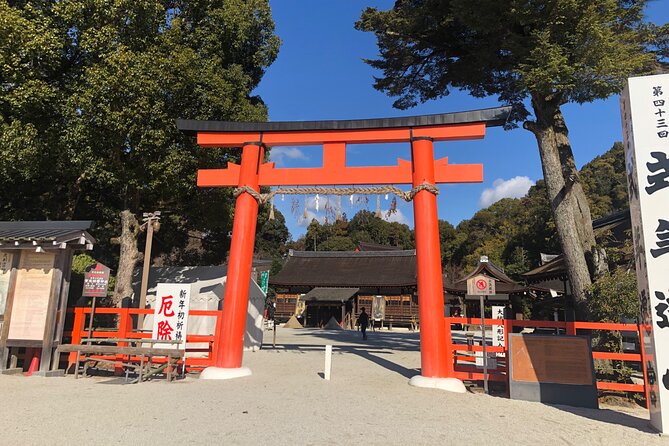
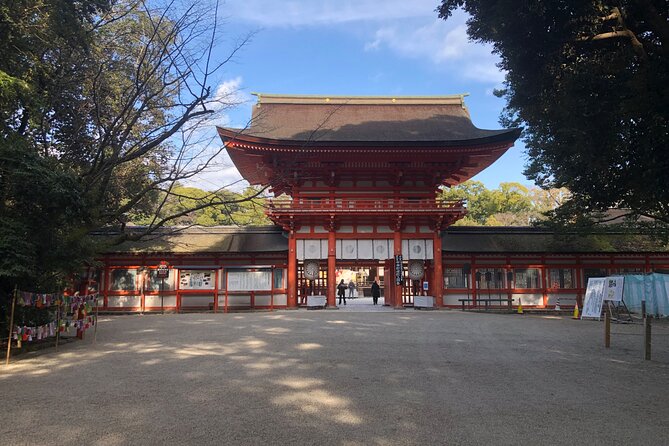
You begin at Kitano Tenmangu Shrine, a site tied to Sugawara no Michizane, known in tradition as the deity of learning. Even if you’re not big on shrine mythology, the story gives you a lens for what you’re seeing—this isn’t just pretty architecture. It’s a spiritual place with a reputation that shaped how people visit and what they hope for.
You’ll have about 30 minutes here, and the stop is described as giving you time to look around and connect the shrine to its background. One extra detail to watch for: the shrine is known for 1000 plum trees, with blossoms in early spring. If you’re visiting in that season, you’ll feel why this is the kind of place people remember long after the photos.
The practical upside of starting here is timing and momentum. It’s a slower opening before you hit the more crowded, iconic spots later. And since the tour is small, you’re more likely to get a straightforward, unhurried orientation without feeling like you’re being herded.
Kinkaku-ji Golden Pavilion: pond reflections and the story behind the gold
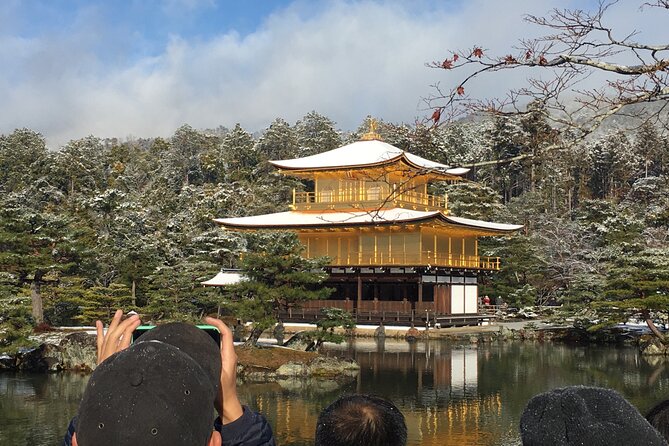
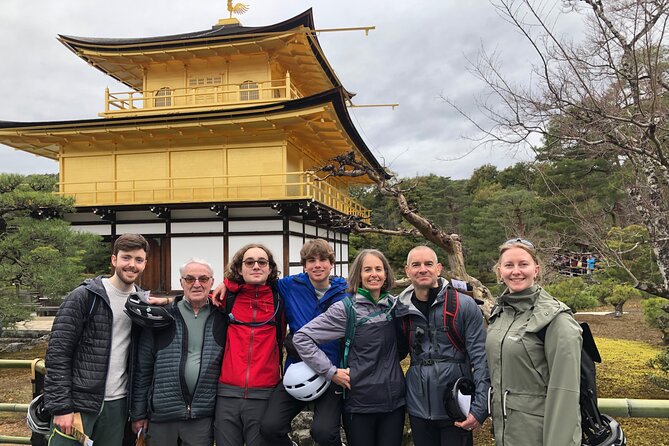
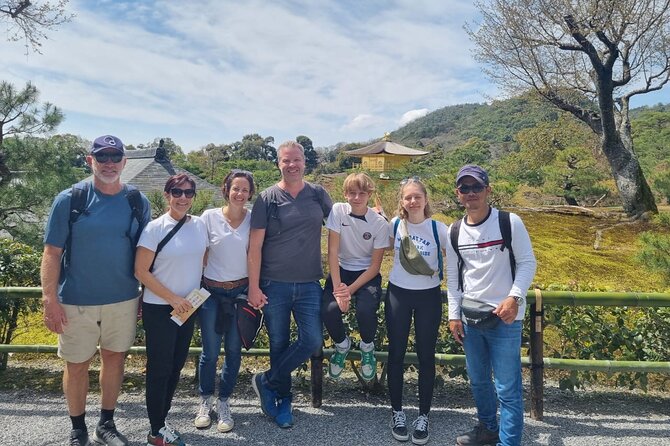
Next up is Kinkaku-ji (Golden Pavilion), with 45 minutes and admission included. This is the stop most people come for, but the tour helps you see more than the postcard version.
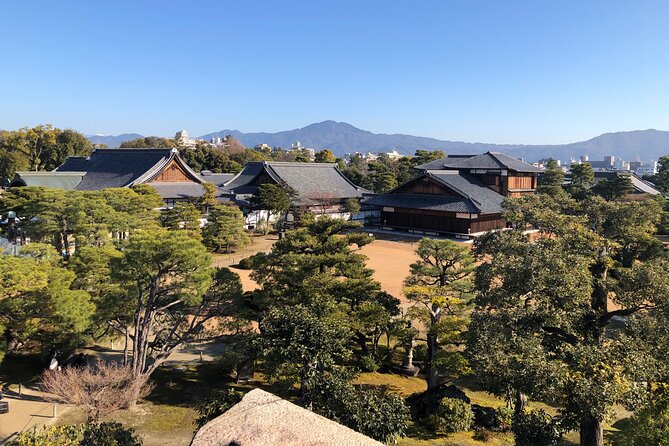
The tour materials describe Kinkaku-ji’s origins as a retirement villa and its later transformation into a Zen Buddhist temple. That matters because it changes how you interpret the building: you’re not just looking at gold-leaf glamour. You’re looking at a structure with a past, and that past affects the atmosphere of the site.
Your time here also includes the famous visual: the shimmering reflection of the golden pavilion in the pond. The best advice I can give is simple—slow down for a few minutes around the pond viewpoint. If you rush straight to photos, you miss how the light shifts and how the scene feels different as crowds thin and thicken.
A useful note from guide performance in the feedback: when lines get intense at Kinkaku-ji, a good guide can help you get in without losing the whole visit to waiting. Even without making promises, that’s a real value point. You show up, you move, and you spend your 45 minutes actually looking.
Riding through Kyoto’s backstreets: where the day becomes local
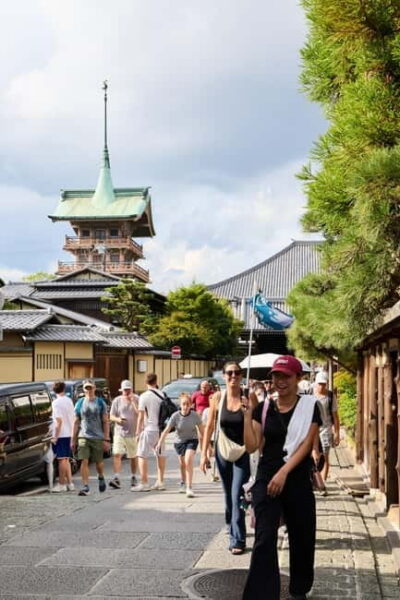
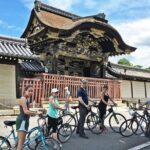
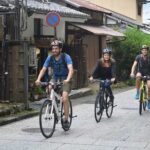
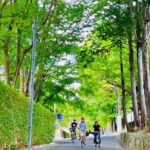
Between major sights, the tour focuses on scenic routes and riding through quieter neighborhood lanes. That’s not just decoration. Kyoto’s “real” texture shows up when you’re not constantly under the pressure of crowds.
This is where you’ll feel the advantage of e-bikes most. Even if your legs feel strong, bike time through smaller streets is often faster and calmer than trying to weave around on foot. And because the group stays together, you’ll usually be turning corners with the guide’s pacing rather than stopping every few minutes to check directions.
If you care about Kyoto beyond temples—the everyday rhythm of storefronts, alley life, and side streets—you’ll likely enjoy this segment a lot. It’s also the portion where you’ll appreciate how the guide keeps things organized so you don’t spend the day thinking about route logistics.
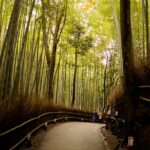
Arashiyama Bamboo Forest Trail: tall trunks, easy viewing time
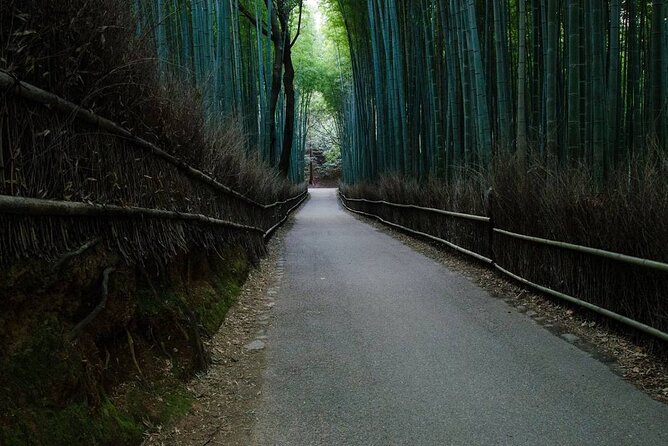
Then you head to Arashiyama Bamboo Forest, and specifically the Bamboo Forest Trail. You get 45 minutes and admission is included.
This is one of those places where your mind expects a quick photo moment. The tour length helps you avoid that trap. You can pause and look up, watch how tall stalks sway, and take in the odd, peaceful atmosphere that makes this forest feel almost dreamlike.
The description emphasizes the visual impact—impossibly tall trunks that seem to move like dancers—and it also points to why bamboo has this reputation for toughness and resilience. You don’t need a botany lesson to appreciate the vibe, but knowing bamboo is strong and flexible gives the scene an extra layer.
Practical advice: treat this stop like a “slow walk” even if you could rush. Bamboo forest photography often rewards timing and stance—where you stand changes the look of the tunnel-like effect. A full 45 minutes gives you time to play with that.
You can also read our reviews of more tours and experiences in Kyoto

Tenryu-ji Temple: UNESCO Zen garden time, not a photo dash
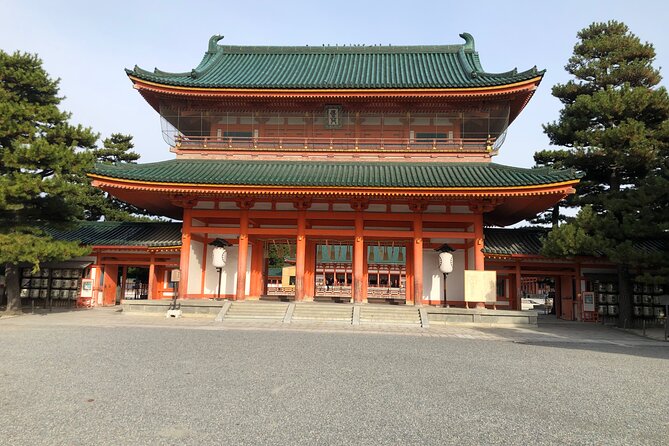
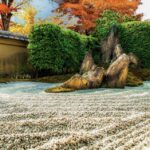
After bamboo, you reach Tenryu-ji Temple, another heavyweight. You’ll have about 45 minutes, with admission included. Tenryu-ji is a UNESCO World Heritage Site since 1994, and the tour highlights the temple’s garden as one of the finest.
This stop is where the tour’s balance shows. You’ve done the glitz of Kinkaku-ji, the spectacle of bamboo, and now you slow down into Zen space. The garden is often the reason people fall in love with Tenryu-ji, so don’t treat it like a checklist item. Take a few minutes to just walk the viewpoints and notice how the garden frames quiet moments.
If you tend to get temple fatigue when you DIY, this is also a good “breather” stop. It’s still visually stunning, but the tempo feels different. You’re not chasing a single iconic structure; you’re looking at a designed experience meant for contemplation.
Guides and pace: what makes the $99 feel justified
A lot of tours can get you to famous places. What makes this one worth your time is the human part: the guide’s stories and the way they manage the flow.
From the feedback, guides such as Diego, Jody, and Jorge are repeatedly praised for being friendly and for using clear English. You also see a theme of practical help—supporting the group when things get tricky, and making sure everyone stays engaged without feeling rushed.
One detail worth calling out: there’s time built into the day for a lunch stop, and at least some groups have been taken to a local diner where ramen showed up. The guides are also described as helping with ordering, which is a small thing that can turn a “we found food” moment into a smooth, enjoyable break.
Pace-wise, this is a full half-day, not a quick sampler. But the e-bike helps keep it from becoming stressful. In feedback, people specifically tied the e-bikes to not getting physically wiped out even with a solid riding distance. So if you want Kyoto sights with less strain, this structure is the point.
Who this Kyoto e-bike tour fits best
This tour tends to work well if you:
- Want Kinkaku-ji, Tenryu-ji, and the Arashiyama bamboo forest in one guided plan
- Prefer cycling through local streets instead of only walking corridors
- Like history and cultural context while you tour, not hours later in a guidebook
- Want a small-group experience (max 8)
It can also fit families, at least with kids who can ride e-bikes confidently. One set of comments included children around ages 10 and 12 riding e-bikes. If your kids have that comfort level, you’ll probably find the format manageable and fun.
The downside group: if you strongly dislike riding or you’re expecting a mostly “walk through temples” day, this might feel more active than you want. The same applies if your weather forecast is unreliable—this experience is described as requiring good weather.
Should you book the Kyoto Bamboo Forest & Golden Pavilion E-Bike Tour?
I’d book it if your priority is major Kyoto sights with smart routing and you want to cut down on the “how do we get there?” headache. The value comes from the combination: e-bikes + guided context + admission included for key stops. When the Golden Pavilion and bamboo are on your list, having a plan that keeps the day moving is a real advantage.
I’d think twice if you’re unsure about biking comfort or you’re traveling during a period where you expect rain to be frequent. Because the tour depends on good weather, it’s better to plan with flexibility.
If you’re the type who likes Kyoto when it feels lived-in—temples plus neighborhood streets—this tour hits that sweet spot. You’ll leave with the iconic images, but you’ll also have the story and the route that connect them.
FAQ
How long is the Kyoto Bamboo Forest & Golden Pavilion e-bike tour?
The tour runs about 5 to 6 hours.
Where does the tour start, and where does it end?
It starts at Memory Kyoto bike tour, 8-6 Umaryo-cho, Nishinokyo, Nakagyo-ku, Kyoto city (604-8492). It ends back at the same meeting point.
How much does the tour cost?
The price is $99.08 per person.
How many people are in a group?
The maximum group size is 8 travelers.
Does it include admission tickets for the temples?
Admission tickets are included for Kinkaku-ji, the Bamboo Forest Trail, and Tenryu-ji Temple. Kitano Tenmangu Shrine is free.
What’s the ride like—do most people participate?
The description says most travelers can participate, and the tour uses e-bikes to make riding easier.
What if weather is poor?
The experience requires good weather. If it’s canceled due to poor weather, you’ll be offered a different date or a full refund.