REVIEW · KYOTO
Kyoto: City Secrets eBike Tour
Book on GetYourGuide →Operated by NORU Kyoto City Cycling Tours · Bookable on GetYourGuide
Kyoto by e-bike feels like local time. This Kyoto City Secrets tour strings together big-name sights and quiet backstreet moments, all on a planned 9km ride.
I really like the contrast: the tour starts with Golden Pavilion-level landmarks, then shifts into calmer temple lanes and Zen settings. I also appreciate that the day isn’t just “see and move on.” You slow down for culture, including a tea moment at Daitoku-ji in at least some departures.
One thing to think about: this is a bike tour for people who can ride confidently. The electric assist helps, but the route can include technical bits (like cobblestones, tight turns, and a more active stretch near the end), so it’s not ideal if you feel shaky on a bicycle.
In This Review
- Key points at a glance
- Kyoto By E-bike: Why This Route Feels More Like Kyoto
- Golden Pavilion and World Heritage Temples: The Opening Act
- Old Geisha Streets and the Shrine of Knowledge: Kyoto’s Side Streets
- Zen Gardens and Tea Stops: When the Tour Gets Quiet
- How the E-bike Ride Feels in Real Life
- Guide Energy: You’re Not Just Touring, You’re Translating Kyoto
- Price and Value: What $127 Really Covers
- Who Should Book This, and Who Might Skip It
- Quick Booking Call: Should You Book Kyoto City Secrets?
- FAQ
- Where is the meeting point?
- How long is the tour, and what are the departure times?
- Do I need to arrive early?
- What’s the minimum age and height requirement?
- What’s included in the price?
- What happens if weather is bad?
Key points at a glance
- 9km ride for a 225-minute experience: you cover real ground without racing.
- Small group, max 8 people: easier questions, calmer pacing.
- World Heritage first, Zen later: big sights early, quieter Kyoto as you go.
- Golden Pavilion plus tea and Zen garden time: culture stops are built in, not tacked on.
- E-bike assistance for hills: you get comfort without turning the whole day into a workout.
- Safety-minded street rules: guides stress basics like red traffic lights and staying left.
Kyoto By E-bike: Why This Route Feels More Like Kyoto
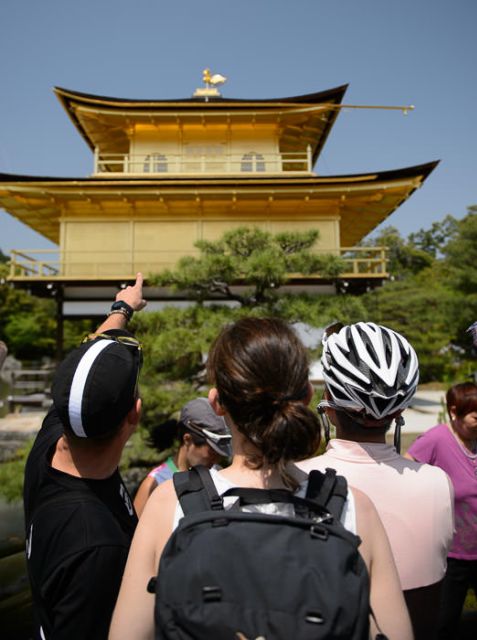
Kyoto can be a traffic puzzle: scooters, buses, tight crossings, and crowds that show up exactly when you’re trying to enjoy the view. This tour uses e-bikes to solve a lot of that. You keep moving, but you don’t feel rushed. And because the route is designed around a 9km loop, you get variety without the “long transit between major stops” problem.
The tour’s rhythm also matters. You begin with major temples and shrines, then the streets gradually quiet down. That slow shift is one of the biggest reasons people love this style of tour. Early on, you get the landmark wow. Later, you get the hush that makes Kyoto special.
You can also read our reviews of more cycling tours in Kyoto
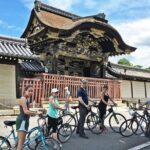
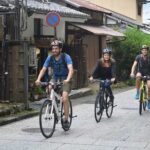
Golden Pavilion and World Heritage Temples: The Opening Act
The day kicks off with stops at World Heritage temples and shrines. Even if you’ve seen Kyoto photos before, these first sights hit differently in real life. Stone, gates, and garden geometry look sharper when you arrive on foot or bike, not through a bus window.
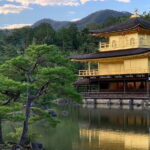
Then comes the highlight many people came for: Golden Pavilion (Kinkaku-ji). It’s the kind of place where the details matter—the way the structure sits with its reflections, and how the surrounding grounds feel carefully arranged. On this tour, you’re not just dropping in for a quick photo and sprinting away. You’re on a timeline that leaves room to actually notice what you’re seeing.
Practical note: the route is designed so you don’t feel stuck in one crowded pocket for too long. That matters because Kyoto’s best moments often happen in the in-between lanes, not only at the main gates.
Old Geisha Streets and the Shrine of Knowledge: Kyoto’s Side Streets
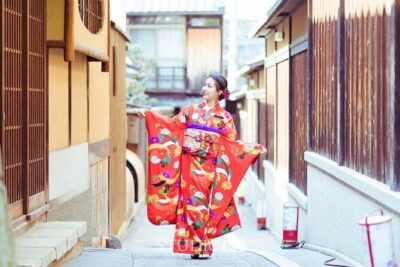
One of the tour’s strengths is that it doesn’t treat Kyoto like a list of famous locations. After the early cultural anchors, you cycle into older neighborhood textures—Kyoto’s oldest Geisha district and a shrine of knowledge. The value here isn’t just the sites themselves. It’s the context: you see the street scale, the pedestrian flow, and the way locals move through the city.
You also get the benefit of guide timing. Several guides on this tour are praised for helping groups avoid peak congestion and for planning routes that keep traffic calmer. That means less time negotiating bus schedules and more time enjoying the ride.
And yes, sometimes you even spot geisha appearances along the way. Seeing them is never guaranteed, but the tour style puts you in the right neighborhoods at the right pace.
Zen Gardens and Tea Stops: When the Tour Gets Quiet
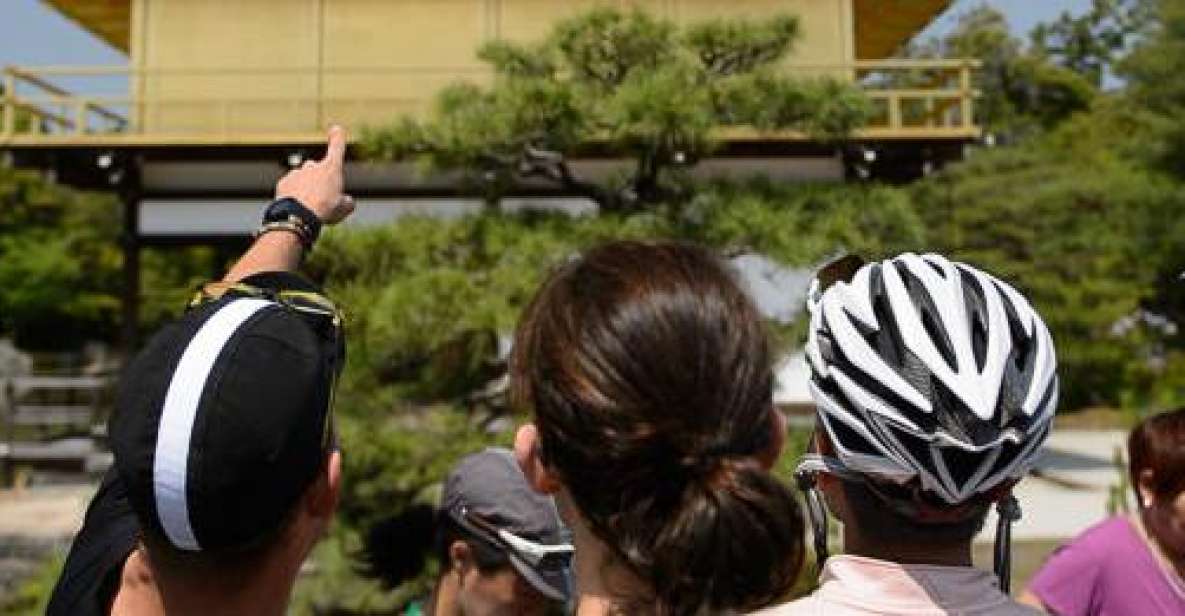
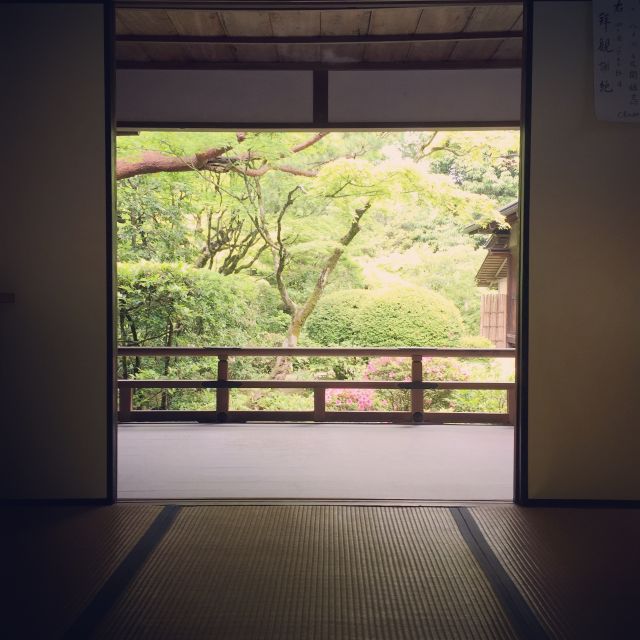
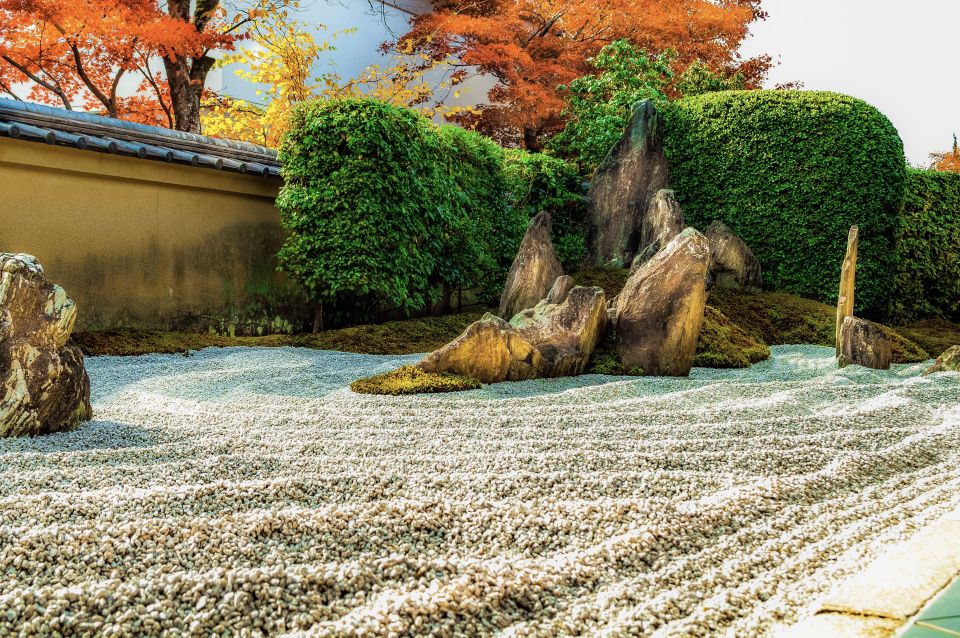
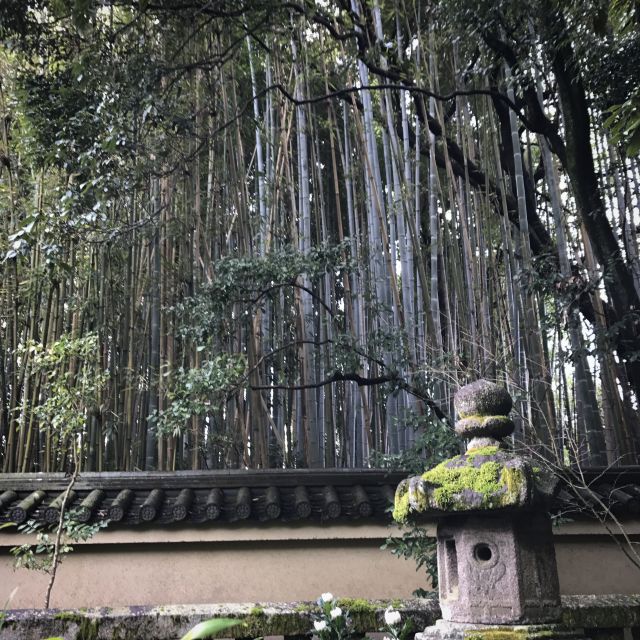
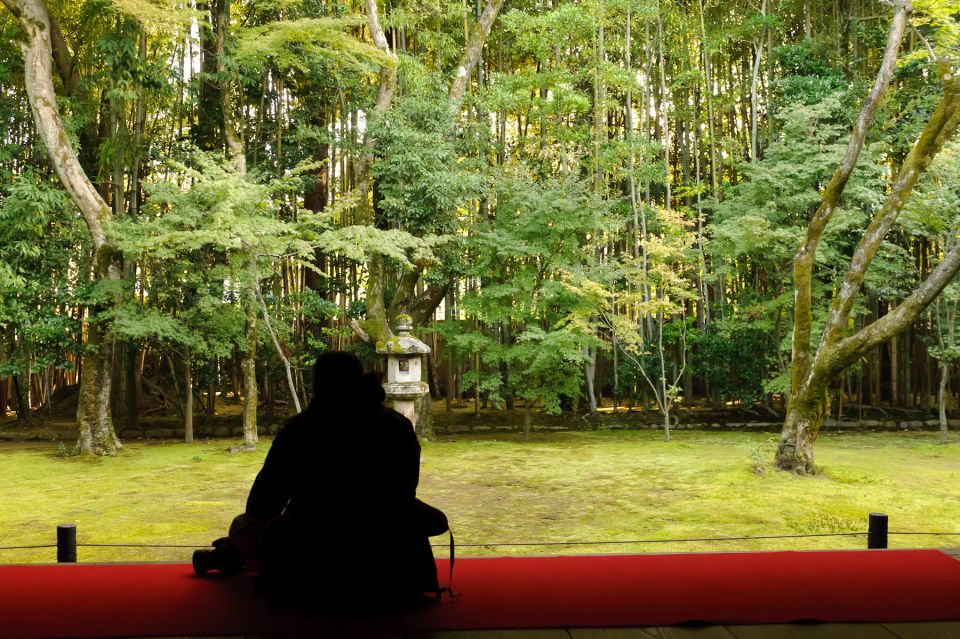
The middle-to-later part of this ride is where Kyoto turns from sightseeing into atmosphere. The tour is built around Zen gardens and calmer temple settings that feel carefully hidden from city noise.
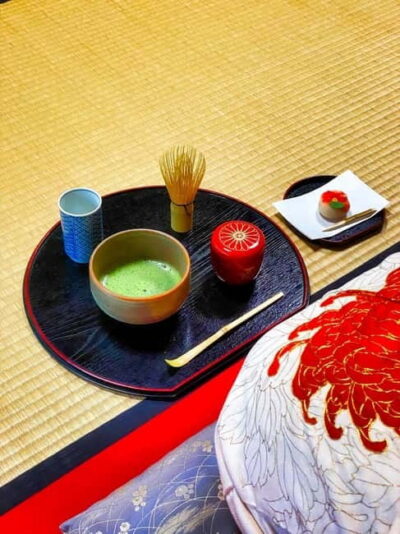
This is also where a tea experience can appear. In particular, some departures have included a tea ceremony at Daitoku-ji. Even if you’ve done tea before, the Zen framework changes the feel. It’s not just drinking tea. It’s a chance to understand why these spaces are designed for attention and stillness.
You may also experience slow moments at traditional stops described in tour feedback, including places like a long-running café-style break (one guest specifically called out a 1,000-year-old café) and a sweet pause connected with mochi traditions (another guest highlighted an exceptionally old mochi house). These breaks matter because they add a sensory layer: you taste and rest, and your brain stops acting like a camera for a minute.
How the E-bike Ride Feels in Real Life
E-bikes can go one of two ways: either they make cycling easy and fun, or they lull you into forgetting you’re still on a bike in a real city. This tour keeps it on the safer, more relaxed side.
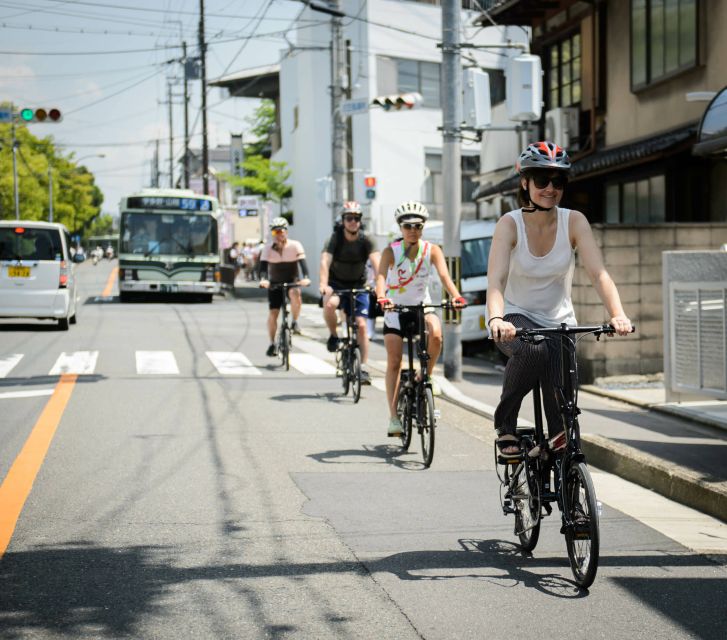
The electric assist is a big deal. People mention that hills feel manageable and that the ride is comfortable for a mixed group. The route is also described as having limited traffic stress, thanks to the choice of smaller streets rather than major roads.
Still, do plan for some technical moments. At least one guest mentioned cobblestone paths, tight turns, and a more active stretch toward the end. So, you don’t need to be a cycling athlete. But you do need to be confident steering, braking smoothly, and staying alert in tight corners.
If you’ve never ridden an e-bike before, that’s okay. You’ll be riding within a group with an English-speaking guide who manages pacing and safety. One repeated theme: guides keep watch on comfort and frequently remind riders about basic local road behavior.
And here are a couple of practical rules that came up in feedback and are worth following automatically:
- Watch for red traffic lights like you would on foot.
- Stay left and follow strict local road rules, especially when streets get busy (Golden Week is noted as a higher-traffic period).
You can also read our reviews of more city tours in Kyoto



Guide Energy: You’re Not Just Touring, You’re Translating Kyoto
A bike tour lives and dies by the person leading it. This one gets consistently praised for guides who explain what you’re seeing in plain terms and connect it to Japanese culture, religion, and everyday etiquette.
Names you may see leading your group include Michael, Shizuka, Henry, Sean/Shawn, and Yuta (spelled a few ways in feedback). For example:
- Shizuka is specifically praised for bringing Zen philosophy into the walk-and-ride experience.
- Yuta comes up again and again, including mentions of Zen Buddhist perspective at a monastery and very strong explanations of site meaning.
- Henry and Michael receive praise for route planning and for showing places that don’t usually appear on standard sightseeing loops.
One detail I love in the guide style is how many leaders answer questions without rushing. You can ask about shrine rules, temple design, or why people behave a certain way, and you’re not left guessing.
Also, the small group size matters here. With up to 8 participants, your guide can remember names, adjust the pace, and keep everyone together without the “herding cats” vibe.
Price and Value: What $127 Really Covers
At $127 per person for about 225 minutes, this tour isn’t cheap. But it’s also not “paying for a seat and a map.” Your money covers a bunch of hard-to-replicate value:
- An English-speaking guide who shapes the day, including explanations and route decisions.
- E-bikes and helmets, so you’re not scrambling for equipment.
- Entrance fees to the attractions, meaning fewer ticket lines and fewer budget surprises once you arrive.
When you compare it to piecing together a custom day yourself, the tradeoff is time and certainty. In Kyoto, time is the real currency. This tour packages transportation efficiency (bike-based movement), guided cultural context (what you’re looking at), and access (entrance fees included) into one block.
If you’re trying to get both landmark Kyoto and the quieter side of temples in one afternoon, this is the kind of price that can make sense fast.
Who Should Book This, and Who Might Skip It
This tour is well matched for:
- People who like history and culture, but want it delivered through a walk-bike rhythm.
- Visitors who feel Kyoto is too big for a strict bus-and-line plan.
- Travelers who enjoy quiet temple moments as much as famous monuments.
It’s also a good fit for groups that want structure without feeling boxed in. The pace is relaxed enough that you can take in scenery, but the route still covers plenty of sites.
It may not be ideal if:
- You can’t ride confidently on a bicycle. The tour is designed for riders over age 13, and there’s also a height requirement (minimum 140 cm / 4 ft 6 in).
- You’re extremely new to bikes and nervous about cobblestones or tight turns.
One more thought if this is your first time in Kyoto: some guides and routes work best when you already understand where major areas sit. If you’re totally lost on the map, you can still enjoy this tour, but you’ll get the most if you’re okay with following instructions and learning as you go.
Quick Booking Call: Should You Book Kyoto City Secrets?
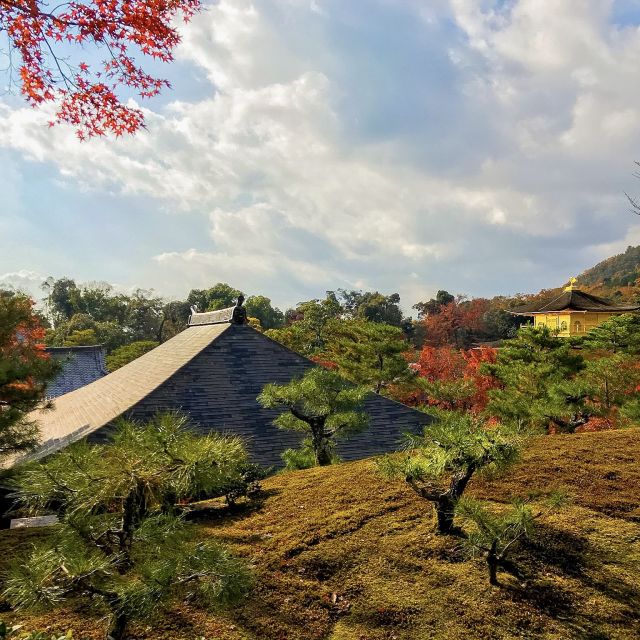
I’d book this if you want a Kyoto afternoon that mixes Golden Pavilion, older neighborhood texture, and genuinely calm Zen garden time—all without spending the whole day in queues. The small group size and the bike-based route are the real advantages.
Skip it if riding a bike in a city makes you uneasy, or if you only want to do famous places with zero road movement. And if you’re sensitive to technical surfaces or tight turns, check that you feel comfortable with bicycle handling before choosing the tour.
If your ideal Kyoto day looks like quiet temples, tea pauses, and side streets that feel more local than tourist, this one fits.
FAQ
Where is the meeting point?
Meet at NORU.
How long is the tour, and what are the departure times?
The tour lasts 225 minutes. There are three departure times: 9 am, 9:30 am, and 1 pm.
Do I need to arrive early?
Yes. You must arrive 15 minutes before your departure time. Arriving right at departure time may cause you to miss the tour, and missed departures are non-refundable.
What’s the minimum age and height requirement?
The ride is designed for anyone over age 13 who can ride confidently. It is not suitable for people under 140 cm (4 ft 6 in).
What’s included in the price?
The price includes an English-speaking guide, bikes, helmets, and all entrance fees to attractions.
What happens if weather is bad?
The supplier can cancel tours due to heavy rain, storms, or inclement weather, and those cancellations will be refunded 100%.