REVIEW · KYOTO
Kyoto : Private Custom Walking Tour With A Local Guide
Book on GetYourGuide →Operated by Guydeez · Bookable on GetYourGuide
Kyoto clicks faster when someone local sets the pace. I like that this is a truly private, custom walk, so you can steer toward temples, streets, even a museum stop, instead of being trapped in a fixed route. I also like how guides share practical context you can use right away, like what you’re looking at at places such as Fushimi Inari and Kiyomizu-dera. One thing to consider: it’s a walking tour on foot (plus public transport if needed), so you’ll want comfy shoes and a plan for heat and hills.
The best part is simple: you and your guide shape the day. Tell your interests ahead of time, and your route can flex, including choosing how much time you spend at major sights versus quieter corners of Kyoto. If you want a stress-light start, meeting up at your accommodation (when you’re within the city) helps you get moving without the usual scramble.
In This Review
- Key Things I’d Prioritize Before Booking
- A Private Kyoto Walk You Can Shape in Real Time
- What “Custom” Really Means Here
- The Kyoto Stops That Fit This Style of Day
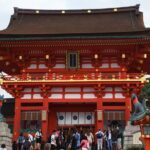
- Fushimi Inari and the Torii-Gate Approach
- Sanjusangendo and the 1,001-Statue Moment
- Kiyomizu-dera and the UNESCO-Class View Factor
- Sannenzaka and Ninenzaka Old Streets
- Gion: Culture on Foot (Not Just a Name on a Map)
- Daimonji and Temple-Shrine Context on the Way Up
- Philosophers Path and Ginkaku-ji Style Stops
- Maruyama Park and Geisha-Era Clues
- The Real Value: What Your Guide Adds Beyond Walking
- You get clarity on shrines and temples
- You move more efficiently
- You get food and local “what next” advice
- Price, Duration, and When This Tour Makes Financial Sense
- Logistics That Matter on a Foot-Heavy Day
- Who This Kyoto Tour Fits Best
- Should You Book This Private Custom Walking Tour?
- FAQ
- How long is the Kyoto private custom walking tour?
- Is the tour private?
- Where do we meet?
- What languages are the guides available in?
- Can the tour be customized to include a museum?
- Are tickets to temples or attractions included?
- Is food or drinks included?
- Is local transportation included?
- Is the tour wheelchair accessible?
- What is the cancellation policy?
- Is there a way to reserve without paying right now?
Key Things I’d Prioritize Before Booking

- Private and customizable route that can include the main sights you name, plus extras your guide thinks you’ll enjoy
- Local guidance that explains what you’re seeing at Kyoto’s shrines and temples, not just dates and facts
- Foot-first touring with walking plus optional public transport, so you’re not stuck behind a windshield
- Multi-language guides (Spanish, English, French, Italian) for smoother conversations
- Ticket help available so you’re not piecing together entry times on your own
- After-walk recommendations that can include where to eat and how to keep moving around efficiently
A Private Kyoto Walk You Can Shape in Real Time
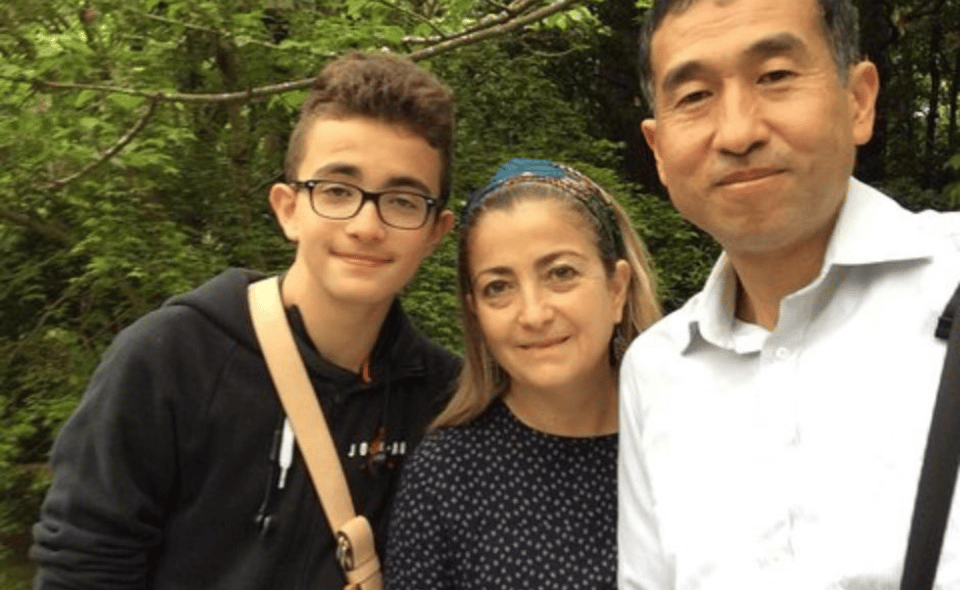
Kyoto can overwhelm you fast—temples, lanes, signs, ticket lines, and “how do I get there?” questions all at once. This tour helps you turn that chaos into a plan that makes sense day by day. Because it’s private, you’re not reacting to a group schedule. You’re responding to your own energy, interests, and comfort level.
I especially like that you’re not forced into an either/or choice: you can aim for iconic stops and still leave room for the neighborhoods that make Kyoto feel like Kyoto. A guide can also adapt if your legs slow down or if you want more time at a view, a photo spot, or a specific temple garden exterior.
You can also read our reviews of more walking tours in Kyoto

What “Custom” Really Means Here
“Custom” is a big word. In practice, it means your guide treats the day like a draft you edit together.
You can choose what to focus on, including whether you want a museum visit. That matters because Kyoto isn’t only architecture and incense smoke—it’s also objects, stories, and collections that explain how traditions formed. If museums are on your list, tell your guide ahead of time so the pacing doesn’t feel rushed or tacked on at the end.
It also means you can design your route around your priorities:
- Iconic shrine-and-temple icons for first timers
- Less crowded streets and viewpoint breaks
- Family-friendly timing if you’re traveling with kids
- Photo stops when you care about angles, not just checklists
In real life, one guide example shows how this plays out: Wajid’s approach paced major sights like Fushimi Inari and Kiyomizu-dera while still leaving time to wander through old streets such as Sannenzaka and Ninenzaka, then end at Maruyama Park. That combination is exactly why customization is worth paying for.
The Kyoto Stops That Fit This Style of Day
This tour is built around walking, sightseeing, and guided explanation of what you see outdoors—plus optional museum time if you request it. Your exact route can vary, but there are several stops that commonly work well for this format, especially if your guide is tailoring your day to your interests.
Fushimi Inari and the Torii-Gate Approach
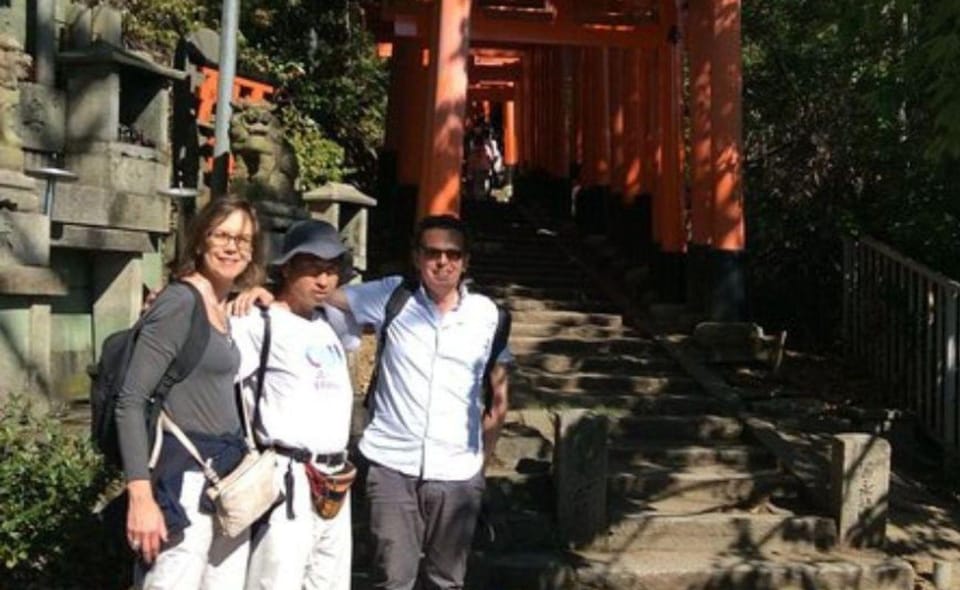
If you go to Kyoto for one unforgettable walk, Fushimi Inari is hard to beat. Expect time in the shrine area and a guided sense of what the torii gates represent and how the space is organized. When the pacing is right, you don’t just walk through the gates—you understand why the setting feels so purposeful.
A practical tip I’ve learned from guide-led pacing: ask your guide where to start for the best flow. Even on a day with crowds, a guide can often adjust your route so you’re not fighting foot traffic the whole time.
Sanjusangendo and the 1,001-Statue Moment
Sanjusangendo is one of those places that can feel overwhelming if you’re standing there without context. With a guide, it becomes easier to notice patterns, scale, and what the statues are meant to communicate.
For example, one guide (Wajid) explained the significance of the 1,001 Buddha statues in a way that made the visit feel like more than a quick stop. That’s the kind of difference a guide can make when you want meaning, not just photos.
You can also read our reviews of more guided tours in Kyoto


Kiyomizu-dera and the UNESCO-Class View Factor
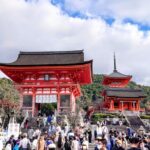
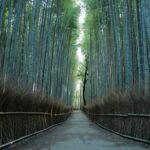
Kiyomizu-dera is famous for a reason: the views and the dramatic setting can be jaw-dropping. The challenge is that it’s also a magnet for large crowds.
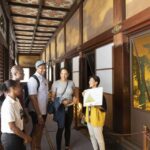
With a guide, you can often get a better sense of how the site is arranged and when it’s worth slowing down to look. One tour experience described Kiyomizu-dera as perfectly paced—enough time to appreciate the space without feeling stuck in a rush.
Sannenzaka and Ninenzaka Old Streets
Kyoto’s old streets are where you notice the details: the slope, the shop-front rhythm, the way people move. These lanes are great for “slow looking” and for learning how the area functions as more than a photo backdrop.
I like that these streets also act as a natural bridge between major sights. You go from a temple or shrine moment into a human-scale walk where you can breathe and reset.
Gion: Culture on Foot (Not Just a Name on a Map)
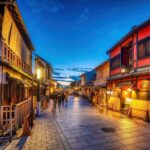
Gion is the Kyoto district most people recognize—but it can still be confusing if you’re trying to connect everything yourself. A good guide helps you understand what you’re seeing, what to expect in terms of activity, and where to take photos without wandering in circles.
One guide example put special emphasis on Gion with a relaxed, discovery-based flow. It’s a good match for couples and solo travelers who want the “story” of the district, not only the most photographed street corner.
Daimonji and Temple-Shrine Context on the Way Up
Not every Kyoto tour includes a viewpoint hike, and not every traveler wants one. But if you want elevation and perspective, Daimonji can be a memorable add-on.
In one described experience, Kevin explained the differences between temples and shrines before the trek, then timed the day around heat. That’s a smart move: context first, then effort, so the walk feels meaningful rather than tiring for no reason.
Philosophers Path and Ginkaku-ji Style Stops
If you like Kyoto that feels quieter and more reflective, the Philosophers Path area fits the mood. Pair it with a stop like Ginkaku-ji (Silver Pavilion) and you get a nice mix of atmosphere and structure.
In one example day, the trek down the mountain transitioned into the Philosophers Path and then Gingakukji, with a guide carefully managing how much information to share. That balance is key—too much talk can crowd your ability to actually see what’s in front of you.
Maruyama Park and Geisha-Era Clues
Finishing near Maruyama Park can feel like a “Kyoto wrap-up” because you’re transitioning from architectural highlights into cultural observation—people, pace, and the way the city shows its traditions.
One guide experience also included learning about geisha culture and spotting something fun along the way, like a Pokémon manhole. It’s the kind of detail you’d likely miss without local guidance.
The Real Value: What Your Guide Adds Beyond Walking
The sights are only half the reason people book a private guide. The other half is what you learn while you’re walking.
You get clarity on shrines and temples
Kyoto’s sacred spaces can look similar at first glance. Guides can explain how temples and shrines differ in practice and meaning, which changes how you interpret gates, halls, and pathways.
That came up in a described tour where your guide would explain temple-vs-shrine basics before heading into more demanding terrain. It’s a small teaching moment, but it makes the rest of the day make more sense.
You move more efficiently
Even a “simple” walking route can be time-warping if you’re trying to figure out entrances, transfers, and best paths. A guide helps you avoid dead ends and unnecessary backtracking.
One described experience highlighted efficiency in how guides take you to key areas. The takeaway for you: efficiency isn’t about rushing. It’s about spending your limited vacation hours where they count.
You get food and local “what next” advice
A surprising benefit in these kinds of tours is the way guides send you off with a plan. In one described day, a guide recommended food after the tour and even dropped guests at an udon restaurant he suggested.
That’s valuable because Kyoto eating spots can be tricky: famous places may be busy, and the best choice depends on what you just did and what time you have left. A good guide helps you choose without guesswork.
Price, Duration, and When This Tour Makes Financial Sense

At $62 per person with options for 2 to 8 hours, you’re paying for a private local experience rather than a generic group walk. Whether that’s a deal for you depends on how you travel.
Here’s how I’d judge value:
- If you’re visiting Kyoto for the first time and you want direction fast, this price often feels worth it because you’re buying time, interpretation, and fewer mistakes.
- If you’re traveling with family, a private guide can pay off by keeping the day running smoothly. One described experience highlighted how a guide adjusted for kids and hot weather.
- If you already know exactly which places you want and you’re okay with self-guided explanations, the value may be less obvious.
A practical note: tickets to attractions aren’t included, so you should expect to pay separate entry fees for paid sites. The tour does offer help to book tickets for desired visits, which can save you stress, but it doesn’t remove all extra costs.
Logistics That Matter on a Foot-Heavy Day
This is a walking tour, with walking being the core of the experience. It also includes walking tour time and public transport when needed (unless you select an option that changes this). Car transport isn’t included, so you’ll be relying on your own legs.
That affects what you pack and how you schedule your day:
- Wear shoes you trust for long walks and uneven surfaces.
- Bring water and plan for heat. One described tour explicitly adjusted for hot conditions, and another mentioned ways the guide kept the pace comfortable.
- Expect that “2 hours” can still feel like real movement, depending on your route and stops.
On the plus side, the meeting setup is designed to reduce friction: hotel pickup is available if you’re staying in the city. If you’re not, you’ll still meet in Kyoto, but you may want to confirm the exact pickup point based on your accommodation.
Who This Kyoto Tour Fits Best
This private custom walking tour is a strong match if you want:
- A first-timer-friendly Kyoto plan that feels personal
- Temple-and-shrine visits explained in plain language
- A route that can flex around your interests, photos, and stamina
- A guide who can share practical tips for getting around and what to do next
It also tends to work well for couples and solo travelers because you can talk as much or as little as you want. For families, it can be especially helpful when a guide adapts pacing and keeps kids comfortable during longer walks.
The one group type I’d think twice about is anyone who can’t do a walking-heavy schedule. The tour is wheelchair accessible, but it still revolves around walking segments, so you’ll want to align your needs with the guide in advance.
Should You Book This Private Custom Walking Tour?
I’d book it if you want Kyoto to feel guided, not improvised. For many people, the biggest win is having someone explain what you’re seeing while also helping you move efficiently between classic sights and more relaxed areas.
If you’re the type who enjoys research on your own and you don’t need interpretation, you might be fine self-guiding. But if you want clarity, convenience, and a day that adapts—this is the style of tour that turns Kyoto from a list into an experience.
FAQ

How long is the Kyoto private custom walking tour?
It runs for 2 to 8 hours, depending on the option you choose.
Is the tour private?
Yes. It’s a private group tour.
Where do we meet?
Pickup is listed as Kyoto, and hotel pickup is included if your accommodation is located in the city.
What languages are the guides available in?
Guides are available in Spanish, English, French, and Italian.
Can the tour be customized to include a museum?
Yes. The tour can be adapted to your interests, including adding a museum visit if you want one.
Are tickets to temples or attractions included?
No. Tickets to attractions are not included, though the provider can help you book tickets for the visits you want.
Is food or drinks included?
No. Drink or food isn’t included.
Is local transportation included?
It’s a walking tour. Walking and public transport are included, except if you select an option that changes transportation details. Car transportation is not included.
Is the tour wheelchair accessible?
Yes, it’s listed as wheelchair accessible.
What is the cancellation policy?
You can cancel up to 24 hours in advance for a full refund.
Is there a way to reserve without paying right now?
Yes. The option Reserve now and pay later is available, so you can keep plans flexible.