REVIEW · KYOTO
Nijo Castle Samurai Inside Story — Top-Rated Guide (Max 8)
Book on Viator →Operated by TripTomo · Bookable on Viator
One castle can change how you read an era. This 3-hour Nijo Castle tour turns the grounds into a story about samurai life and the Edo period, with a small group and admission handled for you. I like that the guide helps you avoid getting turned around at a big site, and I love the way the explanations connect samurai roles to wider Japanese culture. The main catch: it is not a great fit for very small children.
Nijo Castle is one of those Kyoto stops where it’s easy to see buildings and miss meaning. With the right guide, you start noticing the human side: rules, rank, and the pressure behind public power. If you want history told with clarity and lots of real-world context, this format delivers.
You’ll meet at the main gate area and then spend the day’s chunk of time focused only on Nijo Castle. Expect a guided walkthrough plus a short tea break mid-tour, and lots of room for questions with a group size capped at 8.
In This Review
- Key Things You’ll Notice on This Nijo Castle Samurai Tour
- Nijo Castle Samurai Stories: Why This Tour Feels Different
- Getting Oriented: Meeting at the Main Gate and Avoiding Kyoto Time-Waste
- Inside the Grounds: A Focused 3-Hour Walk
- The Samurai Details You’re Meant to Hear
- What the Guide Brings: Richard’s Style of Story + Context
- Tea Break Reality Check: Small Comfort, Right Timing
- Price and Value: Is $98 Reasonable for This Tour?
- Best Use of This Tour: How to Fit It into a Kyoto Plan
- Who Should Book It, and Who Might Skip It
- Practical Notes That Matter Day-Of
- Should You Book the Nijo Castle Samurai Inside Story Tour?
Key Things You’ll Notice on This Nijo Castle Samurai Tour
- Small group of max 8 means you’re not stuck talking to the back of someone’s hat.
- Admission is included so you don’t spend energy hunting ticket steps before you can start.
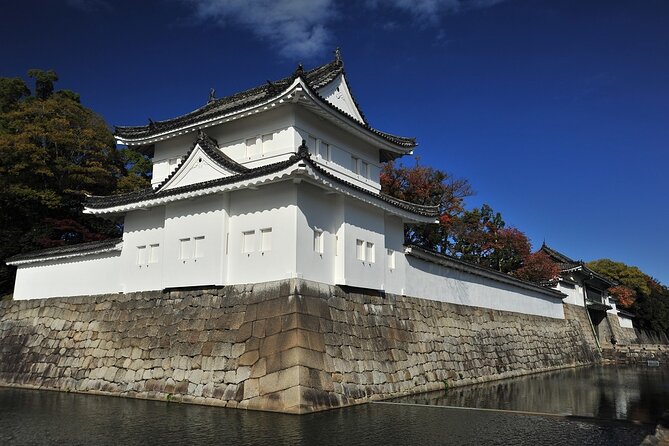
- Meet at the main gate (west side) at the large white gate to get your bearings fast.
- Coffee or tea plus green tea break gives you a breather mid-tour.
- Samurai inside stories cover roles, unspoken rules, and hidden systems on the grounds.
Nijo Castle Samurai Stories: Why This Tour Feels Different
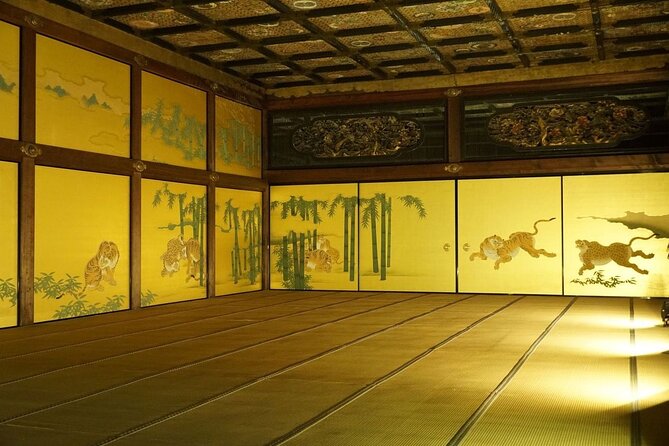
Nijo Castle can be visited like a checklist: walk in, look around, move on. This tour is built for the opposite goal. You come away thinking in terms of how people lived, worked, and controlled power, not just what the buildings look like.
The real strength here is the framing. The guide doesn’t treat samurai history as a museum topic. Instead, you’ll hear secret tales and practical cultural context: how the shogun and the emperor fit into the bigger picture, and what the Edo period meant for everyday life and expectations. That shift matters because Kyoto sites can blur together unless someone gives you a working lens.
I also like the pacing. Three hours is enough time to feel oriented and ask questions, without turning the visit into a full-day slog. And the group size cap keeps the experience from becoming a sound system exercise.
You can also read our reviews of more guided tours in Kyoto


Getting Oriented: Meeting at the Main Gate and Avoiding Kyoto Time-Waste
You start at Nijō Castle, address 541 Nijōjōchō in Nakagyo Ward. The guide meets you in front of the main gate, described as the large white gate on the west side of the castle. That’s not a trivial detail. If you show up alone, it’s easy to lose time figuring out where the flow starts and where your route will actually make sense.
This tour also includes admission for the full course, which helps a lot when you’re on a tight itinerary. Instead of splitting your focus between ticket steps and walking, you can focus on learning from the first minutes. It’s a small thing, but it’s one of the best ways to get value from a short 3-hour window.
If you like your travel days calm and efficient, you’ll appreciate the structure. The end point is back at the meeting area, so you’re not left guessing where to go next.
Inside the Grounds: A Focused 3-Hour Walk
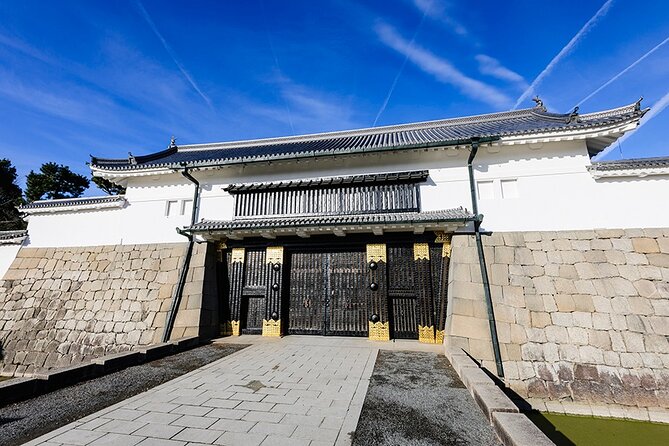
This experience is a single-stop tour centered entirely on Nijo Castle. Around the 3-hour mark, your time is spent walking the castle grounds with a guide who keeps the attention on story and meaning.
Here’s what that means in practice:
- You’ll get a guided walkthrough of the samurai-connected side of the castle.
- The guide’s explanations aim to bring samurai life into focus through the castle’s layout and the way people would have moved and behaved.
- You’ll learn cultural context as you go, so the details you hear don’t feel random.
The biggest benefit of this kind of single-site structure is continuity. You’re not jumping between locations and resetting your brain every hour. You get to build a mental map, then layer in “why it matters” as you progress.
The Samurai Details You’re Meant to Hear
The tour’s promise is pretty specific: secret roles of samurai, unspoken rules, and hidden systems. That type of content is what turns a scenic site into a cultural lesson you can actually carry home.
From what you’ll be guided through, you can expect a mix of:
- Human rules: how people likely behaved under hierarchy and expectation
- Power structures: how samurai roles relate to the bigger political reality
- Cultural connections: how these ideas show up in Japanese society
What I like about this approach is that it answers the questions you might not know to ask. You might look at a castle and wonder how it worked as a system of authority. This tour pushes beyond surface description into explanations that give you a “read” on the place.
And you’ll get chances to ask questions. The guide is known for clear English and for answering curiosities about Japan, not just reciting facts.
What the Guide Brings: Richard’s Style of Story + Context
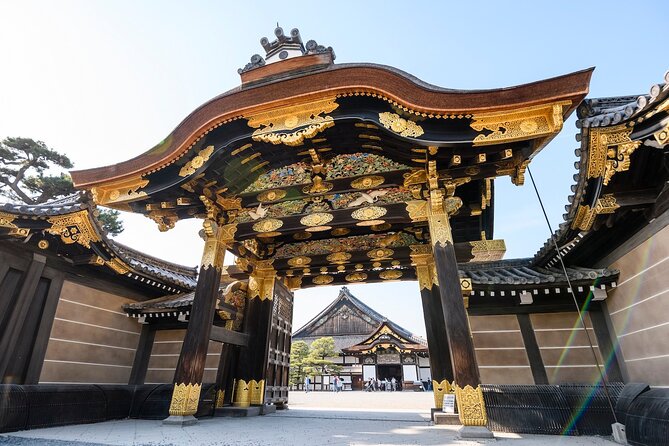
One standout detail: the guide’s name is Richard, and he comes through in the way the tour is described. The tone is enthusiastic and personal, not stiff or scripted. He’s also described as thorough, and that matters on sites where the context is the difference between a quick look and a real understanding.
This kind of guide helps you compare what you see to what it meant. For example, you’ll hear about the shogun, the emperor, and the Edo period, and how those forces shaped the environment you’re standing in. That’s the practical payoff. Instead of learning one isolated fact, you build a thread you can follow as you keep visiting Kyoto’s big historic sites.
If you enjoy asking questions, this is especially rewarding. You’re not forced into a rigid lecture-only format. You can press for clarification and get direct responses.





Tea Break Reality Check: Small Comfort, Right Timing
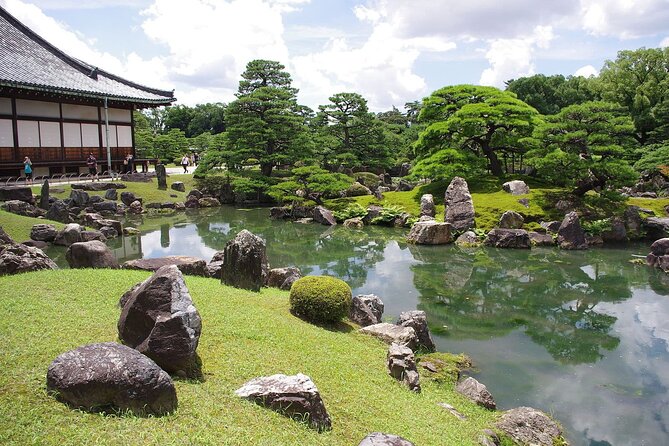
Halfway through the tour, you’ll have a break with coffee and/or tea, including green tea. That’s useful for two reasons.
First, it keeps the 3-hour experience from feeling like nonstop walking and listening. Second, it gives you a moment to reset and absorb what you just heard. When a guide is talking about culture and hierarchy, your brain needs time to place it into order.
It’s not a long stop, but it’s a smart one. You end the tour with energy, not fatigue.
Price and Value: Is $98 Reasonable for This Tour?
$98 per person for a 3-hour, small-group tour in Kyoto can feel either expensive or fair, depending on what’s included. Here, the value case is pretty clear on paper:
- Admission for Nijo Castle is included
- Coffee/tea (including green tea) is included
- Group size is capped at 8
- You get a guide-led orientation and explanations that would be hard to DIY in a short time
If you’re the type of traveler who likes to read signage slowly, you can still enjoy Nijo Castle on your own. But with a time constraint, guided context often wins. You’re paying for interpretation and friction removal—especially not having to figure out entry steps and best routes while also trying to understand the cultural stakes of what you’re seeing.
Also, $98 for 3 hours means you’re not buying an all-day event. You can pair this with other Kyoto sights and keep your schedule under control.
Best Use of This Tour: How to Fit It into a Kyoto Plan
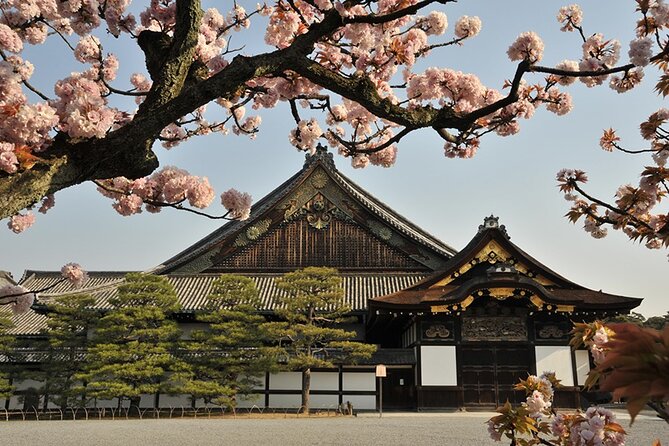
This tour is ideal when you want depth without losing your whole day. Because it ends back at the meeting point, it’s easy to continue your day nearby.
It’s also a good pairing if you plan to visit the Imperial Palace area the same day. The guided context here helps you understand how different power centers relate in Japanese history, so your next stop won’t feel like a brand-new story from scratch.
If you’re taking on multiple sites in Kyoto, pick one that gives you a framework. This tour can be that framework for samurai-era ideas.
Who Should Book It, and Who Might Skip It
This is a strong choice if:
- You want a focused, 3-hour deepening of Nijo Castle
- You prefer a guide-led experience with a small group size
- You enjoy learning cultural context, not just looking at buildings
- You like asking questions and getting direct answers in English
It may be less ideal if:
- You’re traveling with very young children, since it’s not recommended for small children
- You’re hoping for a fully private one-on-one experience, since the group is capped at 8
Also, if you hate walking around active historic sites, note that the experience is a guided walkthrough over the full 3-hour window. It’s not described as sitting-only.
Practical Notes That Matter Day-Of
This experience uses a mobile ticket, so you’ll want your phone ready. You’ll also get confirmation at booking time. The meeting point is near public transportation, which helps if you’re juggling Kyoto transit lines.
Finally, this activity depends on good weather. If weather cancels it, you should expect either an alternate date or a full refund.
Should You Book the Nijo Castle Samurai Inside Story Tour?
If you’re in Kyoto for a short stretch and want to turn Nijo Castle from a photo stop into a real understanding of samurai-era power, this is an easy yes. The combination of admission included, a small group, and a guide like Richard who explains samurai roles and the broader shogun-emperor-Edo picture gives you strong value for the time.
I’d especially recommend it if you tend to feel lost at big sites or if you want your history to answer the question behind the question: how did this place function for the people living inside its system?