REVIEW · KYOTO
Kyoto Ramen Spoon Painting & Michelin Cooking Class
Book on Viator →Operated by 無双心ラーメンアカデミー · Bookable on Viator
Kyoto can be a lot of things at once.
This class is a mash-up that makes sense: you create a ramen spoon souvenir and then cook real ramen in the same day, taught by the team behind Musoshin Ramen Academy. I like the step-by-step coaching from Master Shin (and his assistants), and I love that the ramen is built from scratch with in-house noodles and long-simmered soup. One thing to consider: this is not a quick “grab-and-go” cooking demo—there’s real work, and you’ll want to show up with a little patience.
You also get a small-group feel (max 12), which matters in a hands-on kitchen. I appreciate how they keep the class structured enough for adults and kids, and how people get time to paint and cook without feeling rushed. The main drawback is time: the workshop runs about 1 hour 30 minutes, so you’ll be learning and cooking at a steady pace rather than lingering for extra questions.
In This Review
- Key points I’d plan for
- A ramen spoon you’ll actually want to keep
- Meet the team behind Musoshin Ramen Academy
- The rhythm of the day: temples, then the kitchen
- Kiyomizu-dera Temple: the classic Kyoto start
- Kennin-ji Temple: a calmer, more grounded stop
- Sanjusangendo Temple: visual impact before the meal
- The cooking portion: why this class feels different
- What you’re taught (and why it matters)
- Master Shin and the teaching energy
- Ingredients built from scratch: noodles, soup, tare
- What you’ll cook: ramen you can actually serve
- The spoon souvenir: turning art into a ramen memory
- Duration and group size: why it feels personal
- Price and value: $65.89 worth it?
- Best fit: who should book this class
- Quick practical tips before you go
- Should you book the Kyoto Ramen Spoon Painting & Michelin Cooking Class?
- FAQ
- What exactly do I make in this class?
- How long does the experience last?
- Is this a small group?
- Who runs the cooking class?
- Do they offer vegetarian or vegan options?
- What ingredients are used?
- Where do I meet, and where does it end?
Key points I’d plan for
- Ceramic ramen spoon painting that gets kiln-fired overnight, so you can take home a finished souvenir
- Chef-led ramen method, with attention to the components and how they fit together
- In-house ingredients: noodles made every morning and soup simmered for 12 hours
- Small group limit (12 max), which helps you actually cook, not just watch
- You eat what you make, so there’s no end-of-class “what did I get?” letdown
A ramen spoon you’ll actually want to keep
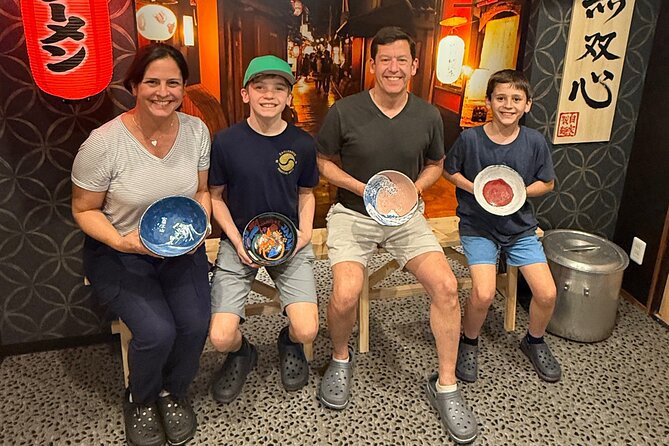
The best part of this experience is that it gives you both sides of ramen culture: the food and the little ritual objects around it. You’ll paint your own ramen spoon in a ramen restaurant setting, then the ceramic piece gets fired in a kiln overnight. That means you don’t have to worry about fragile, half-finished crafts turning into a souvenir that breaks the first day you get home.
The reason this works so well is simple: it’s hands-on from minute one. Painting is relaxing in a way that cooking sometimes isn’t, especially if you’re hungry. And because the spoon is the “thing” you carry with you later, it anchors the memory of the kitchen part.
You can also read our reviews of more cooking classes in Kyoto

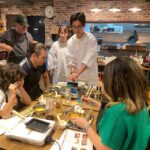
Meet the team behind Musoshin Ramen Academy
This class is run by 無双心ラーメンアカデミー, tied to Musoshin Ramen. Musoshin started in Kyoto in 2022, and it now operates six restaurants across Kyoto and Toronto. Their Toronto location has been nominated for Michelin for three straight years, and the recipe is described as the same.
What I like here is that you’re not learning ramen from someone who just “likes ramen.” You’re learning from people who run restaurants—and make the hard parts themselves. They emphasize that they insist on making ingredients in-house: noodles made every morning, soup cooked for 12 hours, plus handmade ramen soy sauce and roast pork. That long list sounds technical, but in practice it changes the flavor quality of what you’re served at the end.
The rhythm of the day: temples, then the kitchen
Your experience connects Kyoto sightseeing with cooking. You’ll be out around major sights in the Higashiyama area, then shift into a professional ramen kitchen.
Kiyomizu-dera Temple: the classic Kyoto start
The day begins at Kiyomizu-dera Temple. This is a great opener because it instantly sets a “Kyoto” mood—old streets, big temple energy, and the kind of landmark most first-timers recognize. It’s also a good way to build anticipation: you go from the cultural sights to a food experience built around a craft.
A practical note: big temple areas can mean more walking than you expect. Bring comfortable shoes and plan on moving at a steady pace even before the cooking part begins.
Kennin-ji Temple: a calmer, more grounded stop
Next up is Kennin-ji Temple. Compared with some of the most famous Kyoto temples, Kennin-ji often feels a bit more grounded for a short stop like this—something you can actually look at instead of just pass by. You’ll get a change of scenery, which helps when later you’ll be concentrating on ramen details.
You can also read our reviews of more tours and experiences in Kyoto




Sanjusangendo Temple: visual impact before the meal
Finally, you’ll visit Sanjusangendo Temple. This is the kind of place that makes you stop and look longer. Even if you only see it briefly during your day’s flow, the visuals set you up for a hands-on experience where attention to detail actually matters.
The cooking portion: why this class feels different
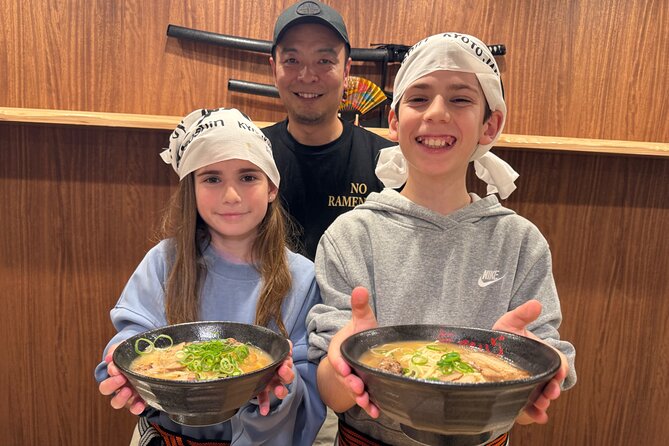
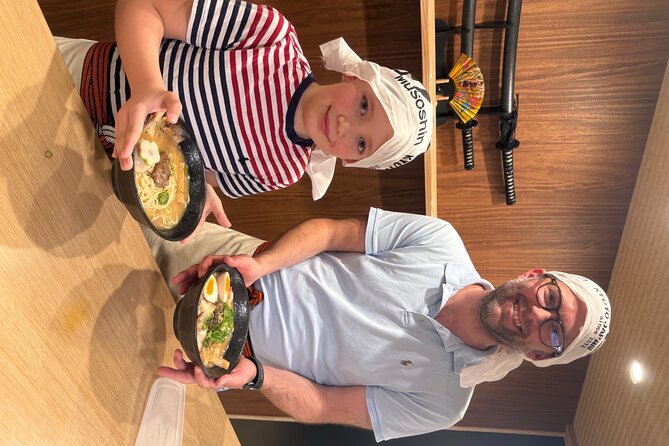
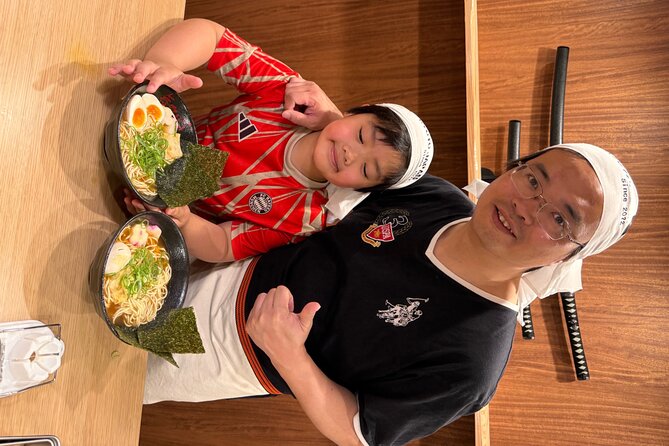
Now you’re in the ramen workshop space run by Musoshin Ramen Academy. The key thing to understand is that this isn’t a lecture. They bring the ingredients from the restaurant, and you cook them. That’s the difference between watching ramen being assembled and learning the method in your own hands.
What you’re taught (and why it matters)
The teaching focuses on ramen as a system: components, timing, and how the flavors connect. In a lot of cooking classes, you get a recipe card and a vague “add this, then that.” Here, the instruction is described as step-by-step, covering the methodology behind ramen, its components, and even the history side of what you’re making.
That structure matters if you want to replicate ramen at home later. If you only learn one “best trick,” your results can still fall flat. When you understand how the soup, tare (sauce base), noodles, and toppings work together, your bowl starts to make sense.
Master Shin and the teaching energy
Multiple classes are described with the same theme: Master Shin stays hands-on and gives careful guidance. Some reviews specifically call out his energy and patience, including how he was gentle and engaging with children. You’ll likely feel that the kitchen staff—Shin plus his assistant team—run the workshop like a real operation, not like a hobby demo.
If you’re the kind of person who asks why something works, this format supports that. If you’re quieter, it also works because they keep the steps moving.
Ingredients built from scratch: noodles, soup, tare
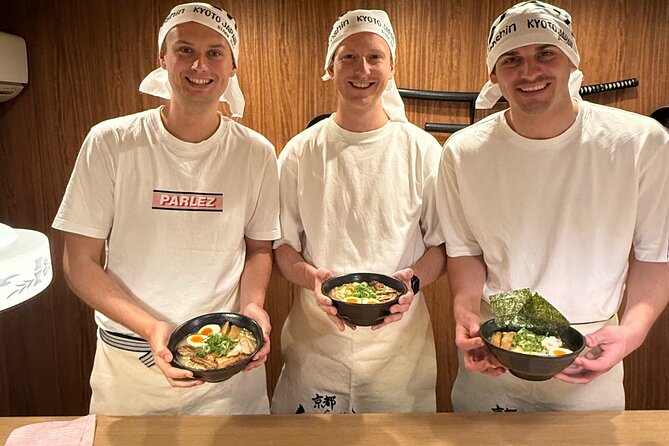
This is where value shows up. The class doesn’t just say ramen is tasty; it explains the work behind it and uses those ingredients in your session.
Here’s what they emphasize they do in-house:
- Noodles: made every morning, then left to sit overnight for the next day’s use
- Soup: cooked for 12 hours
- Ramen soy sauce (tare) and roast pork: handmade
Even if you’re not a ramen nerd, those details explain why their ramen tastes deeper than what you may get elsewhere. Fresh noodles and long-simmered soup change the texture and aroma. Handmade soy sauce and pork help build a more layered flavor base.
Also, the class mentions that Musoshin makes the ingredients in-house and brings them to the workshop. So you’re not stuck trying to recreate everything from scratch in a short time—you’re practicing the method using restaurant-grade components.
What you’ll cook: ramen you can actually serve
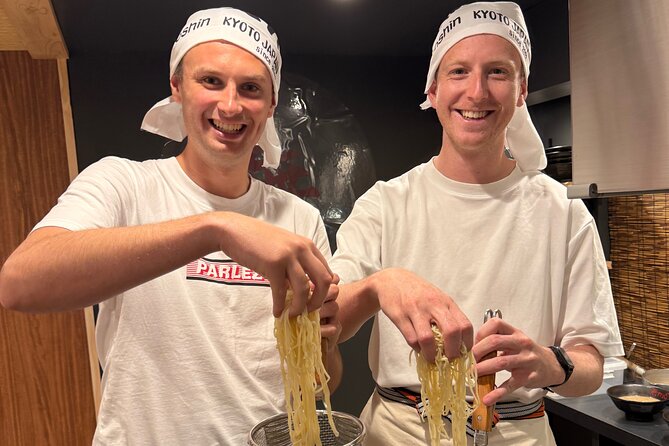
You’ll handle the cooking steps with guidance, then you get to sample your ramen at the end. The experience is built around the idea of no hunger pangs—you don’t end the class wondering if you’ll be hungry later.
You can also expect options beyond one standard bowl. The information you’re given includes that they provide vegetarian choices, and reviews mention vegetarian and even vegan options being accommodated. If you have allergies, the class information indicates they handle allergies carefully.
One more detail that helps your confidence: they supply key items like a ramen bowl, ramen spoon, apron, and part of the ramen. That takes pressure off you. You don’t have to guess what’s missing.
The spoon souvenir: turning art into a ramen memory
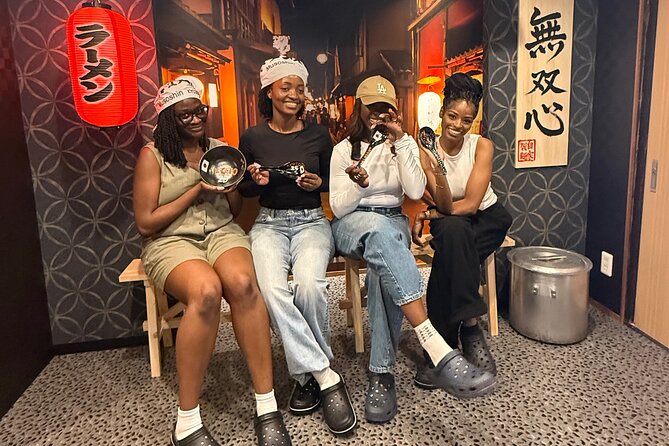
Painting a spoon sounds like a craft add-on until you experience it as part of the theme. The spoon is tied directly to ramen; it’s your daily-life object that will remind you what the class taught. Reviews highlight that the spoon ends up being something people treasure at home, which is the best kind of souvenir: small, useful in your mind, and not just clutter.
Because it’s fired in a kiln overnight, the spoon isn’t just a painted ceramic that could chip immediately. The whole point is to make it durable enough to live with you.
Duration and group size: why it feels personal
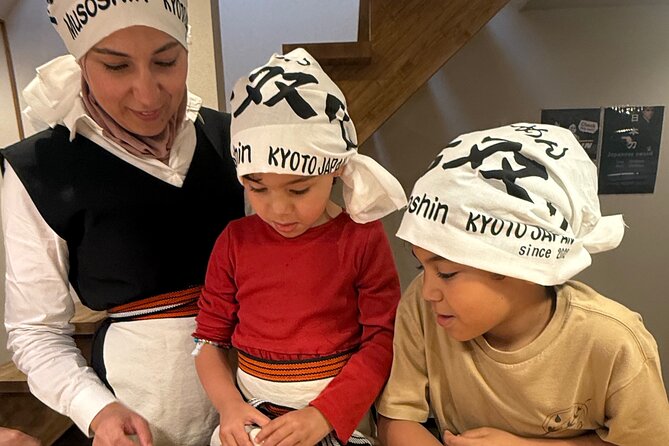
The workshop runs about 1 hour 30 minutes (approx.), and the group size tops out at 12 travelers. That matters for hands-on learning. In a larger class, you might spend half your time waiting your turn. Here, you can actually paint, cook, and get guidance without feeling lost.
This is also why the class works for different groups: adults who love food, families with kids, and anyone who wants a calm, structured way to learn something practical in Kyoto.
Price and value: $65.89 worth it?
At $65.89 per person, you’re paying for more than instruction. You’re paying for:
- chef-led teaching in a pro-style setup
- restaurant-grade ingredients (including 12-hour soup and in-house noodles)
- a souvenir you keep (your kiln-fired spoon)
- the meal you make at the end
If you compare it to “watch-and-snack” demos, this feels more like you’re buying a skill plus dinner plus a take-home item. The time is short, but the output is real: you leave with ramen knowledge you can use and a physical reminder you can hold.
Could it be expensive if you just want sightseeing? Yes. If your goal is only temples and photos, this may feel too food-focused. But if you like ramen, this price starts to look fair fast.
Best fit: who should book this class
This works especially well if you:
- love ramen and want to understand how it’s built, not just taste it
- want a memorable Kyoto activity that’s more than a standard walking tour
- travel with kids or mixed-age groups and want a guided, structured experience
- want vegetarian or vegan-friendly options (the workshop accommodates these styles)
If you hate hands-on cooking, or you’re hoping for a passive experience, you might find the pace demanding. But if you’re curious and game, it’s the kind of activity that turns a food obsession into a skill you can repeat.
Quick practical tips before you go
- Wear comfy shoes for the temple portion and for moving around the workshop area afterward.
- Go in with an appetite. The class is designed so you eat what you make.
- Expect real steps, not a slideshow. You’ll cook with guidance, so pay attention early.
- If you have dietary needs, plan to mention them clearly. The class indicates vegetarian/vegan options and allergy handling.
Should you book the Kyoto Ramen Spoon Painting & Michelin Cooking Class?
Yes—book it if ramen is your thing and you want a Kyoto memory that isn’t just a photo. The spoon souvenir makes it tangible, and the cooking portion feels backed by restaurant-level process (in-house noodles, long-simmered soup, handmade sauce and pork). Add the small-group size, and you get a class where you’re not just standing around.
Skip it only if you want pure sightseeing time with minimal effort. This experience asks you to participate. If you’re okay with that trade, it’s a strong value for the combination of craft, cooking instruction, and the meal you finish.
The cooking staff’s energy—especially the way Master Shin and his team teach and guide—sounds like the secret ingredient. And for a ramen lover, that’s not a small deal.
FAQ
What exactly do I make in this class?
You paint your own ramen spoon, and you also cook ramen. At the end, you sample the ramen you helped prepare. The spoon is fired in a kiln overnight so it can work as a souvenir.
How long does the experience last?
The experience runs for about 1 hour 30 minutes.
Is this a small group?
Yes. The group size is limited to a maximum of 12 travelers.
Who runs the cooking class?
It’s run by 無双心ラーメンアカデミー (Musoshin Ramen Academy), connected to Musoshin Ramen. The class highlights chefs and staff including Master Shin.
Do they offer vegetarian or vegan options?
Yes. The class information indicates vegetarian options, and the workshop can provide vegan/vegetarian styles.
What ingredients are used?
They emphasize that they make key components in-house, including noodles made every morning, soup cooked for 12 hours, and handmade ramen soy sauce and roast pork. Ingredients are brought from the restaurant for the workshop.
Where do I meet, and where does it end?
The meeting point is 440-5 Nishigomonchō, Higashiyama Ward, Kyoto, 605-0816, Japan, and the activity ends back at the meeting point. The meeting point is near public transportation.