REVIEW · KYOTO
Kyoto: Replica food making experience
Book on GetYourGuide →Operated by JEUGIA Corporation · Bookable on GetYourGuide
Replica food should be illegal fun. In Kyoto, you’ll craft lifelike replicas with melted wax and walk out with a souvenir that looks real.
I especially love the hands-on format: you’re not just watching, you’re making. And I really like that your finished tempura comes packaged like a supermarket item, so the keepsake feels complete, not like a half-finished craft.
One thing to consider: it’s a display-food workshop, not a snack run. The process uses hot wax, and you should expect to keep it for looks only, not dinner.
In This Review
- Key things to know before you go
- Kyoto’s replica food culture, explained the hands-on way
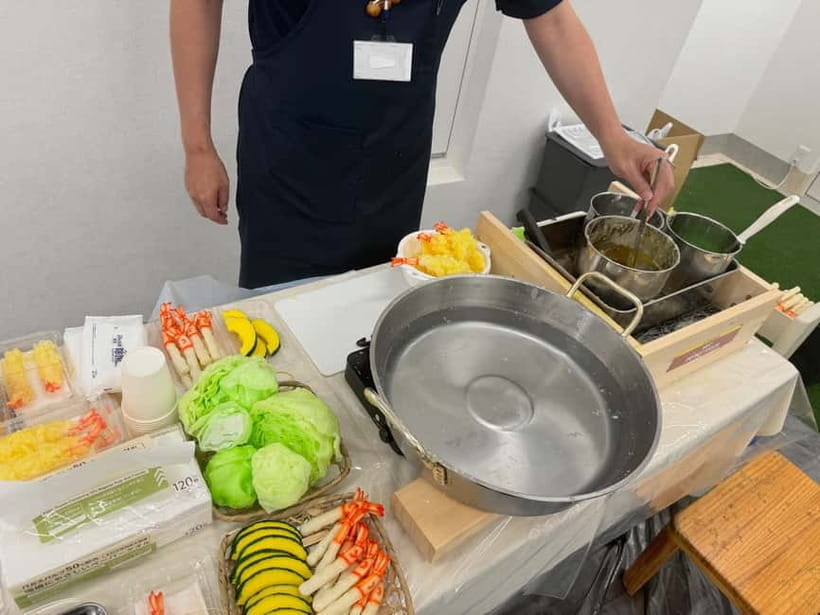
- What you’ll make: shrimp and pumpkin tempura, plus optional lettuce
- The workshop process: how the wax trick creates real-looking texture
- Getting the most out of a small-group session of 4
- Your finished souvenir: packaged like real food samples
- Where you meet in Kyoto: diagonally across from Kani Douraku
- Price and value: is $22 for an hour worth it?
- Who should book this workshop (and who should skip it)
- Final thoughts: should you book this Kyoto replica food workshop?
- FAQ
- What exactly do I make in the Kyoto replica food experience?
- How long is the workshop?
- How much does it cost?
- What language is the instruction available in?
- Is the group small?
- Do I get to take the replica food home?
- Is the replica food edible?
- Is there an age limit?
- Can I cancel or change my plans?
Key things to know before you go
- You’ll make shrimp and pumpkin tempura replicas using melted wax and a realistic batter wrap
- Lettuce is an optional extra if you want a different display item
- Small group size (up to 4) means more direct help and patience when you need it
- You take your sample home in packaging that looks like the real supermarket-style display items
- Instructors work in English and Japanese, so you’re not stuck guessing instructions
- Arrive at your reserved time so they can explain the steps all at once and keep the workshop on pace
Kyoto’s replica food culture, explained the hands-on way
Kyoto has a huge visual culture of food. You’ll spot it outside restaurants: plastic-looking dishes in the window, arranged like a tiny menu. It’s not a trend for tourists. It’s a working system locals use so you can choose fast—especially when language is a barrier or a place is busy.
This workshop turns that window-shopping idea into a craft lesson. In about an hour, you learn why replica food exists and then you practice the technique that makes it convincing. The best part is that you end up with a personal item, not just photos of one.
And yes, it’s strangely satisfying. You shape wax, wrap it, adjust texture, and suddenly your project starts looking like a bowl you’d see at a shop.
You can also read our reviews of more food & drink experiences in Kyoto

What you’ll make: shrimp and pumpkin tempura, plus optional lettuce
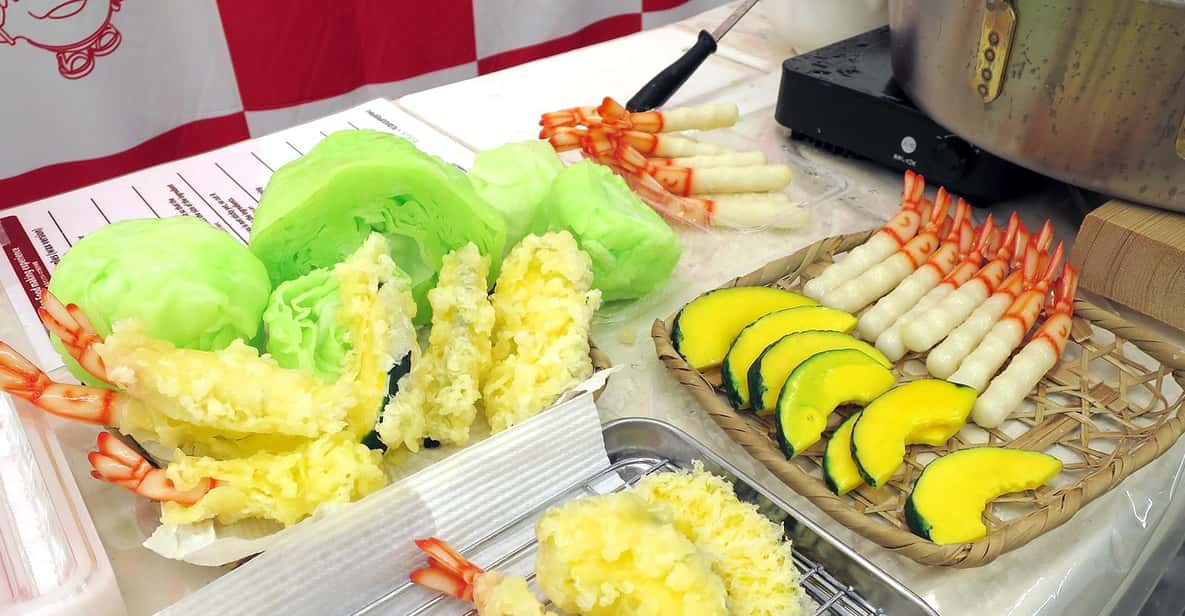
Your core project is shrimp and pumpkin tempura replicas. The process is built around those two textures: shrimp is delicate and curved, and pumpkin brings the rounded, soft edge look that sells the illusion.
You’ll learn to:
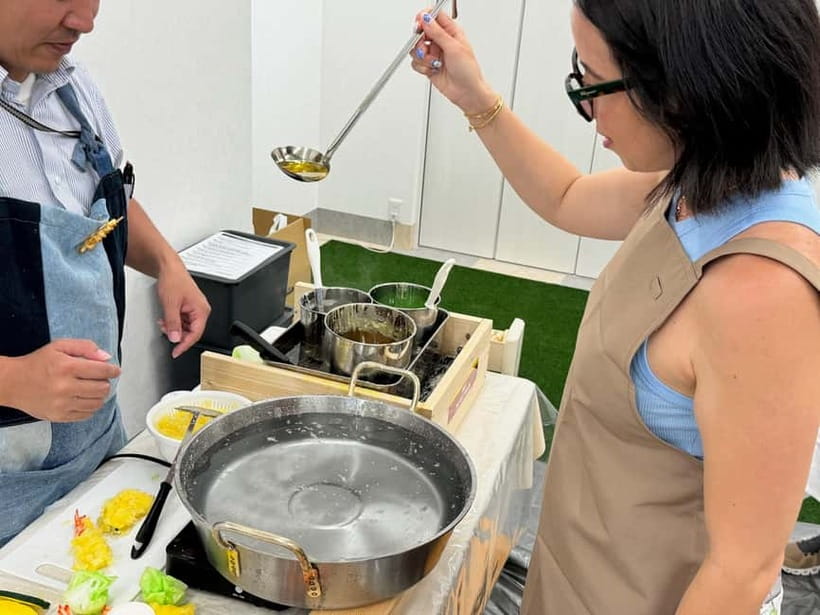
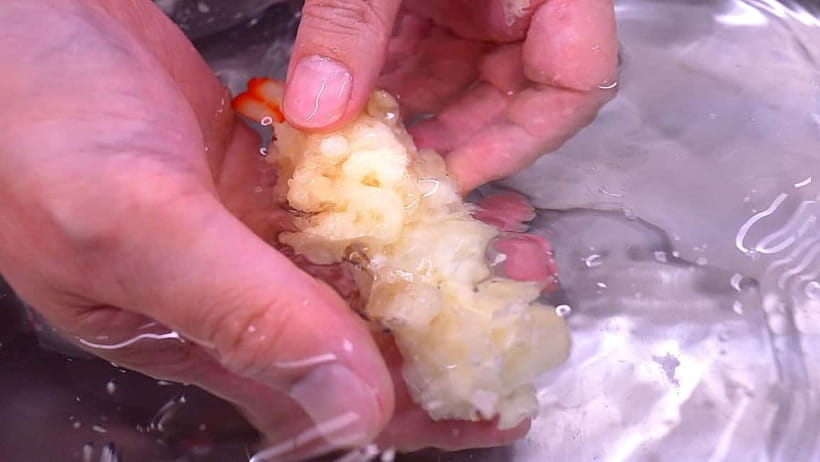
- Pour melted wax into hot water and shape it before it hardens
- Wrap the shrimp and pumpkin in a realistic batter look
- Finish with a display-ready result
There’s also an option to make a lettuce replica. If you like the idea of building a more colorful mini set, this is a fun add-on, and it helps your final souvenir look less like a single item and more like a real food lineup.
The workshop process: how the wax trick creates real-looking texture
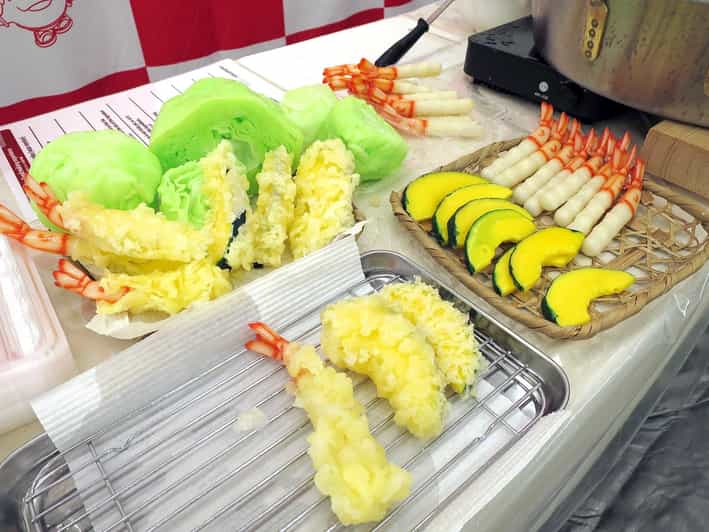
This isn’t complicated in theory, but it’s detailed in practice. The timing and your hand control matter, because you’re creating shape and texture before things set.
Here’s the basic flow you should expect:
- Orientation and step briefing: arrive at your reserved time so the instructor can explain everything in one run. The pace stays friendly, but they don’t want you drifting in late and missing the overall method.
- Wax shaping stage: you pour melted wax into hot water and shape it before it hardens. That step is the heart of the look. You’re making the “inside” shape that later gets dressed up.
- Batter wrap stage: once the wax form is ready, you wrap the shrimp and pumpkin with a batter-like layer. This is where your item starts to look like tempura, not like a wax sculpture.
What surprised me in the feedback from other guests is how rewarding it feels once your piece takes shape. People repeatedly mention how much fun it is—because you can see progress quickly—and how helpful the instructors are when something looks slightly off.
Also, don’t stress about perfection. This is a craft workshop with guidance, not a test.
Getting the most out of a small-group session of 4
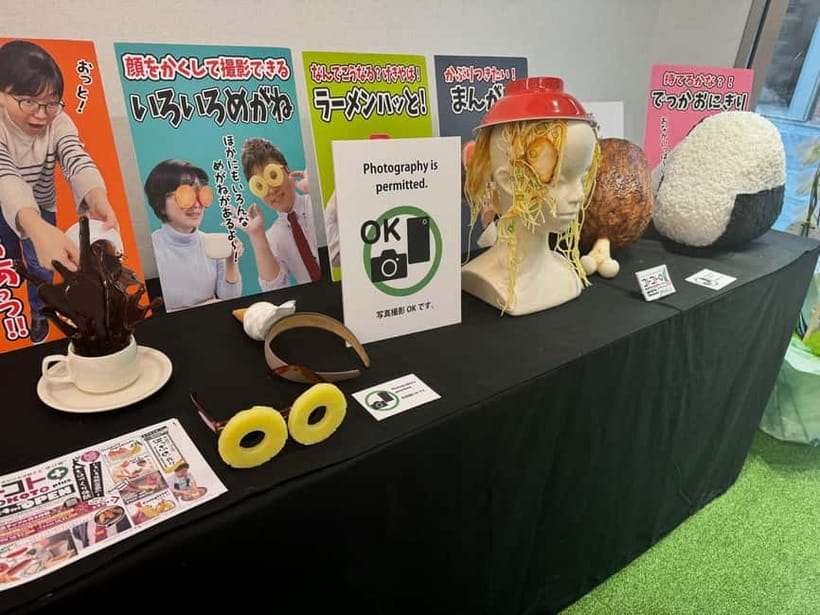
This is limited to 4 participants, and that small number matters. You’re more likely to get hands-on help when you’re unsure about the texture or the timing of setting. In a class with more people, that kind of correction becomes general advice. Here, it’s more practical.
Language support is English and Japanese. If you’re not fluent, you’ll still be okay. The instructor can explain the steps clearly, and you’ll also see the process as it’s demonstrated. In at least some cases, guests have relied on translation tools, but the core instructions are straightforward enough to follow.
Because it’s a working workshop (hot water, wax, shaping), you should listen when the instructor explains the flow. Arriving on time helps you get the whole method, then you can relax into doing the steps instead of catching up.
Your finished souvenir: packaged like real food samples
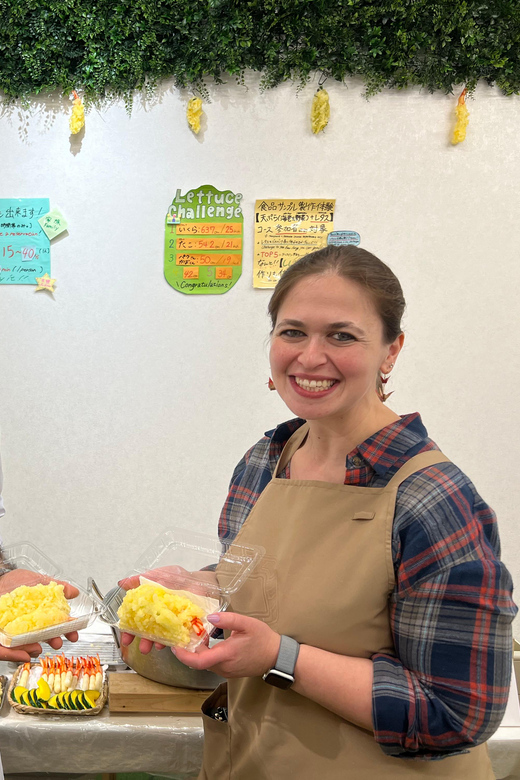
The takeaway is one of the biggest reasons people love this experience. You don’t just leave with a made item. You take home a food sample in packaging that resembles what you’d see in a supermarket.
That packaging detail is more than cute branding. It makes your souvenir feel like a real product you could have picked up in Japan. It also protects your replica during travel, which is a practical win if you’re trying to fit everything in your suitcase.
One more important note: these replicas are for display only. They’re not meant to be served as food. It’s easy to see why people might forget, since they can look convincing, but the workshop explicitly warns you not to eat it by mistake.
You can also read our reviews of more tours and experiences in Kyoto


Where you meet in Kyoto: diagonally across from Kani Douraku
Your meeting point is simple once you know the landmark. Meet diagonally across from Kani Douraku, the place with the large crab sign.
That matters because Kyoto streets can feel like a maze at first. A big visual landmark helps you arrive calm and ready. After the workshop, you’re also in a good spot to keep moving—Sanjo Meiten-gai has plenty nearby for a post-class treat.
If you want a smart plan, do the workshop first, then go eat something real afterward. Several guests mention they wound up craving the real food nearby once they were done with their replicas, especially after tempura-making.
Price and value: is $22 for an hour worth it?
At $22 per person for about one hour, this isn’t a budget-buster and it’s not a spend-heavy “souvenir-only” stop either. You’re paying for three things that matter:
- Instruction and guidance for a technique you can’t easily copy at home
- All materials included, including the wax and setup needed for the process
- A take-home replica packaged like a real display item
If your goal is to buy a typical Kyoto trinket, this may feel pricey. But if you like hands-on experiences and want an item that looks like something you’d actually see outside restaurants, the value makes sense fast.
Also, the small group is part of the price logic. More attention per person is usually what you pay for in craft workshops, and here it’s built into the format.
Who should book this workshop (and who should skip it)
This works best if you:
- Want a hands-on break from temples and long sightseeing days
- Like craft experiences and don’t mind using your hands
- Want a unique souvenir that’s genuinely different from keychains and chopsticks
It’s also a good fit for families with older kids. Multiple guests mention kids being engaged, and there’s even a callout that parental assistance may be needed with children. That tells you this isn’t a drop-off style activity.
Skip it (or choose another activity) if you:
- Want something to eat or expect to end up with a snack
- Are traveling with very young kids, because it’s not suitable for children under 6
- Hate any chance of mess. Wax and hot water are part of the method, and while you’ll get aprons and the process is managed, you should still dress with caution
One practical tip that comes up in the experience: plan for the possibility of wax on clothes, and use the aprons/chef jackets provided.
Final thoughts: should you book this Kyoto replica food workshop?
If you want a short, fun, Japan-specific experience with a real skill and a take-home result, I think this is a smart booking. It’s fast enough to slot into a day of sightseeing, detailed enough to feel like more than a gimmick, and the final souvenir looks convincing in a way that’s hard to recreate elsewhere.
Book it if you’re curious about Japan’s replica sample culture and you like learning by doing. Pass if you only want edible food or you’re traveling with very young children who can’t safely handle the hot-wax style craft environment.
FAQ
What exactly do I make in the Kyoto replica food experience?
You’ll make shrimp and pumpkin tempura replicas using melted wax. You can also choose lettuce as an additional option.
How long is the workshop?
The experience lasts about 1 hour.
How much does it cost?
It’s listed at $22 per person.
What language is the instruction available in?
The instructor teaches in English and Japanese.
Is the group small?
Yes. The workshop is limited to a small group of up to 4 participants.
Do I get to take the replica food home?
Yes. You take home the replica food you make as a souvenir, packaged like real items.
Is the replica food edible?
No. These replicas are for display only and should not be served as food.
Is there an age limit?
Yes. It’s not suitable for children under 6 years.
Can I cancel or change my plans?
You can cancel up to 24 hours in advance for a full refund. You can also reserve now and pay later.