REVIEW · KYOTO
Kyoto Matcha Green Tea Tour
Book on GetYourGuide →Operated by Arigato Travel KK · Bookable on GetYourGuide
Matcha taste starts with Uji. I love the hands-on matcha making and the Byodoin Temple visit in just three hours, and I like how the guide turns tea into real stories you can taste. One possible drawback: you meet at Keihan Uji station (not JR), and the tour won’t wait long if you’re late.
This is a small-group, English-led stroll through Uji’s tea world—tea shops, the Uji River area, and World Heritage stops—then it ends with a proper tasting. You’re not stuck on a rushed bus circuit. You get multiple bites (including matcha ice cream) and shopping time, which is a lot for a 3-hour outing.
In This Review
- Key points to know before you go
- Why Uji is the matcha stop for Kyoto
- Getting to the meeting point: Keihan Uji station only
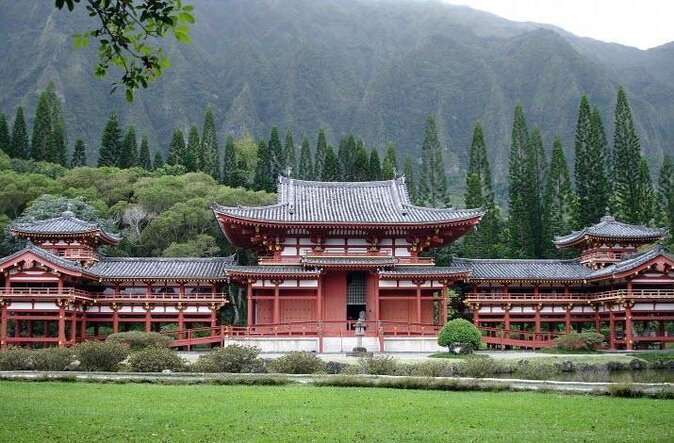
- World Heritage moments: Byodoin Temple and a shrine stop
- Uji on foot: tea shops, river air, and what you’ll notice
- Lunch and tea-town treats: soba, matcha desserts, and more
- The hands-on heart: matcha making you can repeat later
- Guide quality and pacing: what small-group means in practice
- Price and value: does $173 make sense?
- Who should book this tour, and who might want to pass
- Should you book the Kyoto Matcha Green Tea Tour?
- FAQ
- Where is the meeting point for the Kyoto Matcha Green Tea Tour?
- How long is the tour?
- Is this a small group tour?
- Is hotel pick-up included?
- What is included in the food and matcha experiences?
- Can the tour accommodate dietary requirements?
- Are minors allowed?
Key points to know before you go
- Small group pace that stays relaxed (max 8 people)
- Byodoin Temple + shrine time to connect tea with place and practice
- Matcha making you actually do, not just watch
- Food variety across multiple stops: soba, wagashi, and matcha ice cream
- Uji River and tea-town walking so you see the town beyond one shop
- Shopping time so you can bring matcha home the same day
Why Uji is the matcha stop for Kyoto
If you’re spending time in Kyoto and only thinking about tea in terms of ceremonies or a single tasting, Uji changes the picture fast. Uji is Kyoto’s tea-making neighbor, and the whole area feels built around that craft. In a few hours you get the basics of how matcha fits into daily life here—where it comes from, how it’s prepared, and how it shows up in food.
I like that this tour doesn’t treat matcha as a novelty drink. You move from streets and landmarks to tea shops to hands-on making. The guide’s job is to connect the dots: what you see in Uji’s older sites, why certain buildings and practices matter, and how that spills into what ends up in your cup and on your plate.
You can also read our reviews of more tours and experiences in Kyoto.



Getting to the meeting point: Keihan Uji station only
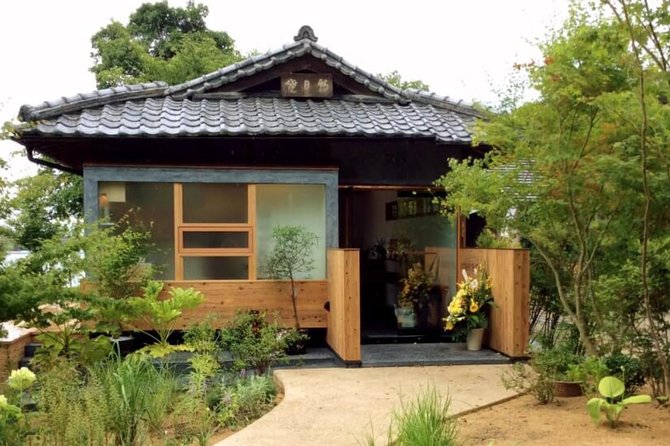
This tour is easy to reach, but you need to start smart. The meeting point is at the entrance of Keihan Uji station (宇治駅)—not the JR Uji station. The address listed is Otsukata Uji, Kyoto 611-0021.
Your guide will be holding a sign. Plan to arrive early because the group can only wait an extra five minutes after the starting time. After that, the tour departs. Once the tour begins, the operator says the guides can’t be given directions or contacted by phone, so show up ready to go.
My practical tip: if you’re coming from Kyoto City, give yourself extra buffer. The area is only about 40 minutes from Kyoto, but station navigation takes real time if you’re walking in from the wrong exit.
World Heritage moments: Byodoin Temple and a shrine stop
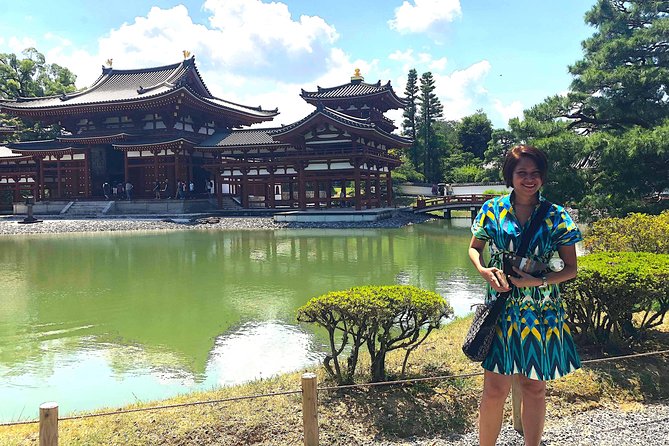
The big “you’re really in Uji” feeling often hits at the World Heritage site. One of the standout landmarks on this tour is Byodoin Temple, which multiple people highlight as beautiful. It’s a great anchor point because it makes the tea story feel grounded. You can’t separate Uji’s reputation from the kind of place where Kyoto’s noble families once spent time.
You’ll also visit a shrine as part of the cultural stops. This matters because shrines and temples change how people see everyday acts—like how you show respect, how you read space, and how tradition continues. If you collect goshuin stamps, you’ll likely want to use that shrine visit for it. One guide explicitly helps with collecting and translation when needed, which makes the experience smoother if you’re not used to shrine customs.
A consideration: religious sites are quiet and rule-heavy. Wear comfortable shoes and keep your pace steady. The tour uses a relaxed walking rhythm, but you still need to behave like you’re in a sacred place.
Uji on foot: tea shops, river air, and what you’ll notice
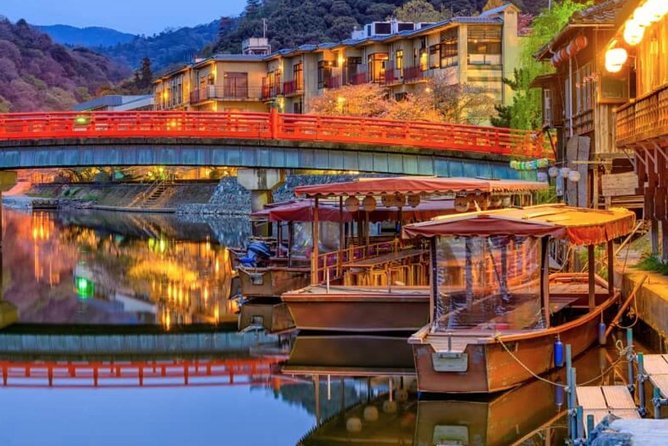
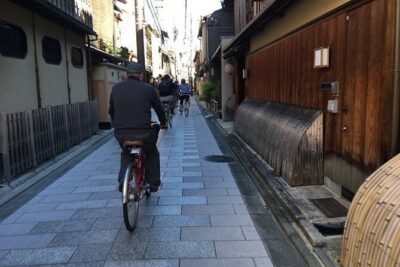
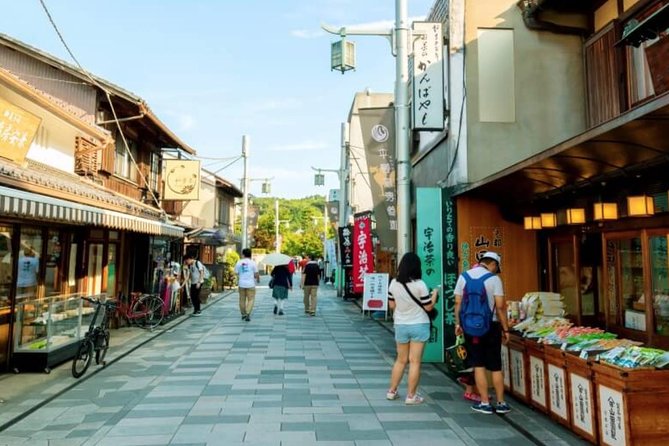
Uji rewards walking. You’ll stroll through the town streets and spend time in and around local tea shops, so you’re not just seeing one attraction and leaving. The tour also includes time near the Uji River area, where the atmosphere shifts from “sightseeing mode” to “tea-town breathing.”
This is where the guide’s storytelling makes the walk useful. You hear about Uji’s past and the characters who shaped the town as it is today. You also learn small practical details that help you look at what you’re seeing: different tea types, how people talk about tea here, and how daily culture connects to what’s served.
If you like food and want context while you eat, this is a good match. You’re moving at a pace that lets you notice things, ask questions, and not feel like you’re getting dragged through Uji like luggage.
Lunch and tea-town treats: soba, matcha desserts, and more
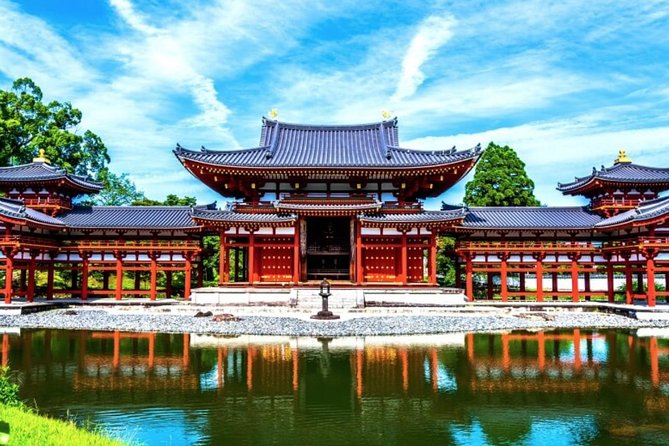
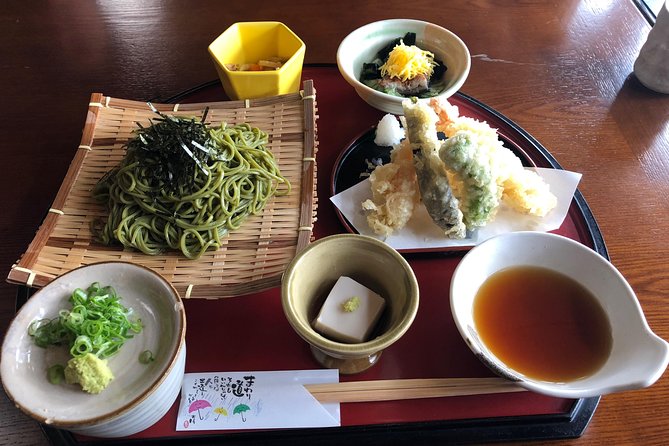
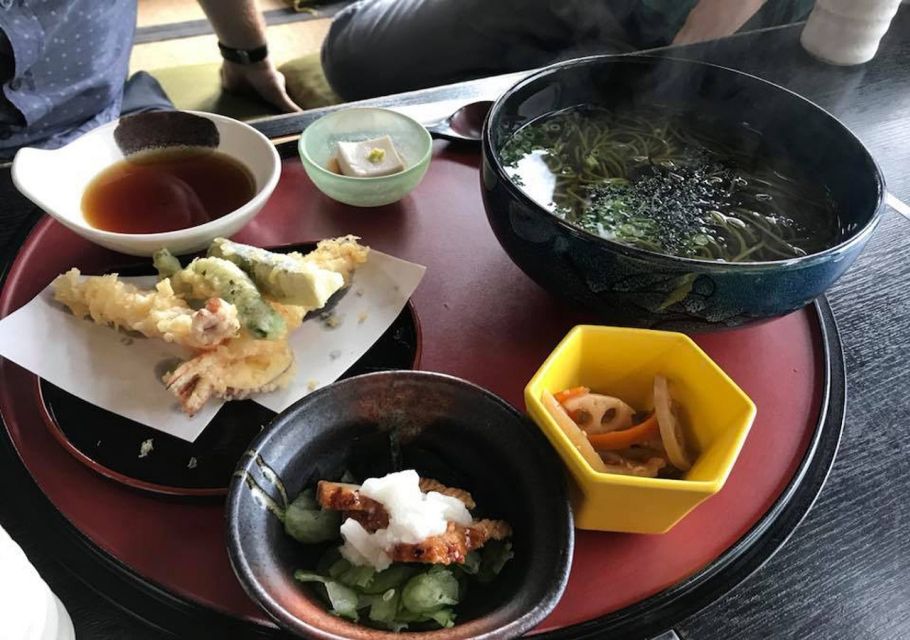
One of the most valuable parts of this tour is that food is not an afterthought. You get variety at multiple food stops, including an actual lunch option. In the experiences people shared, soba lunch shows up—plus matcha-based dishes and sweets.
What I like about this approach is that matcha shows up in different forms. You’re not just tasting matcha in one style. Depending on the day’s stops, you’ll encounter it in savory and sweet ways, which helps you understand the flavor beyond one mug.
A couple of the most repeatedly loved items:
- Matcha ice cream, which people mention as a clear highlight
- Wagashi sweets, timed in the tour flow so you can pair flavors in your head
- Matcha in food form (not only in a drink), so you taste texture and bitterness balance
Practical note: drinks beyond what’s included are not included, though you can usually purchase extra at your expense. If you have dietary needs, you should advise the supplier when booking. The tour specifically asks you to mention dietary requirements ahead of time.

The hands-on heart: matcha making you can repeat later
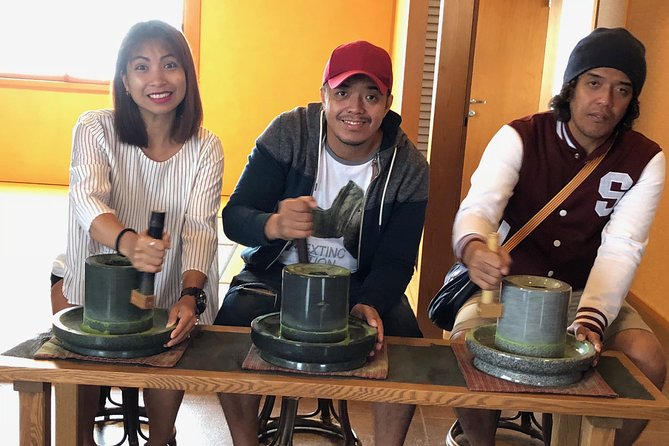
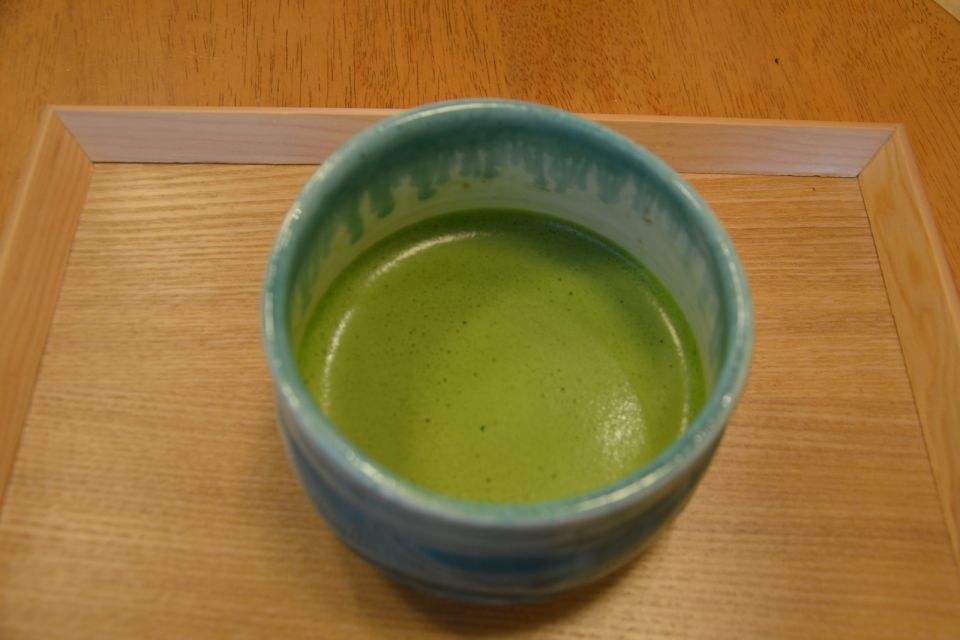
This is the part people remember: matcha making. Instead of a passive tasting, you learn the process and then taste what you made. The tour includes matcha tasting as well as matcha making, and it also features tea grinding in the experience people describe.
Why this matters: matcha has a specific personality. It can taste mellow, grassy, creamy, or sharp depending on how it’s prepared and how it’s served. When you participate in the making, you understand where those differences come from. You also stop thinking of matcha as one flavor and start thinking of it as a preparation result.
In the experiences shared, guides like Karim and Miki helped people feel comfortable during the class. Multiple guides are praised for being attentive and for adjusting based on interests and questions. That’s not a small thing. When you’re learning a technique, you want room to ask “why” without feeling rushed.
Then the tour closes with an intimate tasting. That final step is important: it gives you a “compare what you learned” moment rather than turning class into a blur.
Guide quality and pacing: what small-group means in practice
This is a small group tour, limited to 8 participants. That changes the experience. In a group that size, the guide can slow down for your questions and keep the pace comfortable at temples, narrow streets, and food stops. People also mention that the tour stays relaxed rather than sprinting from place to place.
The guide lineup can vary by date. Still, the pattern in the stories is consistent: the guides bring Uji to life, keep communication clear, and handle small practical needs smoothly. Names people shared include Karim, Jamelah, Miki, Sanae, Thomas, and Raquel. One guide even showed flexibility with languages, using English and also Spanish and some Tagalog to explain when helpful.
Also, the tour includes shopping time at the end. That’s a smart touch because you’ll often decide what to buy after you taste and learn what you actually like.
Price and value: does $173 make sense?
At $173 per person for 3 hours, the price isn’t cheap. But the value logic here is straightforward: you’re paying for a guided, structured experience in Uji plus multiple included meals and matcha activities.
Included items listed for the tour are:
- Variety of dishes at multiple food stops
- Matcha tasting
- Matcha making (with matcha being ground/handled in the experience)
- Wagashi sweets
- Matcha ice cream
- Shopping time
You’re also getting an English live guide and access to cultural context at World Heritage sites and local places. What’s not included is hotel pickup, gratuity, transportation costs, and additional drinks or food beyond what’s included.
If your plan is just to wander Uji on your own and buy one snack, this will cost more than that. But if you want a guided tea “lesson” paired with several tastings and an actual meal—and you don’t want to spend your limited Kyoto time figuring out the best way to do it—this price can feel fair.
My rule of thumb: if matcha is a priority for your trip and you enjoy hands-on learning, it’s easier to justify. If you only want a quick photo stop, skip it.
Who should book this tour, and who might want to pass
You’ll likely love this tour if you:
- Care about matcha beyond a single drink
- Want World Heritage sites plus food in the same 3-hour block
- Prefer a small group and an English guide
- Like learning cultural context while you walk and eat
You might want to pass if:
- You’re sensitive to walking time at temples and shrines
- You want a fully independent schedule with no fixed stops
- Your group needs heavy dietary accommodations not possible to handle in advance (the tour asks you to advise dietary needs, but details aren’t listed beyond that)
Age-wise, unaccompanied minors aren’t allowed, and children must be accompanied by an adult. The tour also lists a minimum drinking age of 21 years, so if alcohol is part of your plan, keep that rule in mind.
Should you book the Kyoto Matcha Green Tea Tour?
If you want one experience in Kyoto that turns matcha from a buzzword into something you understand with your hands and your tongue, I think this is a strong booking. The combo of World Heritage stops, a shrine visit with cultural etiquette, multiple food stops, and a true matcha making session is rare in a 3-hour window.
Book it if your time is tight and you want structure that still feels relaxed. Skip it if you only want a short tasting with no interest in process or place.
One last pro tip: arrive at Keihan Uji station on time, not the JR station. It’s the kind of small mistake that can turn a calm morning into stress—right when the guide is ready to start.
FAQ
Where is the meeting point for the Kyoto Matcha Green Tea Tour?
Meet at the entrance of Keihan Uji station (宇治駅), not JR Uji station. The listed location is Otsukata Uji, Kyoto 611-0021.
How long is the tour?
The duration is 3 hours.
Is this a small group tour?
Yes. The group is limited to 8 participants.
Is hotel pick-up included?
No, hotel pick-up is not included.
What is included in the food and matcha experiences?
Included are multiple food stops with a variety of dishes, matcha tasting, matcha making, wagashi sweets, and matcha ice cream. There is also shopping time.
Can the tour accommodate dietary requirements?
You should advise the supplier of any specific dietary requirements at the time of booking.
Are minors allowed?
Unaccompanied minors aren’t allowed. Children must be accompanied by an adult, and the minimum drinking age is 21 years.