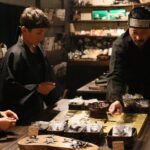
REVIEW · KYOTO
Kyoto: Stone Seal Carving Workshop with Calligrapher
Book on GetYourGuide →Operated by HidB LLC · Bookable on GetYourGuide
Your name, carved in stone, in Kyoto. This workshop takes Japanese characters and turns them into a real stamp you can use right away on a keepsake. You leave with a carved seal, plus a postcard marked with your seal and your name in Japanese.
I especially love the hands-on stone carving with close guidance, and I love that you learn the character shapes as you work, not just where to cut. The instructor I found most impressive is Marin, a Japanese calligrapher and high school calligraphy teacher who explains everything in clear English.
One possible drawback: carving can be physically and mentally focused work. If you want something totally effortless, the precision might feel a bit intense at first.
In This Review
- Quick hits before you go
- Kyoto stone seal carving: what you’re making and why it matters
- Choosing your character: name, favorite word, and script options
- The carving lesson: turning a character into lines that stamp
- Working with calligraphy guidance from Marin
- Time in the workshop: what happens from start to finish
- The postcard stamp: your finished seal becomes a keepsake
- Price and value: is $77 worth it?
- Who should book this workshop, and who might want a different activity
- Before you go: timing, meeting point, and what to expect during the session
- Should you book Kyoto: Stone Seal Carving Workshop with Calligrapher?
- FAQ
- How long is the Kyoto stone seal carving workshop?
- What is the cost per person?
- Can beginners join the workshop?
- Can I carve my name or a favorite word?
- Will I get help deciding the design or character?
- What do I take home at the end?
- Is the instruction available in English?
- How large is the group?
- Is the workshop wheelchair accessible?
- Where do I meet the group?
Quick hits before you go
- Personal design first: Pick a character for your seal, from your name to a favorite word
- Marin guides every step: Japanese calligraphy instruction paired with practical carving coaching
- Small group (up to 8): More attention while you’re learning the hard parts
- Beginners are welcome: You can take your time and still finish
- You stamp a postcard: A practical souvenir with your seal and Japanese name added
- Take-home stone + special box: You leave with the actual carving, not just a photo
Kyoto stone seal carving: what you’re making and why it matters
This is not a quick craft where you decorate something that already exists. You’re creating a working stone seal from scratch. The goal is to carve a character cleanly enough that it stamps clearly, and then use it right away on a postcard.
What makes it feel especially Kyoto is the combination: stone carving technique meets Japanese calligraphy practice. You’re not just memorizing a shape. You’re learning how Japanese characters are formed so your final stamp looks intentional, not accidental. And since the postcard includes the date plus your name in Japanese beside the stamp, the finished result feels like a personal record of your trip, not a generic souvenir.
If you like meaningful objects—stuff you can actually hold onto—this delivers. And if you enjoy quiet, careful work during a sightseeing-heavy day, it’s a nice change of pace.
You can also read our reviews of more tours and experiences in Kyoto

Choosing your character: name, favorite word, and script options
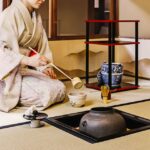
Your first real step is deciding what goes on the seal. You can choose your own character to carve—common options are your name or a favorite word. If you don’t know what character set you want, you still won’t be stuck. The calligrapher provides help, including support translating names so the stamp represents you correctly.
A key detail: you can typically choose the style of kanji, not just the character itself. That matters because kanji can be written in slightly different styles, and your seal will reflect that choice. If you’re planning to carve something in katakana, you’ll also have enough time to complete a katakana name stamp, so you’re not pressured to simplify.
Practical tip: decide early what you want your seal to say. Even if you’re not 100% sure, come ready with your name spelling and what language/script you prefer (kanji or katakana). That saves time once you’re seated with the instructor.
The carving lesson: turning a character into lines that stamp
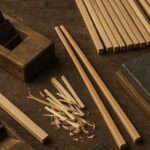
After you’ve chosen the design, you get into the real work: carving the stone. This is the stage where beginners usually worry most, but you can relax. The workshop is built for people with no prior carving experience, and instruction is taught carefully and kindly. The learning curve is real, though. You’ll need patience, steady hands, and the willingness to slow down.
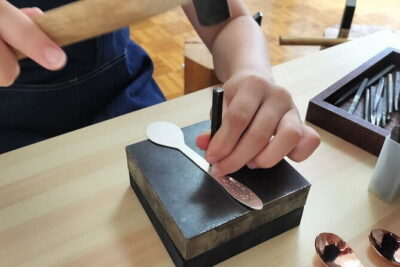
Carving a seal has one special challenge: you’re working toward a reverse imprint. The areas you carve away and the remaining raised parts create the stamp image. You’ll be taught techniques to shape the character so it prints clearly when pressed onto paper. That’s why guidance matters. With the wrong approach, lines can blur, or the carved areas can be too shallow to stamp cleanly.
What surprised me in the reviews is how often people say it’s hard work. Not painful—just concentrated. Plan to treat this like a mini skill session, not a casual souvenir booth. The payoff is huge when you see your own seal take shape.
Working with calligraphy guidance from Marin
Carving skills alone don’t guarantee a great seal. The calligraphy piece is what helps your finished character look like it belongs in Japanese writing, not like a random scribble.
Marin, who teaches calligraphy and also has a background as a high school teacher, focuses on guiding you step-by-step. Reviews highlight her patience and clear explanations, including help with translating names correctly and adjusting to how the character should look. In other words, you’re not left to figure it out on your own.
You’ll likely notice that your instructor isn’t just correcting mistakes. She’s teaching you how to think about the shape: where the character’s structure comes from and how precision creates a clean result. That kind of teaching is useful even if you only want a one-time souvenir. It helps you feel in control while carving, instead of guessing.
Also, the teaching approach supports calm pacing. Several reviews mention the experience feels soothing, partly because you’re in a small group and partly because the work is quiet and hands-on.
Time in the workshop: what happens from start to finish
The duration runs about 90 minutes to 2 hours, depending on the session and what you choose to carve. With a small group limited to 8 participants, you get enough time for the instructor to check your work without rushing everyone.
Even though you’ll be busy, the flow is simple:
- Select your character/design. You can do your own idea or get help designing it.
- Carve your stone seal. You work with guidance through the technique and character formation.
- Stamp your seal onto a postcard. After carving, you see the final effect immediately.
- Leave with your take-home items. You get the stone, plus a special box and the prepared postcard with your stamp and Japanese name.
The key thing about this pacing is that you’re doing the “make” and the “reveal” in the same session. Seeing your seal actually stamp cleanly is the moment it clicks. You don’t just finish and hope for the best.




The postcard stamp: your finished seal becomes a keepsake
Once your seal is complete, you stamp it onto a postcard. This is where your design stops being a carving project and becomes a souvenir you can send, frame, or keep in your travel folder.
Your postcard isn’t blank. The calligrapher writes the date and your name in Japanese beside the stamp. That detail turns the postcard into a personal timeline marker. It’s also a smart choice for gifting. Someone can read the stamp and the Japanese name right away, which makes the postcard feel more authentic than a generic craft label.
There’s also a practical benefit: you get to test your seal in the moment. If the stamp is too faint, the instructor can guide you. If it prints clearly, you immediately feel confident about your final result.
Price and value: is $77 worth it?
At $77 per person, this workshop sits in the midrange for Kyoto activities. It’s not a bargain compared to a simple street craft, but you’re paying for real instruction and real materials.
Here’s what you’re getting for your money:
- Stone seal carving workshop with guided carving work
- Guidance from a Japanese calligrapher (Marin)
- A postcard that includes your seal stamp plus the date and your name in Japanese
- The stone itself, along with a special box for taking it home
Value-wise, the big difference vs cheaper souvenirs is that you’re producing something that’s both personal and functional. The stone seal is not just decoration. It’s a keepsake you helped create, and it includes the calligraphy context so it looks right.
If you’re the type who collects one meaningful item per trip, this likely feels like a fair trade. If you’re just looking for a quick photo moment with minimal work, it may feel pricier than you expect.
Who should book this workshop, and who might want a different activity
This workshop is a great fit if you want:
- a hands-on activity that you’ll actually remember
- personalized work (your name or a chosen word)
- clear guidance from an instructor who teaches patiently in English
- a small group setting that doesn’t feel crowded
It’s also ideal if you enjoy calm focus in the middle of a busy Kyoto itinerary. The carving work creates a natural rhythm: you pause, concentrate, adjust, and then see progress.
Who might not love it: if you strongly dislike detailed, careful tasks, the carving could feel demanding. One review calls it hard work, and that matches the nature of the skill. The good news is you can still succeed as a beginner—but you should go in with the right mindset.
Before you go: timing, meeting point, and what to expect during the session
Plan for a session of about 90 minutes to 2 hours. That’s long enough to learn the carving basics and finish a seal, but short enough to fit into a day with temples, gardens, and markets.
Meeting point detail: you’ll meet at a sign board in front of the entrance. When you arrive, look for that sign so you don’t waste time wandering. Since the group is small (up to 8), being on time matters more than in large bus tours.
You’ll also be working with your hands for the carving stage, so it’s smart to wear comfortable clothes you don’t mind getting a little workshop-dust on. The good part is you’re not doing a muddy outdoor activity. It’s focused indoor work.
One more note from the format: the workshop is wheelchair accessible, and the instruction is in English. Beginners are welcome because instruction is taught carefully and kindly, which keeps the learning curve manageable.
Should you book Kyoto: Stone Seal Carving Workshop with Calligrapher?
Book it if you want a Kyoto souvenir with a real process behind it. You’ll leave with a carved stone seal, a postcard stamped with your design, and a name written in Japanese beside it by the instructor. That combination—skill + personalization + take-home results—is hard to beat.
Skip it if your idea of a great trip activity is low-effort and fast. This is fun, but it asks you to slow down and concentrate. If that sounds like a good trade for one meaningful hour or two, you’ll probably love it.
FAQ
How long is the Kyoto stone seal carving workshop?
It lasts about 90 minutes to 2 hours. The exact starting times vary by session availability.
What is the cost per person?
The price is $77 per person.
Can beginners join the workshop?
Yes. Beginners are welcome, and the activity is taught carefully and kindly.
Can I carve my name or a favorite word?
Yes. You can choose the character you want to carve, including your name or a favorite word.
Will I get help deciding the design or character?
Yes. You can choose your own character, or you can ask the calligrapher to design it for you. The instructor can also help with translation.
What do I take home at the end?
You take home the stone seal, plus a special box for taking the stone home. You also stamp your seal onto a postcard, and the calligrapher writes the date and your name in Japanese beside it.
Is the instruction available in English?
Yes. The workshop instructor provides instruction in English.
How large is the group?
It’s a small group limited to 8 participants.
Is the workshop wheelchair accessible?
Yes, it is wheelchair accessible.
Where do I meet the group?
The meeting point is a sign board in front of the entrance.