REVIEW · KYOTO
Kimono and Yukata Experience in Kyoto
Book on Viator →Operated by Kyoto Kimono Rental Rei · Bookable on Viator
Turning corners in a kimono changes everything. This Kyoto experience pairs a professional kimono fitting in Gion with an easy day of strolling toward famous shrines like Kiyomizu-dera and Heianjingu. I especially like how fast and efficient the dress-up process is, and I love that you can add optional hair and makeup if you want the full photo-ready look. One thing to watch: extras add up, and you’ll want a little plan for comfort and how to find the shop.
You’ll make your own way to the meeting point in the traditional Gion area, choose a kimono or yukata, get fitted (no wrestling with knots required), and then head out in your outfit. Staff are available in English, Chinese, and Japanese, and the group stays small (up to 14), which usually keeps the whole flow moving.
The biggest payoff is simple: you get the classic Kyoto “dressed for the streets” feeling without spending your whole day figuring out how to wear everything. The main drawback is that some parts are truly optional, so you’ll want to decide up front what you want included.
In This Review
- Key things to know before you go
- Entering the Kyoto Kimono Rental Rei setup in Gion
- Picking your kimono or yukata and getting dressed quickly
- The stroll route: Gion, Yasaka Shrine, Kiyomizu-dera, and Heianjingu
- Hair styling and makeup: what costs extra and what’s worth it
- Price and value: $25.43 plus the add-on reality
- Comfort, weather, and the hidden “walking” details
- Finding the shop and avoiding first-day confusion
- Who this experience fits best
- Should you book Kimono and Yukata Experience in Kyoto?
- FAQ
- How long does the kimono and yukata experience take?
- What’s included in the price?
- Are hair styling and makeup included?
- Where is the meeting point?
- Do I get hotel pickup or drop-off?
- What locations do I visit while dressed?
- Are there staff who speak English?
- What time do I need to return to the shop?
- Is the group size small?
- Does the experience depend on weather?
Key things to know before you go
- Fast, professional fitting: plan on being dressed quickly, not struggling with straps and folds
- Small groups: capped at 14 people, which helps keep the process from feeling like a production line
- Gion + shrine route: designed for walking days, with photo stops around famous spots
- Optional hair and makeup: add-ons are priced separately, so you control your budget
- Return before early evening: you’ll change back at the shop earlier than 6 pm
Entering the Kyoto Kimono Rental Rei setup in Gion
This is one of those Kyoto activities that feels small at the start, then suddenly turns into a full-day memory. You’ll meet at Kyoto Kimono Rental Rei, in Higashiyama Ward, Umemotochō (605-0064). The vibe is practical: you arrive, pick your outfit, and the staff guide you through the whole process so you can get walking fast.
The experience is flexible in the sense that there are multiple time slots through the day. In real terms, that means you can match your kimono stroll with your schedule. Morning slots can be great for softer light and fewer crowds. Later slots can work if you want more daylight for photos and shopping beforehand.
Your ticket is mobile, which keeps things smooth at check-in. There’s no hotel pickup or drop-off, so you’ll be responsible for getting to the meeting point in Gion. If you like an activity where you’re not trapped waiting for a bus, this is that kind of day.
Also, there’s no “tour guide walking beside you” included. What you do get is staff help with fitting, plus a cultural orientation during the process. Think of this as: you’re renting and being fitted, then using the streets and nearby sites as your open-air photo and sightseeing path.
You can also read our reviews of more tours and experiences in Kyoto.

Picking your kimono or yukata and getting dressed quickly
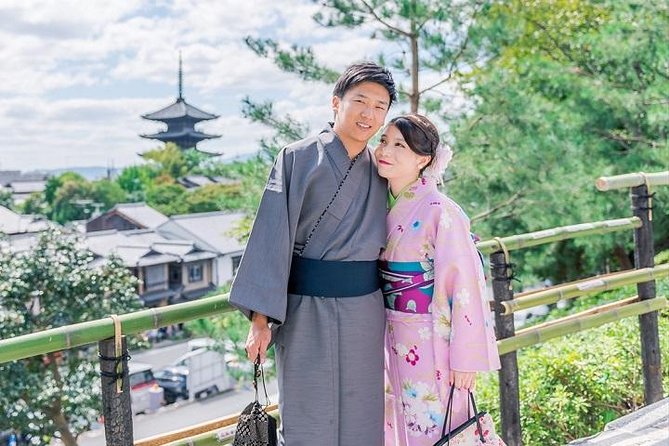
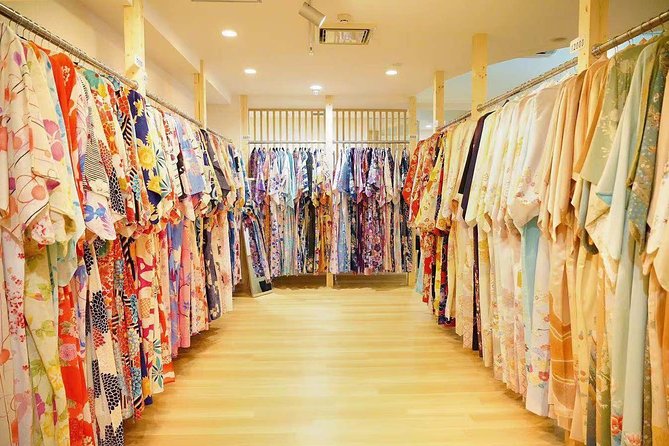
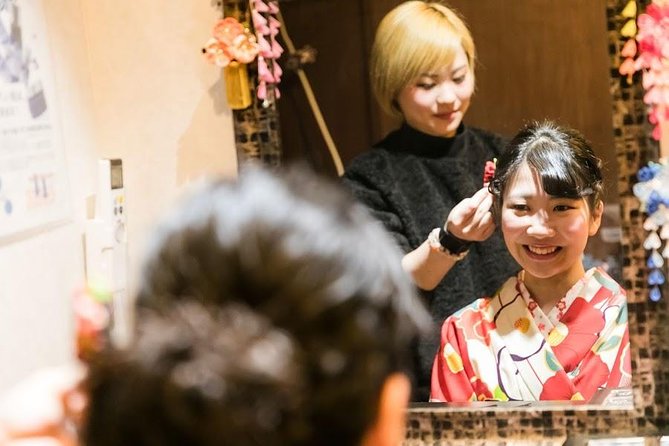
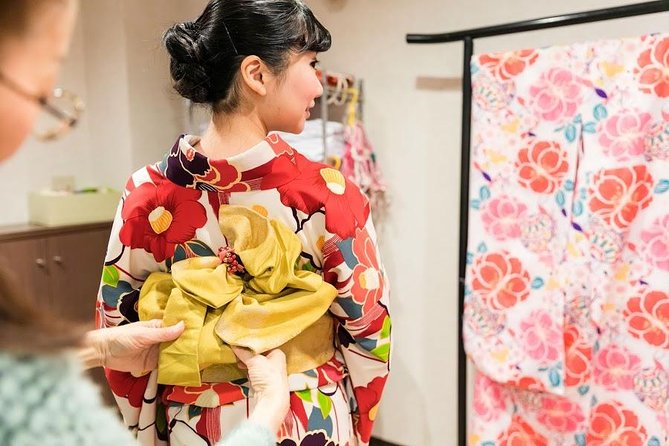
Here’s where this experience wins. The shop has you choose from a selection of kimono and yukata, then you’re fitted by professionals. The process is designed to be quick: kimono selection takes about 10 minutes, fitting about 10 minutes, and optional add-ons take extra time.
If you choose hair styling and makeup, the timing changes. Makeup alone is listed at about 20 minutes, and hair styling (optional) is also about 10 minutes. With both, you should treat your whole start process as a bit longer, especially if you’re aiming for a specific photo schedule.
One practical reality: dressing can mean getting down to underwear. It’s not dramatic, but it is intimate logistics. If you’re shy, wear shorts underneath and be ready to do a full clothing change for a proper fit. This is exactly the kind of detail that makes or breaks the experience, so it’s worth preparing.
Sizing is clearly listed for men, women, and children, so the shop is set up to handle a range of heights. Still, shoes can be trickier for bigger feet. One note you should take seriously: shoe options may be limited for larger sizes (an example given was AU 8+), so plan your comfort accordingly.
If you care about the look, the base rental comes with a basic range. Upgrades can bring you into nicer options, but that’s where the budget math starts. If you know you’ll want a standout kimono, it’s smarter to decide before you arrive, not in the middle of the dressing rush.
The stroll route: Gion, Yasaka Shrine, Kiyomizu-dera, and Heianjingu
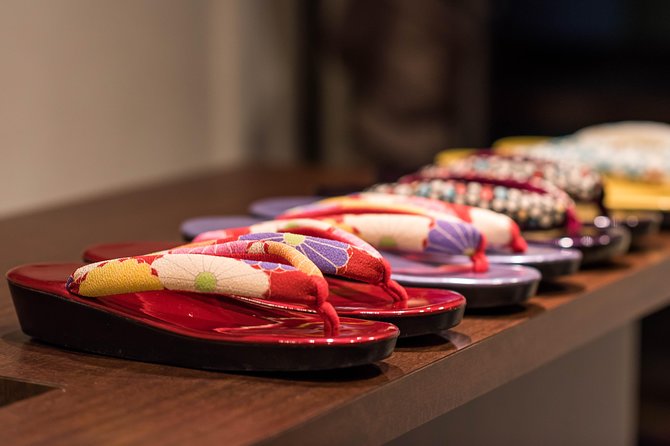
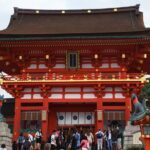
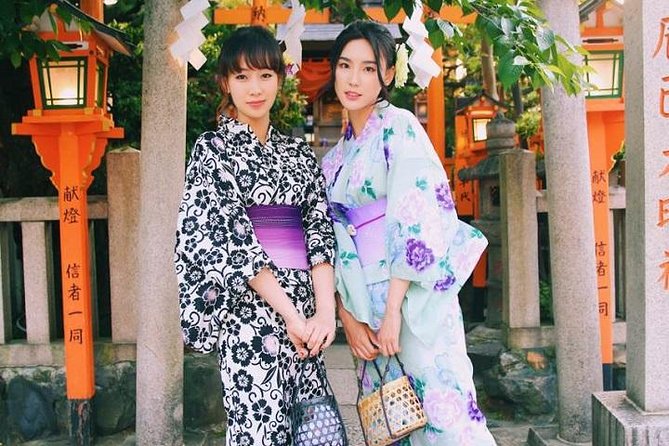
Once you’re dressed, you’re free to walk in your kimono while taking in Kyoto’s classic scenes. The plan is built around pairing Gion streets with nearby shrine visits, including Yasaka Shrine (often associated with the Gion area), plus trips to Kiyomizu-dera and Heianjingu Shrine.
Because this isn’t a guided walk with a set walking leader, you’ll want to think like a self-guided traveler: you’ll dress, head out, and use the route to hit those major landmarks. The upside is freedom. You can stop for photos, slow down, or change your mind based on weather and crowds.
This pairing makes sense. Gion gives you the traditional street atmosphere. Yasaka Shrine adds that instantly recognizable shrine gateway feel. Kiyomizu-dera brings the famous temple views (and all the Kyoto postcard energy). Heianjingu gives you a different shrine mood, more wide and spacious.
One small drawback: kimono days are walking days, and sandals are not built for long distances. Even if you’re comfortable with sightseeing walking normally, don’t assume kimono footwear will feel the same. If you’re the kind of person who normally ends the day sore, plan breaks.
If you want your day to feel easy, pick a walking rhythm. You don’t need to speed-run Kyoto. Instead, think of it like this: dress, take photos nearby, hit one main shrine area, then return for your change-out before the shop closes (you’ll be back earlier than 6 pm).
Hair styling and makeup: what costs extra and what’s worth it
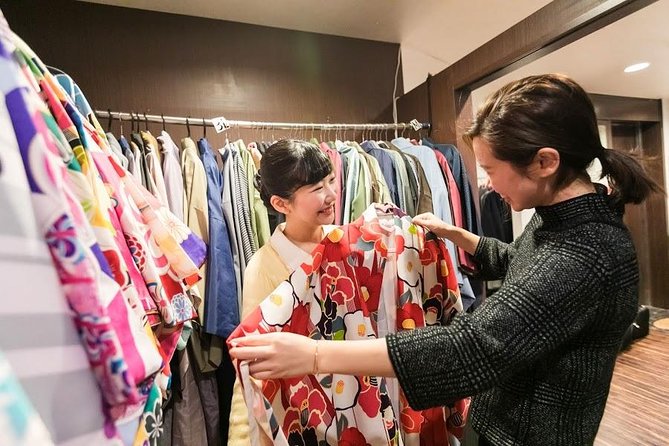
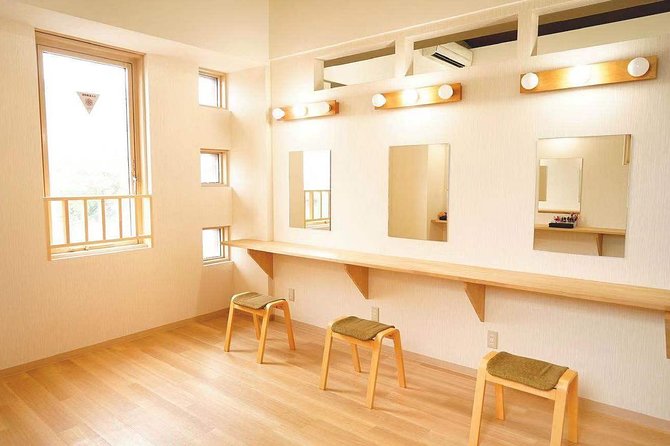
Hair and makeup are optional add-ons. The listed prices are 1,650 yen for hair styling and 5,500 yen for makeup. That’s the plain math part. The more useful part is deciding whether you actually want to spend that money.
If your goal is photos, the add-on can be a big upgrade. Multiple people highlight that hair styling and added touches make the look feel complete and more “event-like,” not just dressed up with an outfit. One review also praised hair embellishments like flowers, which can make your photos look more intentional.
If your budget is tight, you can absolutely do the base rental and still get the Kyoto experience. The kimono itself is the magic. But if you’re the type who worries that the outfit will look unfinished in photos, hair and makeup will likely settle that concern.
Timing matters too. One person noted that their reservation didn’t leave enough time for makeup, which turned inconvenient. So if makeup is non-negotiable for your plan, make sure you book accordingly and don’t assume the standard time allotment will magically stretch.
Also remember: heat and layers can be real. Makeup and hair can add to the “feels like more” factor, especially in warm weather. If you choose the full set, carry a little sense of comfort planning.
Price and value: $25.43 plus the add-on reality
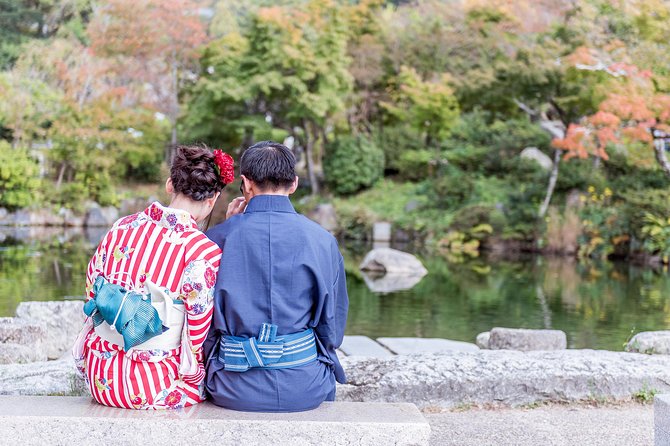
At $25.43 per person, the base idea is strong value. You’re paying for a kimono or yukata rental and a professional fitting. You’re not expected to know how to put on traditional clothing yourself, and that’s the main cost you avoid.
But here’s the real value lesson: this experience is price-transparent in small pieces. Hair styling and makeup are clearly extra. Upgraded kimono and accessories may be offered at higher tiers. Fans and bags are also potential add-ons.
That means the final cost depends on how “full look” you want.
One more practical payment note: someone mentioned an extra 10% charge when paying by credit card. You should treat that as a caution, not a certainty, because it could vary by payment method and the day’s setup. Still, if you want fewer surprises, bring cash or plan on paying attention at checkout.
So is it worth it? If you want the outfit plus the pro fitting, yes, especially since the process can be efficient and you get a lot of time outside afterward. If you want a top-tier kimono and full hair and makeup, the experience can become pricier than you expected. In that case, it’s still fun, but you should budget like it’s a photo experience, not just a rental.
Comfort, weather, and the hidden “walking” details
Kimono days can be comfortable, but they’re not the same as wearing jeans. One of the most repeated practical notes: wear shorts underneath, since dressing requires getting down to underwear levels. It’s a small prep step that prevents stress.
Sandals are another recurring point. They can look perfect for photos, but they may not be comfortable for long walks. If your itinerary includes Kiyomizu-dera and longer walking, consider taking breaks and keeping your route realistic for your foot comfort.
Weather also matters. The experience is described as requiring good weather. If it’s canceled due to poor weather, you’ll be offered a different date or a full refund. That matters in Kyoto because rain can turn a kimono day into a soggy struggle.
One tip from actual rainy-day thinking: a clear umbrella can help keep your photos looking bright while protecting you from rain. If you want soft, atmospheric shots, this can be a smart tool.
Finally, remember that kimono is layered. Even if the climate feels fine walking outside, you may feel warmer when you’re dressed. That’s normal. Drink water, take shade when you can, and don’t let the first 20 minutes make you think you’re stuck like that forever.
Finding the shop and avoiding first-day confusion
The meeting point is in a specific address on the Gion side. The catch is that multi-floor buildings can be confusing when you’re on foot with luggage or an umbrella.
One note you should take seriously: people mention that the shop location can be hard to find. Also, there’s a detail where one person ended up at a ground-floor spot and another reported it as being on the 5th floor. That doesn’t mean it’s always wrong. It means you should give yourself time.
Do this:
- Follow the directions carefully when you arrive near the address.
- Look for the right floor signage before you assume you’re in the wrong place.
- Give yourself a few extra minutes if you’re traveling from another Kyoto area.
Once inside, the process tends to be quick and efficient, especially if you arrive at your time slot. If you’re planning a tight schedule, reservations help you avoid waiting.
Also, solo travelers: you may need to plan your own photo help. If you don’t have someone with you, you might rely on selfies or ask a staff member if they can help at a convenient moment.
Who this experience fits best
This works best if you want a classic Kyoto photo and cultural experience without the headache of learning how to wear a kimono. It’s also a good fit if you like efficiency. Several people point out that the staff are professional and the dress-up flow can move fast, sometimes in about an hour depending on what you add.
It’s especially suited for:
- Couples who want coordinated photos around Gion and shrines
- Families with kids, since the shop lists sizing for children
- People who want an easy cultural activity that doesn’t require speaking Japanese
- Anyone doing Kyoto in a “day of walking” style itinerary
It may not be ideal if:
- You hate add-on pricing and want one all-in price with zero surprises
- You’re extremely sensitive to timing and need makeup with a guarantee of ample minutes
- You expect a guide-led walking tour (this is primarily a rental and fitting experience)
If you’re the type who plans carefully, you’ll have a great time. If you wing it and then feel shocked by upgrades at the counter, you might feel nickel-and-dimed. The service can be lovely either way, but your budget should match your expectations.
Should you book Kimono and Yukata Experience in Kyoto?
Book it if you want the signature Kyoto experience: dressing in traditional clothing, then using Gion and nearby shrines as your natural photo route. For the base price, you’re getting a professional fitting and rental, not just fabric. That’s the core value.
Consider skipping or scaling back on add-ons if you:
- Only care about the outfit, not a styled look
- Have tight timing constraints for makeup or hair
- Want a very fixed, guide-led itinerary
My practical advice: decide your upgrade level before you arrive. If hair and makeup will make or break your photos, plan for it. If you’re fine with a clean, fitted kimono and some great walking photos, keep it simple and spend your yen on time in Kyoto, not extra extras.
FAQ
How long does the kimono and yukata experience take?
The experience duration is listed as about 1 to 9 hours, depending on your selected time slot and options.
What’s included in the price?
The included items are kimono or yukata rental and a professional kimono fitting.
Are hair styling and makeup included?
No. Hair styling and makeup are optional add-ons with separate pricing (hair styling 1,650 yen and makeup 5,500 yen).
Where is the meeting point?
The meeting point is at Japan, 605-0064 Kyoto, Higashiyama Ward, Umemotochō, 270 プレステージ祇園, at Kyoto Kimono Rental Rei.
Do I get hotel pickup or drop-off?
No. You make your own way to the meeting point in Kyoto’s Gion district.
What locations do I visit while dressed?
The experience is described as visiting Kiyomizu-dera and Heianjingu Shrines, plus Gion with nearby shrine areas such as Yasaka Shrine.
Are there staff who speak English?
Yes. English-speaking staff are available, and there are also Chinese-speaking and Japanese-speaking staff.
What time do I need to return to the shop?
The experience description says you’ll return to the shop earlier than 6 pm to change back into your clothes.
Is the group size small?
Yes. The activity has a maximum of 14 travelers.
Does the experience depend on weather?
Yes. It requires good weather. If it’s canceled due to poor weather, you’ll be offered a different date or a full refund.