REVIEW · KYOTO
Kyoto: Mindfulness Origami Workshop, Limited 6/8–6/10
Book on GetYourGuide →Operated by Gojo Paradiso · Bookable on GetYourGuide
Quiet handwork beats Kyoto noise. This Mindfulness Origami Workshop at Gojo Paradiso turns paper folding into a simple, focused pause in the middle of your day. You learn classic folds while keeping your attention on the rhythm of each crease—less performance, more presence.
What I really like is the professional instructor guidance that keeps you from getting stuck, even if you have zero origami experience. I also like the hands-on choice of paper (bright colored options or traditional Japanese designs), plus the fun extras like a group photo and a keepsake you leave with.
One consideration: this is a 1-hour, beginner-friendly class, so if you’re hunting for super-advanced models, your time may feel a bit short.
In This Review
- Key takeaways
- Kyoto Gojo Paradiso: A river-walk setting for slow creativity
- The 1-hour flow: how mindfulness origami actually works
- What you’ll fold: cranes, basics, and the no-perfection rule
- Choosing your paper: bright colors or traditional Japanese designs
- Small group learning: why a limit of 10 people helps
- The fun finish: display time and a commemorative group photo
- Price and value: what $29 buys you in Kyoto time
- Who should book this workshop (and who might skip it)
- How to plan your day around this origami break
- Should you book Mindfulness Origami at Gojo Paradiso?
- FAQ
- How long is the Kyoto Mindfulness Origami Workshop?
- Where is Gojo Paradiso located, and how far is it from the stations?
- What is the price, and what’s included?
- What languages are the instructors available in?
- Is it a small group class?
- Is it wheelchair accessible?
Key takeaways
- A mindfulness approach: fold slowly, concentrate on the moment, not perfection
- Small group (up to 10 people) so you actually get help
- Cranes and basic techniques covered in a relaxed pace
- Pick your paper style for different looks and vibes
- You’ll take something home plus a group photo to remember it
Kyoto Gojo Paradiso: A river-walk setting for slow creativity
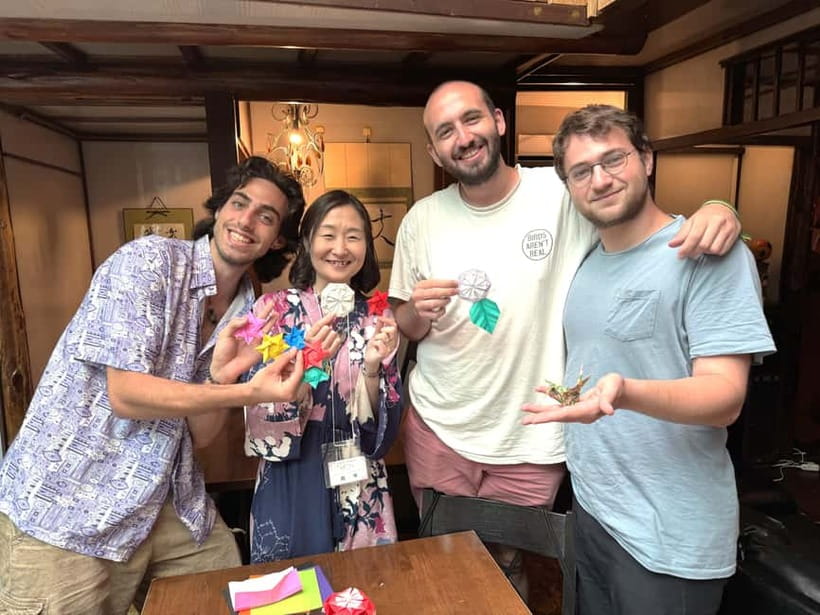
This workshop takes place at Gojo Paradiso, along the Takase River on Kiyamachi Street. It’s a quick walk from Keihan Kiyomizu Gojo Station (about a 5-minute walk, roughly 386 meters). If you’re coming from Keihan Shichijo Station, it’s around a 10-minute walk.
The location matters because you’re not stuck in a big classroom. The vibe feels like a calm pocket—useful in Kyoto, where your brain can run nonstop all day. Even if your plan is temples, markets, and lines, this gives you a break that doesn’t require a nap or a café hunt.
You can also read our reviews of more tours and experiences in Kyoto


The 1-hour flow: how mindfulness origami actually works
The workshop runs for 1 hour, and that timing is a big part of why it’s a good value. You get enough time to learn a few fundamentals, finish at least one meaningful piece, and still feel like you were part of something—without the fatigue of a long lesson.
You’ll start with the basics: how to handle paper, how to make clean creases, and how to follow step-by-step folding instructions. Then the mindfulness piece kicks in. The idea is simple: focus on the act of folding—crease, press, check—so your attention isn’t bouncing between distractions.
This is also where the instruction style makes a difference. People consistently describe the instructor as kind, patient, and good at explaining. One review notes being guided with care when someone got stuck on a step. Another calls it very relaxing and calming, with clear explanations. That’s exactly what you want in a short workshop: no stress, just steady progress.
What you’ll fold: cranes, basics, and the no-perfection rule
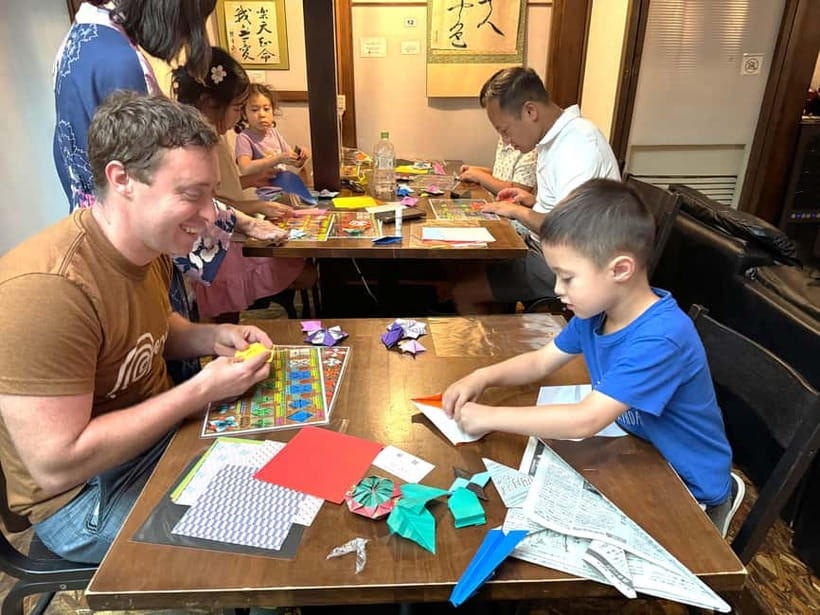
You can expect traditional origami techniques taught clearly, including designs like cranes. The class is built around learning, not showing off. You’re specifically encouraged not to chase perfection. That matters more than it sounds.
When you’re not aiming for perfection, you relax your grip. Your folds get better. Your mind slows down. And you end up with a piece you’ll actually want to keep, not one you feel embarrassed to take home.
There’s also a practical mindset shift. Origami looks like a craft, but in this format it becomes a concentration tool. It’s the kind of activity that helps you return to one simple task at a time—very useful on a travel day when everything else is too busy.
Choosing your paper: bright colors or traditional Japanese designs
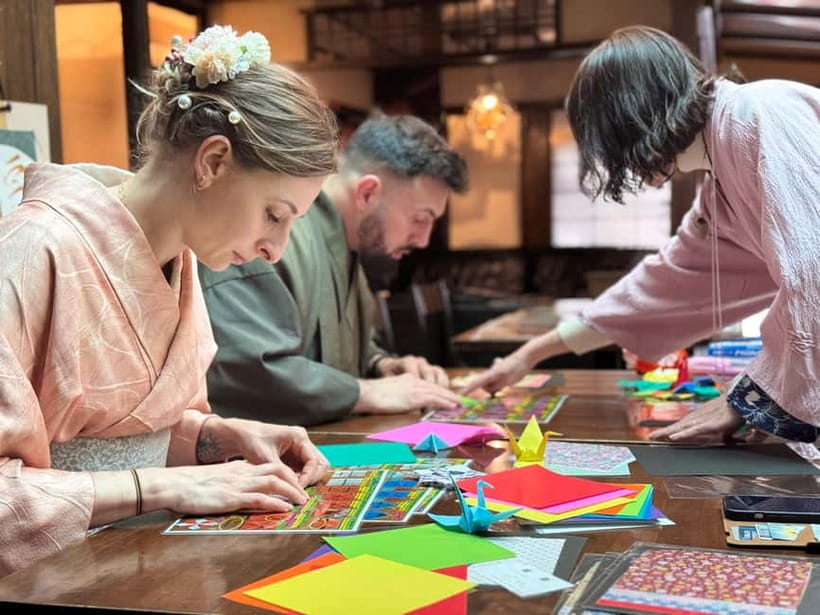
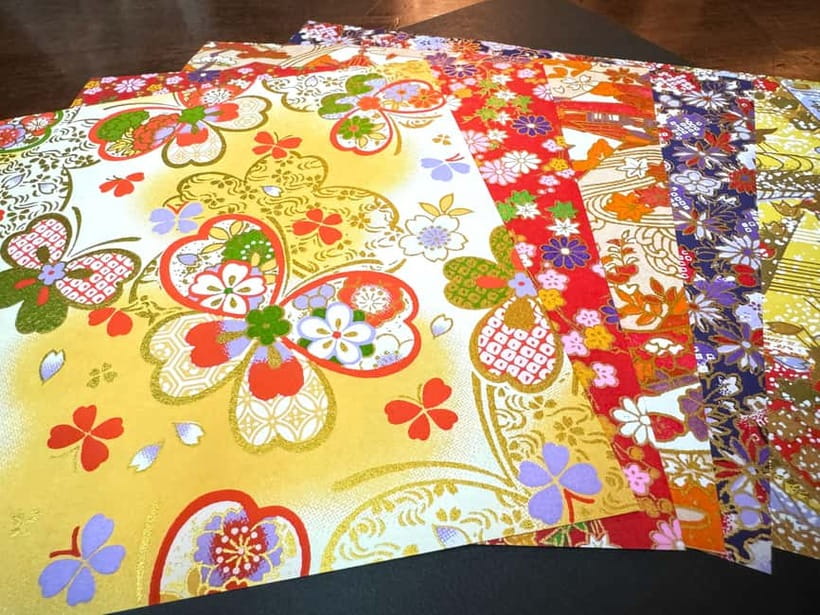
One of the most fun parts is that you can choose from colored paper or traditional Japanese-designed paper. That choice changes the look of what you fold, and it also changes how you feel while you’re working.
- If you pick bright colored paper, your final piece tends to feel playful and “giftable.”
- If you pick a traditional Japanese design, the work feels more ceremonial and souvenir-like.
Either way, the materials are included for the class. So you don’t need to bring tools, extra paper, or anything crafty that you’ll later pack back home like a guilt souvenir.
Small group learning: why a limit of 10 people helps
This is a small group workshop limited to 10 participants. That’s not just a number—it changes how smoothly the class goes.
In a bigger setting, you often spend the lesson watching and hoping you understand. With a smaller group, you get more chances for the instructor to check what you’re doing. Multiple reviews highlight help and patience when someone got stuck on a step, which fits the small-group format.
It also keeps the experience comfortable if you’re traveling as a family. Kids, adults, total beginners—this kind of pace is easier to manage when the room isn’t packed.



The fun finish: display time and a commemorative group photo
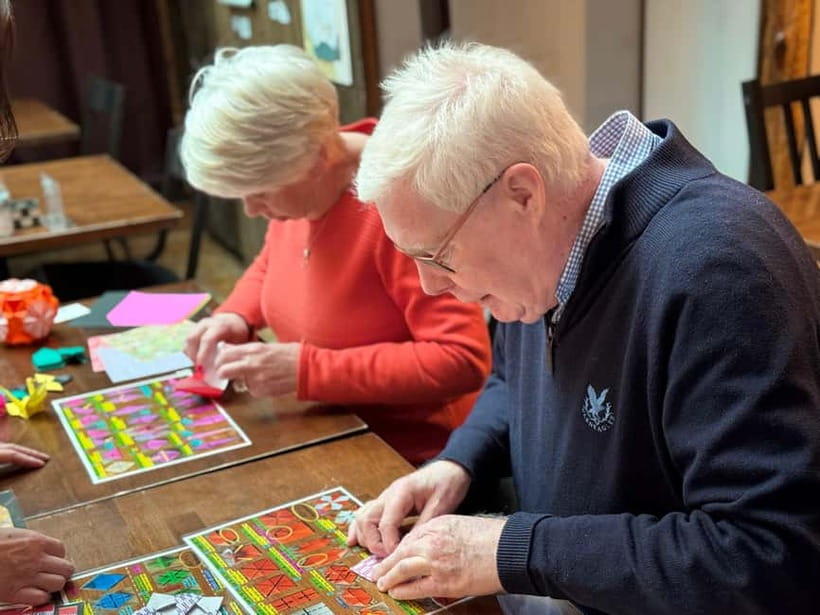
After you complete your folds, you get a bit of celebration time. The workshop includes the chance to display or interact with your finished creations—so it’s not just “do the steps, then leave.”
There’s also a commemorative group photo. That’s a small add-on, but it’s memorable. When you’re in Kyoto, it’s easy to take photos of buildings and forget the human moments. This one gives you a photo where you’re literally part of the scene.
And yes, you’ll leave with your origami creations as a take-home souvenir, which means you get something you can hold long after the workshop ends.
Price and value: what $29 buys you in Kyoto time

At $29 per person for a 1-hour workshop with paper supplies included, the value is mainly in three things:
- Instruction quality for a beginner-friendly task
You’re learning traditional folding techniques. Paying for an instructor saves you from the frustration of guessing steps from diagrams.
- A guided mindfulness experience
This isn’t just sitting with paper. It’s structured to help you focus and slow down. That’s worth something when you’re traveling and already running at high speed.
- A finished souvenir you actually make
Many Kyoto activities charge for the experience but leave you with nothing hands-on. Here, you take creations home. One review specifically mentions how much they loved being able to keep the origami.
If you’re the type who enjoys hands-on activities—especially when they come with calm structure—this price feels fair for what you get.
Who should book this workshop (and who might skip it)
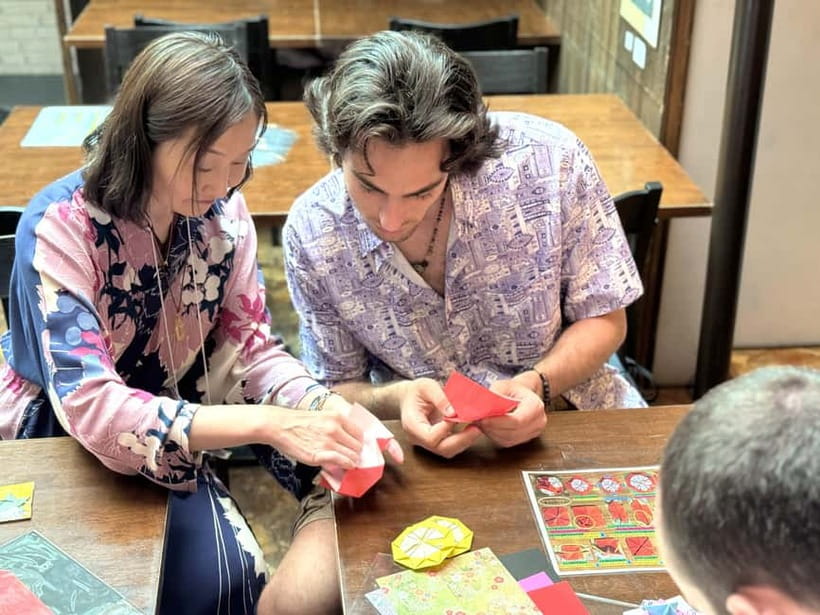
I think this workshop is a strong fit if you want a break from constant sightseeing. It’s also great if you like cultural experiences that aren’t just watching something—you’re participating.
It’s especially good for:
- Families looking for something age-friendly and creative
- Beginners who want guidance and patience
- Anyone who likes quiet activities after busy Kyoto days
- People who want a small, meaningful souvenir
You might want to skip or choose something else if:
- You already fold complex models and want advanced techniques (this class is focused on simple/basic designs in a limited time)
How to plan your day around this origami break
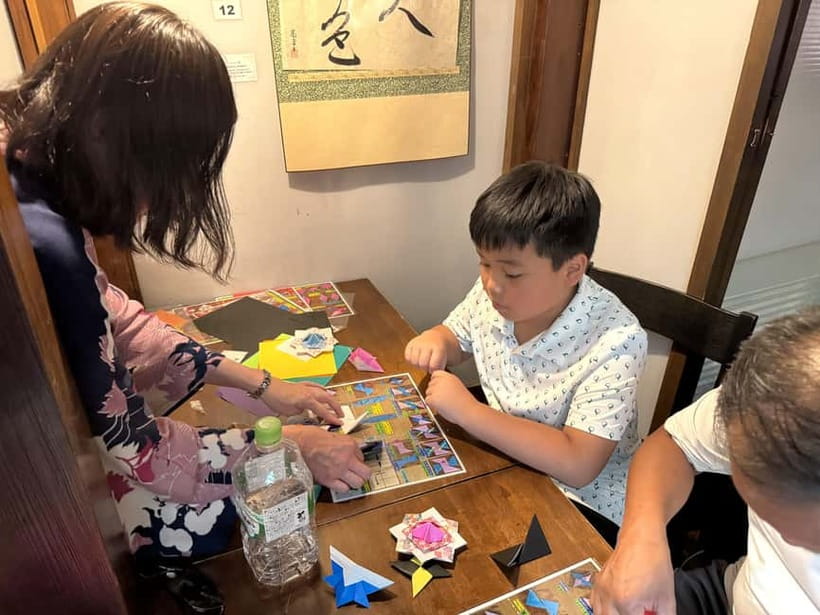
To get the most out of the workshop, I’d place it where you’d normally hit a long “downtime” stretch. For example, after you’ve done a busy morning of temples and crowds, come here and reset your brain for an hour.
The walk from Keihan Kiyomizu Gojo Station makes it easy to pair with other nearby Kyoto plans. And because it’s only an hour, it won’t blow up your schedule the way longer classes can.
If you’re bringing kids, consider this a low-pressure activity. The tone described in reviews is patient and encouraging, which tends to work well for younger hands learning something new.
Should you book Mindfulness Origami at Gojo Paradiso?
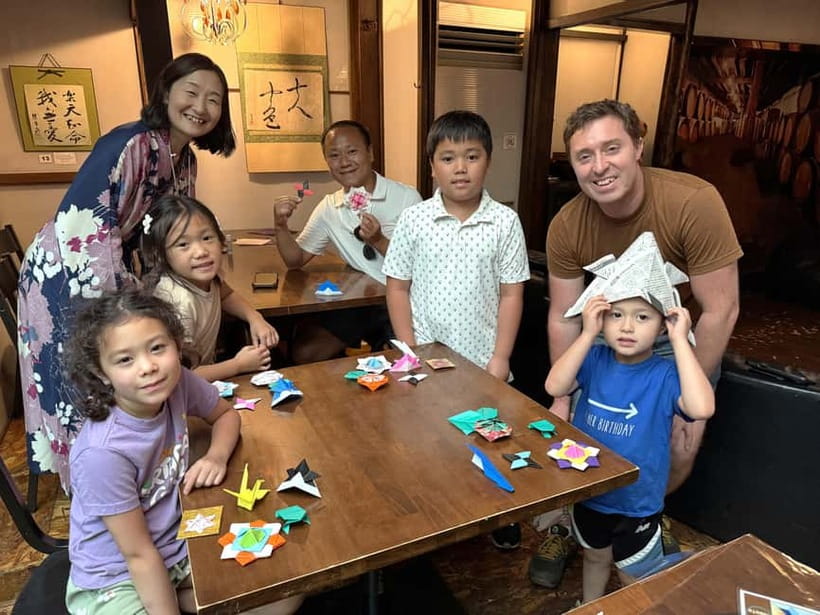
Yes—if you want a calm, hands-on Kyoto experience that doesn’t require special skills and still ends with something you can keep. The biggest reasons to book are the relaxed mindfulness focus, the supportive instruction style, and the fact that the class is small enough to actually help you when you get stuck.
If you’re looking for an advanced origami training session, temper your expectations: it’s built for accessible learning and finished creations in a short time. But for most people—families, beginners, and anyone who needs a breather—this is a solid use of an hour in Kyoto.
FAQ
How long is the Kyoto Mindfulness Origami Workshop?
The workshop lasts 1 hour.
Where is Gojo Paradiso located, and how far is it from the stations?
Gojo Paradiso is along the Takase River on Kiyamachi Street. It’s about a 5-minute walk from Keihan Kiyomizu Gojo Station (around 386 meters) and about a 10-minute walk from Keihan Shichijo Station.
What is the price, and what’s included?
The price is $29 per person, and origami supplies are included for use during the class.
What languages are the instructors available in?
The instructor provides support in English and Japanese.
Is it a small group class?
Yes. The workshop is limited to a small group (up to 10 participants).
Is it wheelchair accessible?
Yes. The workshop is wheelchair accessible.