REVIEW · KYOTO
Kendo and samurai experience in Kyoto
Book on Viator →Operated by Atelier NIN · Bookable on Viator
Two hours, one serious sword lesson. This private Kyoto class gives you kendo basics in a calm, no-pressure setting, plus hands-on practice with training weapons and real-sword moments. The main thing to consider: tatami mat cutting may not happen every time, even if it’s described as part of the experience.
I also like that you get close attention from your instructor in a small class, not a crowded demo. You’ll be shown how to handle the sword correctly, then you’ll have time to take photos and even shoot video while you’re suited up in samurai-style training gear. One more consideration: a few people mentioned the dojo setup and kit could feel small, so it’s best to treat this as a training session first, not a big themed attraction.
In This Review
- Key Highlights You’ll Actually Care About
- First Steps in Kyoto’s Kendo Studio (and Why Location Matters)
- Kendo Basics Without the Pressure: What You Learn in a Calm Class
- Training Gear and Sword Tools: From Bamboo to Blunt Replicas
- The Samurai Moment: What Cutting Practice Can Look Like
- Photos, Videos, and Instructor Attention (Where the Value Shows)
- What’s Special About Samurai Culture Here (Not Just Castles and Flags)
- The Shugakuin Imperial Villa Area: Timing Your Day Around the Class
- How Much Practice Do You Get in 2 Hours?
- Should You Book This Private Kendo and Samurai Sword Class?
- FAQ
- How long is the kendo and samurai experience in Kyoto?
- Do I need any martial arts experience?
- What ticket do I receive?
- What sword-training tools and equipment are used?
- Is tatami mat cutting included?
- Where does the experience start, and where does it end?
- Can I get a refund if I cancel?
Key Highlights You’ll Actually Care About
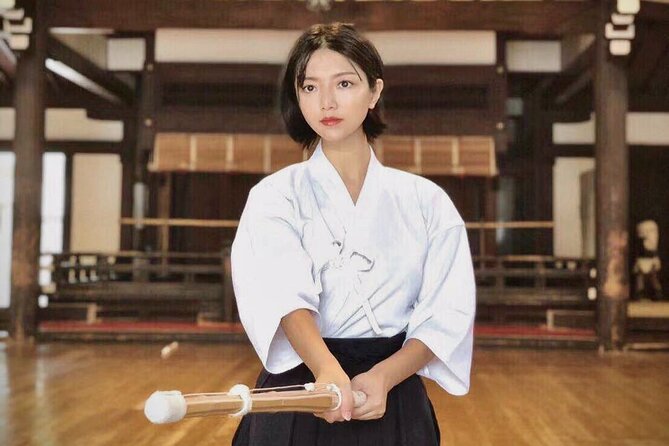
- Private-style teaching with an instructor giving direct corrections, even if your group stays small
- Training weapons first, usually bamboo shinai and other replicas before any cutting-style practice
- Samurai-style gear and photo help so you leave with usable memories, not just a blurry group shot
- Technique over brute strength, with instruction aimed at efficient movement rather than power
- Two-hour pacing, which means you’ll practice a lot more than you’ll wander around
First Steps in Kyoto’s Kendo Studio (and Why Location Matters)
This experience is set on the outskirts of Kyoto, starting in the Sakyo Ward area near Shugakuin Imperial Villa. That matters more than you’d think. Kyoto can feel like a nonstop crowds-and-cameras day, so having a short trip into a quieter neighborhood gives your brain a break. You get to focus on one thing: learning how kendo works, and how sword handling connects to discipline and respect.
You meet at studio NIN, at 修学院16 Shūgakuin Daidōchō, Sakyo Ward, Kyoto (606-8037). The class returns to the same meeting point when it’s done, which keeps your logistics simple. And because it’s close to public transportation, you’re not locked into taxi-only travel.
Inside, this doesn’t feel like a museum performance. It’s more like a dojo lesson with a visitor welcome. You’ll follow the instructor’s rhythm: get suited, learn the basics, practice the key movements, and only then move to the more dramatic “samurai moment” parts.
You can also read our reviews of more tours and experiences in Kyoto.

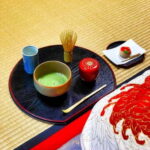
Kendo Basics Without the Pressure: What You Learn in a Calm Class
Kendo has rules, form, and a strong culture around controlled practice. The best part here is the teaching tone: no frantic “figure it out” energy. The class is designed so you can start from zero. You don’t need previous martial arts experience, which is a big relief if your trip schedule is already packed.
In the practice, you’ll be guided through foundational sword-handling skills: posture, how to hold and present the weapon, and what good movement looks like. The point isn’t to make you look cool on day one. It’s to help you understand the “why” behind the movements, like how your body alignment affects the swing and how control matters more than force.
Several people noted that the instruction focuses on technique rather than strength. That’s a useful reality check for visitors. If you’ve ever thought you’d have to be athletic to do this, you’ll feel better fast. Kendo is built around repeatable form and timing. With guidance, even a first-timer can make meaningful progress in one session.
English support seems to vary by instructor. Some classes are very easy to understand, and others required more work with translation. Still, the structure of the lesson helps: you can watch, copy the motion, and get corrections even when language takes a slower route. If you’re nervous about communication, bring a ready smile and a willingness to learn through demonstration.
Training Gear and Sword Tools: From Bamboo to Blunt Replicas
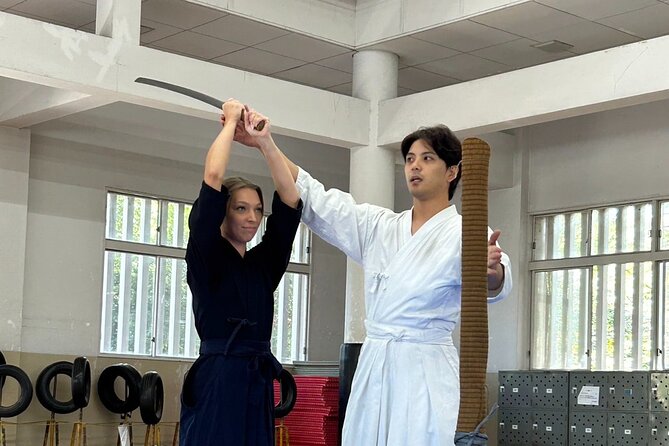
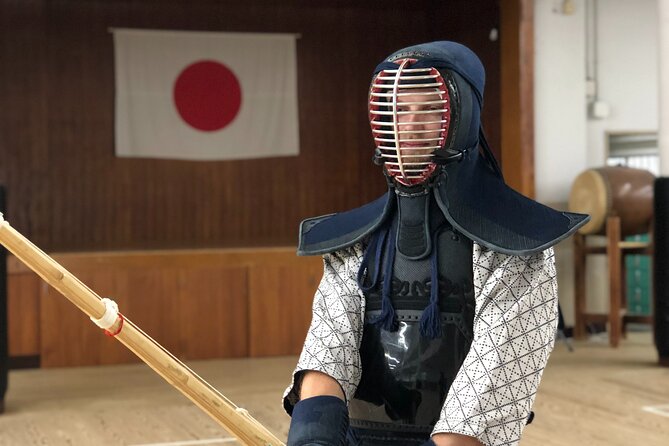
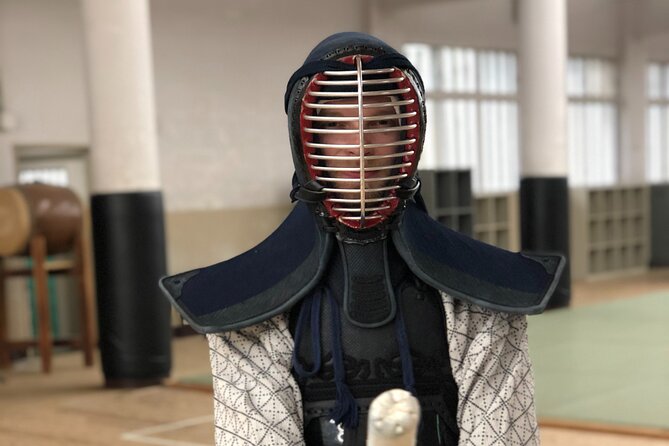
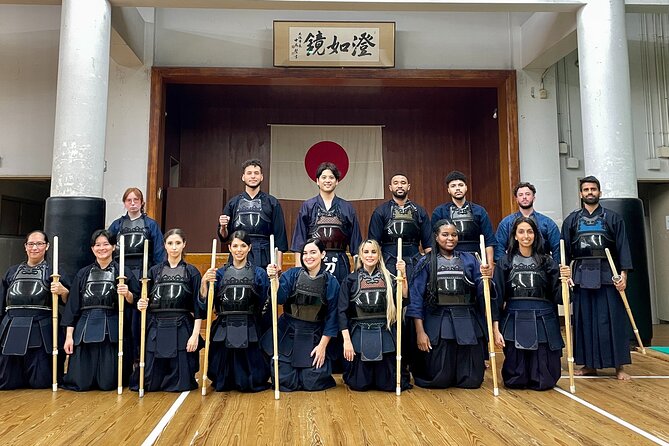
You’ll wear authentic training gear during the session. People describe helmets and other armor-style components as part of the setup, and the dojo experience is very much about “becoming the role” for a short time. That visual shift is part of what makes it feel like feudal Japan, not a generic activity.
That said, there’s an important practical note from past guests: a few people said they didn’t get the full uniform set, only parts of it (like seeing only one helmet). So if you specifically care about dressing head-to-toe, ask ahead when you confirm. It’s the sort of detail that can change your expectations.
On the tools side, the class uses a step-by-step training ladder. You may work with:
- bamboo practice swords (shinai-style training)
- foam swords
- blunt replica blades
This is the smart way to learn. You build control with safer tools first, then you progress toward the more intense part of the experience. That progression is also why the class is good for first-timers: it reduces guesswork and keeps you from feeling overwhelmed.
The Samurai Moment: What Cutting Practice Can Look Like
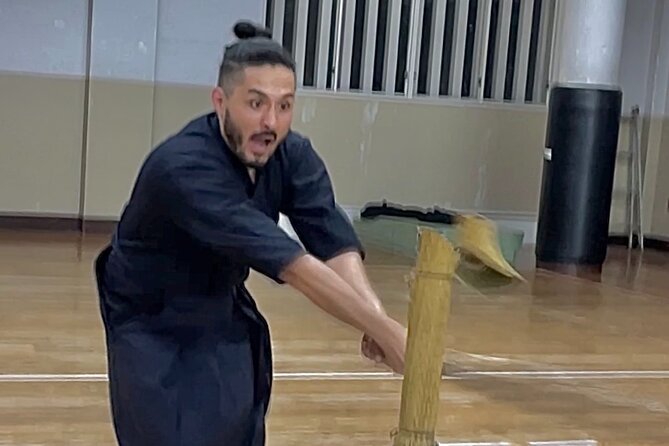
The “main event” in the description is slicing a tatami mat. But here’s where you should plan carefully. Japan has had legal restrictions around how tatami cutting can be offered. Some past participants reported the session did not include tatami mat cutting at the end, even though the experience was advertised that way.
So what should you expect in reality?
- You should expect hands-on sword practice with the training tools you’re given.
- You should be ready for cutting practice using whatever blunt or controlled method the instructor can legally and safely provide that day.
- You should confirm tatami mat cutting details at booking, especially if that part is the headline in your mind.
When tatami cutting is available, people describe it as a genuine bucket-list moment: holding a katana-style sword and making a clean, single-stroke cut. But even when tatami isn’t offered, the value doesn’t vanish. Learning how to swing and aim efficiently is still the core skill you’re paying for. Kendo is about controlled action, not just spectacle.
Also, many people loved that the learning is structured around efficiency. You won’t just bash the weapon. You’ll get pointers on where your body needs to be, how to swing through, and how to keep your technique consistent from attempt to attempt.
Photos, Videos, and Instructor Attention (Where the Value Shows)
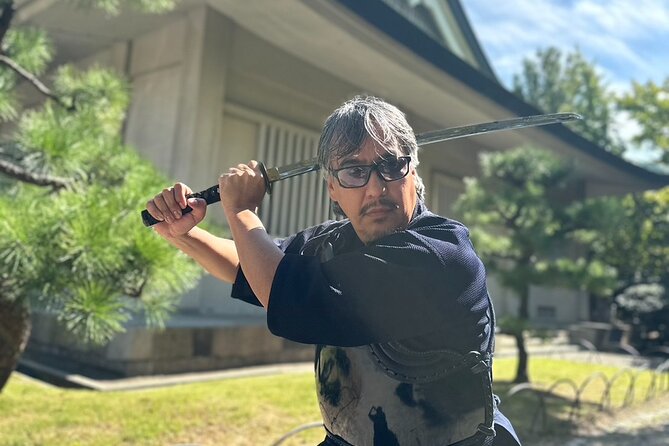
This class includes help with photos and videos. You’re not left to awkwardly shuffle around while someone tries to take a picture one-handed. The instructor takes the time to make it work, which means your “I did kendo in Kyoto” memory will actually look like something.
Group size is kept small (maximum of 15), and the class can feel private depending on who shows up. One person reported that their group ended up effectively private because nobody else signed up for their time slot. That’s the ideal scenario. Even if you end up in a mixed group, you’ll still get plenty of attention, because the lesson is skills-based and each person needs time.
At $105.68 per person, you’re not paying for a big entertainment show. You’re paying for structured coaching, gear, practice time, and the chance to do sword handling you can’t really replicate on your own in Kyoto. If you’re looking for hands-on learning instead of just sightseeing, the price makes sense.
If you’re hoping for a long, cinematic performance plus lots of roaming time, you might feel the pacing is too tight. One recurring caution is that the session can include time spent dressing, photos, and small talk. It’s still worth it, but set your expectations: you’re here to learn and practice, not to treat it like a slow arts-and-crafts tour.

What’s Special About Samurai Culture Here (Not Just Castles and Flags)
Kyoto is full of historic sites. That’s great. But this experience teaches you something more physical: discipline and technique.
Kendo has its own etiquette and worldview. When you practice posture, respectful weapon handling, and controlled movement, you’re getting a taste of the “way” mindset that shaped samurai culture. It’s not the same as walking through an old castle, and it’s not trying to replace that kind of sightseeing. It’s more like a short, practical chapter in the culture.
This also helps you connect kendo to what you may have already seen in Japanese media. People mentioned lifelong interest in samurai stories, and the class makes that interest tangible. You hold the training gear, you learn the basics, and you get a shot at a cutting-style moment if the setup allows it.
If you want your Kyoto trip to include one activity that feels like a real skill, not just a photo stop, this is a strong pick.
The Shugakuin Imperial Villa Area: Timing Your Day Around the Class
Your stop point is associated with Shugakuin Imperial Villa. Even if the session itself happens at studio NIN, that neighborhood connection is useful for planning.
If you’re coming from Kyoto Station or downtown, you’ll likely want to plan extra travel time. This class is not in the middle of the main tourist grid. One past guest even mentioned getting lost because it was in the outskirts, with quiet streets and fewer obvious landmarks to ask about. So give yourself buffer time, and use your map app carefully.
A good strategy:
- Schedule it for a time when you can take your travel slow and arrive calm.
- If you have time before or after, use the Shugakuin area as a quiet contrast to central Kyoto.
This is also one of those activities where arriving a little early helps your experience. Dressing and getting settled takes time, and you’ll get more practice when you don’t feel rushed at the start.
How Much Practice Do You Get in 2 Hours?
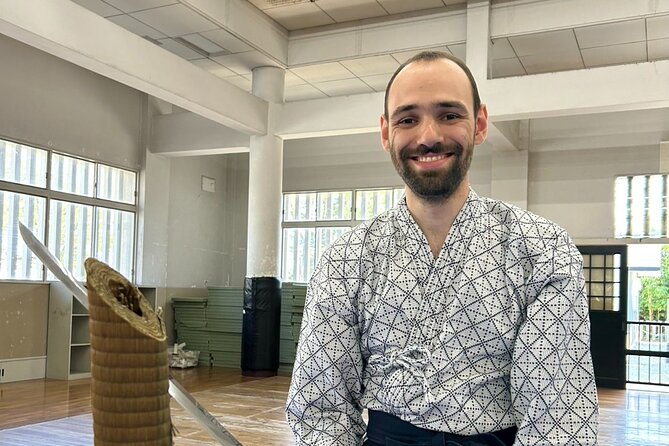
The session runs about 2 hours. That’s long enough to learn basics and try real practice, but short enough that every minute counts.
Here’s what helps you judge whether it matches your goals:
- If you want lots of sword drills and technique correction, you’ll likely feel satisfied.
- If you’re expecting constant, nonstop training with zero breaks, be aware that dressing, photos, and explanation take real time.
A few people felt the ratio could be improved—too much time on photos or small talk, not enough practice. That’s not unusual in first-time visitor activities. Still, the practical tip is to treat photos as part of the lesson, not as the lesson. If you want more practice, tell your instructor early that you’re here to train and ask for more attempts once you understand the basics.
When it works well, you’ll leave with something rare: a memory that includes a skill you actually practiced, not just an outfit photo.
Should You Book This Private Kendo and Samurai Sword Class?
Book it if you want:
- hands-on learning of kendo basics with direct coaching
- a calm, no-pressure way to try sword handling in Kyoto
- a session that includes training gear and photo/video help
- an activity that’s different from temples and historic streets
Consider skipping or verifying details first if tatami cutting is your top goal. Because of legal restrictions and mixed past outcomes, you should confirm what the instructor can offer on your exact date.
Also, if you’re very sensitive to comfort level—like you expect a spotless, modern facility—you may want to temper expectations. Some past guests described the dojo space as small or not perfectly maintained. The trade-off is that you’re getting a real training experience, not a polished storefront attraction.
Overall, this is a smart value choice for travelers who like learning by doing. If you want a memorable Kyoto day that actually changes what you can do with a sword—at least at the training level—this class is worth your time.
FAQ
How long is the kendo and samurai experience in Kyoto?
It lasts about 2 hours.
Do I need any martial arts experience?
No martial arts experience is needed. The instructor will guide you through the basics.
What ticket do I receive?
You get a mobile ticket.
What sword-training tools and equipment are used?
You’ll practice with training tools such as bamboo practice swords, foam swords, and blunt replica blades. You also wear authentic training gear.
Is tatami mat cutting included?
The experience description mentions slicing a tatami mat with a sword, but some participants reported they were not able to do tatami cutting. It’s best to confirm what’s included for your specific session.
Where does the experience start, and where does it end?
It starts at studio NIN 修学院16 Shūgakuin Daidōchō, Sakyo Ward, Kyoto (606-8037) and ends back at the same meeting point.
Can I get a refund if I cancel?
Yes. You can cancel up to 24 hours in advance for a full refund. If you cancel less than 24 hours before the start time, you won’t get a refund.