REVIEW · UJI
Kyoto: Tea Museum Tickets and Matcha Grinding Experience
Book on GetYourGuide →Operated by Chazuna · Bookable on GetYourGuide
A tea workshop with a museum brain sounds nerdy. It’s also calming: you grind matcha yourself at Chazuna in Uji, then learn how Uji tea gets from leaf to cup. Matcha grinding is the star, but the interactive exhibits help the whole experience click.
I especially like two parts: first, the hands-on grinding and brewing with a Japanese instructor (names you might hear in the class include Hideko, Keiko, Yano-san, and Sukimoto). Second, the museum section uses digital touch-style displays, including a 4K screen and the History Room’s big 10-yen coin.
One thing to consider is timing: you need to arrive early, and entry stops if you’re late by more than 30 minutes, which can throw off your day if you’re trying to rush other Kyoto plans.
In This Review
- Key Things to Know Before You Go
- Kyoto Tea Museum in Uji: Why This Feels Special
- Finding Chazuna: Meeting Point and Getting There Fast
- History Room First: the 10-Yen Coin and 4K Meisho-zue
- The Tea Museum Exhibits: Touchable Learning You Can Actually Use
- Grinding Matcha at the Tea Mill: the Part You’ll Remember
- Brewing Your Own Matcha: Instructor Coaching You Can Feel
- Tasting Time: What Your Cup Tells You
- Summer-Only 2:45 p.m. Treat: Matcha Over Ice Cream
- Price and Value: Is $23 Worth It?
- Who This Is Best For (and Who Might Skip It)
- Practical Tips So You Don’t Lose Time
- Should You Book This Matcha Grinding Experience?
- FAQ
- FAQ
- How long is the Kyoto Tea Museum tea grinding experience?
- What’s included in the ticket price?
- Where do I meet for the workshop?
- How early should I arrive?
- What happens if I’m late?
- Is the instructor able to speak English?
- Can I reserve and cancel if my plans change?
Key Things to Know Before You Go
- You’ll make matcha from scratch: grind the tea leaves, then brew your own cup guided by an instructor.
- Chazuna’s museum is included in the ticket, not a quick add-on.
- Touch-and-see digital displays help you understand how tea is produced, not just admire it.
- Uji specifics matter: you’ll focus on Uji tea origins and production at Chazuna.
- Summer-only option at 2:45 p.m.: pour your own ground matcha over ice cream (and you can drink it or eat it).
- The experience runs about 1 hour, so it fits well between bigger Kyoto sights.
Kyoto Tea Museum in Uji: Why This Feels Special
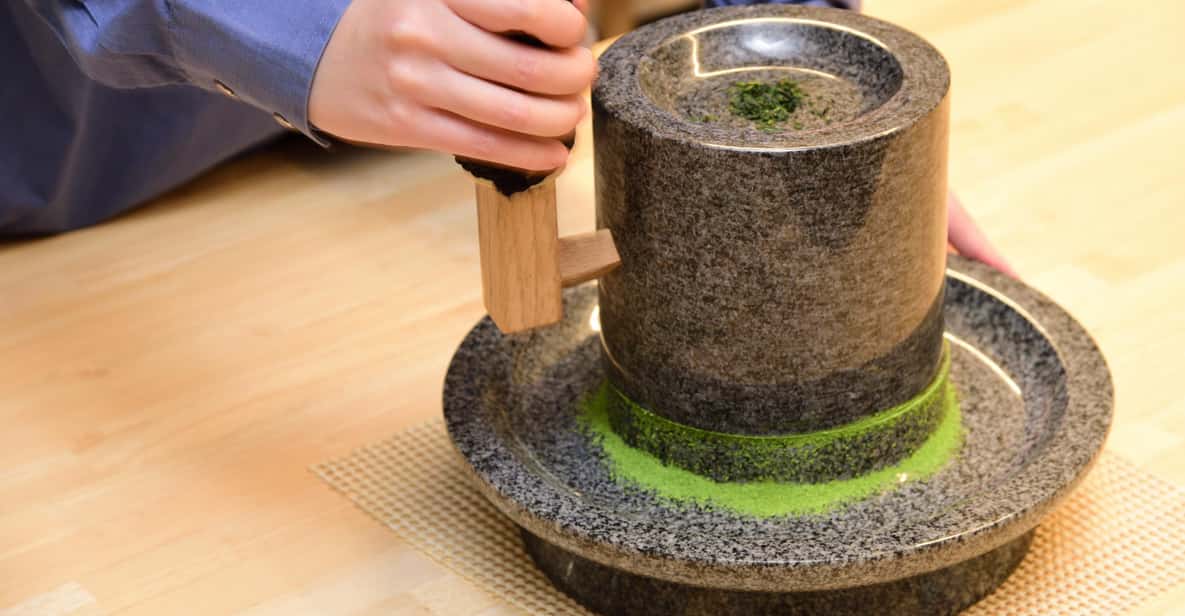
This isn’t a generic matcha tasting where you watch and sip. The format is built around doing: grind the leaves, learn the steps, and then drink what you made. That hands-on part changes the way you taste, because you’re paying attention to texture, aroma, and the effort behind the powder.
The other reason I like it is the setting. Uji is known for tea, and Chazuna leans into that with museum exhibits that explain what you’re actually experiencing in the workshop. You get the sensory part (fresh matcha aroma) plus the story part (how Uji tea is made) in one tight hour.
You can also read our reviews of more tours and experiences in Uji.


Finding Chazuna: Meeting Point and Getting There Fast
Meet at the 1F reception area at Chazuna, located in the Historical Park of Tea and Uji Town. Plan for a short walk even if you’re coming by rail, because that park area is a little spread out.
If you’re coming by train:
- From Uji Station (Keihan Uji Line): about a 4-minute walk
- From Uji Station (JR Nara Line, South Exit): about a 12-minute walk
If you’re driving, the directions provided focus on highway exits near Uji (for example, Keiji Bypass Uji Nishi IC from Osaka, and Keiji Bypass Uji-higashi IC from Tokyo/Nagoya). If you’re renting a car, I’d still treat this as a “park first, walk in” location rather than something you can park right at your classroom door.
History Room First: the 10-Yen Coin and 4K Meisho-zue
Before the class gets practical, you get context. Head into the History Room, where a huge 10-yen coin with the Byodoin Phoenix Hall greets you. It’s a clever way to connect tea to place, because Uji tea isn’t presented as a generic product—it’s framed as a local identity.
Then the museum leans on modern tools: there’s a large 4K HDTV digital screen featuring modernized townscape drawings called Meisho-zue. You can think of this as a shortcut for understanding what you’re seeing outside—Uji as a town with specific scenery, not just a stop with a famous temple.
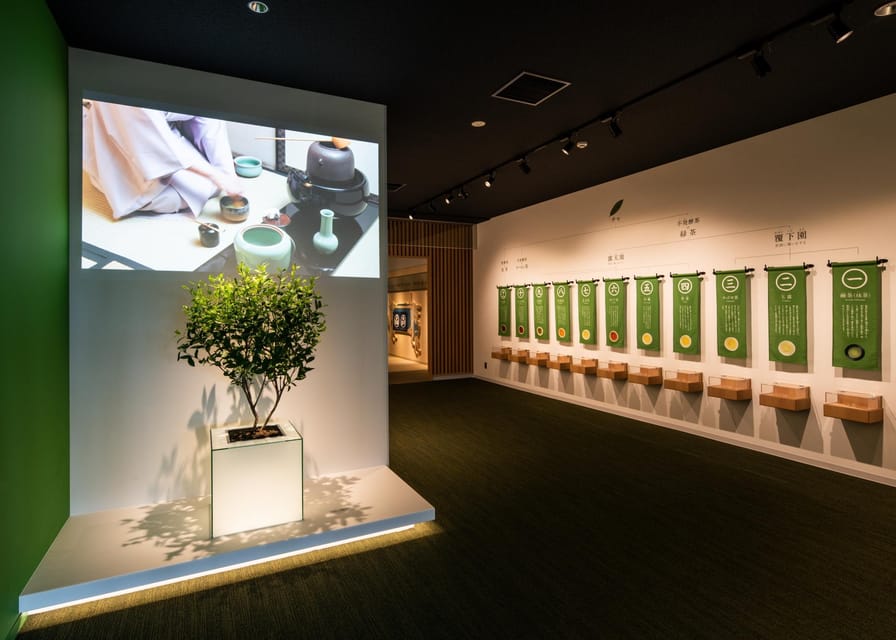
One underrated detail: the museum uses digital exhibitions where you can touch and experience the tea. When a museum is interactive, you don’t have to fake attention. Your hands pull you into the lesson.
The Tea Museum Exhibits: Touchable Learning You Can Actually Use
A lot of museums tell you facts. This one also tries to make those facts stick through interaction. You’ll see programs that explain the inception and production process of Uji tea at Chazuna, presented in an easy-to-follow way.
The big value here is that your matcha experience stops being random. When you understand what tencha is, how tea is processed, and why Uji is associated with high-quality tea, you taste with more intent. You’ll still enjoy it if you’re new to matcha, but you’ll also leave with answers if you’re the type who always wonders what makes one bowl taste different from another.
Grinding Matcha at the Tea Mill: the Part You’ll Remember
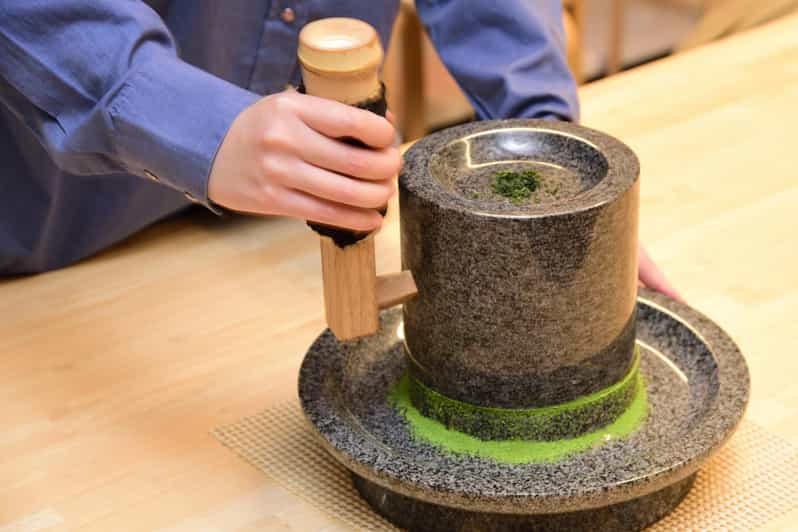
After the museum orientation, the session turns hands-on. You’ll move into the core activity: grinding tencha tea leaves into a powder using a tea mill.
This is where the senses take over. Freshly ground matcha has a particular aroma that feels almost grassy and sweet at the same time. When you grind it yourself, you notice the transformation: solid leaves become fine powder, and the smell intensifies as you work.
The experience is also visual. The workshop includes a view of tea fields and gardens, so it doesn’t feel boxed in. Even if you only have about an hour total, that view helps the time feel like an actual tea town moment rather than a quick indoor demo.
And yes, you’ll get instructor guidance. The class is described as supervised and instructor-led, and reviews repeatedly highlight how friendly and patient the teachers are while they walk you through the process. You’ll likely hear different teaching styles depending on who’s leading your session, with names like Hideko, Keiko, Yano-san, and Sukimoto showing up in participant accounts.


Brewing Your Own Matcha: Instructor Coaching You Can Feel
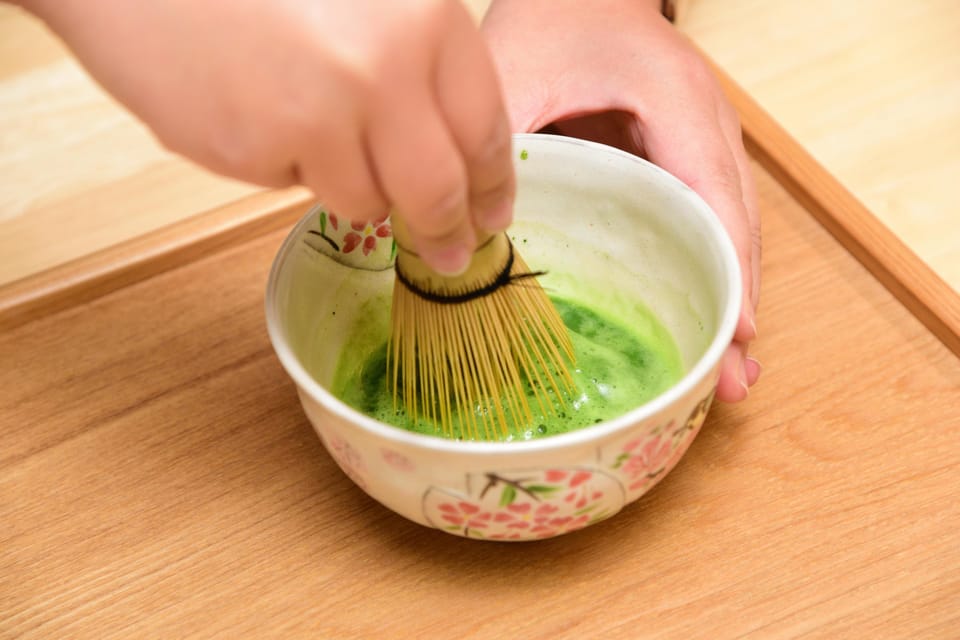
Grinding is the showpiece, but brewing is what turns it into a drink you can judge. After grinding, you’ll learn how to brew matcha with guidance from a Japanese tea instructor.
This part matters because matcha isn’t just powder you add to water. Technique changes everything: how you combine it, how you manage the texture, and how you think about the final cup.
You’ll see this reflected in the way people talk about the session: many mention learning the techniques and the steps of making matcha in a traditional style. Some people also mention a lighter, funny tone from the instructor, which helps if you’re worried about looking awkward while you learn something new.
One practical tip: pay attention during the first attempt. Your second sip will make more sense if you remember what you did differently.
Tasting Time: What Your Cup Tells You

At the end, you enjoy the matcha you made. That’s the moment the learning pays off. If the powder smells stronger than expected, you’ll understand why after you’ve ground it yourself. If the taste feels balanced or sharp, you’ll have a better sense of how your technique connects to flavor.
Also, because the museum portion uses interactive exhibits, you’ll have a few “why” answers in your head while you taste. That’s what transforms a workshop into a real experience. It’s not just a thing you checked off; it’s something you can repeat at home with more confidence.
Summer-Only 2:45 p.m. Treat: Matcha Over Ice Cream

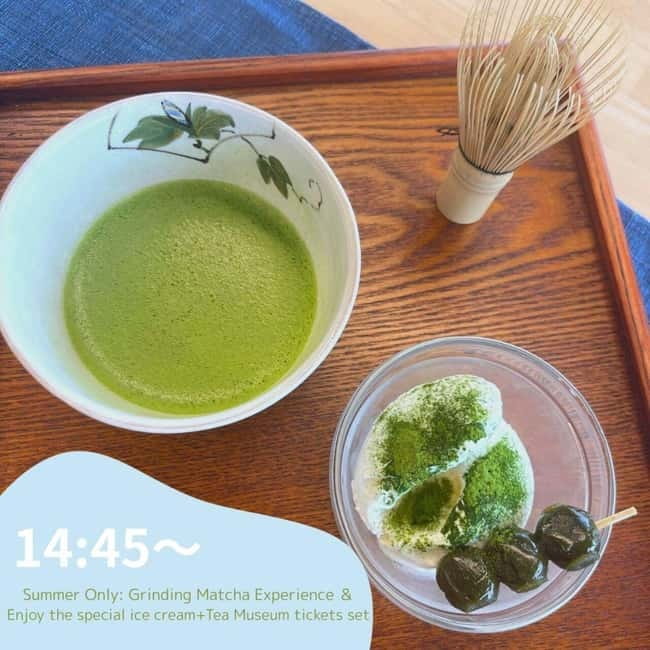
If you’re visiting during summer, there’s a special add-on at 2:45 p.m. only. The restaurant offers a cool experience where you can pour your own ground matcha over ice cream.
The fun part is choice: you can pour ground matcha over ice cream and drink it, or you can pour it over ice cream and eat it. It’s a simple idea, but it makes matcha feel playful instead of formal.
If you’re booking around a hot day, this is the kind of timing detail that can make the whole trip feel better. Water breaks and sweet breaks matter.
Price and Value: Is $23 Worth It?
At $23 per person for about 1 hour, the value comes from how many things you get together.
You’re not only paying for a workshop. Your ticket includes:
- Chazuna Museum entry
- Matcha making experience
- Instructor guidance
For many visitors, the workshop alone would be worth it because you get to grind and brew your own tea. The museum component adds educational depth without adding another long stop. You’re getting context before you taste, which makes the workshop feel smarter, not shorter.
Chazuna also maintains a strong reputation based on participant ratings (a 4.9 average across 739 reviews). High scores don’t automatically mean it’s for you, but in this case they align with the structure: people are consistently praising the hands-on part, the museum content, and the helpful instructors.
Who This Is Best For (and Who Might Skip It)
This experience is ideal if you:
- Love matcha or want to learn it beyond sipping
- Prefer hands-on learning over watching a demonstration
- Want a compact activity that still feels meaningful
- Are curious about Uji tea specifically, not just Kyoto in general
You might skip it if you’re looking for something fully hands-off or if you hate schedules. The whole thing is run with start-time discipline, and the experience is only one hour, so it won’t stretch into a long wandering day.
It’s also a good choice for solo visitors. Some participant accounts describe being seated with others, which can make it social without turning it into a large group circus.
Practical Tips So You Don’t Lose Time
Here’s how to make your hour run smoothly.
- Arrive 15 minutes early and go to the reception counter. This isn’t “nice to have.” It supports smooth class flow.
- Be on time. Entry or participation can be refused if you’re more than 30 minutes late, because it disrupts other customers.
- Wear something comfortable. You’ll be standing and working while you grind and brew.
- If you’re visiting in summer and want the ice cream matcha moment, aim for that 2:45 p.m. slot. It’s not offered at all times.
If you like to take photos, you’ll probably want a couple quick shots during the museum section too. Some participant accounts mention a fun photo spot related to matcha inside the museum area, so don’t treat the museum as purely educational.
Should You Book This Matcha Grinding Experience?
I’d book it if you want a matcha lesson you can repeat later. The combination of grinding, brewing with an instructor, and an included interactive museum makes it feel like more than a one-time tasting.
The biggest reason to say yes is the structure. You learn, you do, you drink. That’s the fastest path to understanding what Uji matcha is about without turning your day into a lecture marathon.
If you’re tight on time, this is built for that. One hour keeps it manageable, and Uji itself is easy to pair with other tea town stops. Just plan your arrival like a pro: get there early, stay within the start-time window, and you’ll get the full benefit.
FAQ
FAQ
How long is the Kyoto Tea Museum tea grinding experience?
The experience lasts about 1 hour.
What’s included in the ticket price?
Your ticket includes the Chazuna Museum admission, the matcha making experience, and instructor guidance.
Where do I meet for the workshop?
Go to the 1F reception area at Chazuna in the Historical Park of Tea and Uji Town.
How early should I arrive?
Please arrive 15 minutes before your reservation time so the class can run smoothly.
What happens if I’m late?
If you arrive more than 30 minutes after the start time, you may be refused entry or participation.
Is the instructor able to speak English?
Yes. The instruction is listed as Japanese and English.
Can I reserve and cancel if my plans change?
You can cancel up to 24 hours in advance for a full refund, and you can reserve now and pay later.