REVIEW · UJI
Uji: UNESCO Heritage & Tea Ceremony Walking Tour
Book on GetYourGuide →Operated by TripGuru Japan · Bookable on GetYourGuide
Uji sounds small, then it keeps surprising you. This 3-hour walking tour strings together major sights without feeling rushed: Byodoin Temple, a traditional tea ceremony at Taihoan, and scenic bridge walks around town. I especially like the small group size (up to 9), which makes it easier to ask questions and slow down when something catches your eye. I also like that the day includes real tea culture, not just a photo stop.
The one thing to plan around is the tea ceremony rules: photos and video are not allowed during the ceremony, and the ceremony is run in Japanese (your guide translates). If you’re expecting a fully flexible, camera-everywhere event, this may feel a bit strict.
In This Review
- Key highlights worth carving out time for
- Uji in three hours: a tight plan that still feels human
- Starting at JR Uji Station: quick orientation before you hit the highlights
- Byodoin Temple: UNESCO architecture that makes sense once someone points it out
- Taihoan tea ceremony: Japanese-only instructions, patient hosts, no camera time
- The bridge walk: Tachibara and Asagiri suspension bridges for real views
- Uji Shrine and Ujigami Shrine: Shinto meaning without getting lost
- Uji Bridge snacks: matcha and treats to end the walk
- Price and value: is $66 a fair deal for Uji?
- Who should book this tour (and who should skip it)
- Should you book the Uji UNESCO and Tea Ceremony Walking Tour?
- FAQ
- Where is the tour meeting point?
- How long is the Uji walking tour?
- What’s included in the price?
- Is the tea ceremony in English?
- Can I take photos or videos during the tea ceremony?
- How big is the group?
- What should I bring with me?
- Where does the tour end?
- Who is the tour not suitable for?
- What do I need to know about timing and getting there?
Key highlights worth carving out time for
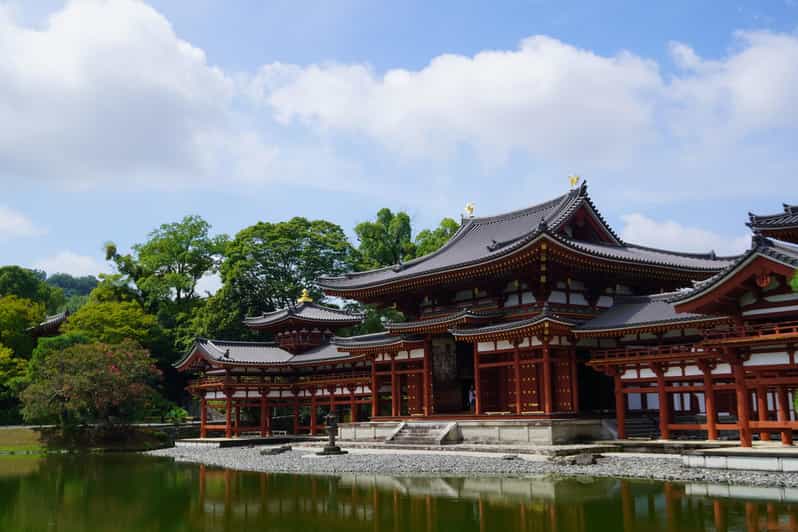
- Byodoin Temple (UNESCO World Heritage Site) with guided context so you understand what you’re looking at
- Taihoan tea ceremony with Japanese-only instructions you can follow thanks to translation
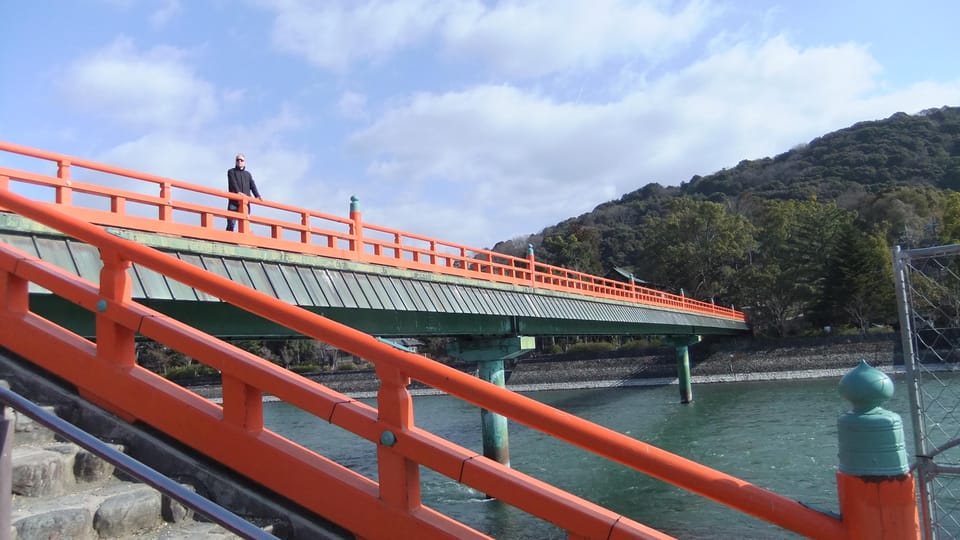
- Tachibara and Asagiri suspension bridges for river-and-valley views during the walk
- Uji Shrine and Ujigami Shrine stops that add Shinto depth to the day
- Uji Bridge snacks with local bites built into the tour pace
- English-speaking guides in small groups (often led by guides like Yuko, Katsu, or Nobumasa Miyake)
Uji in three hours: a tight plan that still feels human
Uji is one of those places where you can lose time just wandering. This tour turns that energy into a clean route that starts at JR Uji Station (South Exit) and ends at Uji Bridge. With a duration of about 3 hours and a group capped at 9 people, it’s long enough to feel like you did something meaningful, but short enough to fit into a busy Japan itinerary.
You’ll walk between the big religious landmarks, bridges, and tea spots at a steady pace. Bring comfortable shoes because the day involves multiple stops plus a scenic bridge crossing. And yes, Uji is famous for matcha, but the better payoff here is how the tour connects tea to the city’s history and culture, not just the product.
One more practical note: the meeting instruction is to arrive at least 10 minutes early. It’s a small-group setup, so showing up late can throw off timing for everyone.
You can also read our reviews of more walking tours in Uji
Starting at JR Uji Station: quick orientation before you hit the highlights
The tour begins at Uji Station, South Exit. Your guide will be holding a TripGuru sign or wearing a TripGuru shirt, so it’s usually easy to match up quickly. This matters because the first stretch sets the tone—your guide helps you get oriented, so the later stops make more sense.
A nice detail: the guides run the tour in English, and many have a friendly, easygoing style. Based on past groups, you may be led by guides like Yuko, Katsu, Katsuhiko, Nobumasa Miyake, or Miya-san. The names differ from day to day, but the approach stays consistent: explain what you’re seeing, then give you enough freedom to look.
Byodoin Temple: UNESCO architecture that makes sense once someone points it out
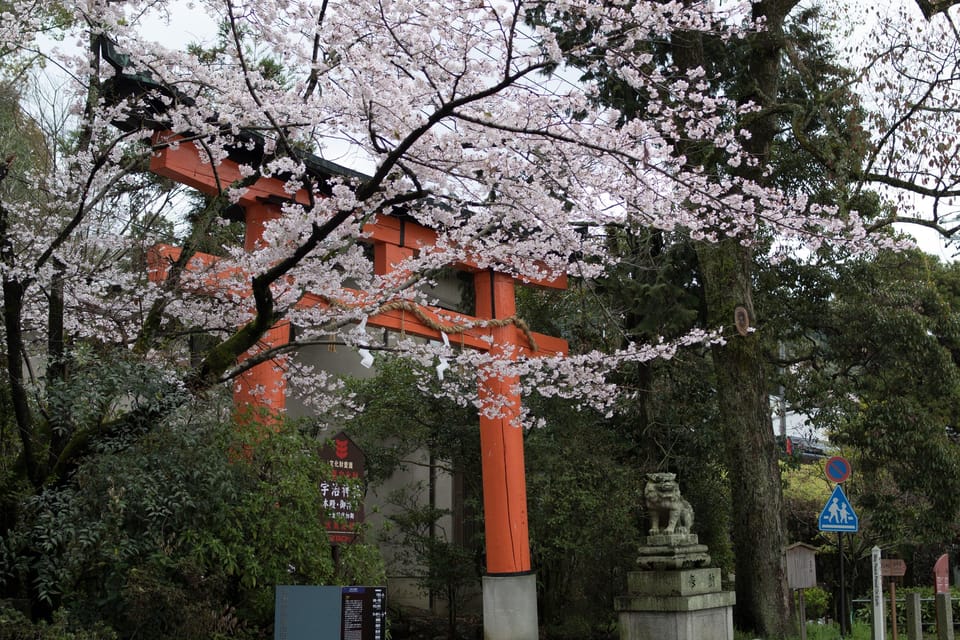
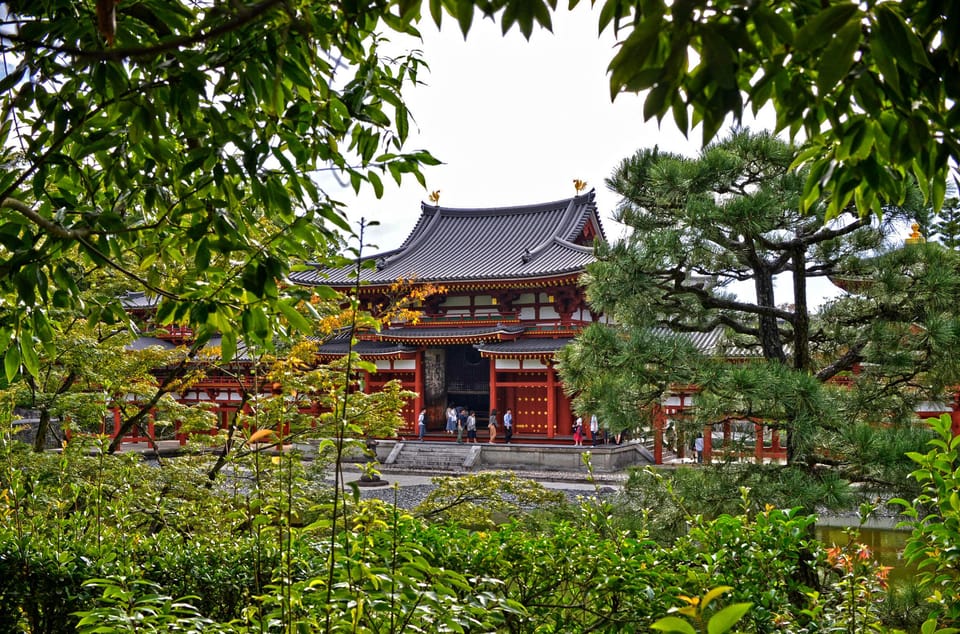
The first major landmark is Byodoin Temple. You’ll spend about 50 minutes here with a guided visit. This is the centerpiece for most people, and with good reason. The temple’s UNESCO status isn’t just branding—it’s about how the architecture and layout reflect the ideas of its era.
What I like about this stop is that you don’t just pass through. You’re given time to actually look around, and you’re guided through what matters visually and historically. If you’re the type who enjoys temples but feels a little lost without context, this kind of structured visit is exactly what helps you appreciate the site instead of scanning it like a checklist.
Practical tip: temples mean you should expect some walking on uneven ground and quiet spaces. Wear shoes that grip well, and keep your voice low inside the more sensitive areas.
Taihoan tea ceremony: Japanese-only instructions, patient hosts, no camera time
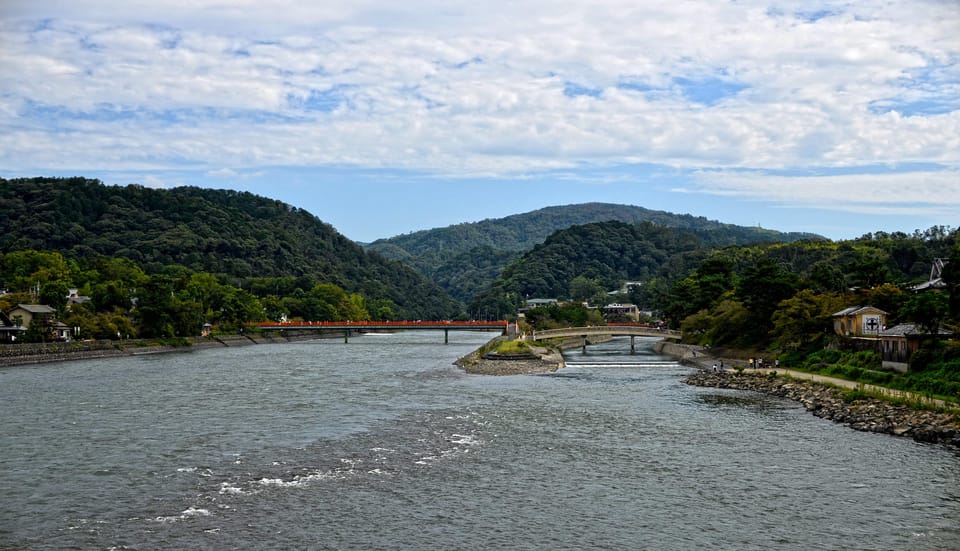
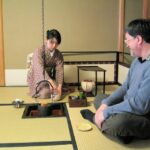
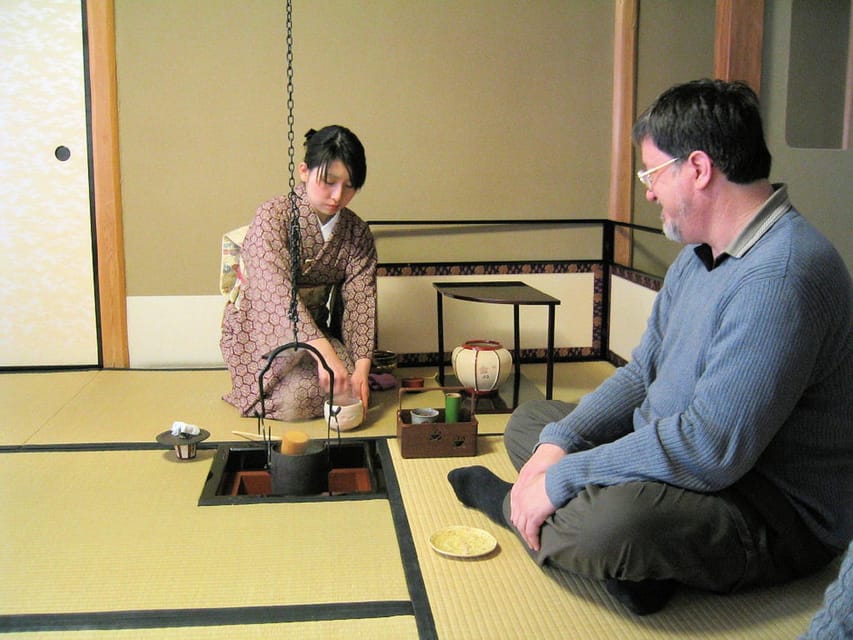
Next comes the highlight many people book for: a traditional tea ceremony at Taihoan. The ceremony segment runs about 30–40 minutes, depending on timing. Either way, it’s not a quick tasting. It’s a full cultural moment built into your route.
Here’s the real value: you get the rules of the experience explained while you’re inside. The format uses Japanese-only instructions for the ceremony itself, but your guide translates for you. So even if you don’t speak Japanese, you’re not left guessing what’s expected.
Two things to plan around:
- No photo or video during the ceremony. If you need visuals for later, take your photos before you enter and focus on the moment inside.
- Expect clear behavior instructions. The ceremony has structure, and the hosts typically guide you with a calm, forgiving attitude if you stumble—so don’t panic.
In past experiences with this tour, tea hosts have been described as welcoming and patient, which matters. A strict ceremony can feel intimidating; a guiding host makes it feel respectful instead of stressful.
Also, if you like the human side of travel, this stop often comes with small storytelling touches. One guide discussion even included a playful bird moment tied to the tea history, which is the kind of detail that makes the experience feel alive rather than scripted.
The bridge walk: Tachibara and Asagiri suspension bridges for real views
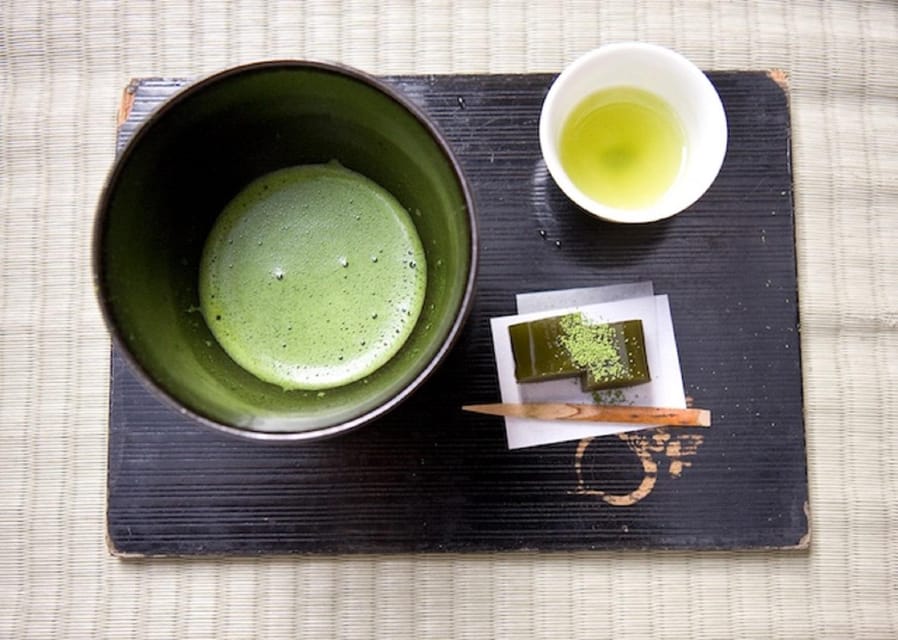
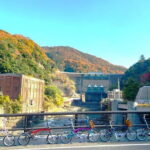
Between the temple and the later shrine stops, you’ll cross the Tachibara and Asagiri suspension bridges. The walking segment is short on the schedule—about 10 minutes—but bridges are one of those “small time, big payoff” experiences.
The bridges give you a break from interior spaces. You get wide sightlines and a change of pace. Suspension bridges also help you see how Uji sits in relation to the water and the surrounding terrain. It’s the kind of stop that’s hard to recreate by yourself unless you know exactly where to go.
Practical tip: bridges can be windy. Wear layers if you’re going in cooler months, and don’t assume the weather will be the same as the street outside. If you’re sensitive to breathing issues, the operator lists the tour as not suitable for people with respiratory problems, so take that seriously rather than toughing it out.
You can also read our reviews of more historical tours in Uji
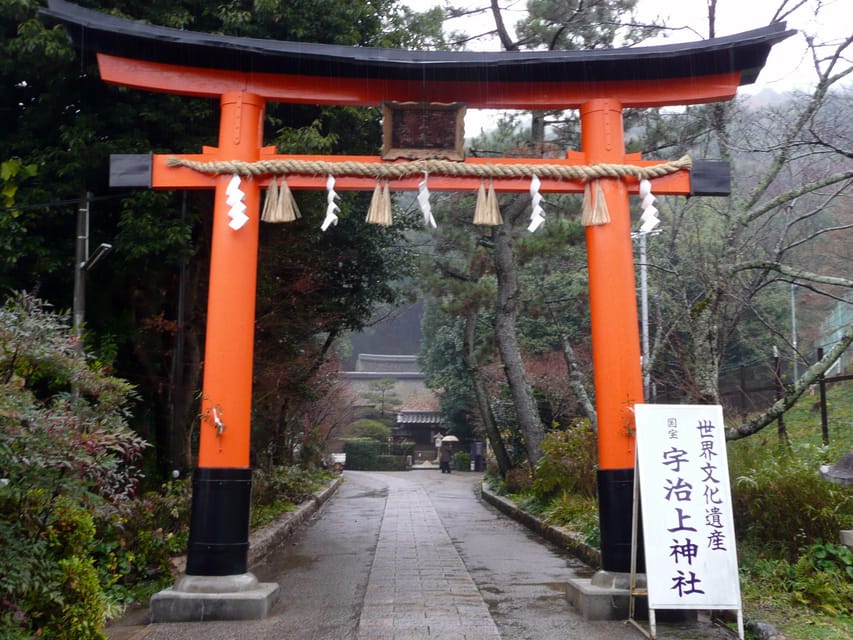
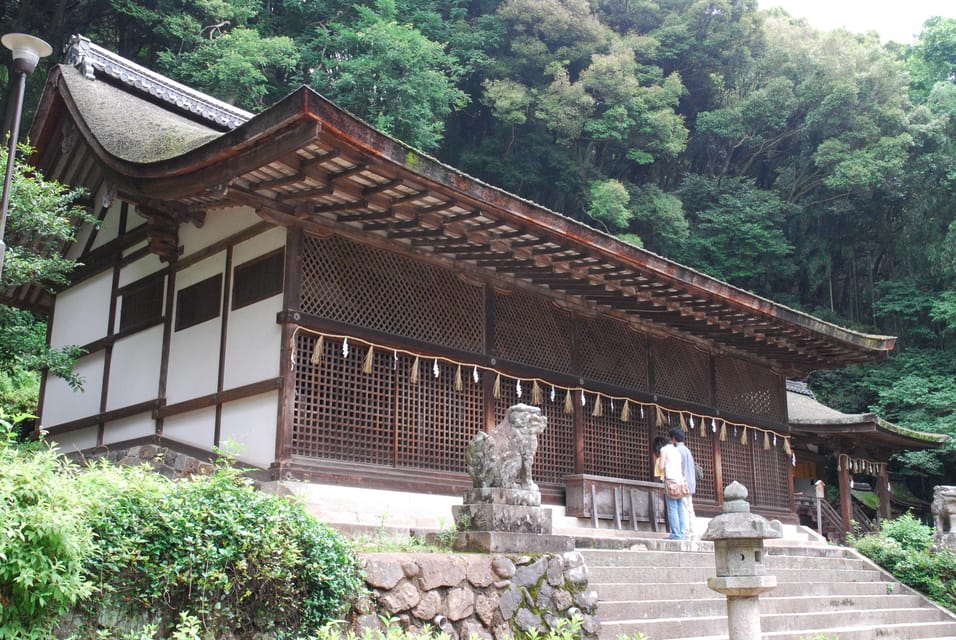
Uji Shrine and Ujigami Shrine: Shinto meaning without getting lost
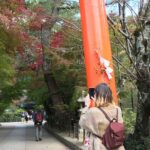
After the bridges, you’ll visit Uji Shrine and Ujigami Shrine, each with about 20 minutes of guided time. This is a smart pairing because it balances the Buddhism-focused center of the day (Byodoin) with Shinto perspectives around the city.
The value here is simple: the guide helps you connect what you see—sacred grounds, shrine customs, and cultural significance—to why it’s meaningful in everyday Japanese life. You don’t need to be an expert in Shinto or Buddhism to get something out of these stops, as long as you’re willing to listen.
Also, shrines are a good moment to slow down and look for small details. If you’ve ever felt like you “saw the gates but didn’t understand the point,” this is where a guided stop pays off.
Uji Bridge snacks: matcha and treats to end the walk
The tour finishes at Uji Bridge, with a snack stop included for about 40 minutes. This is where the day turns from cultural education into flavor.
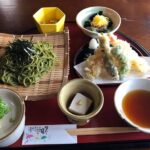
Uji is known for green tea, and this tour leans into it. You’ll have time to taste local snacks connected to that reputation. A lot of value here comes from what your guide does with the recommendations—people have described getting restaurant and shop ideas for matcha and treats like mochi, which you can use after the tour if you want to keep exploring on your own.
One practical note: the tour advises bringing cash. If you’re planning to buy extra items beyond what’s already included in the snack time, having some cash on you helps.
Price and value: is $66 a fair deal for Uji?
At $66 per person for about 3 hours, this is priced like a guided cultural experience, not a do-it-yourself walk. The key is what you’re paying for:
- English-speaking guide for context and translation
- Byodoin Temple entrance fees included
- Tea ceremony included, with staff-run instructions and a set cultural format
Those three items are the “real-world costs” that add up quickly if you were to plan the day separately. And because the group is limited to 9, you’re not paying just for transportation—you’re paying for a human guide who keeps the stops connected.
So the value question is less about whether the tour is cheap and more about whether you want guided access to the best pieces of Uji. If you’re the type who enjoys explanations at temples and shrines, and you want tea ceremony guidance without language stress, $66 looks pretty reasonable for what you get.
Who should book this tour (and who should skip it)
This works best if you:
- Want a high-impact walking day with major sights plus tea culture
- Enjoy small-group guide time and asking questions
- Appreciate structured experiences like ceremonies and guided temple visits
- Like the idea of ending with local snacks instead of a sudden stop
It’s not suitable for:
- Pregnant women
- People with mobility impairments
- People with heart problems
- People with respiratory issues
Even if you can handle walking, consider the whole day: multiple religious sites, bridge walking, and limited sitting during the ceremony. If any part of that feels risky for your health, it’s better to choose a different pace.
Should you book the Uji UNESCO and Tea Ceremony Walking Tour?
I’d book it if you want Uji to feel coherent, not random. This tour does a good job turning the headline attractions—Byodoin, Taihoan, and the bridge views—into a story you can follow. The small group size also makes it feel respectful and personal, not like a mass transit stop.
Skip it if you hate rules, dislike cultural experiences that require attention, or you’re hoping for lots of free-roaming time. The tea ceremony has camera limits, and the ceremony runs in Japanese, even though translation is provided.
If you’re flexible, bring decent walking shoes, and show up on time, this is a strong way to get real Uji culture in a short window.
FAQ
Where is the tour meeting point?
The tour meets at JR Uji Station (South Exit). The guide will be waiting with a TripGuru shirt or a TripGuru sign.
How long is the Uji walking tour?
The tour lasts about 3 hours.
What’s included in the price?
The price includes an English-speaking guide, a tea ceremony session, and entrance fees to Byodoin Temple.
Is the tea ceremony in English?
The tea ceremony is conducted in Japanese only, but your guide will translate for you.
Can I take photos or videos during the tea ceremony?
No. Photo and video recording is prohibited during the tea ceremony.
How big is the group?
The group is limited to up to 9 participants.
What should I bring with me?
Bring comfortable shoes and a camera. The tour also asks you to bring cash.
Where does the tour end?
The tour finishes at Uji Bridge.
Who is the tour not suitable for?
It’s not suitable for pregnant women, people with mobility impairments, heart problems, or respiratory issues.
What do I need to know about timing and getting there?
You should be at the meeting point at least 10 minutes early, and heavy morning traffic is expected. Travel time from navigation apps may be different from real conditions.