REVIEW · UJI
Kyoto tea town for matcha lovers
Book on Viator →Operated by フルダイニング料理教室 · Bookable on Viator
Matcha heaven in Uji, with real tea lessons. I love the hands-on matcha tastings and the traditional tea ceremony part of the day. My one real consideration: it’s a walking tour, and in hot months Uji can feel tough in direct sun.
This is built for food lovers and green tea fans, not museum hoppers. Expect a small group (max 7), a morning start at 9:30 am, and a pace that works for moderate fitness levels. It also helps that the meeting point is by public transport: Uji Station at 1716 Uji-Ujichou, Uji, Kyoto.
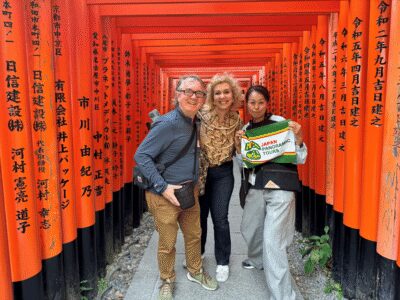
You’ll also get the town context: shrines, tea houses, tea fields, and the story of where tea culture comes from. The day includes stops where admission is listed as free, like Uji Shrine and Tsuen Main Branch, so you’re not constantly paying tiny fees during the walk.
In This Review
- Key highlights at a glance
- Kyoto tea town? Start with Uji’s tea-making reputation
- The walking pace: short, sweet, and still sweaty
- Uji Shrine: the first stop sets a thoughtful tone
- Tsuen Main Branch: matcha snacks with a long timeline
- Tea houses and tea fields: where the “why” becomes visible
- Making your own matcha: the real hands-on moment
- Lunch at a tea house: tea dishes that keep the day balanced
- The tea ceremony: calm ritual after the tasting
- Guide style matters: Terumi’s patient, question-friendly pace
- Price and value: $157.65 for a half-day that earns its keep
- Who should book this matcha town walking tour
- Should you book Kyoto Tea Town for Matcha Lovers?
- FAQ
- Where does the tour start?
- How long is the Kyoto tea town matcha walking tour?
- How much does it cost?
- What is the group size?
- What fitness level do I need?
- Is it near public transportation?
- What experiences are included during the day?
- Is there an admission ticket cost for the stops?
- What if the weather is bad?
Key highlights at a glance
- Small group max 7 for questions, photos, and a calmer pace
- Matcha-making experience that goes beyond tasting
- Tea ceremony in a traditional tea house after lunch
- Uji tea town landmarks, including an old shrine and historic shops
- Matcha treats like matcha rice cake skewers for snack variety
Kyoto tea town? Start with Uji’s tea-making reputation
Uji is one of those places where “tea town” isn’t marketing fluff. It’s a real corridor of tea culture—shops, fields, tea houses, and old landmarks all in walking reach. If you’ve ever tasted matcha and wondered how it went from plant to powder to cup, this kind of day tour is made for that question.
What I like about choosing Uji for a matcha tour is that it’s grounded. You’re not just hearing stories in the abstract. You’re seeing how tea culture sits in daily life, then turning around and tasting it—plus making your own matcha at some point during the program.
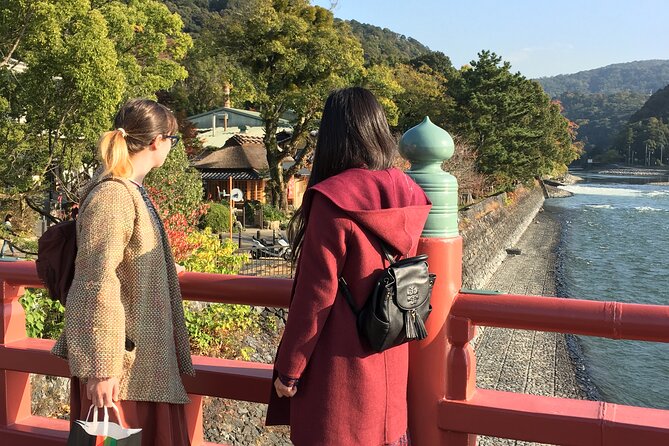
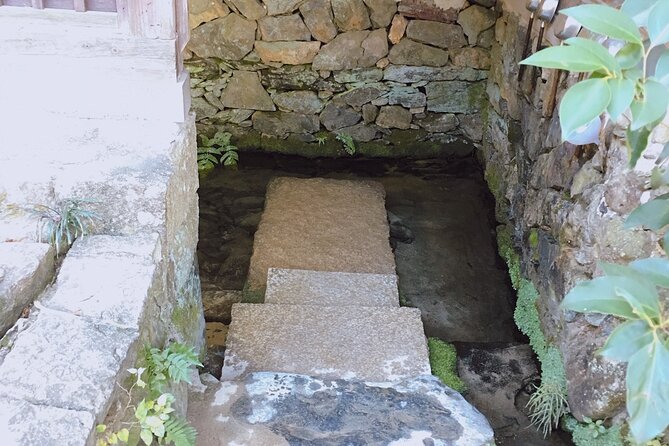
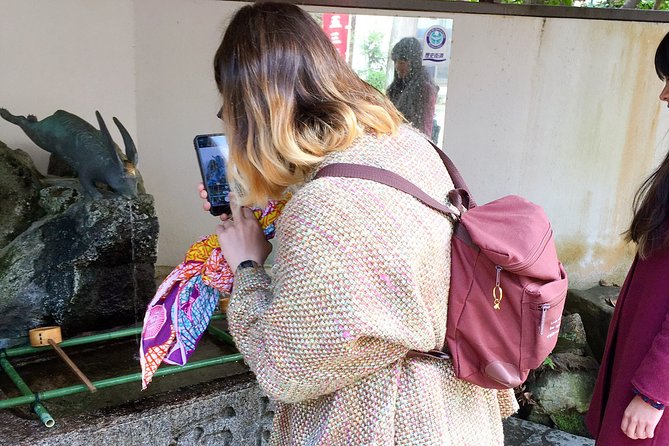
Also, Uji’s famous water shows up early in the experience. One of the first stops is Uji Shrine, described as one of the seven best waters in Uji. That detail matters because it hints at how tea, place, and tradition are linked in local thinking.
You can also read our reviews of more tours and experiences in Uji.

The walking pace: short, sweet, and still sweaty
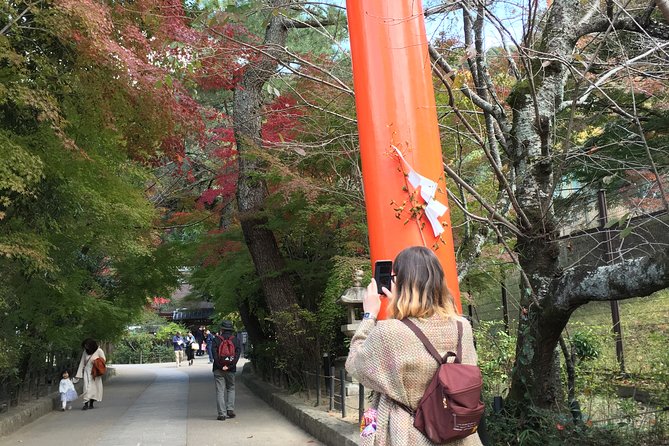
This experience runs about 5 to 5.5 hours and is described as a walking tour. The fitness level requirement is moderate, so you’re not doing a long hike—but you are on your feet for a good chunk of the morning and early afternoon.
The practical move is to dress for heat. June experiences pop up in feedback as especially hot for walking, so plan for sun and warm air. Bring water, something light for your shoulders if you want, and shoes you’re comfortable with for uneven pavement.
Group size keeps things sane. With a maximum of 7 travelers, it’s easier to move together without feeling rushed. You’ll also be able to ask questions when they come up, instead of waiting until the end of the tour.
Uji Shrine: the first stop sets a thoughtful tone
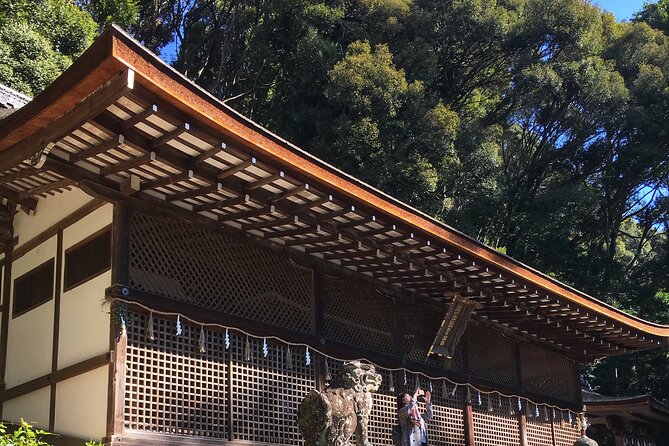
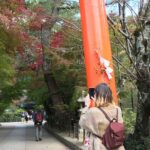
One of your earliest stops is Uji Shrine, with admission listed as free. It’s only scheduled for about 20 minutes, so you won’t be stuck in a long temple circuit. Still, it’s a meaningful opener because it puts the tea story into a wider cultural setting.
That 7 best waters detail is the kind of information you can file away for later. It also helps you understand why tea in Japan isn’t just a drink—it’s tied to aesthetics, ritual, and local beliefs.
The drawback here is simple: the shrine is a stop inside a busy walking day. If you’re the type who wants long quiet time at sacred sites, you’ll have to accept a “see it, learn it, move on” approach.
Tsuen Main Branch: matcha snacks with a long timeline
Another early anchor is Tsuen Main Branch, described as one of Uji’s oldest tea shops and listed as over 850 years old. Admission is also listed as free here, so you’re free to focus on tasting and learning instead of paying extra for each stop.
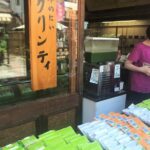
The food focus gets real at this stop. You’ll get a chance to taste matcha rice cake skewers, made with pure matcha powder. This is the kind of snack that teaches you something fast: matcha isn’t always served as a smooth drink. It’s used in sweets and savory-adjacent bites too.
What I like about including a historic shop this early is taste contrast. You start the day with tea culture in one form (snacks and local craft), then later you’ll reach the more ritual side of tea culture through ceremony and matcha preparation.
Tea houses and tea fields: where the “why” becomes visible
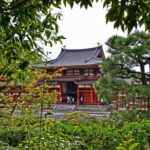
After the shrine and the historic shop, the tour shifts into the everyday scenery that makes Uji feel like a tea town. You’ll see tea houses and tea fields during the walk. Even when you’re not looking at a full production facility, this part helps you connect the powder on your tongue to the plants that create it.
This is also where guides tend to connect the dots for you: origins of tea, the art of tea ceremony, and what makes Uji special beyond the word matcha. The overall structure of the day gives you both sides—food and culture—so it doesn’t turn into a single-note caffeine sprint.
One practical tip: tea-field viewpoints can be pretty, but they don’t remove the walking. If you’re heat-sensitive, take your breaks seriously. Pause for water, shade when you can, and don’t treat this as a photos-only stroll.


Making your own matcha: the real hands-on moment

One of the most praised parts of this experience is the hands-on matcha-making. You might grind matcha powder yourself, including grinding using a traditional-style tool (often described as a stone mill). That’s not just a fun activity. It changes how you understand the taste.
When you make matcha, you learn how texture and freshness affect flavor. Even if you’re new to matcha, you’ll notice that the experience feels different from buying a bottle and mixing it at home. The act of grinding also slows you down, which is good on a day that otherwise moves.
This is a highlight if you’re traveling specifically for matcha or if you want something more than tasting samples. I’d treat this stop as the reason to book. If you’re only looking for a quick tea tasting with no craft component, you might find other Uji food tours better for you.
Lunch at a tea house: tea dishes that keep the day balanced
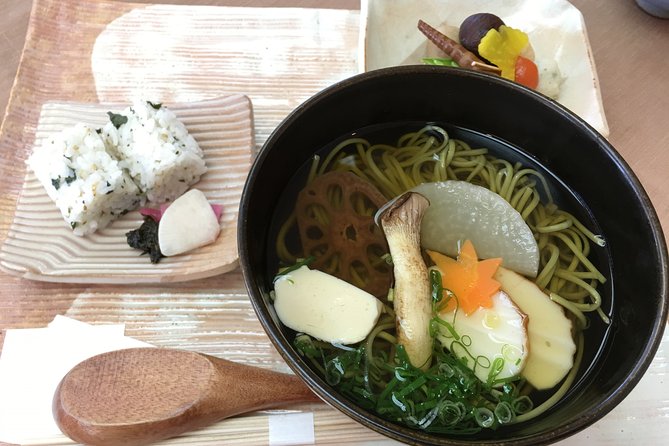
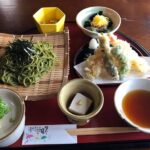
At lunchtime, the program pauses for tea dishes at a famous tea house. This matters because matcha-heavy days can get intense. A lunch stop helps you reset your palate and energy, and it keeps the day from feeling like nonstop nibbling.
You’ll also get a cultural shift right after lunch: the day moves from eating and visuals to ritual and ceremony. If you’ve ever experienced how tea ceremony feels calm and precise, you’ll understand why that timing works.
A small caution: because this is a walking tour with a set timeline, you won’t have a massive free-choice lunch window. You’ll eat what the tea house provides as part of the tour flow.
The tea ceremony: calm ritual after the tasting
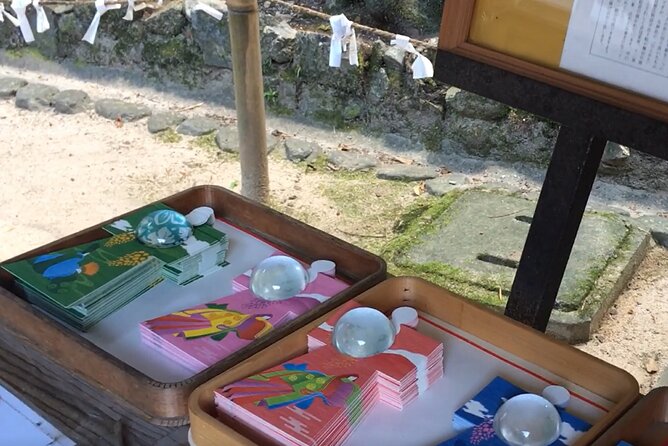
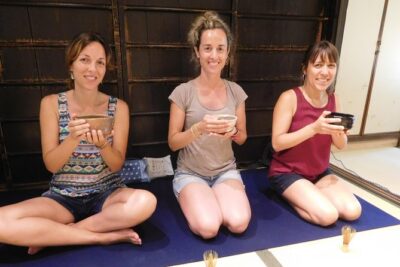
After lunch, you’ll experience an authentic Japanese tea ceremony in a traditional tea house. This is the moment where the tour stops being just a food walk and becomes a cultural lesson you can feel.
What makes the ceremony part so valuable is that it gives you context. You learn what to look for—how tea is prepared, how the ritual is paced, and how the ceremony fits into Japanese tea culture. Even if you don’t remember every detail later, you’ll remember the experience of slowing down and paying attention.
It’s also one of the best sections for your questions. In small groups, you can usually ask practical things about what you’re seeing and drinking instead of watching from the back like a statue.
If there’s a downside, it’s that tea ceremony sessions can feel formal. If you’re hoping for a lively street-food vibe the entire time, this section will be quieter. Think of it as the day’s palate-cleanser and mindset shift.
Guide style matters: Terumi’s patient, question-friendly pace
Many visitors highlight the guide by name: Terumi. The recurring theme is patience and friendliness, with a willingness to answer questions and adapt to a group’s pace. That matters on a tour like this because matcha days mix sensory tasks (tasting, grinding) with cultural learning (ceremony, origins, shrines).
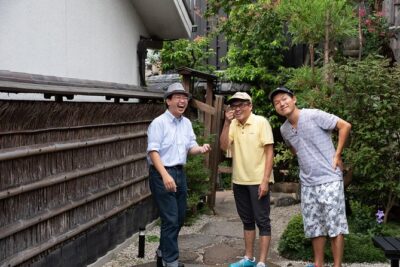
A tour can be full of correct facts and still feel awkward if the guide rushes or doesn’t explain. In this case, the feedback points to a guide who slows down when needed, takes group photos along the way, and stays open to curiosity.
If Terumi is your guide, expect a tour that feels like someone is showing you their home tea world, not just delivering a script.
Price and value: $157.65 for a half-day that earns its keep
The price is $157.65 per person for about 5 to 5.5 hours. That’s not cheap for Kyoto-area activities, and you should go in knowing what you’re buying: a guided day built around multiple experiences, not a single shop visit.
Where the value typically comes from on this kind of tour:
- You get multiple food stops (including matcha treats like rice cake skewers)
- You get a hands-on matcha-making moment (grinding your own powder)
- You get an authentic tea ceremony, not just a demo
- The day includes Uji landmarks, like Uji Shrine and historic tea shop time
- The tour is capped at 7 people, which reduces crowd stress
If your goal is just to taste one or two matcha items and leave, you may feel the cost. But if you want the full chain—tea culture setting, tasting variety, craft practice, and ceremony—this pricing starts making sense.
Also consider timing and stamina. If you book for a cooler month, you’ll get more enjoyment from the walking. If you go in summer heat, you’ll still have a great experience, but you’ll need to manage comfort.
Who should book this matcha town walking tour
This is a strong match if you:
- Love matcha and want more than a drink
- Want a mix of food + culture + hands-on practice
- Prefer a small group tour (max 7) over big bus energy
- Enjoy learning about Japanese tea ceremony and where it comes from
It’s also a good choice for families, if everyone is comfortable with moderate walking. One review mentions a family-friendly experience including matcha-making, tea ceremony, tea farm visits, and local shops. That suggests the tour can work across ages when the group is calm and curious.
You might want to think twice if you:
- Hate walking in heat
- Want a lot of free time wandering on your own
- Are only looking for the cheapest possible Uji food fix
Should you book Kyoto Tea Town for Matcha Lovers?
I’d book it if matcha is your main reason for visiting Uji. The combination of historic tea-shop time, tea dishes at lunch, hands-on matcha preparation, and a full tea ceremony is the kind of layered experience that you can’t easily replicate on your own without a lot of research.
I’d hesitate if you’re extremely price-sensitive or if you’re traveling in the hottest part of the year without good heat management. In that case, plan shade, water, and comfortable shoes, because this is a walking-based day.
If you want an efficient, guided way to understand Uji and taste the culture behind the green powder, this tour is a very reasonable bet.
FAQ
Where does the tour start?
It starts at Uji Station in Uji, Kyoto (address listed as 1716 Uji-Ujichou, Uji, Kyoto 611-0021, Japan).
How long is the Kyoto tea town matcha walking tour?
It runs about 5 hours to 5 hours 30 minutes.
How much does it cost?
The price is $157.65 per person.
What is the group size?
The maximum group size is 7 travelers.
What fitness level do I need?
A moderate physical fitness level is recommended since it’s a walking tour.
Is it near public transportation?
Yes. The start point is near public transportation (Uji Station).
What experiences are included during the day?
You’ll explore Uji with visits tied to tea origins and tea ceremony. The day includes time at Uji Shrine, an old tea shop stop (Tsuen Main Branch) for matcha treats, lunch with tea dishes at a tea house, and an authentic tea ceremony at a traditional tea house.
Is there an admission ticket cost for the stops?
For the stops listed, admission tickets are listed as free at Uji Shrine and Tsuen Main Branch.
What if the weather is bad?
This experience requires good weather. If it’s canceled due to poor weather, you’ll be offered a different date or a full refund.