REVIEW · UJI
Uji and Wazuka Matcha Farm Half Day Private Guided Tour
Book on Viator →Operated by Matcha Tourism · Bookable on Viator
Tea town beats temple hopping, fast. This Uji and Wazuka matcha tour blends iconic historic stops with time in real tea country, not just storefronts. Two things I really like are the chance for tea tasting (at least 3 different kinds) and the tea farm walk that teaches you how matcha culture works up close.
Just know one catch: the farm access can be bumpy and muddy, so your footwear matters. If you hate getting your shoes a little dirty, plan for that reality.
This is a true private guided half-day, about 4 hours, with an air-conditioned vehicle and a Japanese bento lunch set included. You’ll also get a tour guide, local tea and/or coffee, and enough structure that you can focus on the tea instead of playing map-and-transit detective.
In This Review
- Key highlights at a glance
- Matcha in Uji and Wazuka: a tea lesson you can actually taste
- Uji river stroll and the historic hits that set the mood
- Wazuka-cho: the tea valley that locals keep for themselves
- Tea farm walk and tasting: where the lesson sticks
- Bento lunch that doesn’t feel like a detour
- Price and logistics: is $360 per person worth it?
- Who should book this private matcha farm tour
- Should you book it: my decision checklist
- FAQ
- How long is the Uji and Wazuka matcha farm private guided tour?
- Is this tour private?
- Where do I meet the guide?
- What does the tour include for food and drinks?
- How many different teas are included in the tasting?
- Are there any admission tickets included for the sights?
- Can I request a vegetarian lunch?
- Is the tea farm walk hard?
- Can I cancel for a full refund?
Key highlights at a glance
- Uji by the river, plus Ujibashi Bridge: scenic walking in a classic tea town setting
- Old shrine and town stroll time: short stops with room to browse shops and a matcha cafe
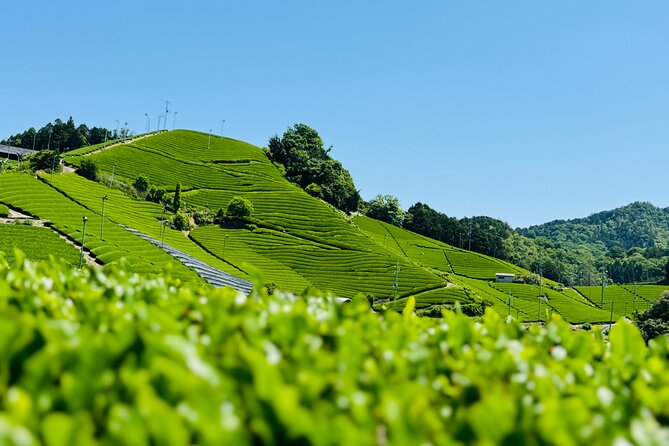
- Wazuka-cho tea valley with an 800+ year story: a matcha producing area tied to Imperial-level tradition
- Tea tasting with at least 3 types: you’ll compare different flavors instead of just sampling one bowl
- Bento lunch included: Japanese meal service, with a vegetarian option if requested in advance
- Private transportation and a guide: comfortable timing, so you don’t waste half your day figuring things out
Matcha in Uji and Wazuka: a tea lesson you can actually taste
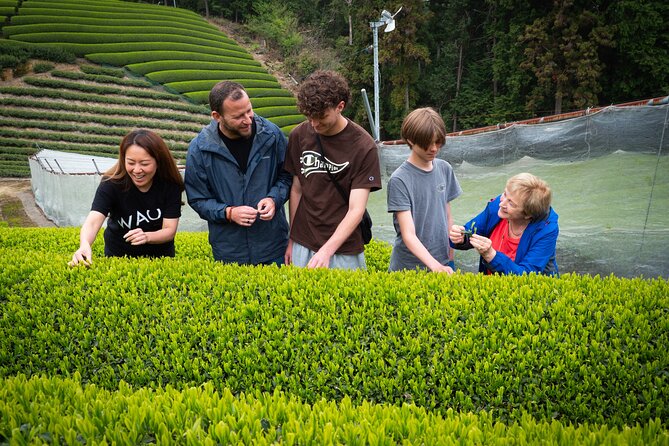
Uji and Wazuka are two different flavors of the same story. Uji gives you the tea-town vibe: river walks, a long-running culture of making and drinking tea, and easy access to the historic sights. Wazuka-cho shifts the tempo. It’s a quieter tea producing valley, surrounded by hills and shaped by riverside life, where matcha is part of the landscape and daily routine.
What makes this tour feel worthwhile is the mix of experiences. You’re not only standing at viewpoints. You’re walking through tea-farm space, tasting multiple types of tea, and eating a real Japanese bento lunch that fits the day instead of being an afterthought. Add a guide who can connect all those pieces, and you get a matcha education that feels practical, not museum-only.
And the private format matters. With your own group and a guide, you’re more likely to get questions answered and spend time where it actually clicks for you.
You can also read our reviews of more tours and experiences in Uji.

Uji river stroll and the historic hits that set the mood
You start in Uji near JR Uji Station at Itoh Kyuemon, then ease into the area on foot. The first stretch is along the Uji River and through the small-town feel of Uji’s tea district. This is one of those walks that works even if you’re not trying to “tour.” You’ll pass local shops and you may find a matcha cafe to pause in if you want an extra treat beyond what’s included.
After that, the tour keeps things light but meaningful with a few classic historic stops:
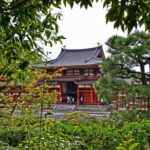
- Uji Shrine: one of Japan’s older shrines, with a quick visit that gives context to the area’s long cultural roots.
- Ujibashi Bridge: described as one of the oldest bridges of Japan, so it’s more than a postcard. It’s a real landmark that anchors the walk.
These stops are short. That’s good news if you want a half-day plan that doesn’t burn hours. The slight tradeoff is that you won’t have time for deep religious history or long photo sets. If you love lingering, you may want to arrive in Uji early on your own for extra time.
Still, for most people, this sequence works: you get the tea-town atmosphere first, then you’re ready for the greener, more focused tea-farm portion.
Wazuka-cho: the tea valley that locals keep for themselves
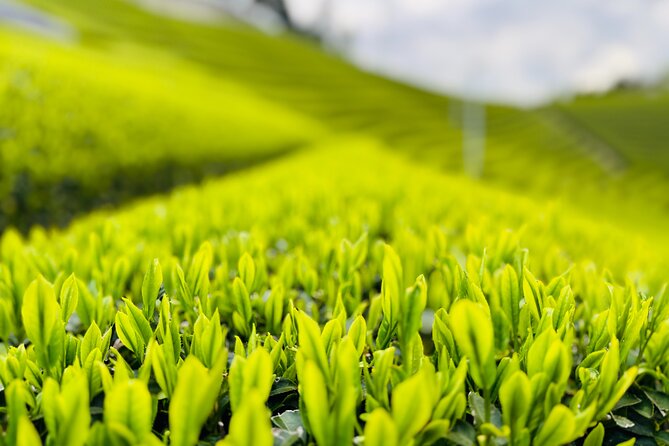
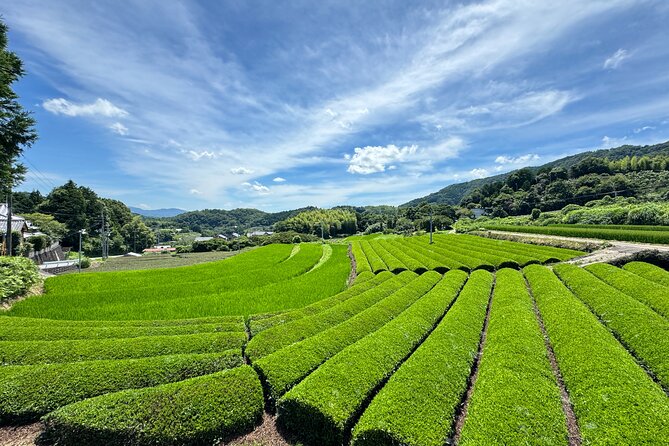
Then the day shifts to Wazuka-cho, often described as a hidden tea paradise and the heart of high-quality matcha production. The big historical point here is that tea production in this valley is tied to a long timeline—over 800 years—and it was once reserved for Japan’s Imperial Family.
I like this contrast: Uji gives you the recognizable tea culture on a timeline you can picture quickly. Wazuka feels like the working side of that legacy—tea shaped by the valley’s hills and waterways over centuries. The region is described as a place surrounded by mountains, crossed by a river, and still tied to nature in a practical way.
Your guide also builds the story as you go. In reviews, people highlight how much they learned from a local perspective—especially the history, the farming process, and how matcha connects to daily production.
You should expect about 3 hours in this part of the day, so it’s not just a quick drive-by. It’s long enough for walking, tasting, and time to slow down and look at how the tea environment works.
Tea farm walk and tasting: where the lesson sticks
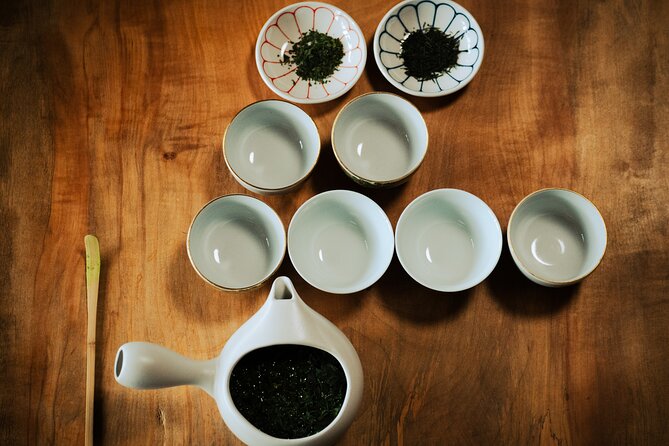
The core “you came for this” part is the tea farm walk plus the tasting. You’re not just hearing about matcha; you’re seeing the setting and then comparing tea varieties with samples.
The tasting is included and has a clear minimum: local tea tasting of at least 3 different kinds, with coffee and/or tea also part of the package. That matters because tea flavors can be wildly different depending on preparation and type. Even if you’re a beginner, comparing multiple varieties helps your palate learn faster than one bowl ever could.
One practical note: the farm access can be bumpy and muddy. That’s not a reason to skip the tour, but it is a reason to plan smart. Wear shoes you don’t mind getting dirty. If you’re using delicate sneakers, save them for city sidewalks.
Also, during the day you might get hands-on activities. In the experience feedback, people mention a chance to make and eat mochi, which pairs well with tea drinking and usually gives the day that extra “I didn’t expect that” memory. Since that isn’t spelled out as a guaranteed step in every description, think of it as a possible extra that depends on timing and the setup.
Bento lunch that doesn’t feel like a detour
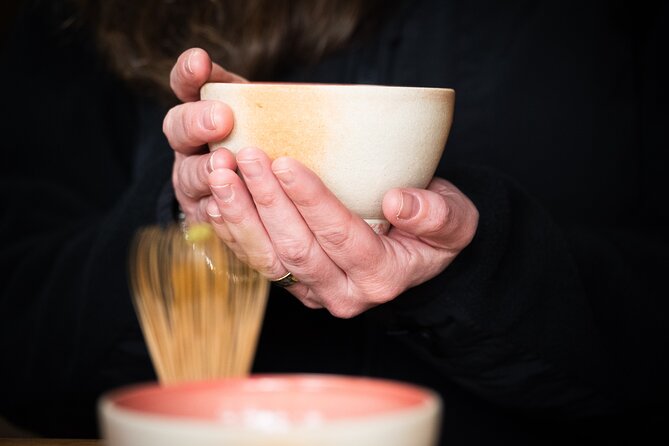
This is one of the easiest ways this tour adds value: lunch is included. You get a Japanese bento lunch set, and there is a vegetarian option if you request it in advance.
Why I like this setup for Uji and Wazuka: in rural tea country, meal timing can make or break your schedule. When lunch is built in, you don’t spend your day hunting for something that fits your tastes and timing. You can focus on tea, walking, and photos instead of asking, Where do we eat now?
Snacks and extra drinks on the street are not included, but that’s normal here. The included meal should be enough to keep energy up, especially if you’re walking on uneven ground near the farms.
If you care about dietary needs, submit that vegetarian request early. The tour description is clear that it’s available with advanced request, so it’s better to give yourself a solid chance rather than trying to improvise at the last minute.
You can also read our reviews of more private tours in Uji
Price and logistics: is $360 per person worth it?
The price is $360 per person for a private half-day, about 4 hours. That’s not cheap, but you’re paying for more than “a driver with a phone.” You’re buying a package: a private guide, private transportation, a structured plan of historic Uji sights plus Wazuka-cho time, and included tasting and lunch.
Here’s how I’d judge value:
- If you compare it to piecing together train rides, taxis, entrance tickets, and tea tastings on your own, the math gets more favorable because tastings and lunch are included.
- If you’re traveling with someone who also wants to taste multiple tea types and get context, private format helps you avoid schedule stress.
- If you’re the kind of traveler who enjoys asking questions, the guide time becomes a big part of the value. The reviews consistently point to how helpful and friendly the guide is, and how much context people took away.
Logistically, the start point is near JR Uji Station (Itoh Kyuemon), and the activity ends in a different location. That means you should plan your next stop with a little flexibility, since you may not finish exactly where you started.
One more practical detail: the tour includes a group discount and uses mobile tickets, which tends to make last-minute planning easier. If you like smooth logistics and hate wasting time, those are small perks that add up.
Who should book this private matcha farm tour

This tour fits best if you:
- love matcha and want a day focused on tea culture, not just “quick sightseeing”
- want a private experience with a guide who can explain what you’re seeing and tasting
- enjoy short historic stops plus a longer time in working tea-producing areas
- appreciate included meals, especially bento lunch, with a vegetarian option available
It may not be the best fit if you:
- hate uneven paths or getting shoes muddy (the farm access can be bumpy)
- want a slow, deep, hour-by-hour crawl through every shrine and side street
- prefer free-form exploring without structure
If you’re traveling solo, this is also a good way to avoid joining a big group where you can’t ask questions or stop when something catches your attention.
Should you book it: my decision checklist
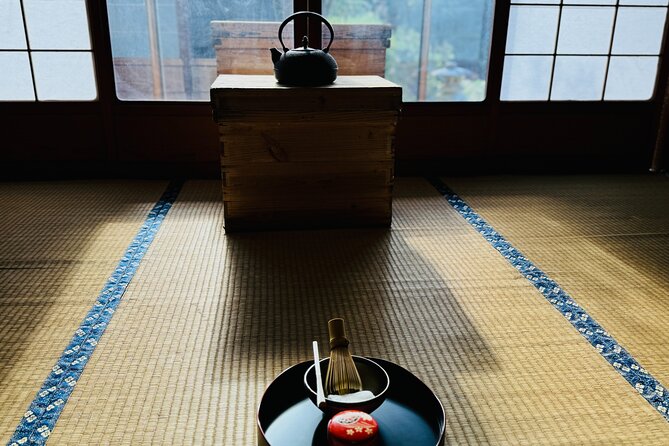
Book this tour if your priority is real matcha culture: tea farm walking, a proper tasting with multiple tea types, and an included bento lunch in Uji and Wazuka. The structure is strong for a half-day, and the private guide format is what makes it feel personal rather than like a generic checklist.
Skip or rethink if you’re strictly avoiding messy ground, or if you already plan to spend lots of time in Uji only for river and shrine vibes. In that case, you might be better with something shorter or purely city-based.
If you do book, go in with two small mindset tips:
1) Wear footwear you can trust on uneven, muddy ground.
2) Treat the tasting as your main event. Ask questions, compare flavors, and don’t rush the samples.
FAQ
How long is the Uji and Wazuka matcha farm private guided tour?
It runs for about 4 hours.
Is this tour private?
Yes. It’s a private tour/activity, and only your group participates.
Where do I meet the guide?
You start at Itoh Kyuemon – JR Uji Station (SaboUmonji-16-1 Uji, Kyoto 611-0021, Japan).
What does the tour include for food and drinks?
You’ll get a Japanese bento lunch set, plus coffee and/or tea and a local tea tasting.
How many different teas are included in the tasting?
The local tea tasting includes a minimum of 3 different kinds.
Are there any admission tickets included for the sights?
The listed admissions for the Uji river area, Uji Shrine, and Ujibashi Bridge are free.
Can I request a vegetarian lunch?
Yes. A vegetarian option is available with advanced request.
Is the tea farm walk hard?
The farm access can be bumpy and muddy, so it helps to wear shoes you’re comfortable getting dirty.
Can I cancel for a full refund?
Yes. You can cancel up to 24 hours in advance for a full refund.
If you tell me your travel dates and whether you’re a solo traveler or coming as a couple/family, I can help you decide if this half-day matcha plan fits your schedule in Kyoto-area tea country.