REVIEW · UJI
Slow Cycling Tour at Uji’s Matcha Green Tea Fields and Heritage
Book on Viator →Operated by BROMPTON SLOW CYCLING TOURS · Bookable on Viator
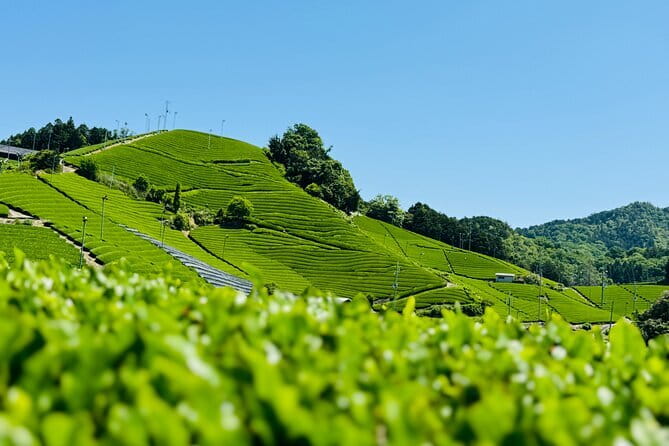
Spin through Uji’s matcha lanes. This slow cycling tour uses a BROMPTON bike to cover more of Uji than you could on foot, while keeping the pace gentle enough for most people. I love that it pairs matcha-focused stops with classic religious sites, so you get more than just a tea photo day.
Chazuna and the riverside sections make the day feel like a real local routine, not a checklist. The small group size (max 6) also means you get more attention from the guide and less time waiting around. One thing to plan for: a couple of stops have optional paid entry tickets, and the tour runs only with good weather.
Key takeaways before you go
- BROMPTON bikes make slow cycling easy and fun, even if you are not a road-bike person
- English guide plus local navigator means you get context, not just directions
- Small group cap of 6 keeps stops relaxed and photo-friendly
- Shrines, a Zen temple, and a dam valley walk give variety without big travel transfers
- Optional ticket stops (Chazuna and Byodo-in Phoenix Hall) can add cost if you want everything
In This Review
- Why Uji Feels Better Than a Typical Kyoto Day Trip
- The 4.5-Hour Plan: What the Route Actually Delivers
- Stop 1: Tea Culture at Chazuna (Optional Ticket)
- Stop 2: Uji Shrine for Academic and Family Luck (Free)
- Stop 3: Ujigami Shrine and the Kirihara Water Connection (Free)
- Stop 4: Asagiri Bridge Photo Stop Over the Uji River (Free)
- Stop 5: Koshoji Zen Temple and the Kotosaka Slope (Free)
- Stop 6: Amagase Dam and a Riverside Nature Walk (Free)
- Stop 7: Byodo-in Omotesando and Optional Phoenix Hall Entry
- BROMPTON Slow Cycling: Why the Pace Works for Real People
- What You Get From the Guide: Takashi’s Style of Uji
- Food and Matcha Breaks Without Turning Into a Search Mission
- Price and Value: What $130.46 Covers (and What It Does Not)
- Who Should Book This Uji Slow Cycling Tour
- Should You Book This Uji Slow Cycling Tour?
- FAQ
- FAQ
- How long is the Uji slow cycling tour?
- What time does the tour start?
- Where is the meeting point?
- Does the tour end back at the meeting point?
- What is the group size limit?
- Is an English guide included?
- Are the bicycle and equipment included?
- Do I have to pay for Chazuna?
- Do I have to pay for Byodo-in Phoenix Hall?
- Is insurance included in the tour price?
Why Uji Feels Better Than a Typical Kyoto Day Trip
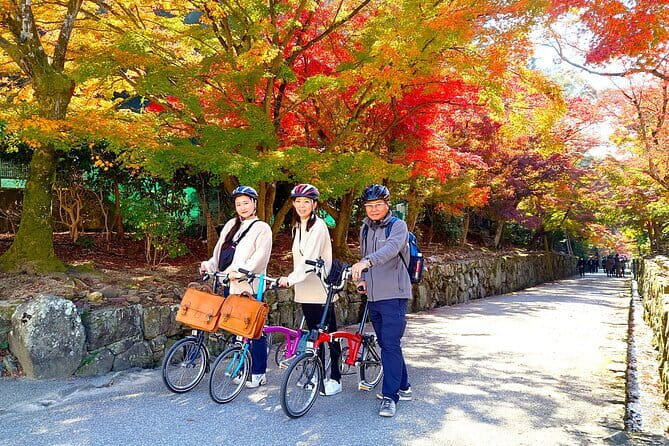
Uji sits south of Kyoto and somehow manages to feel more grounded. It is famous for matcha, yes, but it is also stacked with old shrines and temples that date back centuries. This tour takes that mix seriously by not rushing you between far-flung areas.
I like the “slow” part because it changes how you see the places. When you are moving at a calm cycling pace, you can actually notice how Uji’s streets and waterways connect, instead of sprinting from one highlight to the next. And since you are riding a BROMPTON (not a sporty racing bike), the whole experience stays comfortable and casual.
One more practical win: the ride style helps you reach spots that are awkward on public transport without turning the trip into a full-day exercise test. You spend your energy on enjoying, not grinding.
The 4.5-Hour Plan: What the Route Actually Delivers
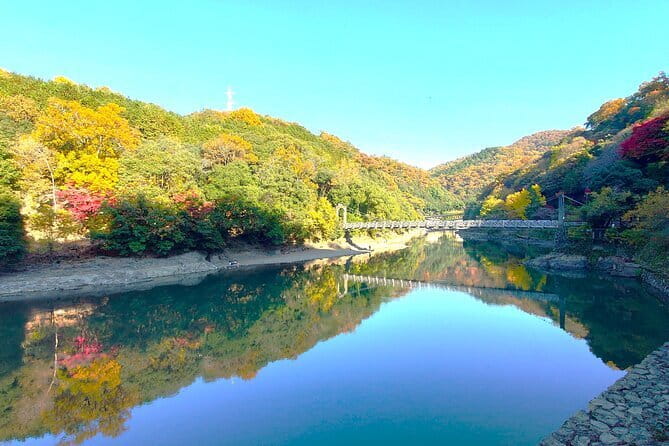
This tour runs about 4 hours 30 minutes and stays close to the Uji area, ending back at the meeting point. You start at 10:00 am at Chatsubo Postbox in Uji, near Uji Station, which is handy if you are already using trains in Kansai.
It is also built for flexibility. The course can be arranged according to your wishes, and the navigator can suggest where to eat based on what you want. That matters in Japan, where the “right” lunch place can be the difference between a nice day and a memorable one.
Here is how the route unfolds, stop by stop, and what each one gives you.
You can also read our reviews of more tours and experiences in Uji.
Stop 1: Tea Culture at Chazuna (Optional Ticket)
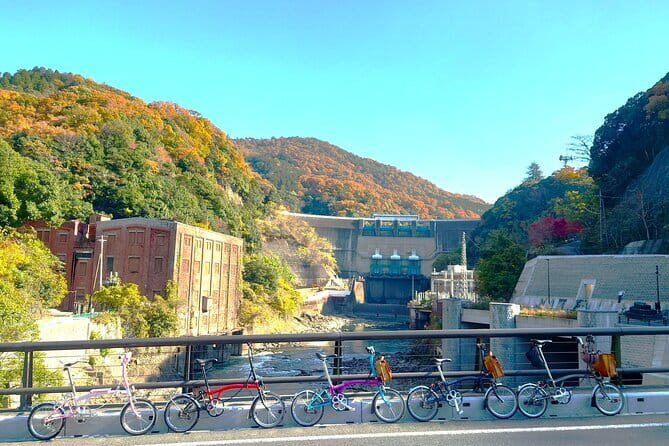
Your first stop is Tea and Uji Town Exchange Center Chazuna, with about 45 minutes on the clock. This is where you learn about Kyoto’s tea culture and history, and it serves as a strong launchpad for the rest of the day.
You should know the entry fee is not included (optional 600 yen). If you care about how matcha culture developed and how tea is tied to local identity, this is the stop most worth paying for. If you just want the vibe and the scenery, you can still use the time to orient yourself for what comes next.
Timing note: Chazuna is early, so it helps set a context before you hop into shrines and temples. That order makes the whole day click.
Stop 2: Uji Shrine for Academic and Family Luck (Free)
Next is Uji Shrine, about 30 minutes, and admission is free. It is described as having a history of over 1,700 years, with beliefs tied to academic success and childbirth.
This is a good stop for people who like a little meaning behind the visit. You are not just passing by a shrine window-shopping style. You get enough story to appreciate why it matters to locals.
Practical tip: plan for a brief but respectful visit. Shrines are not theme parks, so you will get the most out of it if you slow down for a couple minutes instead of rushing photos.
Stop 3: Ujigami Shrine and the Kirihara Water Connection (Free)
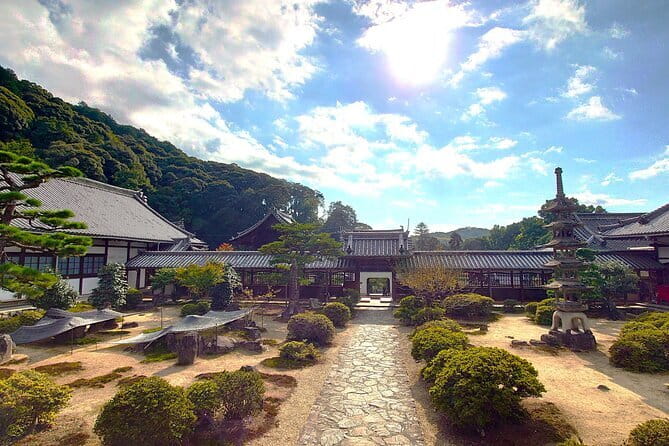
Then you move to Ujigami Shrine for around 30 minutes, also free. It is paired with Uji Shrine, and the spring known as Kirihara Water still flows on the grounds.
This stop complements Uji Shrine nicely. Instead of repeating the same kind of sight, you get a different emphasis: the water source and the pairing between shrine spaces.
If you like details, this is the one where the guide can make the visit feel specific to Uji. The “why this spring matters” explanation turns a quick stop into something you remember.
Stop 4: Asagiri Bridge Photo Stop Over the Uji River (Free)
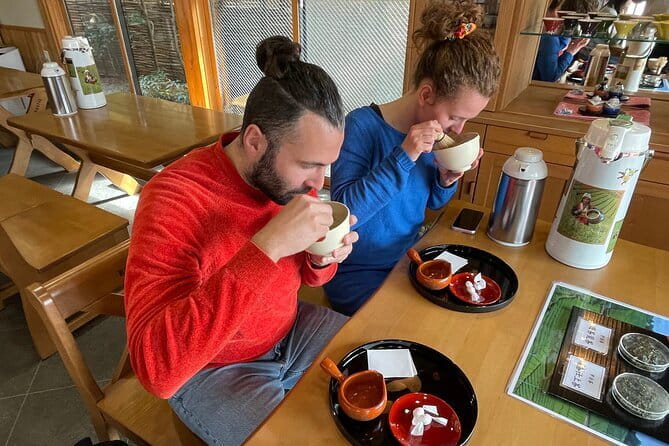
After the shrines, you get a simpler moment at Asagiri Bridge for about 15 minutes. It is free and it is specifically a good place to take photos.
This is a short break in the day that still has value. It gives your legs a reset after shrine walking, and it also helps you enjoy the river corridor that keeps showing up in Uji.
Bring your camera habit if you have one. The river view point is part of what makes this tour feel like more than just “inside stops.”
You can also read our reviews of more historical tours in Uji
Stop 5: Koshoji Zen Temple and the Kotosaka Slope (Free)
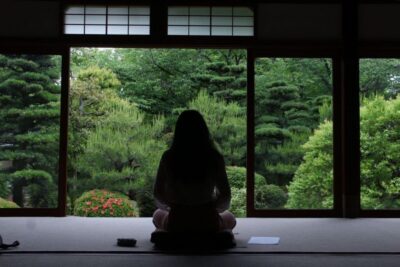
Now you are on to Koshoji Temple, about 30 minutes, free of charge. It is a Zen temple with a history of around 800 years, and the path from the stone gate up to the temple grounds is a stone-wall-lined slope called Kotosaka.
I like this stop because it gives you a different texture than the shrines. Temples in this style tend to feel calmer and more inward. Even if you do not read Japanese, you can still enjoy how the grounds are laid out.
Possible consideration: this is a temple walk with a slope. It is not described as extreme, but if you have mobility limits, you might want to go at your own pace and tell the guide what feels comfortable.
Stop 6: Amagase Dam and a Riverside Nature Walk (Free)
Next up is Amagase Dam, with about 1 hour. The tour includes a nature trail along the Uji River, leading to the wooden Amagase Bridge, where you get a tranquil valley view.
This is where the day often turns from cultural to restorative. The dam and bridge section makes Uji feel away-from-the-city. The tour keeps the pace slow, so this hour feels like a real break instead of a forced scenic detour.
I also think this stop is a smart use of time. You are not just cycling past water. You get a chance to step into it, even if only for a short walk.
Weather note: the tour requires good weather. If it is raining hard, the route may be changed or the day may be rescheduled or refunded. So if you are flexible in your schedule, plan this tour when your Kyoto area weather forecast looks most stable.
Stop 7: Byodo-in Omotesando and Optional Phoenix Hall Entry
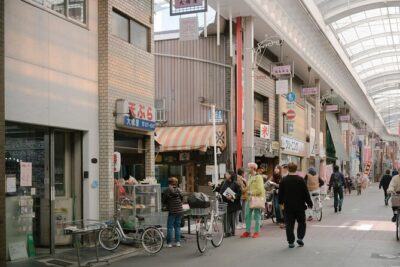
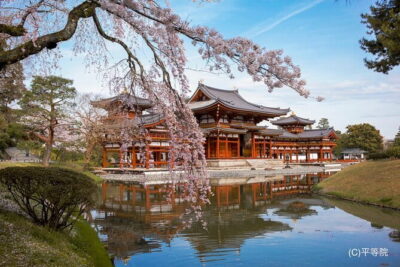
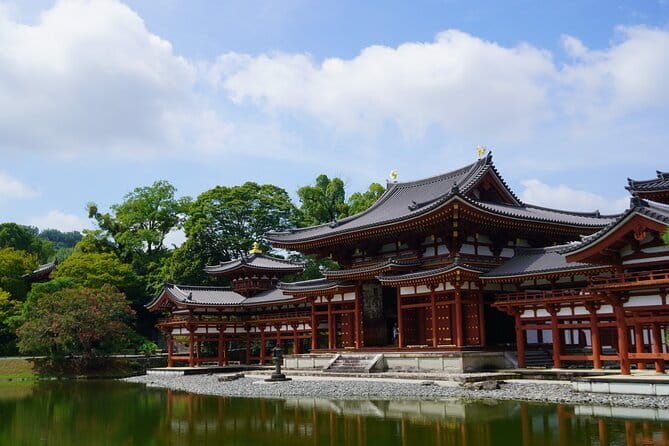
Your final major block is Byodo-in Omotesando for about 1 hour. This is the area that leads you toward the Byodoin Phoenix Hall, a UNESCO World Heritage Site.
Admission to the Phoenix Hall is not included (optional 700 yen). The Omotesando area itself also gives you another option: you can stop for a cup of tea in one of Uji’s tea shops.
This final stop is a smart “choose your ending” moment. If you want the UNESCO structure, you add the ticket. If you want a quieter tea break and a little wandering, you can lean into shops and atmosphere.
From a value standpoint, this is also the last moment to decide if you want extra time and spending on the day’s biggest indoor/paid attraction.
BROMPTON Slow Cycling: Why the Pace Works for Real People
Let’s talk bikes. This is a BROMPTON bicycle tour, and that is not a small detail. Brompton-style bikes are built for comfort and control rather than speed. That makes the “slow cycling” concept believable.
The tour also provides riding gear like helmets and bags for wheeled transport, so you are not juggling a bunch of bulky equipment. If you are traveling light, that helps.
The group size is capped at 6 travelers, which changes your ride experience. You are less likely to get stuck waiting at each stop, and you can actually hear the guide without fighting over position.
Also, you ride with a local navigator who knows the area inside out. The guide can steer you through the day so you are not stuck figuring out routes between points, especially in areas where signage and pedestrian access can be confusing.
What You Get From the Guide: Takashi’s Style of Uji
The biggest repeated theme from the experience is the guide’s personality and how well the stops are explained. In the reviews, Takashi comes up as friendly and engaging, with clear, practical explanations.
That matters because Uji can feel like “tea + temples” at first glance. A good guide helps you understand why Uji is Uji: why the shrines are significant, how the tea culture fits into the broader Kyoto region, and what to notice at each stop.
It also shows up in the way the day can be personalized. One review example includes lunch that worked for both vegan and gluten-free needs, chosen with the navigator’s help. If food preferences matter to you, this is a strong signal that the guide will try to match you with appropriate options rather than forcing a generic sit-down.
And yes, matcha shows up more than once. Between the tea culture learning and the chance to end with a matcha drink, the day is structured so the theme stays present without feeling repetitive.
Food and Matcha Breaks Without Turning Into a Search Mission
Meals are not included as a set lunch package, but the guide’s approach is useful: the accompanying navigator suggests restaurants based on what you want.
That means you can aim for:
- a sit-down lunch that fits dietary needs
- a quick tea stop near Byodo-in if that is your style
- a flexible snack plan since the ride is spread with stops
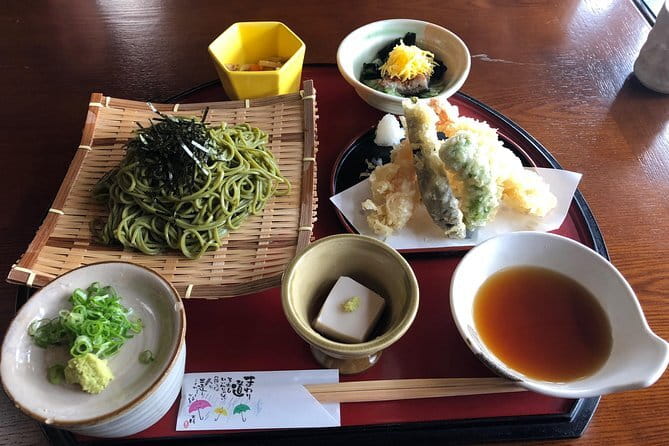
If you care about matcha, you are not stuck with only one tea moment. Even when the paid tea culture facility is optional, the overall route keeps you near tea-focused stops and finishes with the natural chance to order a matcha drink.
Just keep in mind that the tour is timed. If you want a longer lunch than the schedule allows, ask early so you can adjust rather than risk feeling rushed at the end.
Price and Value: What $130.46 Covers (and What It Does Not)
The price is listed at $130.46 per person for roughly 4.5 hours. For that, you get:
- Bicycle rental fee
- exclusive navigator fee
- bike gear like helmets and transport bags
- an English guide
This is where the value argument gets real. You are paying not just for the bike, but for guided logistics: someone managing the route, timing, and explanations, plus the gear that saves you from bringing everything.
What is not included:
- insurance fee (optional 500 yen)
- snacks
- Chazuna entrance fee (optional 600 yen)
- Byodo-in Phoenix Hall entrance fee (optional 700 yen)
So your total cost can vary depending on how many paid options you add. If you plan to do both Chazuna and the Phoenix Hall, you should budget for those tickets. If you only do the free shrine/temple highlights and keep it to tea-shop breaks, you can keep the day lighter on extra spending.
Also, this tour can be a good deal because it avoids a bunch of separate tickets and transport decisions. The “time saved” effect is part of what you are really paying for.
Who Should Book This Uji Slow Cycling Tour
I think this tour is ideal if you:
- want a gentle way to see Uji without turning the day into a workout
- care about matcha culture but also want temples and shrines for balance
- prefer small groups and a guide who can answer questions
- like scenic river moments, not just indoor stops
It may be less ideal if:
- you want a fully ticketed all-access day (some attractions are optional paid entry)
- you are hoping for a very high-adrenaline cycling experience
If you are visiting Kyoto and want one day that feels distinctly Uji, this is a strong match for that goal. It also works well as a change of pace from big Kyoto crowds.
Should You Book This Uji Slow Cycling Tour?
If your goal is a calm, guided way to connect matcha culture with Uji’s old sacred sites, I would book it. The combination of BROMPTON riding, a small group, and a guide like Takashi (friendly, story-rich, and practical) is exactly what turns this from a sightseeing route into a smooth day.
Two final reality checks before you commit: make sure you pick a day with stable weather, and decide in advance if you want the optional paid entries at Chazuna and the Phoenix Hall. If you do those, you will get a fuller cultural arc. If you skip one, you can still enjoy a complete Uji highlights day with less spending.
FAQ
FAQ
How long is the Uji slow cycling tour?
It runs for approximately 4 hours 30 minutes.
What time does the tour start?
The start time is 10:00 am.
Where is the meeting point?
The meeting point is Chatsubo Postbox, 611-0021 Kyoto, Uji, Umonji 1716 near Uji Station.
Does the tour end back at the meeting point?
Yes, it ends back at the meeting point.
What is the group size limit?
The tour has a maximum of 6 travelers.
Is an English guide included?
Yes. The tour includes an English guide.
Are the bicycle and equipment included?
Yes. Bicycle rental, helmets, and bike-related gear such as bags for wheeled transport are included.
Do I have to pay for Chazuna?
Chazuna entrance is optional and not included. The option is 600 yen.
Do I have to pay for Byodo-in Phoenix Hall?
Yes, Phoenix Hall entrance is optional and not included. The option is 700 yen.
Is insurance included in the tour price?
Insurance is not included. It is available as an option for 500 yen.