REVIEW · KYOTO
Traditional Japanese Washi Papermaking- Kyoto morning
Book on Viator →Operated by kamitowa kyoto · Bookable on Viator
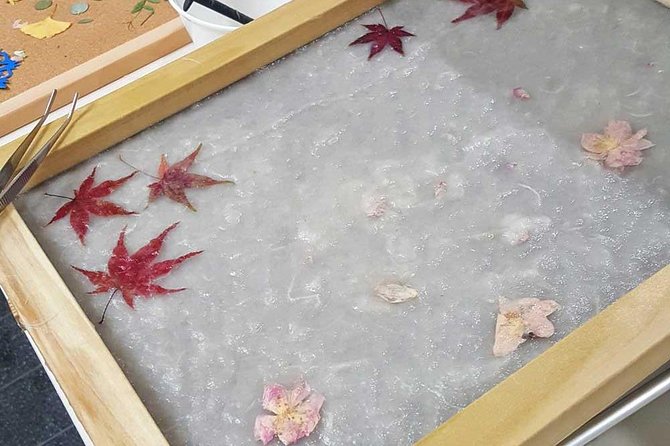
Pressed flowers turn into real paper. This Kyoto morning class is a hands-on step-by-step workshop where you form and decorate your own sheet using seasonal botanicals like cherry blossoms and maple leaves. It’s also one of those rare activities that feels like a quiet creative break inside a busy sightseeing trip.
I especially love the small group size (up to 4) and the calm pace. The instructors—often Hiro and Junko—explain the process in Japanese and English, so you’re not stuck guessing what comes next.
One consideration: the base class is about an hour, so you’ll want to decide what you’re making early. You can add more time, but that optional extra is at your expense, and it’s still a workshop you manage on your own schedule for getting there.
In This Review
- Key things to know before you go
- A Quiet Kyoto Morning at kamitowa kyoto
- What You’ll Make in About One Hour
- From Raw Materials to a Real Sheet: how the class feels
- Pressed Flowers and Seasonal Design (cherry blossoms, maple leaves, cut-outs)
- The Instruction Team and the English-friendly pace
- Price and value: why $33.03 can be a smart buy
- Logistics that won’t steal your morning
- The workshop shop: browse time without pressure
- Who this is best for (and who may want to skip)
- Should you add the extra hour?
- Should you book this washi papermaking class?
- FAQ
- How long is the washi papermaking class?
- What projects can I make during the class?
- Do I need to bring anything?
- Does the instructor speak English?
- Is there an option to make more paper?
- What is the group size limit?
- Can kids participate?
- Where is the meeting point?
- Can I cancel for a full refund?
Key things to know before you go
- Small group, more hands-on help with a max of 4 people.
- Pressed cherry blossoms and maple leaves plus paper cut-outs for your design.
- Bilingual instruction (Japanese and English) so the steps stay clear.
- Make your own souvenir you can actually use or display right after.
- Short educational videos during drying time to add context without slowing you down.
- Optional extra hour for unlimited paper making, if you want more gifts.
A Quiet Kyoto Morning at kamitowa kyoto
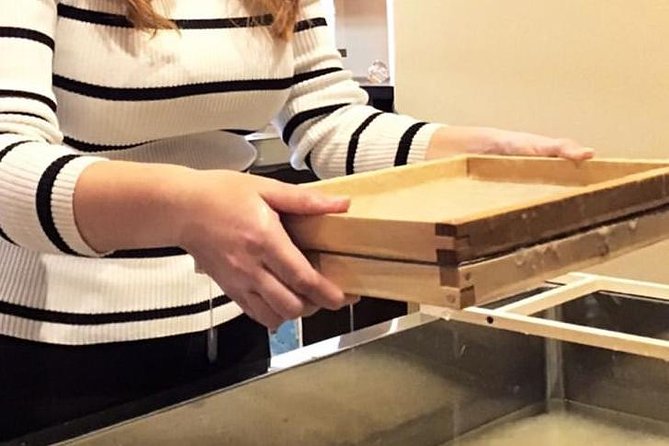
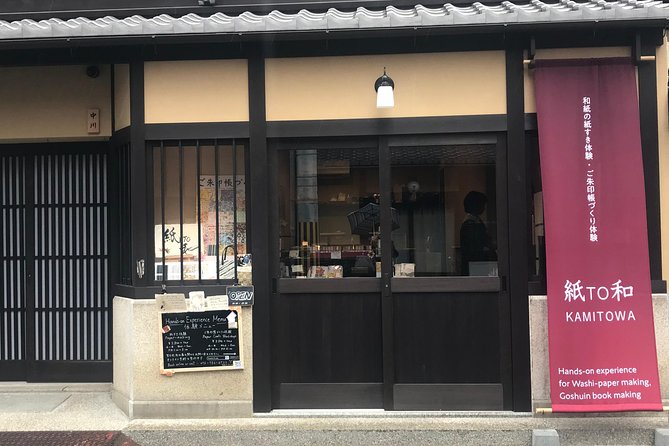
This class takes place in a traditional Japanese–style house in Kyoto, and that setting matters more than you might think. You’re not just watching paper magic from a distance—you’re working right in the process, while the room stays peaceful and focused.
The workshop is run by a small team, with bilingual instruction (Japanese and English). That combination makes a real difference for first-timers. You can follow along even if you don’t know a word of Japanese, and you still feel the craft staying true to its roots.
Location-wise, plan to make your own way to 345 Sanjōchō, Nakagyo Ward. The good news: it’s close to public transit, with a reported walk time of about 9 minutes from the Shijo Station #24 exit (Kyoto Metro Karasuma Line) or Karasuma Station (Hankyu Line), and about 6 minutes from Karasuma Oike Station #6 exit (Kyoto Metro Karasuma Line). The activity ends back at the meeting point, so you don’t need to figure out a different return route.
You can also read our reviews of more tours and experiences in Kyoto
What You’ll Make in About One Hour
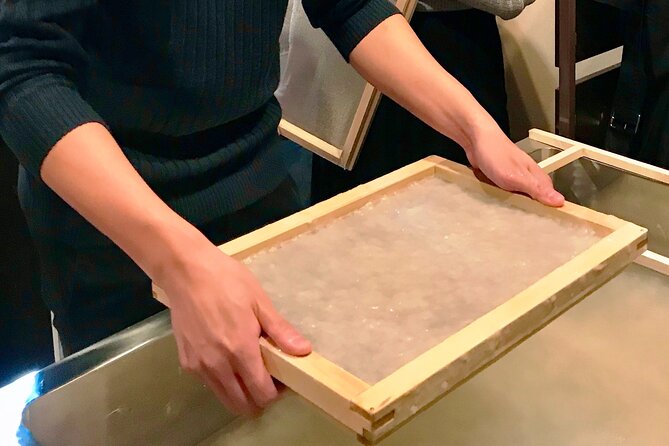
The workshop is built around giving you a finished take-home item, not just a few sample sheets. In roughly 60 minutes, you’ll make washi paper from raw materials and then use your design choices to create something specific.
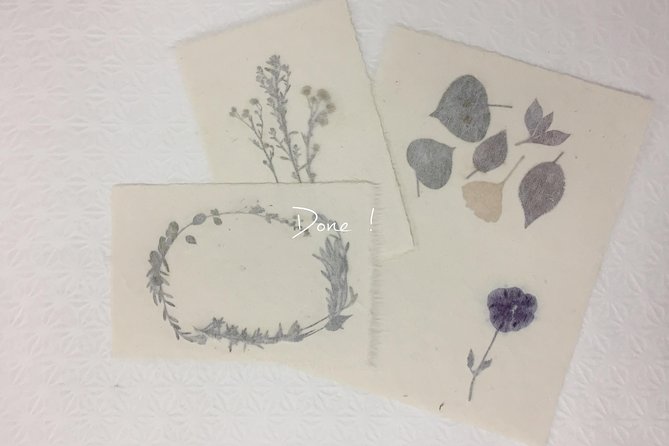
You can choose different project formats, including a set of postcards, a table-mat, and a wraparound lampshade-style piece. There’s also a panel-style option for a more “artwork” feel. Which one you pick affects how you decorate and what you’ll walk away carrying.
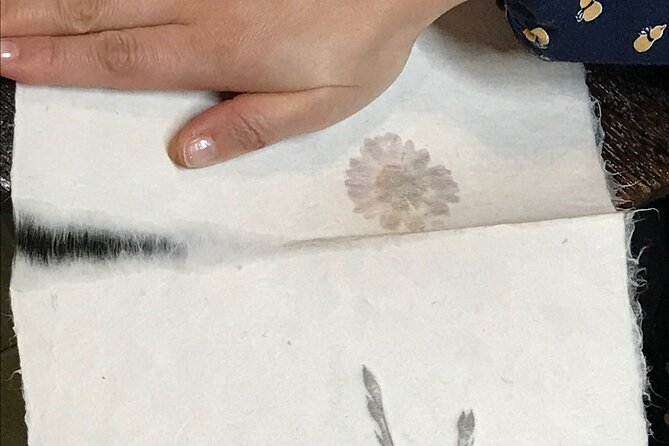
A big plus: you’re not limited to a generic look. You can design with pressed seasonal flowers and leaves—cherry blossoms and maple leaves are specifically mentioned—plus paper cut-outs. That means the final item feels personal, not like an assembly-line souvenir.
From Raw Materials to a Real Sheet: how the class feels
Even though the class is short, it doesn’t feel rushed in the wrong way. You’ll be guided step-by-step by the instructor, and the pace is designed so you can finish with something you’re genuinely proud of.
You’ll learn the traditional process from start to finish, with explanations given as you work. The workshop also uses small video segments during drying time—reported as around 10 minutes in at least one account—so you get a bit of background while you wait for your paper to set.
Here’s the practical takeaway: this is a craft where patience is part of the experience. The drying stage isn’t time wasted. It’s when you understand why washi takes its look and strength from the process, not from shortcuts.
Pressed Flowers and Seasonal Design (cherry blossoms, maple leaves, cut-outs)
This is where the class becomes more than craft-time. The key “wow” ingredient is the botanicals you place into your paper.
You’ll work with seasonal pressed flowers and leaves—cherry blossoms and maple leaves are called out as options. People also mention using flower and leaf inlays and arranging cut-out shapes on their chosen product.
What I’d do if I were planning your design: decide early whether you want a lighter, airy look or a denser collage look. Lighter designs tend to show off the pressed textures clearly, while denser designs look more like a decorative paper pattern. Either way, you’ll end with a piece that looks distinctly Japanese and distinctly yours.
The Instruction Team and the English-friendly pace
A lot of craft classes say they’re “English-friendly.” This one is actually set up to be bilingual in practice, with instruction in Japanese and English.
That matters because washi papermaking has a sequence. If you miss one step, the next part can feel confusing. With bilingual guidance, you can stay calm and keep moving without losing the logic of the process.
In the workshop, you’re supported closely, and the vibe is patient and gentle. Many accounts highlight how kind and accommodating the instructors are—particularly Hiro and Junko. If you’re visiting with kids, the team has experience handling family groups, with an emphasis on making it fun while still teaching the craft.




Price and value: why $33.03 can be a smart buy
At about $33.03 per person for a roughly one-hour workshop, this sits in the “midrange” zone for Kyoto craft activities. The value comes from two things you actually can’t fake:
1) You make the paper yourself, including the design elements using pressed flowers and leaves.
2) You bring home a real usable or display-ready item, not just a small sample.
Also, the class is small—max 4 travelers—so you’re more likely to get the kind of help that turns a first attempt into a finished souvenir you’ll keep. If you’ve ever bought handmade-looking paper products in Kyoto and wondered how they’re made, this is your chance to understand the difference between mass-produced and truly handmade washi.
If you want more quantity (more gifts, more pages, more projects), the workshop offers an additional hour of unlimited paper making at your expense. That option can be worth it if you’re traveling with people you want to gift, or if you know you’ll want multiple designs.
Logistics that won’t steal your morning
Plan this as a morning activity and treat it like a calm “reset” between sightseeing stops. The workshop start point is clear: 345 Sanjōchō, Nakagyo Ward. Then you return there when the activity ends.
Since transportation isn’t included, give yourself buffer time to walk from the station exits listed above. Kyoto walks can be short but still take longer than your brain expects when you’re checking streets.
You’ll also want to think about what you’ll carry. Your finished pieces are reported to be packaged well, and you’ll take them home. That means you don’t need to worry about complicated shipping—but do plan what you’ll do with your bag space once you add a handmade item.
The workshop shop: browse time without pressure
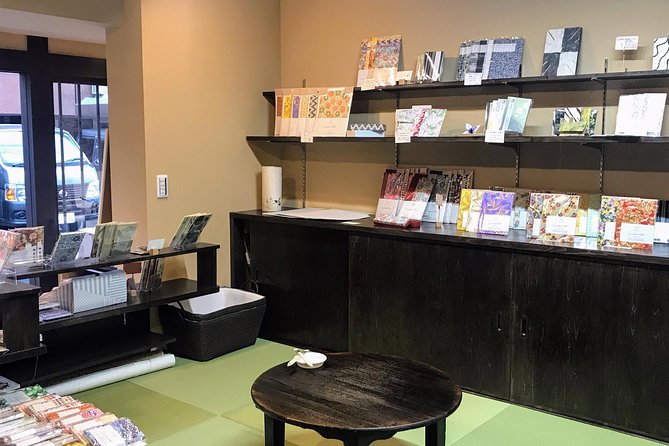
There’s a small shop on site where paper goods are sold. After your making time, you can browse at your own pace.
One detail I like: people describe there being no pressure to buy. That’s important because craft shops can sometimes feel like sales pushes. Here, the emphasis stays on the class itself, and the shop is more like an optional add-on if you want matching paper products.
If you enjoy paper design, you might find ideas for what to make next time. Even just seeing how the shop turns washi into usable items helps you appreciate your own take-home piece more.
Who this is best for (and who may want to skip)
This is ideal if you want a hands-on, quiet Kyoto experience that isn’t dependent on weather. It’s also a strong fit for couples, solo travelers who like calm craft time, and families.
You’ll likely love it if:
- you enjoy making things with your hands
- you like seasonal Japanese aesthetics (flowers and leaves)
- you want a souvenir that feels personal and genuine
You might reconsider if:
- you want a long, high-energy experience packed with multiple stops
- you only want to look, not make—this is very much a do-it-yourself class
- you’re hoping for a fully guided walk-through of Kyoto sights (this is focused on paper, not city touring)
Should you add the extra hour?
If you’re on the fence, think about your goal.
The base class is designed to get you a finished souvenir in about an hour. If you’re satisfied with one main item, you can keep it simple.
But if you’re the type who wants to make gifts, experiment with different pressed-flower layouts, or just hate the idea of stopping right when you’re getting the hang of it, the optional second hour of unlimited paper making can be a good choice. It’s at your expense, so treat it like an investment in extra projects, not like a free extension.
Should you book this washi papermaking class?
If you want a Kyoto activity that’s genuinely hands-on, small-group, and centered on an authentic craft, I think this is a smart booking. The price-to-souvenir ratio is strong because you’re creating the paper and designing the final item yourself, with bilingual help so you won’t feel lost.
Book it if you like calm, creative mornings and want something you can’t buy the same way anywhere else. Skip it only if you’re looking for a bigger sightseeing experience instead of a focused craft class.
FAQ
How long is the washi papermaking class?
The class is approximately 1 hour.
What projects can I make during the class?
You can choose from options like postcards, a table mat, and a wraparound lampshade-style item, plus a panel-style artwork option.
Do I need to bring anything?
All taxes, fees, and handling charges are included, but transportation to and from the workshop is not. The workshop supplies what you need for the class.
Does the instructor speak English?
Yes. The class is operated with bilingual instruction in Japanese and English.
Is there an option to make more paper?
Yes. You can add an additional hour of unlimited paper making, and that add-on is at your expense.
What is the group size limit?
The experience has a maximum of 4 travelers.
Can kids participate?
Children must be accompanied by an adult.
Where is the meeting point?
The start point is 345 Sanjōchō, Nakagyo Ward, Kyoto, 604-8205, Japan. The activity ends back at the meeting point.
Can I cancel for a full refund?
Free cancellation is available up to 24 hours in advance for a full refund.
If you want, tell me your travel dates and whether you’re making postcards, a lamp-style piece, or a mat—I’ll suggest what to choose based on how you like to gift and what will be easiest to pack.