REVIEW · KYOTO
Tea Ceremony in 150 Years Old Townhouse with Tables and Chairs
Book on Viator →Operated by Tea Ceremony & Cultural Experience Kangetsu Kyoto 日本文化体験教室 寒月 · Bookable on Viator
Tea time beats the souvenir circuit. In Ninenzaka’s 150-year-old townhouse, you learn matcha etiquette and how to whisk a proper cup with a Tea Master guiding every step.
What I like most is that this isn’t just watching. You’ll get hands-on time preparing your own matcha, plus you’ll taste Uji matcha served as part of the session.
The one drawback to keep in mind is that it’s not a casual room where you can ignore the rules. Expect a quiet, scent-sensitive space with strict tea-room etiquette—including socks, no perfume, and no video recording during demonstrations.
In This Review
- Key Highlights You’ll Actually Feel
- Why Ninenzaka’s 150-Year Townhouse Feels Different From Big Shows
- Price and Timing: Getting More Than a 50-Minute Show
- Before You Go: Socks, Perfume Rules, and Phone Reality Checks
- Entering the Course: Ninenzaka Arrival to Tea-Room Etiquette
- Making Your Own Matcha: The Hands-On Moment That Sticks
- Sweets and Tea: The Pairing Part You Shouldn’t Skip
- Buying Matcha on the Spot: Take Home the Real Thing
- Location Reality Check: Finding Kangetsu Kyoto Without Stress
- Who This Works Best For (and Who Might Prefer a Different Style)
- Should You Book This Matcha Ceremony?
- FAQ
- FAQ
- How long is the tea ceremony experience?
- What’s the price per person?
- How many people are in the group?
- Is the experience offered in English?
- Do I get to make my own matcha?
- What food is included?
- Is kimono included?
- Do I need to wear socks?
- Are there any restrictions on perfume or photos?
- What if I have allergies?
- Is there free cancellation?
Key Highlights You’ll Actually Feel
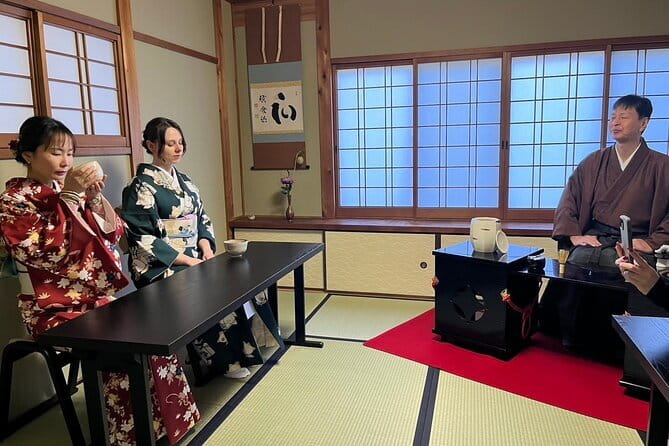
- Whisk your own matcha with the provided tools
- Uji matcha taste included (two cups)
- Two seasonal Japanese sweets served with tea
- Small group size (max 15) for a more personal rhythm
- English instruction available daily for smooth explanations
- Traditional Ninenzaka setting at a long-standing townhouse classroom
Why Ninenzaka’s 150-Year Townhouse Feels Different From Big Shows
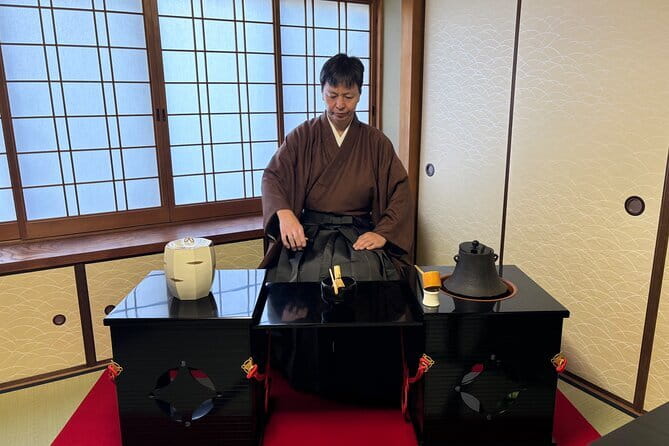
Kyoto’s tea ceremonies can sometimes feel like a stage performance. This one works better because it’s set in a real old townhouse in the Ninenzaka/Sannenzaka area, with a small-group setup that keeps the room calm. You’re not just getting the idea of Japanese tea culture—you’re experiencing the pace.
The 150-year-old setting matters more than you’d think. It naturally discourages loud behavior, and it helps you notice details like the way people move, when they speak, and how everyone treats the utensils. That quiet respect is part of the lesson, not a background vibe.
And yes, the matcha is real matcha, made in Uji, Kyoto, not a throwaway tasting. The session is built around teaching why matcha matters and how to handle it correctly—so you leave knowing what you just did.
You can also read our reviews of more tours and experiences in Kyoto.



Price and Timing: Getting More Than a 50-Minute Show
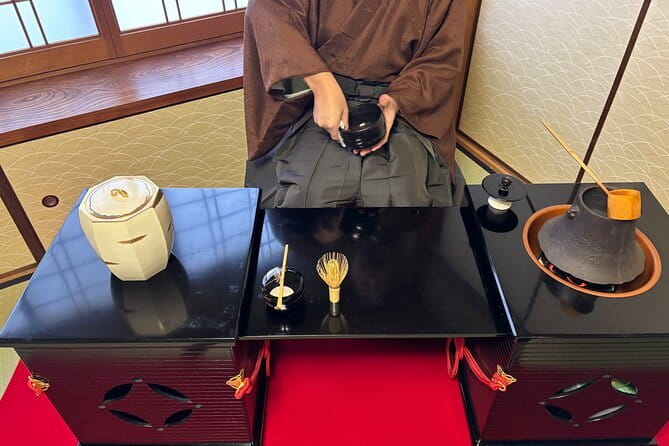
At $28.90 per person for about 50 minutes, this sits in the sweet spot between “quick and forgettable” and “long, expensive, overly formal.” The value is strong because you’re not only tasting—you’re also using the utensils and making your own cup.
Here’s what the price includes:
- tools to make your own tea
- two cups of matcha (with coffee and/or tea also listed as included)
- snacks: two types of seasonal authentic Japanese sweets
- all fees and taxes
That combination is key. Many tea experiences charge you for the privilege of watching, then make you pay extra for the best part: tasting and participating. Here, the cost already covers the core experience.
Also, small group size (max 15 travelers) changes the feel. You’re more likely to get a moment for questions and to hear the Tea Master’s instructions clearly without the “line at the microphone” problem.
Before You Go: Socks, Perfume Rules, and Phone Reality Checks
This is a rules-based experience, and it’s for good reason. Tea culture is sensory. Strong smells can interfere with how tea and incense aromas come across.
Plan for these requirements:
- Wear socks (if you forget, you’ll need to purchase them on-site)
- Clothing should not expose too much skin
- Perfume is strictly prohibited
- Only smart phones are allowed in the tea room
- Video recording during the instructor’s demonstration is prohibited
- Children under 7 can’t participate
If you have allergies, tell the team in advance. That’s one of the few things you should treat as non-negotiable, because your sweets and tea experience depend on it.
One more practical note: arrive promptly. A review pointed out that one group arriving late can push back the start, which can feel disrespectful when everyone is trying to follow the ceremony’s rhythm. You don’t have to panic, but don’t stroll in at the last second.
Entering the Course: Ninenzaka Arrival to Tea-Room Etiquette
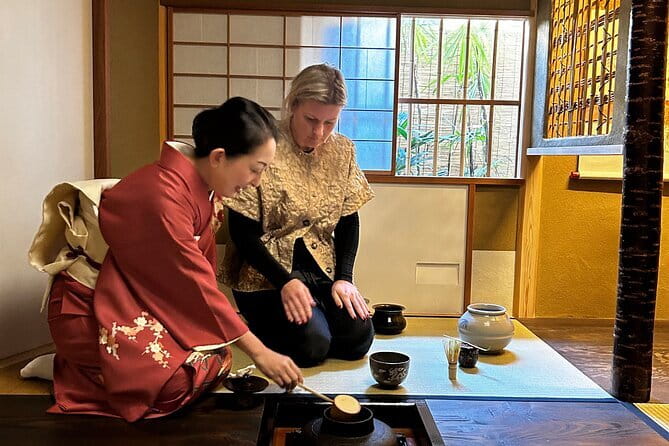
The experience starts in the Ninenzaka/Sannenzaka area, with the meeting point at Tea Ceremony & Cultural Experience Kangetsu Kyoto. From there, you move into the flow of the lesson—typically beginning with context and then transitioning into the tea-room portion.
The Tea Master explains:
- tea etiquette
- utensils
- the rituals behind the ceremony
- and how to prepare your own cup
I like that the teaching is structured, because tea ceremony culture can feel mysterious if you don’t know what you’re seeing. Once the basics click—why the utensils matter and what the steps are trying to achieve—the whole experience becomes easier to follow and more meaningful.
Language support is built in, too. English experiences are offered every day, which helps you relax and actually understand what’s being taught instead of guessing from body language.
And when the making part happens, it’s not passive. You’ll get a chance to prepare matcha yourself, guided by the instructor so you can focus on doing it correctly rather than just copying a performance.
Making Your Own Matcha: The Hands-On Moment That Sticks
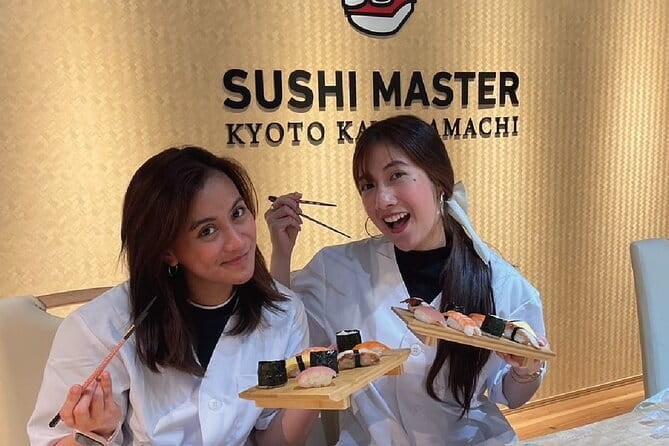
This is the part you’ll remember after Kyoto fades into a blur of temples and photos. Your cup is the payoff, and the session is designed so you can actually participate.
You’ll use tools provided on-site, which matters because matcha-making is specific. Bringing your own gear would be pointless anyway. Here, you’re learning with the right utensils in the right setting, and you’re getting coaching as you go.
One of the best signals that you’re in the right hands is how the instructions are described: step-by-step guidance, clear explanations, and a Q&A at the end so you can clear up anything you missed. If you’ve ever watched something traditional and thought, I get the vibe but not the method, this addresses that directly.
Also, the ceremony moves at a calm pace. Several people noted it feels relaxing, not rushed. For me, that’s part of the value: you’re not just learning. You’re slowing down enough to absorb it.

Sweets and Tea: The Pairing Part You Shouldn’t Skip
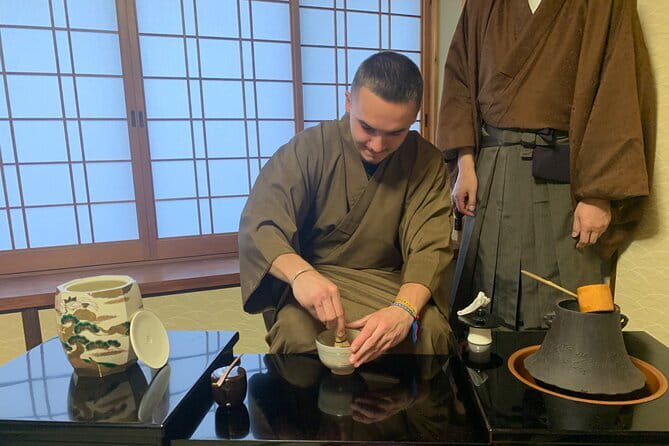
The matcha comes with snacks: two types of seasonal Japanese sweets. That’s not a random add-on. In a tea ceremony, the sweets often help you read the tea differently—sweetness, texture, and aroma all shift how you experience each sip.
You’ll also taste two cups total, and the matcha is made in Uji, Kyoto. Uji is Japan’s matcha country for a reason, and having it served in a ceremony context helps you understand why matcha has a reputation beyond trendiness.
If you’re trying to decide whether to do this or something more food-focused, I’d choose this if you want a cultural experience you can taste with your hands. The sweets are there, but they’re part of a bigger ritual.
Buying Matcha on the Spot: Take Home the Real Thing
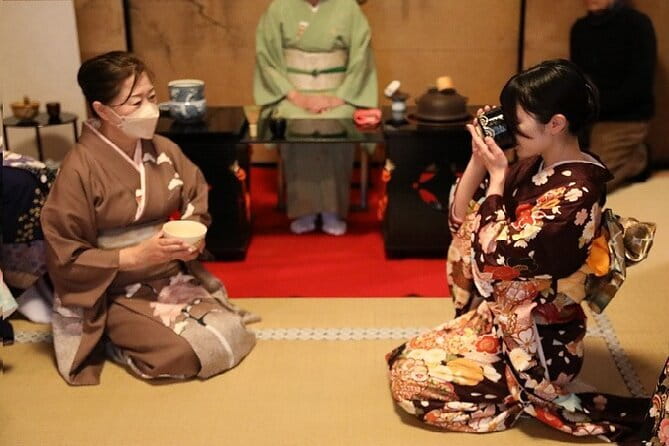
One of the standout practical benefits is that you can buy high-quality matcha right in the shop associated with the experience. That’s huge if you’re worried you’ll do one ceremony, enjoy the tea, then end up with a random powder later.
Here’s how I think about it:
- If you buy after learning how matcha is used, you’re more likely to buy something you’ll actually make correctly.
- If you buy while the ceremony is fresh in your mind, you can choose based on what you liked.
Just keep your expectations grounded: this is not a huge retail warehouse. It’s a focused shop connected to the lesson, which usually means you’ll find something purposeful rather than overwhelming.
Location Reality Check: Finding Kangetsu Kyoto Without Stress
You’re in a classic Kyoto strolling zone: Ninenzaka and Sannenzaka. That’s great for atmosphere, but it can also make directions feel tricky if you arrive late or distracted.
A few tips that help:
- plan a little extra time so you don’t risk starting late
- set up your phone navigation before you enter the tea-room rules zone
- remember that only smart phones are allowed in the tea room, and video recording is prohibited
Also, the meeting point is described as near public transportation, so you shouldn’t need complicated transit planning. Still, Kyoto streets can be busy around popular lanes, so a calm approach pays off.
Who This Works Best For (and Who Might Prefer a Different Style)
This experience fits best if you want:
- a true cultural lesson with structure
- hands-on matcha preparation
- a calm, respectful environment where etiquette is explained
- English instruction that keeps you from getting lost
It’s also a good pick for couples and small groups because the small-group limit helps the Tea Master keep things moving without leaving you behind.
For families: the session is not open to children under 7, and you’ll need to follow the same rules as everyone else. If your kids can sit calmly and respect the room, this can be a meaningful cultural break rather than another rush through Kyoto.
If you’re looking for an action-packed tour where everyone keeps talking and wandering, you might find this slower than you expect. Think quiet focus, not chaos.
Should You Book This Matcha Ceremony?
Book it if you want a short, high-impact introduction to Japanese tea culture where you do the real work—whisking, tasting, and learning the etiquette behind it. The combination of hands-on participation, Uji matcha served as part of the session, and seasonal sweets included makes the price feel fair.
I’d skip or consider another option if you strongly prefer a more casual, flexible event. The tea-room rules are real (socks, no perfume, limited phone use, no video during demonstration), and the experience runs on respect for timing and quiet behavior.
If that sounds like your style, this is exactly the kind of Kyoto activity that doesn’t just look good in photos. It gives you a skill and a story you can actually take home.
FAQ
FAQ
How long is the tea ceremony experience?
It runs for about 50 minutes (approx.).
What’s the price per person?
The price is $28.90 per person.
How many people are in the group?
The maximum group size is 15 travelers.
Is the experience offered in English?
Yes. English experiences are provided every day.
Do I get to make my own matcha?
Yes. You’ll have a hands-on chance to prepare your own cup, using tools provided.
What food is included?
You’ll be served two cups of matcha (with coffee and/or tea also listed as included) and snacks: two types of seasonal authentic Japanese sweets.
Is kimono included?
No. Kimono (a two-piece type) can be rented for 1,000 JPY.
Do I need to wear socks?
Yes. Socks are required. If you forget, you can purchase socks.
Are there any restrictions on perfume or photos?
Perfume is strictly prohibited. In the tea room, only smart phones are allowed, and video recording during the instructor’s demonstration is prohibited.
What if I have allergies?
You should inform the team in advance if you have any allergies.
Is there free cancellation?
Yes, free cancellation is available up to 24 hours in advance of the start time for a full refund.