REVIEW · KYOTO
Tea Ceremony Experience in Traditional Kyoto Townhouse
Book on Viator →Operated by Ami Kyoto · Bookable on Viator
Step into a real Kyoto tea ritual. This machiya-style workshop brings you hands-on matcha preparation inside an about-80-year-old townhouse, with clear guidance and personalized demonstrations. I especially liked how the hosts explain the steps simply (so you’re not just watching), and how the experience includes your own bowl of matcha plus Japanese sweets. One thing to consider: you don’t get hotel pickup, so you’ll need to reach 605 Nishidachō on your own with public transport.
The best part is the small-group feel. With a maximum of 6 people, questions don’t get lost, and the tea ceremony stays calm instead of rushed. It’s also a good length—about an hour—so you can fit it between temple-hopping or after a morning in the old streets.
If you’re new to matcha, this is still approachable. You’ll learn how to brew properly and why the ritual matters, even if you only have one visit to spare.
In This Review
- Key highlights worth planning for
- A traditional machiya townhouse tea ceremony, built for learning
- Getting there: location, ticket, and timing that keep it easy
- What the workshop feels like: a calm, guided tea lesson
- Stop inside the townhouse: 1 hour in Kyoto’s traditional wooden home
- Making matcha: what you’ll practice during the hands-on part
- The tea ceremony context: history that explains the ritual
- Your bowl plus Japanese sweets: what’s included and what it means
- Small group (up to 6) is a real quality upgrade
- Price and value: is $27.59 worth it?
- Who this tea ceremony suits best
- Should you book this matcha tea ceremony in Kyoto?
- FAQ
- What’s the duration of the tea ceremony experience?
- Is the ticket mobile, and how do I get in?
- What’s included with the matcha workshop?
- Is hotel pickup included?
- How big is the group?
- Is free cancellation available?
Key highlights worth planning for
- A traditional machiya townhouse setting: time inside a remaining Kyoto wooden townhouse type
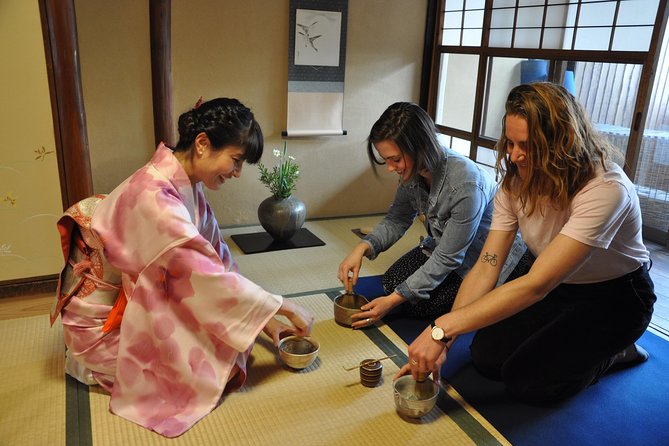
- Hands-on brewing, not just watching: you practice and make tea yourself
- Personalized demonstration style: instructions are tailored to your pace
- Matcha from an organic farm: learn with higher-quality tea inputs
- Kyoto sweets with your bowl: a sweet pairing included with the tea
- Small group cap of 6: more time for questions and coaching
A traditional machiya townhouse tea ceremony, built for learning
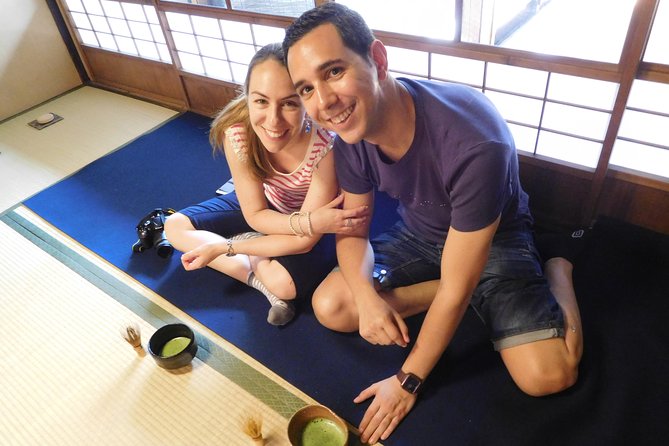
Kyoto’s tea culture can feel mysterious from the outside. This experience keeps the romance, but makes it practical. You’re not only there for a performance—you’re there to understand what you’re doing and why, from the first movements to the way you handle the bowl.
The setting matters more than you’d think. A traditional machiya townhouse has a different rhythm than a modern classroom. The space nudges you to slow down and pay attention, which makes the ceremony feel real instead of staged. You also get a rare peek inside one of the Kyoto wooden townhouses that still exists in usable form.
I like that it’s hosted in a dedicated townhouse setting rather than a generic venue. If you’re chasing authentic Kyoto atmosphere without spending all day on one activity, this hits the sweet spot.
You can also read our reviews of more tours and experiences in Kyoto.
Getting there: location, ticket, and timing that keep it easy
The activity starts at 605 Nishidachō, Shimogyo Ward, Kyoto and ends back there. That matters because you can plan your day like a local: one short stop, then you move on.
You’ll use a mobile ticket, so you don’t have to track paper. Confirmation comes within 48 hours of booking (as long as there’s availability). It’s also described as near public transportation, which is a big deal in Kyoto where routes can be a puzzle.
One practical note: hotel pickup and drop-off aren’t included. If your accommodation is far from the central transit grid, factor in time for a taxi or a transit hop. For many people, that’s the only real “gotcha” here.
What the workshop feels like: a calm, guided tea lesson
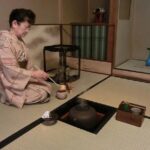
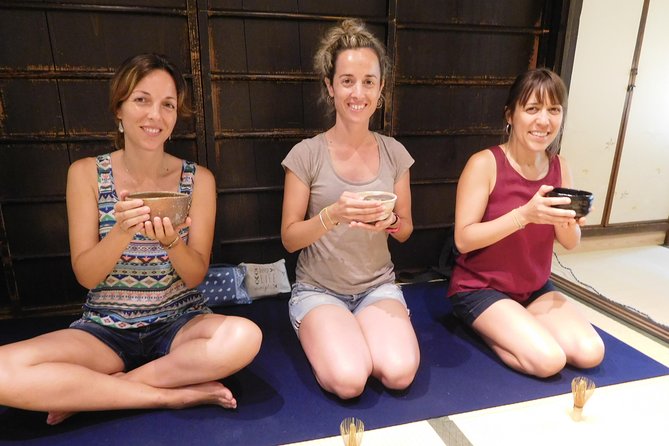
The format blends a hands-on matcha workshop with a tea ceremony experience. In practice, that means you’ll learn the ins and outs of preparing matcha and then see the ceremony side of it—how the ritual holds everything together.
The hosting team is described as kind and professional, with explanations that are clear and simple. That’s exactly what you want for a first-timer. If you’re thrown too much terminology at once, you end up copying motions without understanding them. Here, the goal is that you leave knowing what each step is trying to achieve.
Also, the experience includes watching personalized demonstrations. That’s important. Even small adjustments—how you handle the bowl, how you manage the motion, how you keep your focus—can make the difference between a decent cup and a great one.
The tone from the reviews is consistent: the session is thorough, and making tea is genuinely fun. If you like learning by doing, you’re going to enjoy this.
Stop inside the townhouse: 1 hour in Kyoto’s traditional wooden home
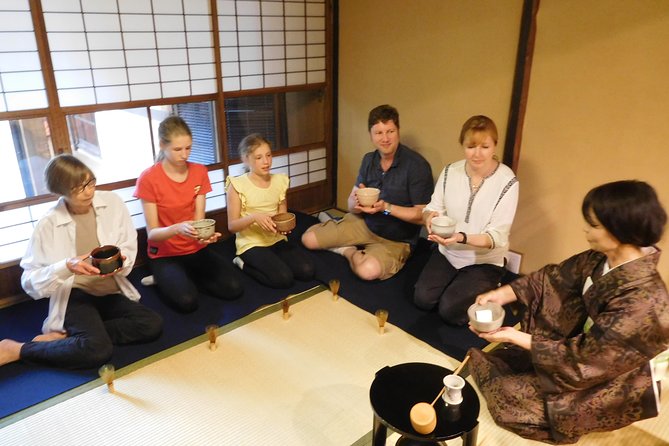
You’re scheduled for about 1 hour, which is tight enough to feel focused but long enough to get hands-on practice. The session starts with the townhouse itself—this is about immersing yourself in the space’s character (without needing any prior cultural knowledge).
The machiya setting is about simplicity: wood, modest details, and an atmosphere that makes the ritual feel grounded. You’ll also get context that Kyoto wasn’t always full of big, modern buildings. These wooden townhouses once lined the city, and having time inside one is a direct way to connect with that past.
A drawback to keep in mind: since the time is limited, you won’t become a master. This is an introduction that gives you skills you can actually repeat later.
Making matcha: what you’ll practice during the hands-on part
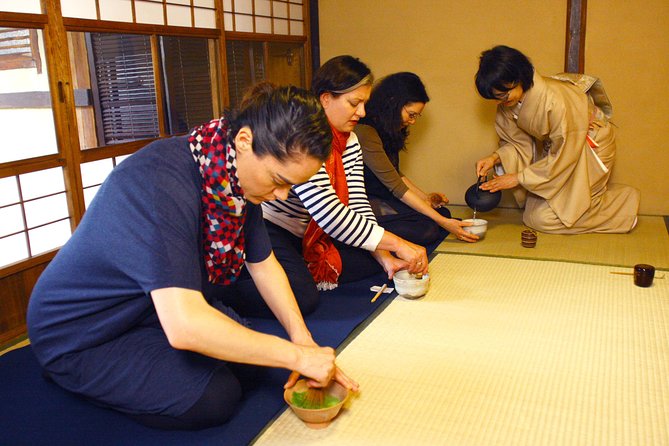
This is the core of the experience: you learn how to brew matcha and you get to do it. You’re not left guessing while someone else performs the ceremony.
Here’s what you should expect in terms of learning value:
- You’ll understand the basics of preparing and brewing matcha properly.
- You’ll practice making a cup yourself, under guidance.
- You’ll learn how to improve your brew through your technique rather than through fancy equipment.
The matcha is described as coming from an organic farm. That matters because better ingredients make the lesson less frustrating. If you use low-quality matcha, even good technique can taste flat. With better matcha, you get feedback that actually teaches you something.
And because the hosts give personalized demonstrations, you can correct small mistakes in real time. That’s a major advantage over DIY tutorials, where you can’t tell if you got the texture right or how your motion compares to the ideal.
The tea ceremony context: history that explains the ritual
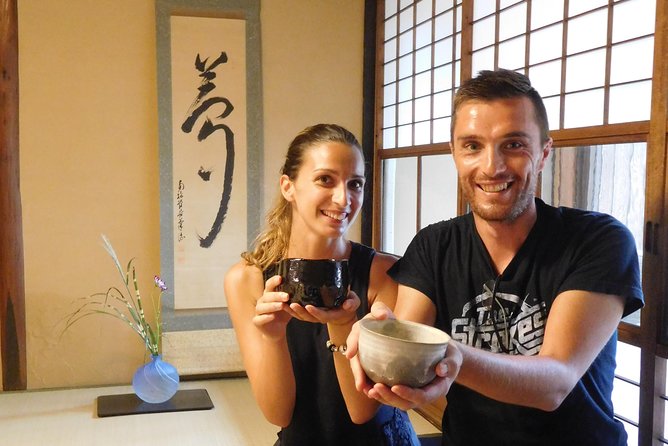
The experience doesn’t treat matcha as just a drink. You’ll also get background on the history behind the sacred ritual—once favored by monks and samurais.
That kind of context changes how you experience the ceremony. Instead of thinking of it as a performance for tourists, you start noticing it as a disciplined practice. When a ritual has roots in daily life, study, and discipline, the movements make more sense—even if you’re only learning the basics.
I’d treat the history portion like the glue of the experience. It helps you remember what you learned afterward, because you’re not just memorizing steps. You’re connecting them to meaning.
Your bowl plus Japanese sweets: what’s included and what it means
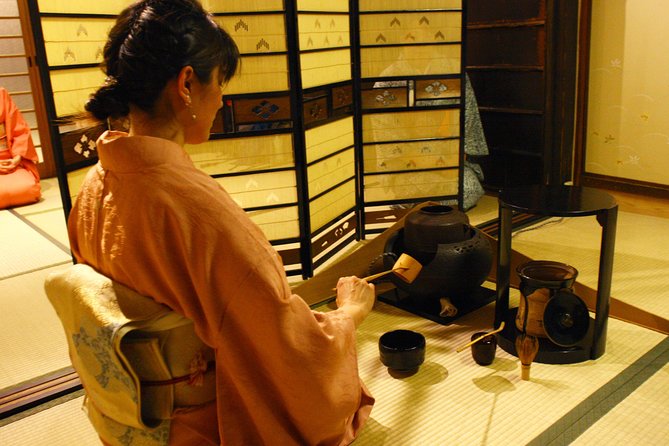
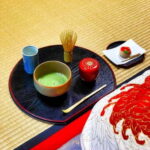
You’ll receive a bowl of matcha green tea and Japanese sweets. The overview also mentions cakes from a famous Kyoto confectionary, which gives a sense of how thoughtfully the pairing is planned.
This matters because tea ceremonies often feel incomplete without something sweet on the side, especially for first-timers. The sweets help balance the flavors and make the tasting part enjoyable. If matcha feels intimidating because of its bitterness, the pairing can make it more approachable.
You can think of this as the payoff: you put in the effort learning the brew, then you taste what you made with a Kyoto-style dessert that fits the moment.
Small group (up to 6) is a real quality upgrade
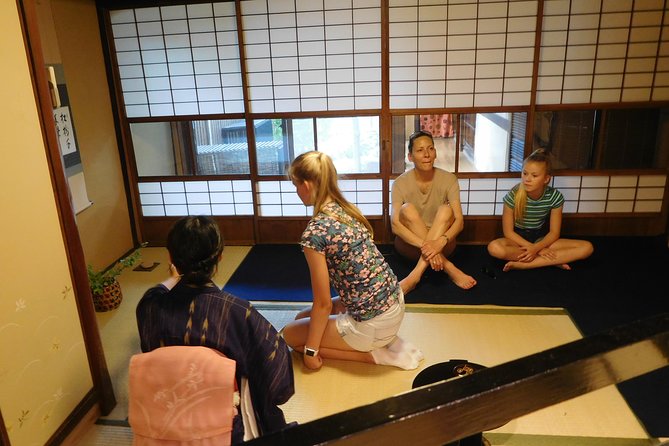
A group size max of 6 travelers is one of the most underrated features. In a bigger group, tea workshops turn into a conveyor belt. Here, you get time—time for guidance, time to ask questions, and time to reset if you’re unsure about a step.
If you’re going with a partner, a parent, or a friend and you all want the same level of coaching, this is a strong format. One review highlights that the session was enjoyable even for parents, which fits the idea that the instructions are clear and approachable.
Price and value: is $27.59 worth it?
At $27.59 per person, you’re paying for more than a quick tasting. You’re getting:
- a guided tea ceremony component
- a hands-on matcha workshop
- your own brewed bowl
- Japanese sweets included
- instruction time from a professional host in a traditional townhouse space
For an activity that lasts about an hour, that can be good value—especially in Kyoto where lots of cultural experiences charge similar prices but offer less interaction. Here, you’re actively making tea rather than just observing.
Where the price might feel less “worth it” is if you’re only interested in photos and atmosphere. If your main goal is a tea ceremony show, this won’t feel like a stage production. It’s a learning session.
For most people, though, paying for participation (not just viewing) is exactly where this price starts to make sense.
Who this tea ceremony suits best
This experience is a great fit if:
- you want a hands-on cultural activity without a long day
- you’re curious about matcha and want guidance you can follow
- you prefer a small group setting with time for questions
- you’d enjoy learning the meaning behind the ritual, not just the technique
It’s also a good choice if you’re traveling with someone who’s not sure they’ll like tea. The instructions are designed to be clear, and the experience is structured so you get a satisfying end result: your own bowl of matcha plus sweets.
If you’re the type who likes deep, long courses, you might wish it ran longer than an hour. But as an introduction that you can actually complete, it’s strong.
Should you book this matcha tea ceremony in Kyoto?
I’d book it if you want a practical, authentic-feeling tea experience that you can remember and repeat. The townhouse setting adds atmosphere, but the real win is that you brew, not just watch. With a maximum of 6 people and personalized demonstrations, it’s easier to learn than many bigger-group cultural activities.
Skip it only if you’re looking for a passive performance or you don’t want to travel to the address on your own. Otherwise, this is exactly the kind of short Kyoto activity that turns a single hour into a real skill and a real memory.
FAQ
What’s the duration of the tea ceremony experience?
It runs for about 1 hour.
Is the ticket mobile, and how do I get in?
You’ll receive a mobile ticket, and your confirmation is provided within 48 hours of booking (subject to availability).
What’s included with the matcha workshop?
You’ll receive a bowl of matcha green tea and Japanese sweets.
Is hotel pickup included?
No. Hotel pickup and drop-off are not included.
How big is the group?
The experience has a maximum of 6 travelers.
Is free cancellation available?
Yes. You can cancel up to 24 hours in advance of the experience’s start time for a full refund.