REVIEW · KYOTO
Kyoto: Amanohashidate Ine Funaya Tour
Book on GetYourGuide →Operated by REOTRIP TECHNOLOGY LIMITED · Bookable on GetYourGuide
Heaven’s Bridge in one long, scenic day. This tour links a famous sandbar called Heaven’s Bridge with the study-focused Chion-ji Temple, then finishes in the fishing town of Ine with boat houses by the water. I like that it packs big-name sights into one efficient route without you having to plan transfers or fight train schedules. One thing to consider: the day can include extra costs at the sites because entry tickets aren’t included, and the level of historical detail can depend a lot on your guide.
From Osaka, you’ll ride a bus (about 2.5 hours one way) and spend the rest of the day moving through picture-perfect coastline, temple gates, and Ine’s waterfront lanes. English is available (and Japanese too), and I’ve seen guides such as Jay and Fred listed for this experience on different dates, so service quality can be strong when your guide is chatty and organized.
The possible drawback is simple: it’s not a food tour, and you’re on your own for meals and drinks. If you’re the type who wants lots of deep background at each stop, bring your curiosity—and ask questions early—because the emphasis is more on sightseeing time than on long lectures.
In This Review
- Key things worth your attention
- Getting There From Osaka: What “Easy Pickup” Really Means
- Amanohashidate and Heaven’s Bridge: The View You Came For
- Chion-ji Temple: Wisdom Blessings for School Success
- A Quick Kyoto Prefecture Stop for Photos and Context
- Ine Fishing Town and Funaya Boat Houses: Where the Day Turns Scenic
- The Bay Cruise and Feeding Seagulls: Simple, Memorable, and Short
- Price and Value: Is $76 a Good Deal?
- Guide Style and English: What to Expect From the Human Part
- Timing, Weather, and What to Pack
- Who This Tour Fits Best
- Should You Book This Kyoto Day Trip?
- FAQ
- How long is the Kyoto: Amanohashidate Ine Funaya Tour?
- Where do I meet and where is the drop-off?
- What’s included in the price?
- Are food, drinks, or entry tickets included?
- What language is the tour guide available in?
- Is free cancellation available?
Key things worth your attention
- Heaven’s Bridge: a sandbar view that Japan calls one of its Three Views
- Chion-ji Temple: dedicated to Manjushri, the Buddhist god of wisdom
- Students’ stop ritual: a temple angle aimed at school success
- Ine waterfront boat houses: a very visual, very photogenic fishing-town setting
- Optional bay cruise / boat time: a chance to feed seagulls from the water
Getting There From Osaka: What “Easy Pickup” Really Means
This is a 10-hour day trip built for one thing: getting you out of Osaka and back without you having to coordinate public transit. You’ll start with pickup from an Osaka-area meeting point, then board the bus right away at the loading area you chose.
You typically have two start options: Nippombashi Station or Kyoto-Hachijoguchi Bus Loading Area. Drop-off returns you to one of those same Osaka-area spots, depending on your booking option.
Here’s the practical bit: the tour sends an email the day before with pickup details, including your guide’s contact info and the bus license plate number. In Japan, it’s the small details that keep the day smooth, so make sure you check that email and arrive early enough to find the right bus.
The bus drive is long enough (around 2.5 hours to the first main area) that your comfort matters. Pack a layer for the ride, since buses can swing chilly depending on weather and driver settings.
Also, build in buffer. Schedules can shift due to traffic, holidays, weather, and crowds, and delays can happen.
You can also read our reviews of more tours and experiences in Kyoto.
Amanohashidate and Heaven’s Bridge: The View You Came For
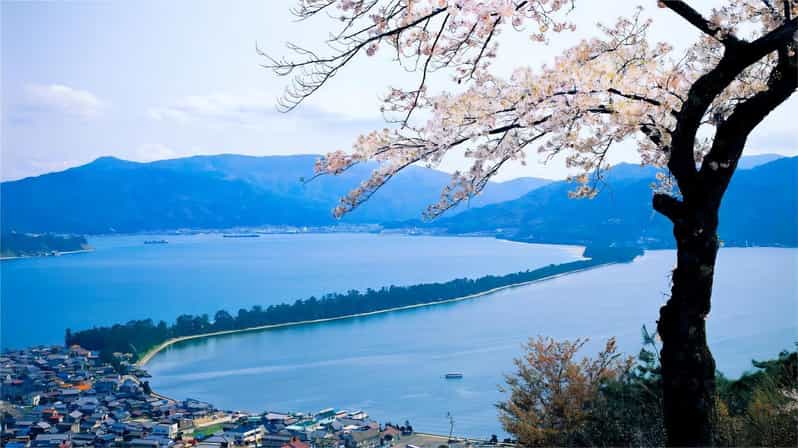
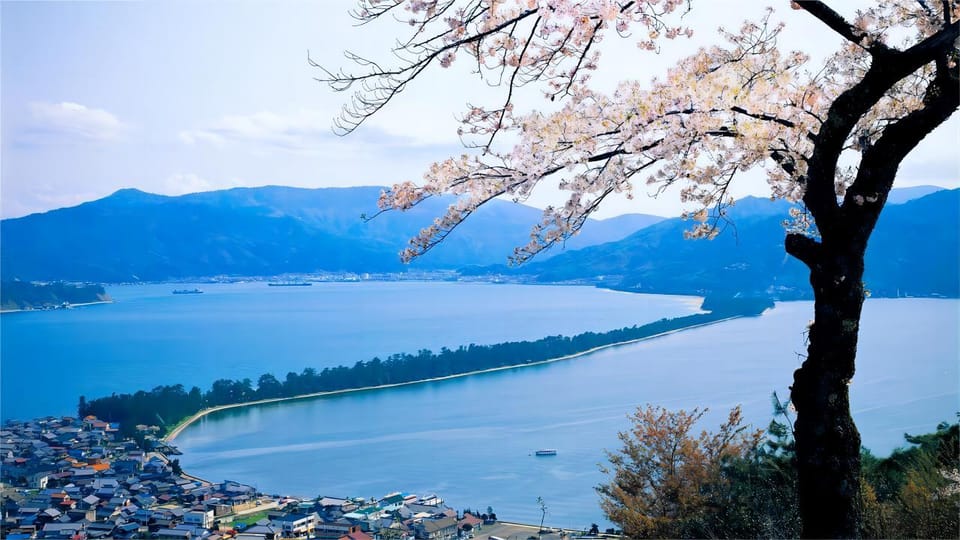
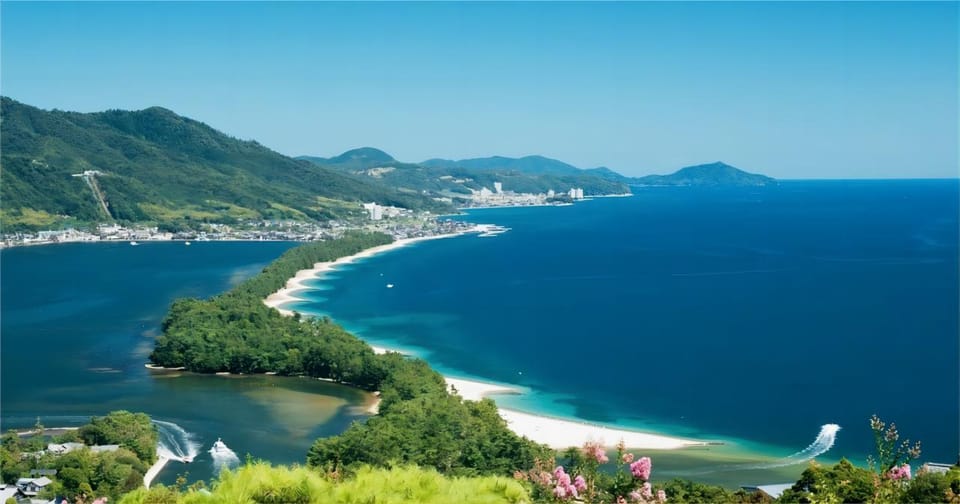
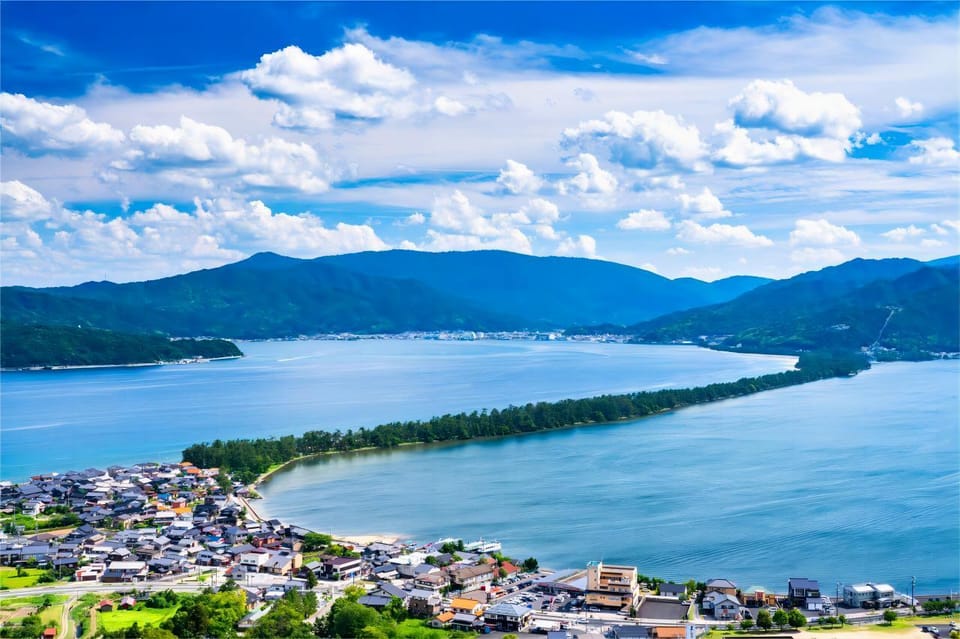
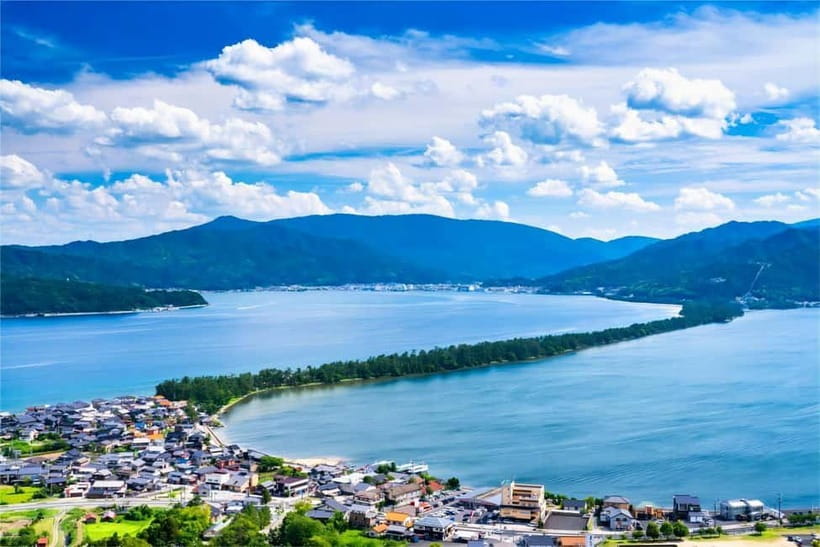
Amanohashidate is the first big payoff, and it’s not subtle. Your main stop is at Amanohashidate, a sandbar that connects both sides of Miyazu Bay—a place famous enough to be known as one of Japan’s Three Views.
What you’ll actually experience is shoreline theater: pristine white sandy beaches, pine trees covering the sandbar, and wide open water stretching toward the sea. The scenery includes the Aso Sea and the Sea of Japan views—so yes, you’re dealing with classic “coastline postcard” framing, and you’ll want your camera ready.
The name translates as Bridge to Heaven, and the view works even when the light isn’t perfect. You get a mix of photo time and guided explanation, then you’ll have free time to walk and soak in the pine-covered stretch. The tour schedule gives you about two hours here, which is enough for photos, a slow wander, and time to just stand and watch the water.
Possible drawback: sandbars look different depending on tide and weather. If it’s cloudy or windy, you might feel more rushed while trying to get the shot you pictured. Still, the sandbar and pine combination is strong enough that it holds up.
Tip: wear shoes you don’t mind getting a little dusty. This is sightseeing walking, not just a quick overlook.
Chion-ji Temple: Wisdom Blessings for School Success
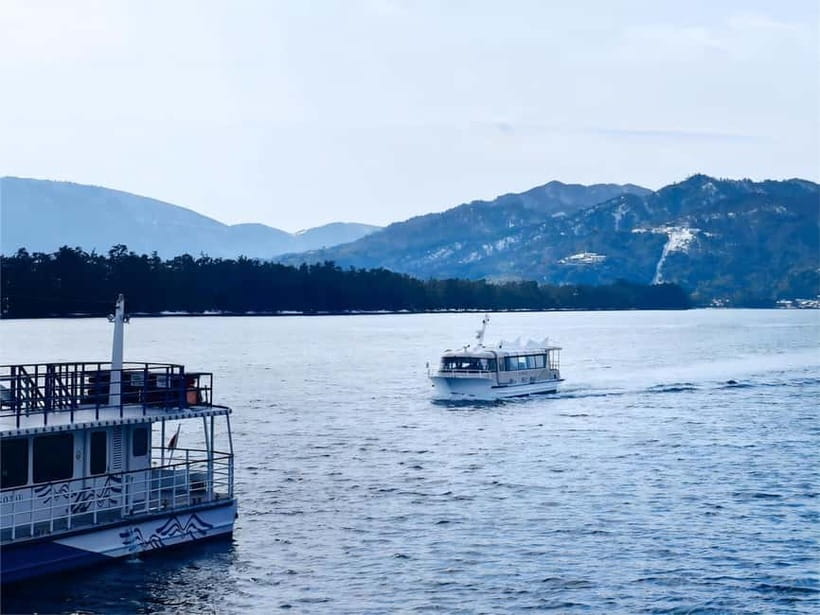
After the coast, the tour moves to Chion-ji Temple, positioned south of Amanohashidate. This is the moment where the day turns from scenery into meaning.
Chion-ji is dedicated to Manjushri, the Buddhist god of wisdom. You’ll learn how the temple is tied to study and improvement—especially how students come to seek blessings that support success in learning.
On the approach, you’ll walk through an ancient gate and see a fan-shaped signed poem symbolizing progress and improvement. That little detail matters because it gives you a clear cultural “why” for your visit: this isn’t just architecture; it’s a place people return to with a goal.
Your time here is about 30 minutes, and it’s structured as a photo stop plus guided visit and a bit of walking. That short time is good if you want a quick, focused temple stop. If you want a longer temple experience—more reading, more side halls—this might feel tight.
Best way to use the limited time: ask your guide one direct question, like what the temple’s connection to wisdom means in everyday terms, not just in religious terms.
A Quick Kyoto Prefecture Stop for Photos and Context
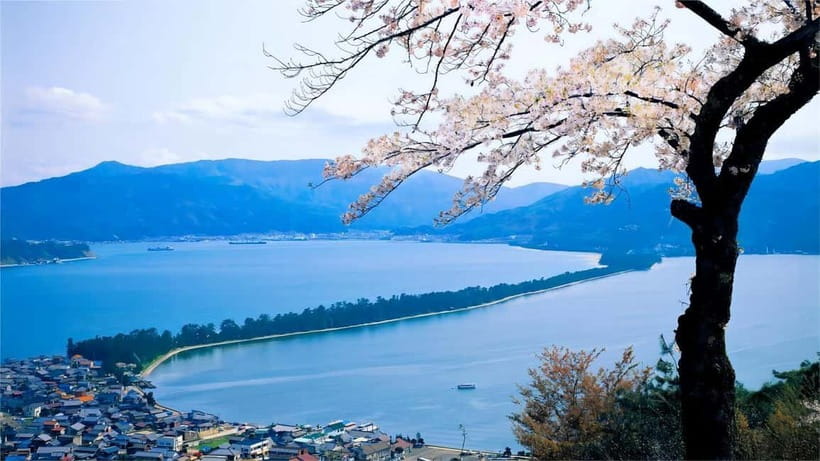
Between the temple and Ine, there’s a “Kyoto Prefecture” stop that includes photo time, guided context, and a short walking window. The exact scenery details vary by day, but the goal is consistent: give you a break from bus time and keep you tuned into the region before you reach the waterfront town.
This is the part of the day where you might feel the schedule rhythm most clearly: quick stops, short walks, and time that’s designed to keep everyone moving without long gaps.
If you’re the kind of person who hates wasted time, use this stop strategically:
- take a few solid photos rather than chasing one perfect angle
- ask your guide what you should watch for next in Ine
- check your phone map just so you don’t start wandering once you arrive
Ine Fishing Town and Funaya Boat Houses: Where the Day Turns Scenic
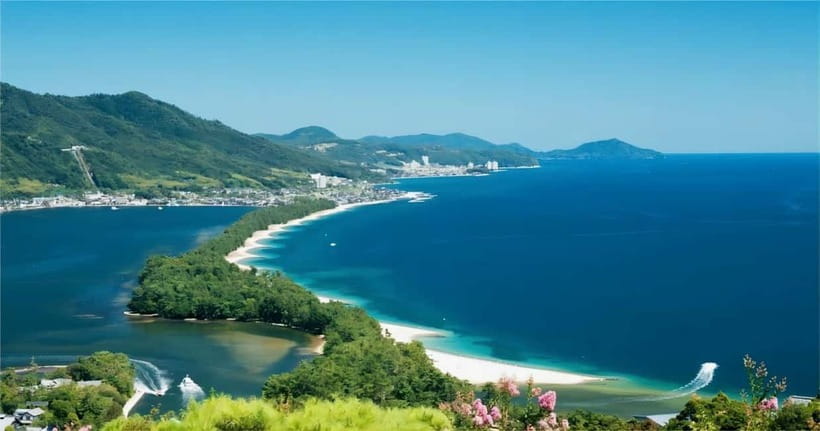
Ine is the reason many people take this tour. It’s a picturesque fishing town known for waterfront boat houses, called funaya. In practice, it means you’ll see rows of structures built out by the water—simple, functional buildings that end up looking almost like a model village.
The waterfront is where the photos come alive. You’ll walk along the town, check out shops and restaurants, and browse souvenirs. This part matters because it gives you a real small-town feel instead of only “famous spot” time.
The schedule also includes time to check out the boat houses. If you want to go further, there’s a chance to pay for a boat ride. If you’re thinking about spending money here, prioritize doing it with a plan: even a short boat ride can change your perspective from “looking at the town” to “seeing how it works.”
One practical note: this is a working fishing area, so it’s not just a theme set. You’ll likely see everyday movement and waterfront life.
The Bay Cruise and Feeding Seagulls: Simple, Memorable, and Short
A highlight of this tour is a boat cruise around the bay where you can feed seagulls. This is one of those moments that’s fun even if you don’t love animals, because it’s active and fast-moving.
From a practical standpoint, it’s also a relief break from walking. You’ll be seated on the water while the shoreline and boat houses slide past. For many people, the seagull feeding is the kind of photo moment you can’t replicate from land.
Because the tour data suggests you may need to pay for boat time, treat it like an optional add-on: decide when you’re at the waterfront. If you’re traveling with kids, this is usually the part that keeps attention. If you’re traveling solo and want calm, skip the extra time and focus on Ine’s walking lanes and shopping.
Small caution: bring something small and secure for any snacks or personal items you plan to carry. A waterfront boat day can mean waves, wind, and sudden motion.
Price and Value: Is $76 a Good Deal?
At $76 per person for about 10 hours, this day trip is priced for efficiency. You’re paying for transportation, pickup/return transfer, and a live guide. That matters because getting from Osaka to Amanohashidate and then to Ine on your own would take planning time and likely a couple of connections.
What isn’t included is also important. Food and drinks are not included, and entry tickets are not included. That means your real day cost can rise depending on what you choose at Chion-ji and whether you opt into any boat ride.
One traveler note that sticks with me: don’t assume card payments will work smoothly for every extra purchase. If you’re tight on cash or rely only on cards, bring a bit of small change and at least some cash just in case.
If you budget snacks and one meal, this tour still tends to make sense. If you want full control over food choices or you expect everything to be covered, you may find the add-ons annoying.
Guide Style and English: What to Expect From the Human Part
The guide can make or break a day like this, because it’s fast-paced and you’re seeing different types of places: coast views, temple symbolism, and a working fishing town.
English is available, and Japanese too. In general, the tour runs with guided explanations during the key stops. Some guides are more conversational and instruction-heavy, while others may keep it closer to route management and short pointers.
I’ve seen names like Jay and Fred connected with this experience on different dates, and both appear in guidance roles. That’s a good sign. Still, if you want a lot of history and symbolism, you should ask specific questions rather than waiting for the narrative to cover it all.
Good moment to ask: at the transition from Amanohashidate to Chion-ji. That’s when the day shifts from scenery to meaning, and a guide can often connect the dots quickly.
Timing, Weather, and What to Pack
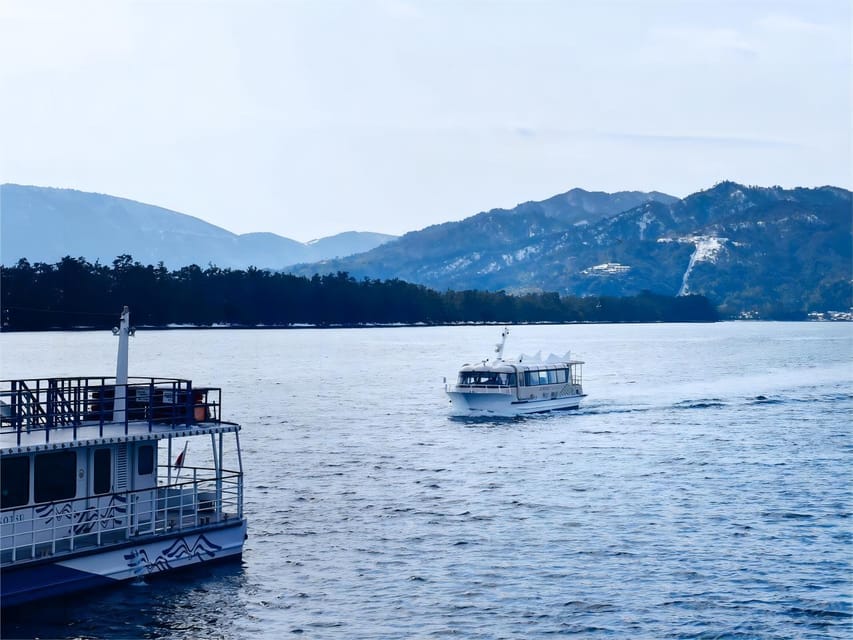
Weather can change how you experience Amanohashidate. Rain won’t ruin the trip, but it can change your photo results and how comfortable you feel outside. One reason this tour is popular is that it keeps moving, so even a rainy day still gives you enough variety to feel like you got value.
Pack like you’ll be outside in wind and possible mist:
- a light rain layer or umbrella
- comfortable walking shoes
- a small towel or wipe for sandy areas
- sunscreen or a hat if the day turns bright
Also, note the luggage rule. You can bring one piece of luggage for free, and extra pieces larger than 20 inches cost $16. If you’re traveling light, you’ll likely be fine.
Who This Tour Fits Best
This is a great fit if you want a one-day sampler of western Japan coastal icons without jumping through transit hoops. It’s especially good for people who:
- want to see Amanohashidate (Heaven’s Bridge) and Ine in the same day
- like guided structure but still want time to wander and take photos
- prefer a mix of sightseeing plus a temple visit with study-focused symbolism
It’s less ideal if you want long stays, lots of free time, or deep historical lectures at every stop. Chion-ji is short by design, and Ine’s boat time may involve choices and optional extra costs.
Should You Book This Kyoto Day Trip?
If you’re planning to base yourself in Osaka and you only have one day to spend on the Kyoto-area coast, I think this is a practical booking. It’s direct, time-efficient, and it hits the big visual moments: pine-covered sandbar views, temple symbolism tied to wisdom and school success, and Ine’s funaya boat houses.
Book it if:
- you’re okay paying extra for entry tickets and optional boat time
- you want a guided day with built-in timing
- you like photo-heavy sightseeing with short walking windows
Skip it (or consider alternatives) if you hate schedule intensity, you need lots of downtime, or you want meals fully planned for you.
FAQ
How long is the Kyoto: Amanohashidate Ine Funaya Tour?
The tour duration is 10 hours.
Where do I meet and where is the drop-off?
Pickup and drop-off depend on your option, with two common locations: Nippombashi Station or Kyoto-Hachijoguchi Bus Loading Area.
What’s included in the price?
Return hotel transfer, transportation to the sites, and a live tour guide are included.
Are food, drinks, or entry tickets included?
No. Food and drinks are not included, and entry tickets are not included.
What language is the tour guide available in?
The tour is available with a live guide in English and Japanese.
Is free cancellation available?
Yes. You can cancel up to 4 days in advance for a full refund.