REVIEW · KYOTO
Sushi or Traditional Japanese Cuisine in a Kyoto Home with Emika
Book on Viator →Operated by Traveling Spoon · Bookable on Viator
A meal at a Kyoto home beats any restaurant script. This experience puts you at Emika’s dining table for a home-cooked Japanese spread, typically starting with a cup of traditional matcha and moving into Obanzai dishes built around seasonal ingredients.
I especially love the focus on real, everyday Kyoto flavors: you’re not just ordering Japanese food, you’re learning how it’s put together, including traditional touches like miso soup and sushi basics. The other big win for me is the human side, from Emika’s conversation to the way her father’s tea ceremony style can be part of the evening.
The only real drawback to consider is logistics: there’s no hotel pickup, so you’ll need to get yourself to the meeting address in Nishikyo Ward and be comfortable with a schedule that follows the home rhythm, not yours.
In This Review
- Key Things That Make This Kyoto Meal Work
- Why a Kyoto Home-Cooked Meal Feels Like a Real Find
- Starting With Traditional Matcha: More Than a Drink
- Obanzai: The Kyoto-Style Dishes Built From Season
- Sushi and Miso Soup: Learning the Traditional Way
- Tea Ceremony After Dinner: A Calm Kyoto Finish
- What You Get: Lunch or Dinner, Courses, and Local Alcohol
- The Address Part: Getting There Without a Hassle
- Is $79 a Good Value for a Kyoto Home Meal?
- Who Should Book This Kyoto Experience
- Small Considerations Before You Go
- Should You Book the Emika Kyoto Home Meal?
- FAQ
- How long is the Kyoto home-cooked sushi and Obanzai experience?
- Where do I meet, and does it end nearby?
- Is this experience private?
- Does the experience include lunch or dinner options?
- What’s included in the meal?
- Is sushi included, or is it traditional Japanese cuisine only?
- Are dietary requirements handled?
- Is there hotel pickup or drop-off?
- How far in advance should I book?
- What is the cancellation policy?
Key Things That Make This Kyoto Meal Work
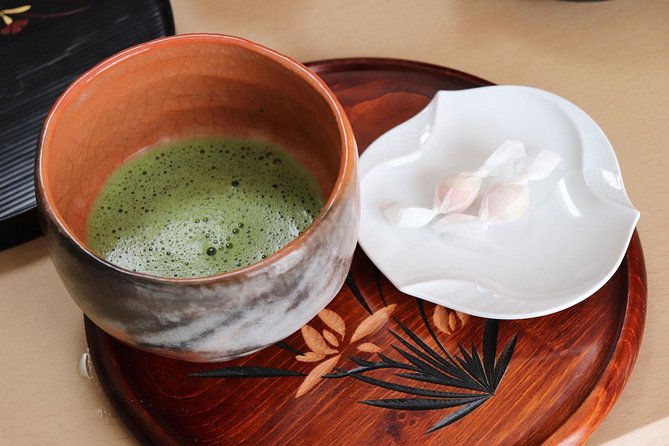
- Traditional matcha as the kickoff, made in the customary way before you eat
- Obanzai-centered menu, leaning on seasonal vegetables and seafood rather than generic “Japanese buffet” food
- A host-led, private table where conversation and pacing matter more than a crowd
- Tea ceremony may be included, often finished with a calm, charming tea moment
- Sushi and miso soup taught traditionally, not just served and forgotten
- Local alcohol included, which can turn dinner into a real Kyoto-style evening
Why a Kyoto Home-Cooked Meal Feels Like a Real Find
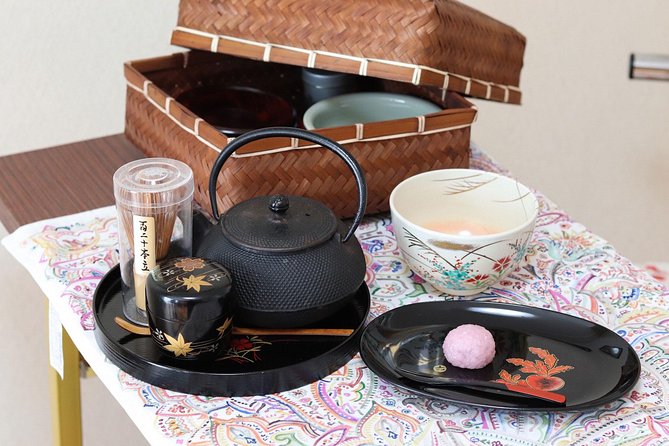
Kyoto is famous for temples and streets, but the best cultural memories are often quieter: a kitchen smell, a shared cup of tea, and a table that feels lived-in. In Emika’s home, you’re stepping into a slice of daily life rather than a staged performance.
This is a private, personalized experience, meaning it’s just your group. That matters because you’ll get more of the kind of back-and-forth you want while eating—questions about food, small details about ingredients, and an easy flow to the meal.
And because the menu can vary by season, you’re also getting Kyoto as it changes. Think of it less like a fixed “class” and more like a seasonal visit to a home cook’s table.
You can also read our reviews of more tours and experiences in Kyoto.
Starting With Traditional Matcha: More Than a Drink
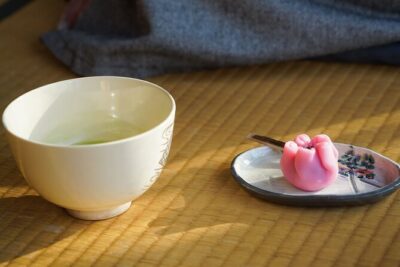
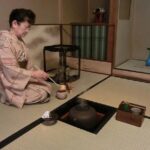
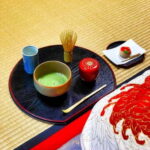
The meal starts with a cup of green tea prepared traditionally, usually by Emika or her father. It’s not just a caffeine delivery system. In a Kyoto home setting, matcha becomes the opening ritual, setting the tone for what’s coming.
You’ll learn how matcha fits into the broader tea culture, and it often connects directly to what comes next. In some cases, a small tea ceremony may also happen after the meal, guided by her father, who is described as a master of the tea ceremony.
If you like food that comes with context, this start is a big deal. It turns the first sip into a kind of “hello” before the meal gets serious.
Obanzai: The Kyoto-Style Dishes Built From Season
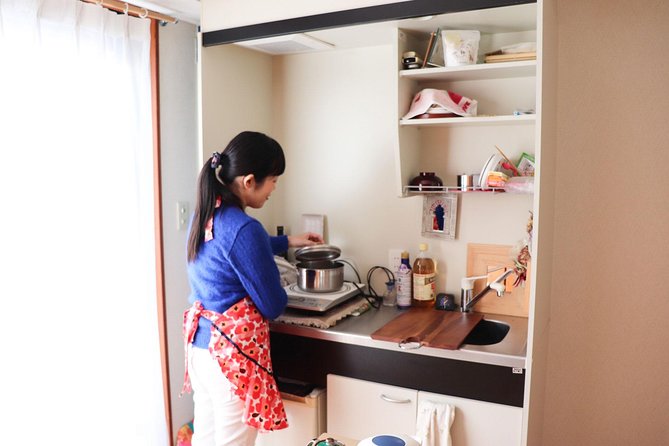
Obanzai is Kyoto home cooking in its most practical form. It usually means small dishes that highlight seasonal vegetables and seafood, cooked in a way that feels suited to what’s available right now.
At Emika’s table, the Obanzai component is a core part of the experience, not a side note. You may see dishes that pair naturally with rice, and you’ll likely enjoy a mix of flavors that don’t taste like they came from the same template.
This is where the value shows up for me. You’re not paying just for food—you’re paying to understand why Kyoto-style cooking leans toward seasonal variety. When the menu shifts with the seasons, it’s easier to remember what you tasted and why it mattered.
Sushi and Miso Soup: Learning the Traditional Way
If you’re drawn specifically to sushi, you’re in the right place. The experience includes sushi as part of the meal, along with miso soup and other seasonal sides.
More importantly, you may be guided through how things are made in a traditional way, including sushi and miso soup steps. That learning component is what makes this different from eating sushi in a restaurant and walking out feeling satisfied but unchanged.
You’ll also notice freshness is a theme here. From the way the dishes are described, ingredients can be local and in some cases grown in the host’s own garden. Even if you’re not a super-nerdy ingredient detective, you can still taste the difference when food is handled close to where it’s sourced.
Tea Ceremony After Dinner: A Calm Kyoto Finish
One of the most praised moments is the tea ceremony element. When it happens, it’s typically described as small and charming rather than overly formal or intimidating.
This matters because it gives you a cultural “landing” after you’ve eaten. You’re not rushing from meal to meal. Instead, you slow down, sip again, and absorb the vibe of a Kyoto home at rest.
If you’re someone who wants culture without the museum mood, this fits. It’s structured, but it stays warm and personal.
What You Get: Lunch or Dinner, Courses, and Local Alcohol
You can choose lunch or dinner timing, which is a smart advantage if you’re trying to build a realistic Kyoto schedule. A 1 hour 30 minute duration means you can fit it between sightseeing blocks without turning your day into a commute marathon.
The experience includes:
- An authentic home-cooked Japanese meal
- Green tea prepared traditionally
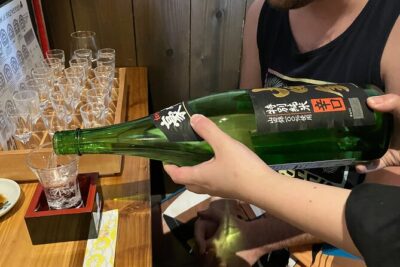
- Local alcohol
- Dishes that commonly include sushi, miso soup, rice, Obanzai-style plates, and a sweet that goes well with matcha
Menus can vary by season, so don’t expect the exact same set of dishes every time. The upside is that you’ll likely get what’s best for that time of year, not what the kitchen always serves.
The Address Part: Getting There Without a Hassle
You meet at 31-30 Katsurainariyamachō, Nishikyo Ward, Kyoto, 615-8025, Japan. There’s no hotel pickup or drop-off, so you’ll need to plan your route using public transportation.
The good news is it’s near public transport. Still, because it’s a residential area, I’d give yourself a little extra time the first time you navigate the neighborhood. Kyoto streets can be straightforward, but finding a specific home entrance is easier when you’re not sprinting.
The activity ends back at the meeting point. So once you arrive and settle in, you can avoid the stress of wondering where you’ll be when the meal ends.
Is $79 a Good Value for a Kyoto Home Meal?
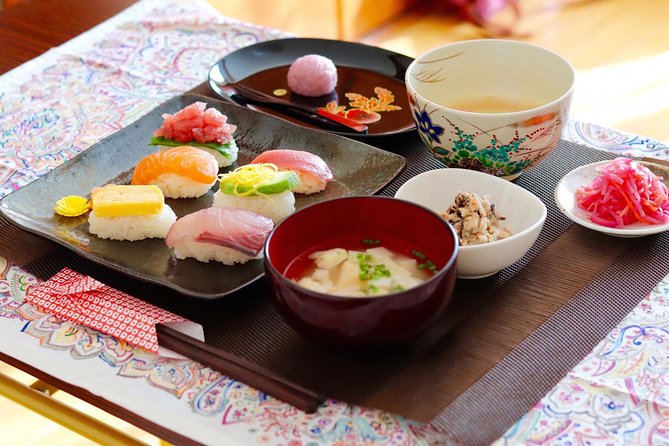
For $79 per person, you’re paying for a full private dining experience in a home, not just a plate of food. In practice, that usually means you’re getting multiple elements in one: matcha, Obanzai plates, sushi and miso soup, a sweet, conversation, and local alcohol.
What makes that feel like value is the combination. If you tried to recreate it on your own—restaurant dinner plus a matcha start plus a tea ceremony style add-on—you’d spend time and money piecing it together, and it still wouldn’t be as personal as a private table with a Kyoto host.
Also, the experience is mobile ticketed and confirmation is received at booking. That’s minor, but it helps you avoid last-minute uncertainty.
My only “value watch” is the seasonality of the menu. If you’re picky and need a very specific dish, you’ll want to check what’s typical for your timing and mention dietary needs early.
Who Should Book This Kyoto Experience
This is a great fit if you want:
- A real home-cooked meal in Kyoto, not a standardized tourist dinner
- Food + conversation, where your host can talk about ingredients and lifestyle
- A matcha and tea culture touch, including the possibility of a tea ceremony
- A private experience that doesn’t depend on a group schedule
It’s also ideal if you’re traveling with someone who enjoys cooking details. Even without being a cooking expert, you’ll likely appreciate learning the traditional approach to items like sushi and miso soup.
The private format also makes it easier to manage your pace. If you prefer meals that feel calm and unrushed, this setup supports that.
Small Considerations Before You Go
A few things can affect your comfort level:
- The menu may vary depending on the season, so expect changes in dishes and sides.
- There’s no hotel pickup, so you’re responsible for getting to the address.
- This is a private experience only for your group, so it’s not designed to “surprise mingle” with strangers.
If you have allergies or dietary requirements, you should advise them at the time of booking in the special requirements field. That’s the best way to get a menu that works for you.
Should You Book the Emika Kyoto Home Meal?
If your idea of a great Kyoto day includes slow, meaningful food moments, then yes, I’d book it. This is the kind of experience that turns Japanese cuisine from something you ate into something you understood—especially with matcha up front, Obanzai as the center, and the traditional tea touch that can follow.
Skip it only if you strongly prefer a predictable, restaurant-style menu or if you really don’t want to handle getting to a residential meeting point on your own.
If you want an authentic meal with a real Kyoto host—one that’s built around seasonal cooking and tea culture—this is a smart use of time and money in the city.
FAQ
How long is the Kyoto home-cooked sushi and Obanzai experience?
It lasts about 1 hour 30 minutes.
Where do I meet, and does it end nearby?
You meet at 31-30 Katsurainariyamachō, Nishikyo Ward, Kyoto, 615-8025, Japan, and the experience ends back at the meeting point.
Is this experience private?
Yes. It’s private and only your group participates.
Does the experience include lunch or dinner options?
Yes. You can choose lunch or dinner time.
What’s included in the meal?
You’ll get an authentic home-cooked Japanese meal, traditional matcha green tea, and local alcohol.
Is sushi included, or is it traditional Japanese cuisine only?
The experience includes an authentic Japanese meal that may include sushi, miso soup, Obanzai dishes, rice, matcha green tea, and sweets. Menu details can vary by season.
Are dietary requirements handled?
You should advise any specific dietary requirements in the Special Requirements box at the time of booking.
Is there hotel pickup or drop-off?
No. Hotel pickup and drop-off are not included.
How far in advance should I book?
On average, it’s booked about 25 days in advance.
What is the cancellation policy?
Free cancellation is available up to 24 hours in advance of the experience’s start time for a full refund. If you cancel less than 24 hours before, the amount paid is not refunded.