REVIEW · KYOTO
Discover Kyoto by Bike Full Day Tour
Book on Viator →Operated by Jaime · Bookable on Viator
Kyoto by bike beats tour-bus time. I like the e-bikes for a long day on 2 wheels, and I also like how the route mixes famous stops with calmer back streets guided by Jaime. You get photo moments, a relaxed pace, and the kind of local navigation that helps you dodge the worst congestion.
One thing to consider: this is a full-day ride, and you need moderate fitness to pedal about 32 kilometers while staying steady on narrow paths. If you are nervous about traffic or tight turns, plan to take it slow.
The tour runs about 7 to 8 hours and starts at 9:00 am near public transportation, with a mobile ticket and the day ending back where you started. Good weather matters, since the experience requires it to run smoothly.
In This Review
- Key highlights worth knowing
- Kyoto on Two Wheels: Why This Bike Day Works
- Starting at Toji: UNESCO Pagoda Views Without the Rush
- Green Break at Umekoji and University Life at Ryukoku
- Nishi Honganji and the Kamo River: Quiet Power and Local Rhythm
- Heian Shrine, a Torii Nearby, and the Story Behind the Canal
- Nanzen-ji by Bike: Zen Gardens, the Sanmon, and the Red Brick Aqueduct
- Honen-in and Ginkaku-ji: Hillside Calm and the Silver Pavilion
- Gion and Miyagawacho Alleys: Where the Streets Feel Personal
- Price, Pacing, and Practicalities (Including the 32 km Ride)
- Should You Book This Kyoto Bike Tour?
- FAQ
- How long is the Kyoto by Bike full day tour?
- What’s included in the price?
- Is lunch included?
- Is admission included for all temples?
- Do I need to be able to ride a certain distance?
- Where does the tour start and where does it end?
- What time does the tour start?
- Is this a group tour or private?
- Who is the guide?
- What happens if the weather is bad?
Key highlights worth knowing
- Toji at the start: UNESCO pagoda views before Kyoto’s biggest crowds really lock in.
- Small-group guiding with Jaime: friendly, clear local context as you move between neighborhoods.
- Kamo River cycling: a relaxing, local-feeling stretch that buses can’t do.
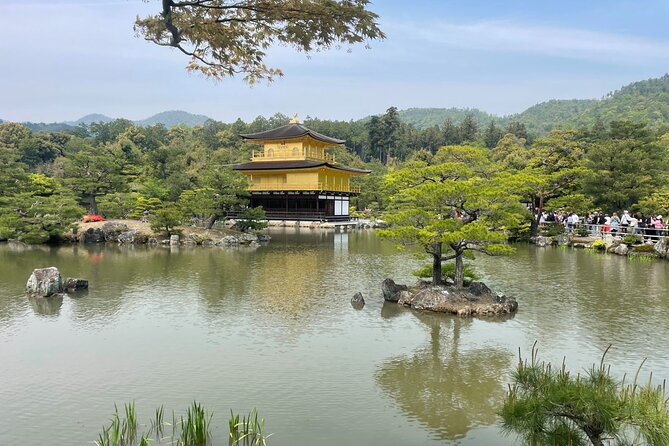
- Nanzen-ji plus the aqueduct: Zen gardens and the iconic red brick aqueduct in one stop.
- Honen-in’s calm hillside setting: a quieter pause before Ginkaku-ji and Gion.
- Ginkaku-ji included: entry is part of the day, not an extra add-on you have to manage.
Kyoto on Two Wheels: Why This Bike Day Works
This is a full-day bike tour designed for people who like Kyoto best when the streets feel lived-in. You’re not stuck watching crowds from a bus window. Instead, you ride between standout temples and classic neighborhoods, then cut over to quieter alleys that large tour routes often miss.
The big win is the pacing. A 7 to 8 hour day can feel intense, but the way the stops are spaced makes it feel like you’re constantly learning something new rather than just checking sites off a list. And because you’re on an e-bike, you can handle the distance without turning the day into a workout you didn’t sign up for.
The other practical win: you’ll spend real time on foot at key sights, not just rolling past them. That means you can actually look up at details like gate architecture, courtyard layout, and the way temples frame the sky.
You can also read our reviews of more cycling tours in Kyoto
Starting at Toji: UNESCO Pagoda Views Without the Rush
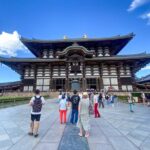
You begin at Toji, a UNESCO World Heritage Site famous for its five-story pagoda. Even if you’ve only seen Kyoto from photos, this is one of those views that instantly makes the city feel specific and real. The pagoda is tall, and the grounds feel calmer than you might expect in a major tourist area.
You get a peaceful stroll through the temple grounds, with time to take in the scale and learn why Toji matters in Kyoto’s story. Since this is the first stop, the timing helps. You’re not arriving at the busiest moment in the middle of the day.
If you’re someone who likes architecture, Toji is a strong opener. You get a big visual anchor early, which makes the rest of the tour feel connected rather than like a chain of unrelated stops.
Green Break at Umekoji and University Life at Ryukoku
Not every stop is a major temple, and that’s a good thing. After Toji, you head through Umekoji Park, a favorite escape for locals with wide open green spaces, seasonal flowers, trees for shade, and a pond where you can pause.
Then you pass through the grounds of Ryukoku University Omiya Campus. This is one of the ways the tour keeps you from feeling like you only travel through postcard Kyoto. You see daily life in a modern Kyoto setting, tied to a university that traces its roots to a Buddhist tradition and an older Kyoto community.
These parts of the day are useful. They act like breathing room between big sights, and they also help you reset your legs for the next ride segments. If you tend to get temple fatigue, you’ll likely appreciate this shift.
Nishi Honganji and the Kamo River: Quiet Power and Local Rhythm
Nishi Honganji is a major temple of Jodo Shinshu Buddhism and also a UNESCO site. You spend time in its large courtyard and focus on what makes the architecture notable. It’s not just the buildings; it’s the sense of space and the way the complex feels designed for movement and reflection.
After that, you cycle along the Kamo River. This stretch is one of the most “Kyoto feels like Kyoto” segments of the whole day. It’s a favorite spot for locals to relax, jog, and enjoy nature, and biking here gives you an easy-going rhythm. You get time to look around without always needing to scan for stairs, crowds, or entrances.
If you’re the type who loves quiet travel moments, the Kamo River section is where you’ll probably slow down the most, even while you’re riding.
Heian Shrine, a Torii Nearby, and the Story Behind the Canal
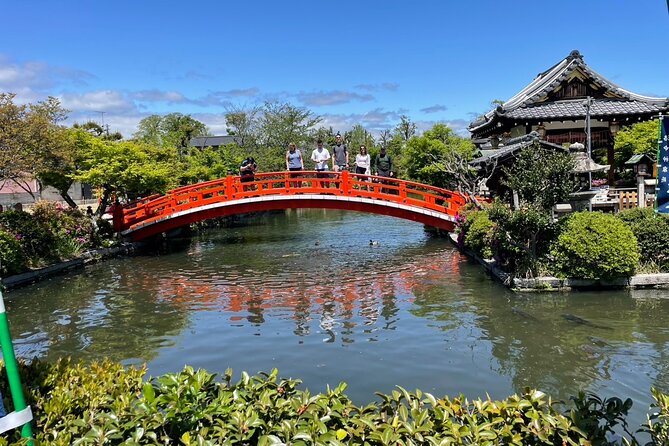
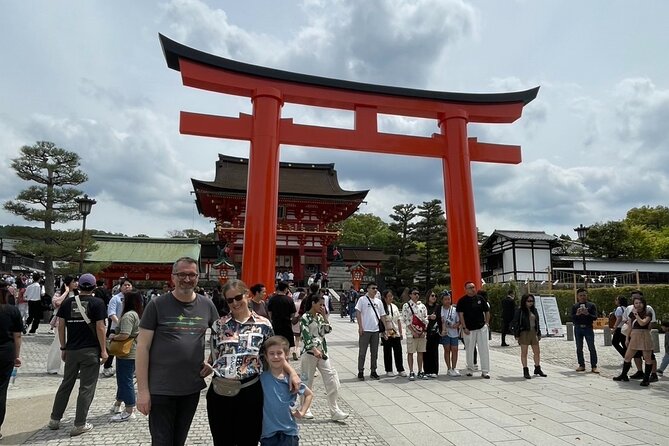
Heian Shrine brings a different visual vibe. It was built in 1895 to mark Kyoto’s 1,100th anniversary, with a bright vermilion gate and buildings modeled after the ancient Imperial Palace. It’s the kind of place where you can feel the city’s ambition and planning rather than only its ancient texture.
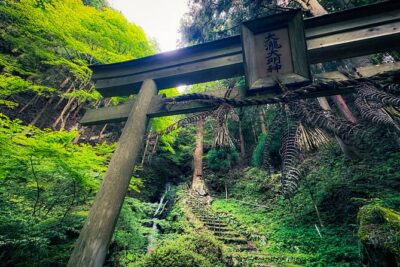
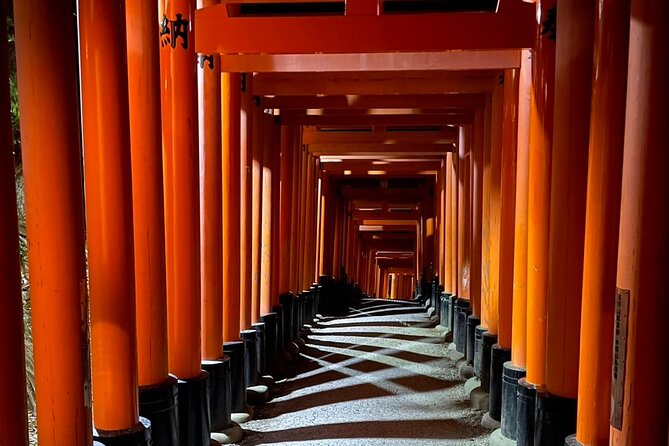
Just down the road, you’ll also see one of Japan’s largest torii. That’s the type of detail that makes photos look impressive without needing much effort from your camera settings.
Then you head toward the Lake Biwa Canal area, with a stop at the Biwa Aqueduct Museum. This is a small museum that tells the story of the engineering project from the 1890s that helped bring water, electricity, and new life to Kyoto after the canal was built. It’s a nice change from temple-only focus. You understand Kyoto as a living city with infrastructure and problem-solving, not just a museum of old buildings.
You can also read our reviews of more tours and experiences in Kyoto
Nanzen-ji by Bike: Zen Gardens, the Sanmon, and the Red Brick Aqueduct
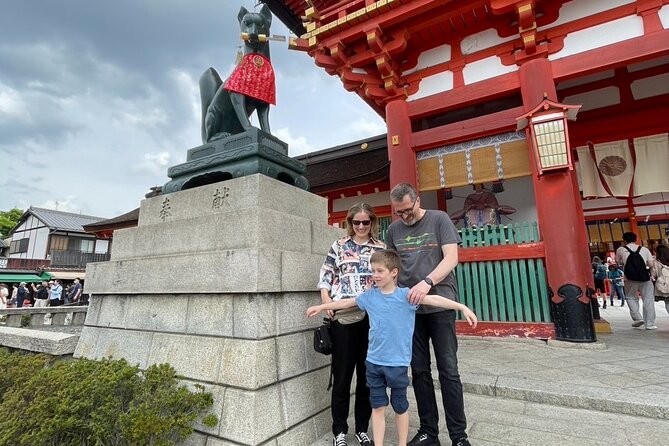
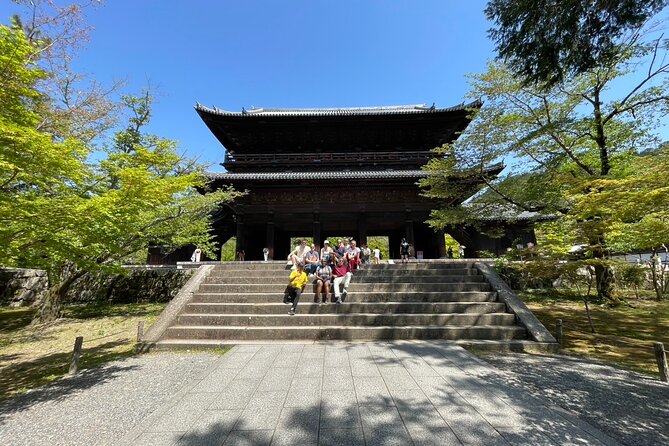
Nanzen-ji is one of Kyoto’s important Zen temples, founded in the 13th century. The star attraction here is the massive wooden Sanmon gate. You get time to appreciate the scale, then you’ll move through peaceful Zen gardens.
And then there’s the red brick aqueduct. In this stop, it runs right through the temple area, so you experience two kinds of Kyoto at once: spiritual space and industrial structure. That contrast is part of why this stop can feel memorable rather than repetitive.
This is also a good segment for your mental reset. After earlier temple stops, Nanzen-ji can feel like a deeper breath. The grounds help you slow down. The gardens give your eyes somewhere to rest, not just something to photograph.
Honen-in and Ginkaku-ji: Hillside Calm and the Silver Pavilion
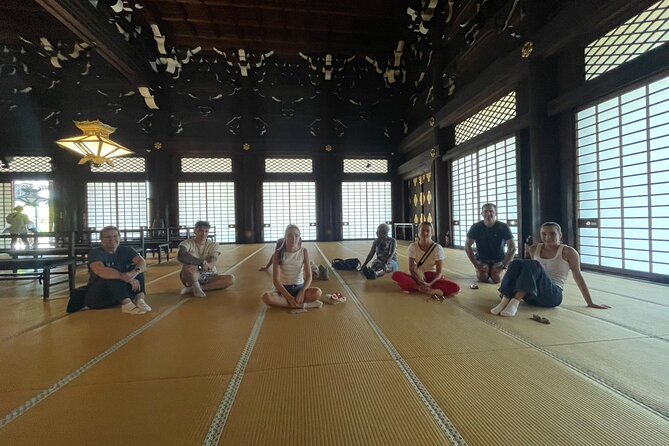
After Nanzen-ji, you ride toward Honen-in, a quiet temple tucked into the hills. It was founded in the 1600s to honor the Buddhist priest Honen, who spread teachings of the Pure Land sect. Expect a calmer atmosphere than you’ll feel at the more famous day-trippers’ spots.
The walk and viewpoints here are the opposite of a hurried stop. You’ll notice the mossy gate and the white sand areas, which create a neat, clean look that pairs well with slow photo stops.
Next comes Ginkaku-ji, the Silver Pavilion. The name sounds like something covered in silver, but it never actually was. Still, the site is iconic, and it’s a great moment to spend time walking around and taking in the atmosphere.
This admission is included in the tour, so you avoid the extra decision-making or ticket handling mid-day. It also helps you keep your timing smooth when the rest of the day moves at a steady pace.
Gion and Miyagawacho Alleys: Where the Streets Feel Personal
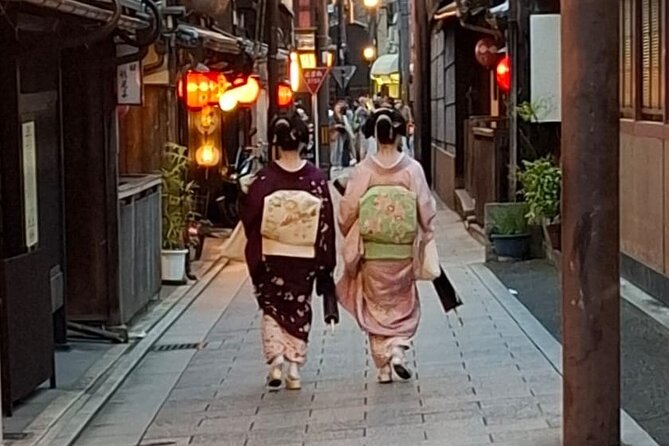
The tour includes time in Gion, Kyoto’s best-known geisha district, famous for traditional wooden machiya houses and lantern-lit lanes. You’ll learn about geiko and maiko culture while you ride through the area and soak in what makes Gion visually distinct.
Right after that, you also head to a lesser-known geisha district near Gion: Miyagawacho. This is where the “beyond guidebooks” part of the tour matters. You’ll move through quiet alleys with old Kyoto traditions still visible in the street pattern and the feel of the neighborhood.
One reality check: even on a route designed to avoid the worst congestion, Kyoto can be crowded in these classic districts. The upside is that you’re not stuck walking for hours. You can shift between on-bike movement and short walking moments, which keeps the day from becoming a slow crawl.
If you want that classic Kyoto atmosphere without turning the day into standing still, this section is a strong fit.
Price, Pacing, and Practicalities (Including the 32 km Ride)
At $128.48 per person, this tour isn’t the cheapest way to do Kyoto, but it can be good value for the type of day you’re getting. You’re paying for a guided, full-day route that hits major temples plus quieter neighborhoods, with the ride segments designed to get you into areas buses can’t reach comfortably.
The most important “value” detail is that the e-bike is included, which matters when you’re told to be fit enough to ride about 32 kilometers and maneuver safely on narrower paths. This is not a casual stroll-and-snap day. You’ll need control of the bike, and you’ll want to keep your speed sensible around pedestrians.
Plan for a full day with breaks. Admission tickets are free for many stops on the schedule, and Ginkaku-ji admission is included. Lunch is not included, so you’ll want to eat on your own during the day or plan around where you’ll have time.
Group style is another factor. This is a private tour/activity, so you’re only riding with your group. That usually means less waiting and fewer awkward slowdowns when people want to take photos at the same moment.
Weather is also a real factor. The experience requires good weather, and if conditions are poor, you’ll be offered a different date or a full refund.
Should You Book This Kyoto Bike Tour?
Book it if you want Kyoto by bike and you like your temples paired with neighborhood walking and riverside riding. This route is a strong match for people who don’t just want icons like Toji and Ginkaku-ji, but also want the calmer mood of places like Honen-in and the Kamo River cycle.
Skip it or at least think twice if you’re not comfortable riding 32 kilometers, or if narrow paths and mixed pedestrian zones make you uneasy. Also, if you hate planning around weather, remember this day depends on good conditions.
If you’re trying to make the most of one day in Kyoto with a mix of big sights and local-feeling streets, I’d put this at the top of your shortlist. The day is structured enough to feel complete, but flexible enough that you won’t feel trapped inside a rigid sightseeing machine.
FAQ
How long is the Kyoto by Bike full day tour?
It runs about 7 to 8 hours.
What’s included in the price?
The tour includes use of an e-bike. Mobile ticket delivery is also provided.
Is lunch included?
No. Lunch is not included.
Is admission included for all temples?
Admission is free for many stops, and Ginkaku-ji (the Silver Pavilion) admission is included. Other stops are listed as free.
Do I need to be able to ride a certain distance?
Yes. You should be fit enough to ride about 32 kilometers and maneuver safely on narrow paths.
Where does the tour start and where does it end?
It starts at the 7-Eleven at 44-1 Higashikujō Kamitonodachō, Minami Ward, Kyoto, 601-8002, Japan, and it ends back at the same meeting point.
What time does the tour start?
Start time is 9:00 am.
Is this a group tour or private?
It’s a private tour/activity, so only your group participates.
Who is the guide?
The experience provider is Jaime.
What happens if the weather is bad?
The experience requires good weather. If it’s canceled due to poor weather, you’ll be offered a different date or a full refund.