REVIEW · KYOTO
Kyoto: Descending Arashiyama (Private)
Book on Viator →Operated by An Design · Bookable on Viator
Arashiyama is prettier when you know where to go. This private, guided descent through the Arashiyama area trades wandering for a smart route—especially at Otagi Nenbutsu-ji Temple and the Sagano Bamboo Grove area where the timing and pacing really matter. Two things I especially like: you get a guide to help you get your bearings fast, and the day mixes major sights with calmer, more unusual stops you might skip on your own.
One consideration: you’ll need extra cash for admissions (it’s 5,000 yen per guest), and lunch is not included—so you’ll want to plan your budget and energy for a full walk.
In This Review
- Key highlights at a glance
- Arashiyama flows faster with a real route (and fewer wrong turns)
- Meeting at Randen Arashiyama: the day starts in the right neighborhood
- Togetsukyo Bridge: the iconic start photo, without turning it into a time sink
- Tenryu-ji Temple: how a Zen garden changes the way you look
- Otagi Nenbutsu-ji: 1,200 stone Buddhas and a strangely emotional calm
- Ayuchaya Hiranoya: a tea break that feels like Kyoto, not a pit stop
- Adashino Nembetsu-ji: 8,000 memorial stones and a bamboo walk that stays quiet
- Gio-ji Temple: the nunnery story, plus moss and bamboo
- Okochi Sanso Garden: one hour of some of the best Arashiyama views
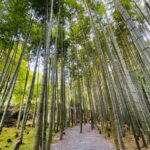
- The Bamboo Forest Trail: Sagano, but with a guided rhythm
- The pottery studio stop: why a hands-on moment makes the day feel real
- Gio-ji and Okochi Sanso work as your garden lesson
- Price and value: $690 for up to 4, plus a realistic admissions budget
- What the walking day feels like (and how to prepare)
- Who this Arashiyama descent is perfect for
- Should you book this private Arashiyama tour?
- FAQ
- What is the duration of the Kyoto: Descending Arashiyama tour?
- How many people are in the group?
- Where does the tour meet?
- What time does the tour start?
- Is the ticket mobile?
- Are admission tickets included?
- Is lunch included?
- What stops and sights are included?
- How physically demanding is the tour?
- What happens if the weather is bad?
- Is cancellation free if plans change?
Key highlights at a glance
- Togetsukyo Bridge: Start with Kyoto’s most recognizable Arashiyama photo spot
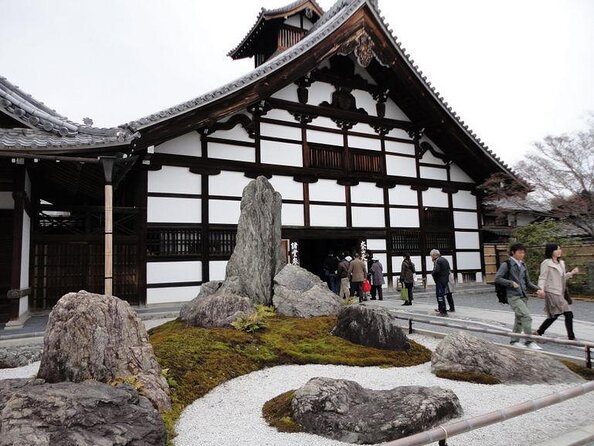
- Zen temple circuit: Tenryu-ji and other temples with long timelines, including over 1,000 years of history
- Memorials that stick with you: 1,200 stone Buddhas at Otagi Nenbutsu-ji and 8,000 memorial stones at Adashino Nembetsu-ji
- Edo-period tea break: Ayuchaya Hiranoya for sweets and tea in a classic setting
- Calm garden viewpoints: Gio-ji’s moss garden and Okochi Sanso’s best Arashiyama views
Arashiyama flows faster with a real route (and fewer wrong turns)
Arashiyama can feel like two different places at once: on one hand, it’s famous for bamboo and big temple names; on the other, there are quieter corners that reward slow looking. The big win here is that you’re not doing the planning puzzle. Your guide keeps the day moving in a way that makes sense geographically and historically—so you spend more time looking at things and less time Googling.
This is also built for a smaller day. The tour is described as a small-group experience (up to 7 travelers) and it’s private for your group, so you’re not stuck with a crowd that steamrolls the pace. That matters in Arashiyama, where the busiest areas can turn into a slow squeeze if you’re trying to navigate solo.
You can also read our reviews of more private tours in Kyoto
Meeting at Randen Arashiyama: the day starts in the right neighborhood
You meet at Randen Arashiyama Station Center (20-2 Tsukurimichi-cho, right by the station area). It’s an easy starting point if you’re already using public transport, and it sets you up well for the “descending” feeling of the route.
The start time is 9:30 am, which is a smart move. Even without getting too dramatic about it, the morning light and the earlier arrival help you see places with less chaos. Expect a steady walking day with moderate fitness needed; you’ll cover multiple temple grounds and garden areas, plus the bamboo areas.
Togetsukyo Bridge: the iconic start photo, without turning it into a time sink
You begin at Togetsukyo Bridge, one of Kyoto’s most recognizable Arashiyama images. This stop is short (about 20 minutes) because the goal is to get the photo, take in the river/bridge views, and then move on.
If you go solo, you can easily waste time just circling the same spots and waiting for the perfect angle. Here, the guide’s job is basically to keep you from doing that. You’ll get the payoff quickly, then you’ll shift attention to the temple and garden stops where the real story lives.
Tenryu-ji Temple: how a Zen garden changes the way you look
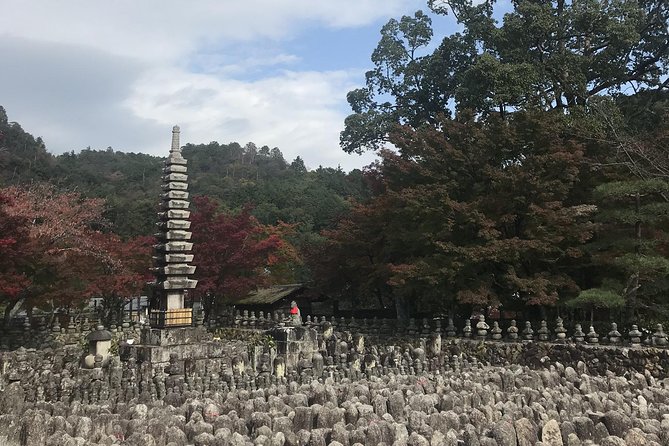
Next up is Tenryu-ji Temple, one of the early Zen temples in Japan and home to a famous Zen garden. You spend about an hour here, which is enough time to actually slow down and notice what your eyes usually gloss over.
What I like about this stop isn’t just that it’s famous. It’s that it teaches you a viewing habit. Zen gardens are often designed to be read like a quiet sequence: how the eye travels, what feels framed, and how the garden shifts from one angle to another. A guide helps you connect what you’re seeing to why it was shaped that way—so you don’t just take pictures, you understand the composition.
Admission isn’t included, so you’ll want to keep your cash-ready plan in mind.
Otagi Nenbutsu-ji: 1,200 stone Buddhas and a strangely emotional calm
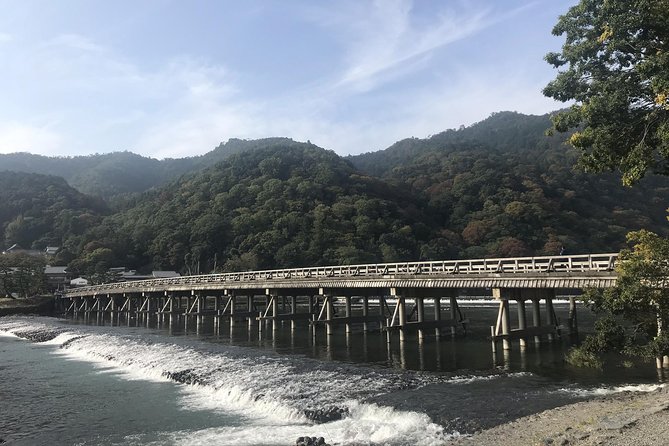
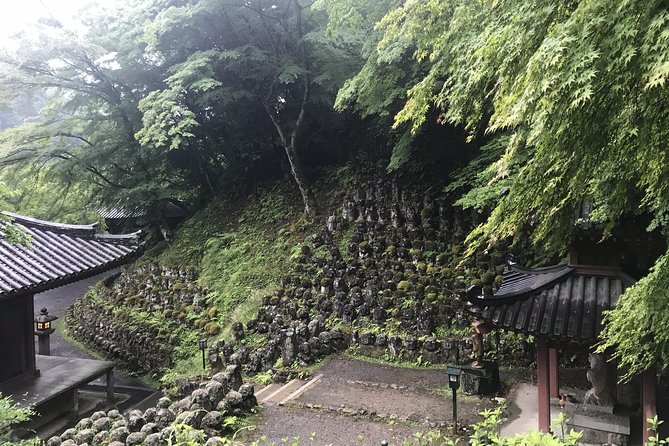
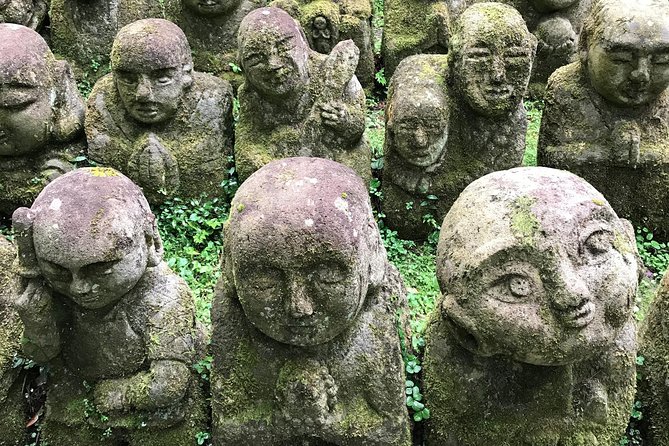
Otagi Nenbutsu-ji Temple is the kind of place that sticks in your memory long after the bamboo photos fade. You walk the grounds through history that reaches back toward the Heian period, and the headliner is 1,200 stone Buddha statues.
This stop is about an hour. That’s important because you need time to process the scale. Seeing a single stone statue is one thing; seeing them spread across the grounds changes the whole mood. Your guide explains what you’re looking at and helps you notice how the stones create patterns—so the experience feels intentional, not random.
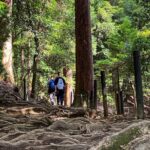
A practical note: this is a walking stop over temple grounds. Wear comfortable shoes. If you’re traveling with a stroller, plan on logistics: strollers are available, but they’re not allowed inside the sites themselves. You’ll be able to store them at reception desks at each location.
Ayuchaya Hiranoya: a tea break that feels like Kyoto, not a pit stop
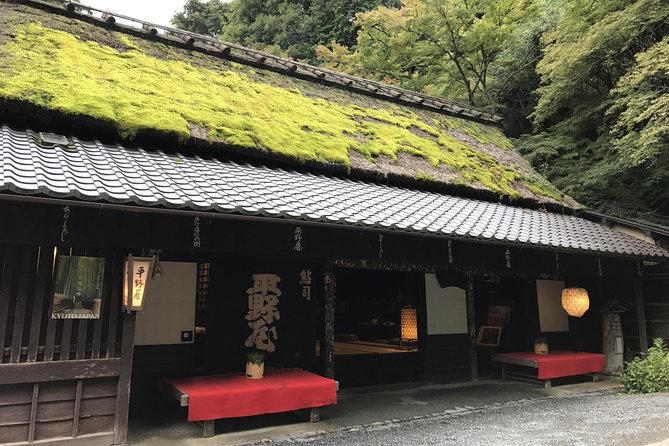
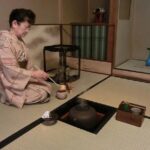
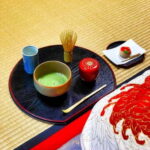
After the Buddha-stone intensity, you shift gears with Ayuchaya Hiranoya, where you enjoy tea and sweets. This café originated in the Edo period, which means you’re not just grabbing a snack—you’re stepping into a different time style.
The tea break is around an hour. I like that it’s not rushed. You get a genuine reset before the day’s next religious and garden stops. Also, having a scheduled break prevents the most common Arashiyama mistake: wandering hungry and then eating whatever is easiest in the middle of a crowd.
Admission isn’t included here either, but tea and sweets are part of the stop, so you’re not left guessing about what the cost will feel like day-of. Still, remember lunch is separate.
Adashino Nembetsu-ji: 8,000 memorial stones and a bamboo walk that stays quiet
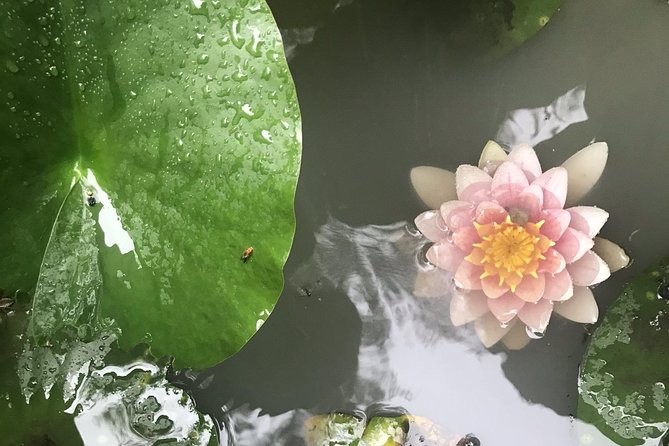
Adashino Nembetsu-ji is one of those stops that balances beauty with heaviness. You’ll see over 8,000 memorial stones gathered from the surrounding mountains and placed together.
This is about an hour and includes a small but picturesque bamboo grove walk. The bamboo here feels different from the famous Sagano area because it’s tied to the site’s mood. It’s less about big postcard spectacle and more about atmosphere—shade, stillness, and the sense that the space has a purpose.
If you tend to like history but don’t want a lecture marathon, this is a strong match. The stones give you something visual to hold onto, and your guide connects them to context so you’re not just counting.
Gio-ji Temple: the nunnery story, plus moss and bamboo
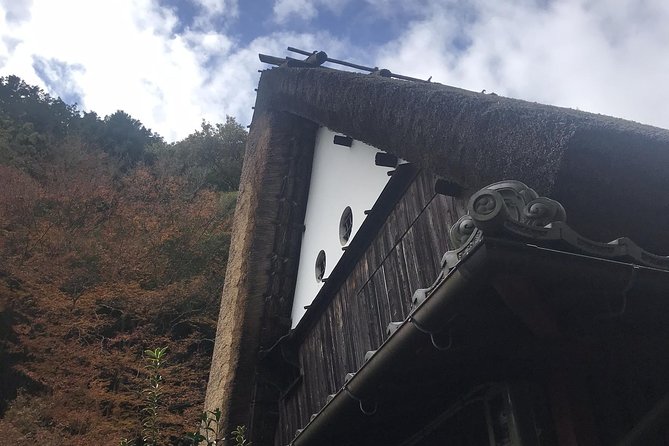
Then comes Gio-ji Temple, a place with a very specific origin story: it was once a nunnery founded by two ex-geisha. You walk through a moss garden surrounded by bamboo, spending about 30 minutes.
This stop is shorter than others, but it’s designed as a palate cleanser. After the larger memorial scale and the tea break, Gio-ji gives you a tight, calming walk where the main focus is the garden surface—moss, paths, and the layered frame of bamboo around the area.
This is also a good place to stop moving so fast. Take a slower pace for a few minutes and let the garden come into view rather than rushing toward the next photo.
Okochi Sanso Garden: one hour of some of the best Arashiyama views
Okochi Sanso Garden is where you get to look out. You spend about an hour at the estate of a well-known silent film actor, and the views from this spot are described as some of the best in all of Arashiyama.
This stop is a nice contrast to the temple-heavy rhythm. Gardens are visual arguments. They show you what the creators wanted people to see, and Okochi Sanso gives you that payout.
Again, admissions are extra, and this is still a walk-based experience. But if you like your day to include at least one “slow wow” moment, this is that moment.
The Bamboo Forest Trail: Sagano, but with a guided rhythm
Finally, you reach the Bamboo Forest Trail through the Sagano Bamboo Grove area for about 30 minutes. This is the stop most people come to Arashiyama for, so the real value of a guided day isn’t whether you get to see bamboo. It’s how you see it.
With a guide managing the flow, you’re more likely to get the rhythm right: moving at the right pace, knowing when to pause for views, and avoiding the common solo traveler move of spending too long in the densest parts without really looking.
If you’re sensitive to crowds, the earlier start helps. And having a plan reduces the time you spend hovering while deciding where to stand.
The pottery studio stop: why a hands-on moment makes the day feel real
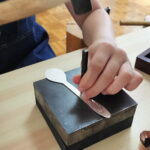
One of the stated highlights is a visit to a pottery studio. That matters more than it sounds. Temples and gardens can be big on looking, but a pottery stop adds a human, practical element—something tactile that makes the day feel less like sightseeing and more like understanding local craft.
The itinerary doesn’t pin down which time slot this happens in, but you should expect the tour to include a studio visit as part of the overall route. If you like creative activities or you want a souvenir that feels connected to the place, this portion is one of the best reasons to choose this format over a self-guided day.
Gio-ji and Okochi Sanso work as your garden lesson
A lot of Arashiyama sightseeing days separate temples from views. This one threads garden logic through multiple stops. You get moss garden atmosphere at Gio-ji, then you get sweeping estate views at Okochi Sanso.
In the reviews, the guide is praised for turning garden sightseeing into stories about what’s there and how it was created. That kind of interpretive guidance is the difference between seeing a garden and understanding it. Even if you’re not a “plant person,” the way you look will shift when someone points out the reasons behind the design.
And if you’re the type who likes meaning, this day gives it. You’re not just walking; you’re learning how Kyoto builds emotion into space.
Price and value: $690 for up to 4, plus a realistic admissions budget
Let’s talk money without hand-waving.
The price is $690 per group (up to 4). That’s a group price, not per person. If you’re traveling with family or friends, this can feel like better value than per-person tours, especially because the day is packed with multiple paid-entry sites and a guided route that keeps you from wasting time.
But you do need to budget for admissions. The tour note says each guest must bring an additional 5,000 yen (cash) for admission tickets. Lunch is also not included, and the lunch cost should not exceed 1,500 yen per guest. That means the true day cost is tour price plus about the admissions and your food budget.
So the value equation becomes: you’re paying for (1) someone guiding you between widely spaced places, (2) context that turns each stop into more than a checklist, and (3) a calmer pace through famous zones like Sagano.
If you’re going solo, the group price might feel steep. If you’re two to four people, it often lands more reasonably because you’re sharing the cost of a full guided day.
What the walking day feels like (and how to prepare)
This is a day of repeated steps: bridge, multiple temple grounds, garden estates, bamboo trails. You should have moderate physical fitness. The tour includes stroller availability, but strollers can’t go inside the sites themselves—storage is handled at each reception desk.
My advice is simple:
- Wear shoes you can walk a lot in. Sandals are risky.
- Plan for breaks, but trust the route: the day is designed with tea as a reset.
- Bring the 5,000 yen cash you’ll need for admissions so you’re not stuck at a payment counter mid-morning.
If you’re traveling in peak season, the bamboo and major temple zones can get busy. A guided plan helps you keep your cool and your feet moving at a sensible pace.
Who this Arashiyama descent is perfect for
This tour is a great match if you:
- Want temples plus bamboo without doing research all night
- Like history that you can see, not just read
- Prefer a guided day that feels organized, not stressful
- Travel with a small group (up to 4) and can share the group price
It’s also a good fit if you’re the kind of traveler who loves gardens, moss, quiet courtyards, and meaning behind design. The reviews especially highlight the way the guide tells stories that bring gardens to life.
Should you book this private Arashiyama tour?
I’d book it if you want a smooth, well-paced Kyoto day with enough structure to reduce stress—but still flexible enough to enjoy the atmosphere of each site. The combination is strong: famous Arashiyama visuals (Togetsukyo Bridge and bamboo) plus memorable off-main-flow stops like Otagi Nenbutsu-ji and Adashino Nembetsu-ji.
Skip it or consider another option if:
- You want a fully free-and-flexible day with no set route
- You don’t want to handle extra cash for admissions
- Your priority is only the bamboo photo and nothing else
If you’re in Kyoto for a short window and want one day that covers a lot of what Arashiyama is really about, this descent-style guided tour is a smart use of time.
FAQ
What is the duration of the Kyoto: Descending Arashiyama tour?
It runs about 7 hours 30 minutes (approx.).
How many people are in the group?
It’s described as a small-group tour with a maximum of 7 travelers, and it’s private for your group (up to 4).
Where does the tour meet?
You start at Randen Arashiyama Station Center, 20-2 Tsukurimichi-cho, 嵯峨天龍寺芒ノ馬場町 右京区 京都市 京都府 616-8384, Japan.
What time does the tour start?
The start time is 9:30 am.
Is the ticket mobile?
Yes, it uses a mobile ticket.
Are admission tickets included?
No. Each guest must bring an additional 5,000 yen in cash for admission tickets.
Is lunch included?
Lunch is not included. The lunch cost should not exceed 1,500 yen per guest.
What stops and sights are included?
You’ll visit sites such as Togetsukyo Bridge, Tenryu-ji Temple, Otagi Nenbutsu-ji Temple, Ayuchaya Hiranoya, Adashino Nembetsu-ji Temple, Gio-ji Temple, Okochi Sanso Garden, and the Bamboo Forest Trail (Sagano Bamboo Grove).
How physically demanding is the tour?
It’s marked as requiring moderate physical fitness.
What happens if the weather is bad?
The experience requires good weather. If it’s canceled due to poor weather, you’ll be offered a different date or a full refund.
Is cancellation free if plans change?
Yes. Free cancellation is allowed up to 24 hours in advance for a full refund.