REVIEW · KYOTO
Kyoto night walk tour (Gion district)
Book on Viator →Operated by Hero Tour Japan · Bookable on Viator
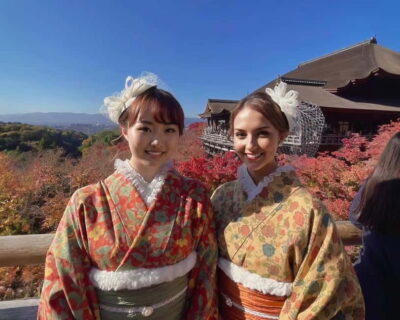
Gion changes after dark. This 90-minute Kyoto night walk tour keeps things simple: you meet near Minamiza Kabuki, stroll key corners of Gion, and get local context while the streets glow. You’ll hit Yasaka Shrine, the Yasakanoto pagoda, a quiet stone-wall stretch where you’re asked to keep it down, and a seasonal look at Kiyomizu-dera’s nighttime lighting.
I especially like two things. First, the vibe stays calm and respectful, including the quiet rule in the stone-wall area. Second, the guide doubles as a photo helper, so you’re not just walking—you’re getting pictures at the right spots without awkward posing or guessing where the best angle is.
One consideration: this is still a walking tour, so plan on time on your feet for the full 1 hour 30 minutes. Also, the Kiyomizu-dera night look depends on the season, so the lighting you hope for may not match what you’ve seen in photos.
In This Review
- Key highlights worth your attention
- Why this Gion night walk feels calmer than daytime
- Meeting at Minamiza Kabuki: how the start keeps things easy
- Stop 1: Yasaka Shrine after dark (and what you’ll notice)
- The quiet stone-wall district: when etiquette is part of the sights
- Stop 2: Yasakanoto pagoda and photo-friendly night angles
- Stop 3: Kiyomizu-dera at night, with lighting that depends on season
- How much walking is too much? pace, shoes, and group size
- Price and value: why $35 can make sense here
- Photography, food tips, and the small extras that matter
- Best timing and weather: when to plan your night route
- Should you book this Kyoto night walk in Gion?
- FAQ
- How long is the Kyoto night walk tour in Gion?
- Where is the meeting point?
- Is the tour private?
- How much does it cost?
- What are the main stops on the route?
- Are temple admissions included?
- Do I need a physical ticket?
- When will I get confirmation after booking?
- Is this tour suitable for someone who uses public transportation?
- Are service animals allowed?
Key highlights worth your attention
- Private group feel: only your group joins, so the pace and questions stay yours.
- Easy start by Minamiza Kabuki: a clear meeting point in Higashiyama.
- Free entrance at the first two stops: Yasaka Shrine and Yasakanoto are listed as ticket-free.
- Stone-wall district etiquette: you’ll be asked to keep silent in part of the route.
- Photo-friendly moments: the guide takes photos and helps with great night compositions.
- Seasonal Kiyomizu-dera lighting: the “night scene” is not guaranteed year-round.
Why this Gion night walk feels calmer than daytime
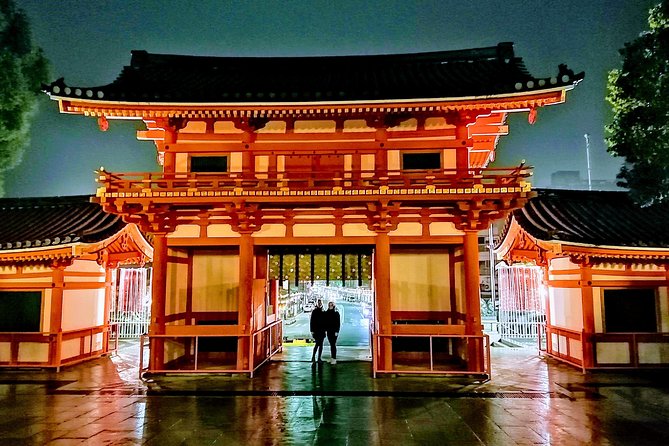
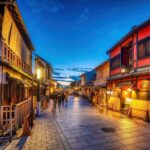
Daytime Gion can feel like a photo shoot that never ends. At night, the streets loosen up. You still see the historic lanes, but you also get the quiet rhythm that makes Gion feel less like a checklist and more like a living neighborhood.
A big part of that is how the tour handles behavior. You’ll walk a section where you’re expected to keep silent, not just because it sounds polite, but because it’s part of how the area functions. That small rule helps the whole experience feel more authentic.
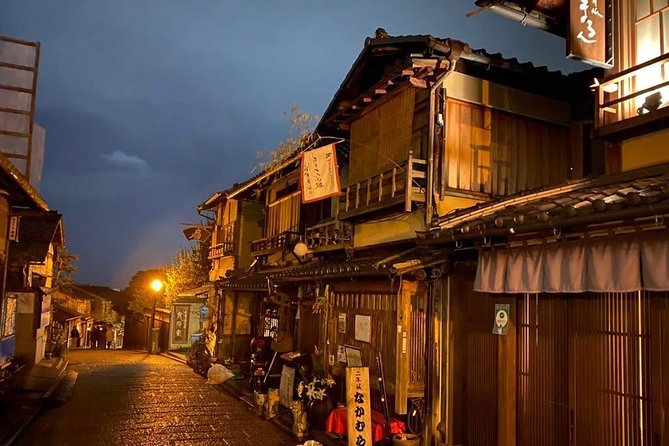
And yes, the lighting is the star. Night reflections in narrow streets make the traditional architecture look almost staged, even when it isn’t. It’s one of those rare times where “views” actually feel different, not just darker.
You can also read our reviews of more walking tours in Kyoto


Meeting at Minamiza Kabuki: how the start keeps things easy
You’ll meet in front of Minamiza Kabuki theatre (the meeting address listed is 194 Kawabatachō, Higashiyama Ward, Kyoto). That’s a practical choice: it’s a recognizable landmark area, and it makes arrival simpler if you’re using public transportation.
The tour ends back at the same meeting point, so you don’t have to plot your way across town afterward. For a night activity, that matters. Kyoto’s streets are charming, but they’re still streets—so having a “you’re done right where you started” finish is a comfort.
You’ll also receive a mobile ticket. If you’re trying to keep your phone organized, this is a nice low-friction setup.
Stop 1: Yasaka Shrine after dark (and what you’ll notice)
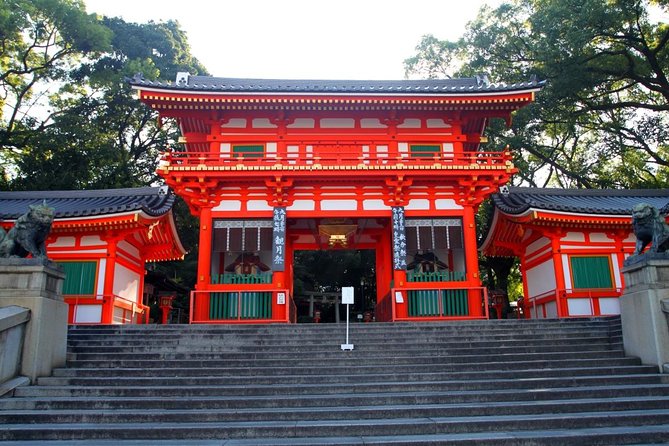
The first stop is Yasaka Shrine, with about 15 minutes on site. The entrance is listed as free, which means you can spend your time looking instead of budgeting another ticket.
Yasaka Shrine is one of those places where the details matter more at night. You can focus on the atmosphere: the flow of visitors, the way light hits the structures, and the shrine’s role in the Higashiyama world. The guide shares local context so you’re not just seeing a famous stop—you’re understanding why it’s treated with care.
One practical note: the shrine stop is relatively short. That’s good if you don’t want to burn your whole hour and a half sitting, but it also means you’ll want to arrive ready to move and absorb quickly.
The quiet stone-wall district: when etiquette is part of the sights
Between the main shrine sights, you’ll pass through a stone-wall district where the guide won’t explain much because the group needs to keep silent. That’s unusual in a good way.
Here’s why it works. Night walking tours can turn into constant chatter—photos, questions, commentary—until the area stops feeling like itself. This stop is basically the opposite. You get a brief “no talking” stretch that lets the space feel more lived-in.
So treat this as a cultural moment, not just a route segment. If you’re the kind of traveler who always wants to ask questions, save them for the next open segment. In this lane, quiet is the point.
Stop 2: Yasakanoto pagoda and photo-friendly night angles
Next up is Yasakanoto, where you’ll get about 20 minutes. Entrance is listed as free again, so it stays easy on the wallet for the two biggest planned stops.
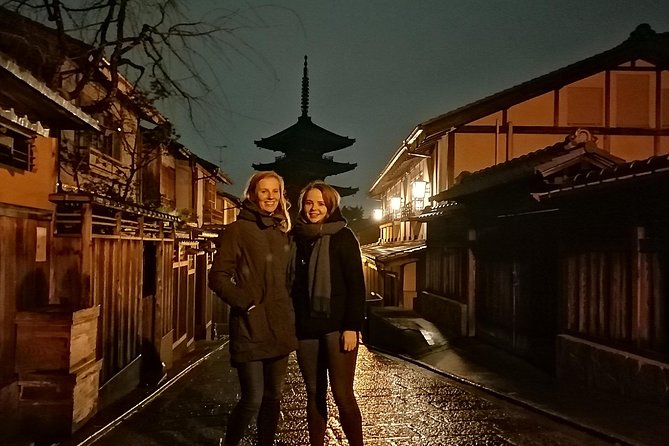
The guide will explain the history of the pagoda, then help with cool picture spots in front of it. This is where the “photo helper” part of the tour becomes real value. In places like this, it’s easy to take a decent picture and then wonder why it doesn’t look like the postcard. A good night angle is often about position, not camera settings, and you don’t always know that until someone guides you.
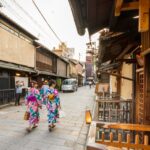
You’ll also walk through a famous slope in the Yasaka area. Slopes look dramatic in daylight, but they’re even better at night because of light falloff and reflections. If you want that classic Kyoto feeling—the street shrinking away into the dark—this is the section that usually delivers.
One tip from the spirit of the tour: don’t wait for the “perfect” moment. Night light changes fast, and the guide is there to time the stop so you’re not rushing or lagging behind.
You can also read our reviews of more evening experiences in Kyoto

Stop 3: Kiyomizu-dera at night, with lighting that depends on season
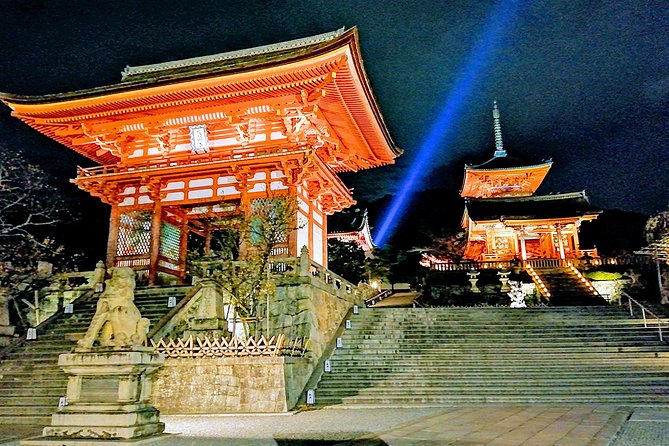
The final listed stop is Kiyomizu-dera Temple for about 10 minutes. Admission is listed as not included, so if there’s a paid entry fee when you go, that’s on you.
This stop has one of the tour’s most important variables: you can see light up depending on the season. That means your experience might range from “soft and atmospheric” to “more clearly lit and dramatic,” depending on what’s happening during your visit.
Ten minutes is short, so the goal isn’t a full temple visit. It’s a night glimpse—an atmosphere check—so you can decide whether you want to come back later in your trip for a longer look.
If you’re planning your Kyoto itinerary around that lighting effect, don’t treat it as guaranteed. The tour is still worth it even if the night lighting is subtle, because you’ll have spent most of your time in the Gion streets where the night vibe is consistent.
How much walking is too much? pace, shoes, and group size
This is a night walking tour, so your legs matter. Even though the time is only 1 hour 30 minutes, it’s the kind of walking where you’re stopping, repositioning, and taking photos. It adds up.
Comfortable shoes are a must. One of the most common practical takeaways from similar Kyoto night walks is that the charm comes with footwork, not a seat. Plan for that, especially if you’re traveling with kids or anyone who doesn’t love uneven sidewalks.
The tour is private, meaning only your group participates. Private doesn’t automatically mean “slow,” but it does help the guide adjust. In at least one group experience, the tour stayed small enough to feel easy to manage, even with kids.
Price and value: why $35 can make sense here
At $35 per person for about 90 minutes, this tour sits in the “reasonable for a guide + night access” zone. You’re paying for three things that are hard to DIY at night:
1) Direction through the right streets
Kyoto’s best scenes are often not the ones that instantly jump out from the main road.
2) Context fast
You get history and local insight without having to stop for long research. The guide won’t overwhelm you, and you’ll still learn enough to make the sites feel meaningful.
3) Photo assistance
Night photos in Gion can be frustrating if you’re alone or if your party wants family shots. The guide helps with picture moments along the route. That’s not just convenience; it’s part of the experience.
Also, two big stops are listed as free (Yasaka Shrine and Yasakanoto), which helps the tour feel like a clean package rather than a “cheap ticket, then pay for everything” situation.
Photography, food tips, and the small extras that matter
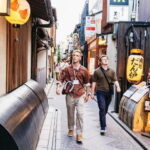
The tour style is practical and social. One standout theme from real experiences: the guide is also a photographer and helps families and solo travelers get great night photos without feeling rushed. If you care about capturing the trip but don’t want to spend the entire evening behind your phone, this is a strong fit.
You may also get helpful food guidance at the end. Several accounts mention restaurant recommendations like ramen, and at least one person noted extra help finding the right place after the tour. That kind of local nudge is valuable because Kyoto has plenty of restaurants—but not all of them are equally great after a full day of sightseeing.
There’s also a “small surprise” feel. For example, one experience noted spotting a Starbucks location that would have been hard to find on your own. That’s not the point of being in Gion, but it shows how the guide thinks: where you’ll actually want to stop, where you’ll get oriented, and how to keep the walk flowing.
Best timing and weather: when to plan your night route
The experience is described as requiring good weather. If rain hits, expect the tour to change plans. Kyoto nights can turn chilly and slippery quickly, so use weather as a deciding factor, not just an afterthought.
If you’re choosing a night based on mood, think about what you want most. If you want that postcard-light reflection on streets, any clear evening can work. If you’re specifically chasing a night lighting look at Kiyomizu-dera, remember it depends on season, and short stops mean the result is about what’s happening during your dates.
One smart strategy is to keep your expectations flexible and treat Kiyomizu-dera lighting as a bonus, not the sole reason you booked.
Should you book this Kyoto night walk in Gion?
You should book if you want a low-stress way to see Gion at night without getting lost in side streets. The private format keeps the pace comfortable, and the route focuses on recognizable anchor points (Yasaka Shrine, Yasakanoto, a Kiyomizu-dera night glimpse) plus atmospheric lanes that work best after dark.
Skip it or adjust expectations if:
- You hate walking and want minimal time on your feet.
- You’re coming only for a specific seasonal lighting moment at Kiyomizu-dera. Since lighting is seasonal, the payoff may vary.
For most people, the best use of this tour is as an early evening “get your bearings” experience. It sets the tone for Kyoto, teaches you what matters in Gion, and gives you photos that look like you actually knew what you were doing.
If you’re willing to walk, keep a respectful volume in the quiet stretch, and let the guide handle the timing, this $35 night walk is a smart, authentic way to enjoy Kyoto after the crowds thin out.
FAQ
How long is the Kyoto night walk tour in Gion?
It’s about 1 hour 30 minutes.
Where is the meeting point?
You meet in front of Minamiza Kabuki theatre at 194 Kawabatachō, Higashiyama Ward, Kyoto, 605-0075, Japan.
Is the tour private?
Yes. Only your group will participate.
How much does it cost?
The price is $35.00 per person.
What are the main stops on the route?
The tour includes Yasaka Shrine, a quiet stone-wall district, Yasakanoto pagoda, and Kiyomizu-dera Temple.
Are temple admissions included?
Yasaka Shrine and Yasakanoto are listed as free. Kiyomizu-dera Temple admission is not included.
Do I need a physical ticket?
No. You’ll receive a mobile ticket.
When will I get confirmation after booking?
Confirmation is received within 48 hours of booking, subject to availability.
Is this tour suitable for someone who uses public transportation?
Yes. The meeting area is near public transportation.
Are service animals allowed?
Service animals are allowed.