REVIEW · KYOTO
Early Bird E-biking through East Kyoto
Book on Viator →Operated by Cycle Kyoto · Bookable on Viator
Kyoto looks different when you move through it early. I love the early start that helps you beat peak crowds and the way a small group of up to eight keeps the ride calm and manageable. One thing to consider: you still do some walking and a few riding stretches that can feel hilly, so bring a moderate fitness level.
What makes this feel like more than a checklist is the built-in rhythm. You’ll get a guide to steer you between landmarks like Fushimi Inari, Ginkakuji, Nanzenji, and the philosopher’s path, and you’ll also have lunch included so you’re not searching when the day is already moving fast.
In This Review
- Key highlights worth choosing this tour for
- Why this early 8:00 am ride changes everything in East Kyoto
- What you actually get: e-bike, helmet, lunch, and a guide
- Getting started at Cycle Kyoto7: where you meet and how the day feels
- Stop 1: Fushimi Inari-taisha—river ride first, then the famous stair world
- Stop 2: Tofuku-ji—Zen temple vibe with a quick bridge moment
- Stop 3: Kamogawa River—ride time that actually breaks up the temples
- Stop 4: Ginkakuji—grounds first, then lunch built into the flow
- Stop 5: The Philosopher’s Path—ride along the corridor of thoughts
- Stop 6: Nanzen-ji—walk the temple grounds like you mean it
- Stop 7: Heian Shrine—courtyard stroll with classic shrine energy
- Stop 8: Gion backstreets—slow ride through the entertainment district
- Stop 9: Higashi Hongan-ji—wooden halls, then a cafe pause
- Price and value: is $138.74 a fair deal for 6 to 7 hours?
- The realistic pace: moderate fitness, some walking, and shared-road moments
- Who should book this East Kyoto e-bike tour?
- Should you book Early Bird E-biking through East Kyoto?
- FAQ
- How long is the e-bike tour through East Kyoto?
- What time does the tour start?
- How many people are in the group?
- What’s included with the tour price?
- Do you need to pay for admission at the stops?
- Where do you meet and where does the tour end?
- What fitness level do you need?
- Are dietary needs accommodated?
- Is there a minimum age or height?
- What happens if weather is poor or the minimum group size isn’t met?
Key highlights worth choosing this tour for
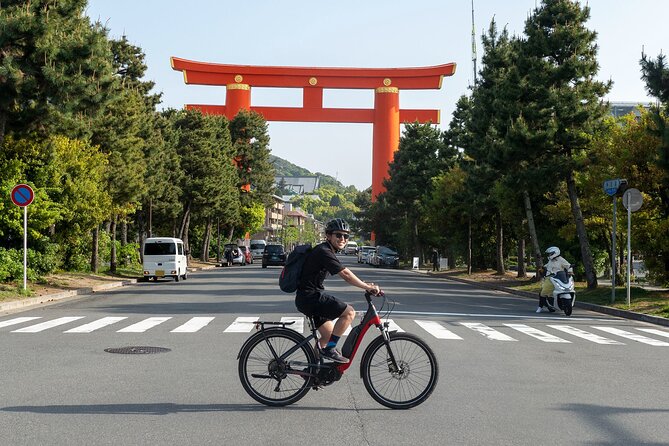
- Up to eight people means you’re not stuck at the back of a giant herd
- E-bike + helmet provided, so you can travel light and start right away
- Lunch included during the day, timed into the temple flow
- Early 8:00 am departure for calmer streets and better photo moments
- A mix of riding and walking so you get both views and temple atmosphere
- Backstreet Kyoto time, including a Gion pass through quieter lanes
Why this early 8:00 am ride changes everything in East Kyoto
East Kyoto is gorgeous, but it’s also popular. Starting at 8:00 am gives you a real advantage: you’re at famous spots while many other visitors are still waking up, and the bike lets you cover ground without losing the day to transit.
You also get a smarter shape to the day. Instead of bouncing between distant areas on your own, the route strings together neighborhoods that flow into each other: the Fushimi area, river scenery, then temples and garden paths, finishing down near Gion and Higashi Hongan-ji. It’s a practical way to see a lot without feeling rushed every five minutes.
You can also read our reviews of more cycling tours in Kyoto
What you actually get: e-bike, helmet, lunch, and a guide
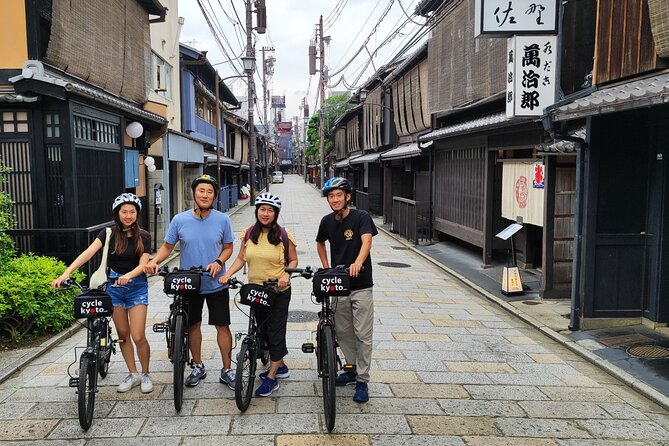
This tour is built to remove friction. You don’t need to hunt down an e-bike rental, pick a helmet size, or try to figure out parking and route planning. You show up, get the bike set for you, and go.
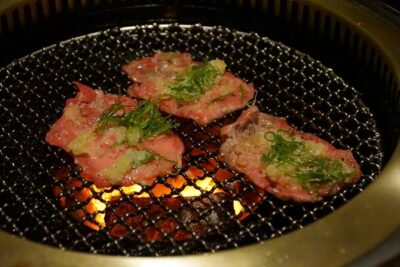
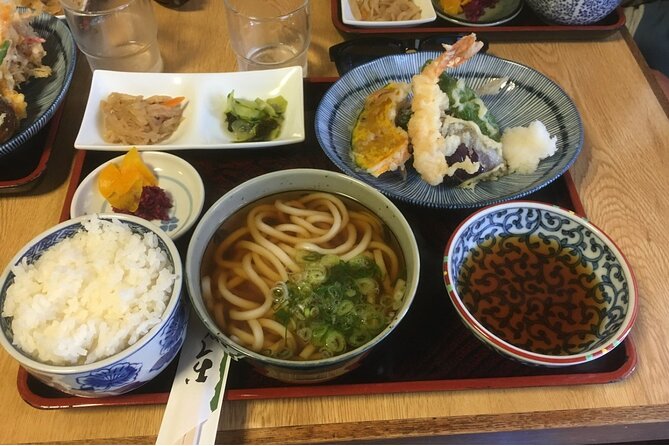
The other big value piece is food. Lunch is included and fits into the schedule around Ginkakuji, in a restaurant nearby. On top of that, the day also includes a short cafe stop later (time built in near Higashi Hongan-ji). If you’ve ever done Kyoto solo, you know how quickly meal planning turns into standing in line or taking what’s convenient. Here, you get timing handled for you.
Finally, you’re riding with a guide. Different guides have different personalities, but you’ll get the same core benefit: someone pointing out what matters, keeping the group moving at a reasonable pace, and helping you navigate busy stretches. Past groups have mentioned guides like Indra, Paul, Jay, Julian, Juan, Jaime, Carl, Sean, and Mayco for clear explanations and good energy.
Getting started at Cycle Kyoto7: where you meet and how the day feels
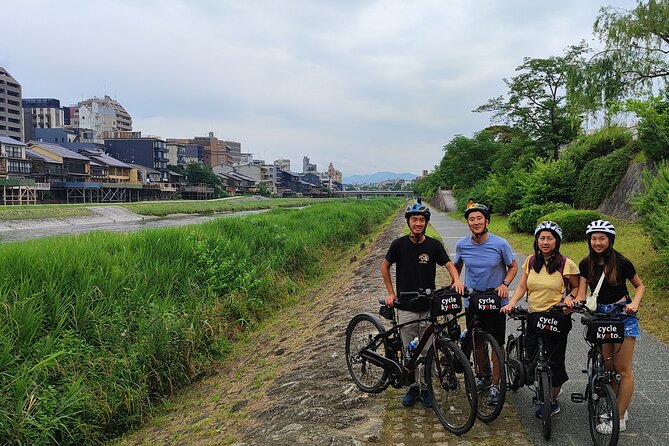
You’ll meet at Cycle Kyoto7 in Higashikujō Nishisannōchō, Minami Ward (Kyoto 601-8003). The tour begins at 8:00 am and ends back at the same meeting point, which keeps logistics simple.
The ride is designed for people with moderate fitness. You’re not training for a cycling race, but you should expect some effort. Even with e-bike help, there are moments where you’ll feel uphills and you’ll need balance, especially on shared paths or when the road gets busy. One shorter rider in a past group noted that using a smaller bike actually felt stable and secure, which is a good reminder: if you’re between sizes, say so when you meet the staff.
Also plan for mixed motion. Some stops are bike time, some are walk time, and one big chunk is a temple/gravel-path day where you’ll leave the bike and explore on foot.
Stop 1: Fushimi Inari-taisha—river ride first, then the famous stair world
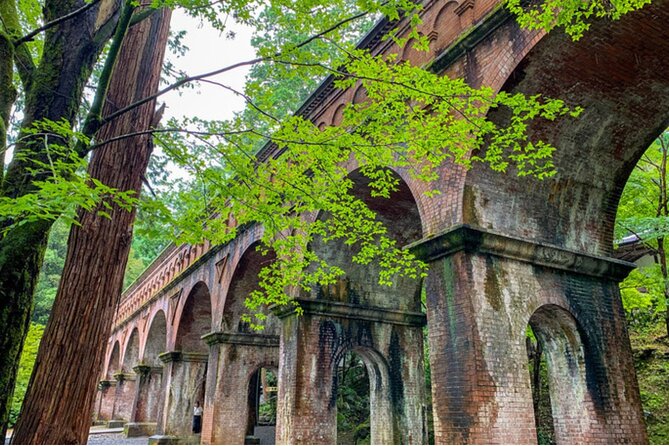
The day starts with a 25-minute ride along the river toward Fushimi Inari-taisha, followed by about 30 minutes exploring on foot. Fushimi Inari is free to enter, but the experience isn’t casual. You’ll be walking where the iconic torii gates pull you deeper and deeper.
Why this works early: arriving before the busiest crush helps the walk feel more like discovery than congestion. You’ll still see the scale of the place, but you’ll have a better chance to stop, look up, and take photos without constant jostling.
One practical note: even if you’re on an e-bike, this section is very much a walking stop. Wear shoes you trust on steps and uneven ground, and don’t count on the bike for the uphill maze once you’re there.
Stop 2: Tofuku-ji—Zen temple vibe with a quick bridge moment
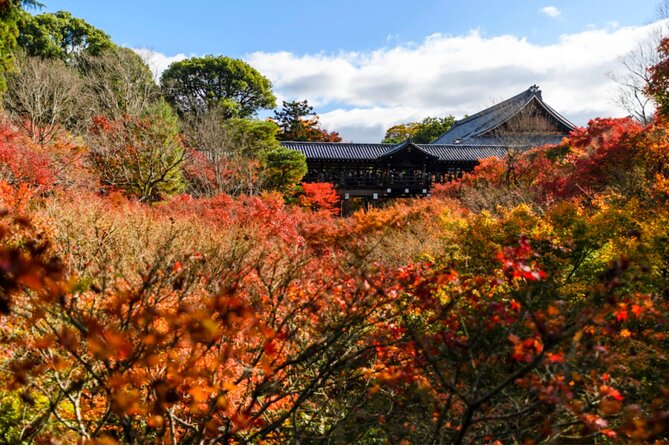
From Fushimi Inari, it’s about 15 minutes to reach Tofuku-ji, with a brief scenic stop on a picturesque bridge. Then you get roughly 30 minutes at the temple.
This stop is valuable because it balances the day. After the torii-gate spectacle, Tofuku-ji brings a different tone—Zen Buddhist atmosphere, a calmer feel, and spaces that reward slower looking. Admission here is also free, so you’re spending time with the site rather than worrying about ticket logistics.
The schedule is tight enough that you won’t feel lost, but you still get real time to walk the grounds and reset your eyes after the more visually crowded morning.
You can also read our reviews of more tours and experiences in Kyoto
Stop 3: Kamogawa River—ride time that actually breaks up the temples
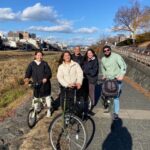
Next comes an extended ride along the Kamogawa River for about 30 minutes. This is one of those Kyoto moments you don’t want to skip, because it changes your pace from stop-and-go temple walking into flowing scenery.
On a bike, the river ride becomes more than a commute. You get open sight lines, a sense of how neighborhoods line up along the water, and a more relaxed rhythm before the day turns back into big landmark sightseeing.
If you tend to get temple-fatigued, this is the stop that helps you keep enjoying the next ones.
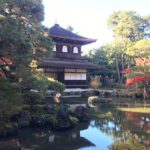
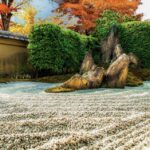
Stop 4: Ginkakuji—grounds first, then lunch built into the flow
You’ll spend about 45 minutes at Ginkakuji, the stop that includes a lunch break in a nearby restaurant. Admission is free.
Ginkakuji is famous for a reason, but the real advantage of this tour timing is the pairing. You’re not rushing from a landmark into a meal scramble. You explore the grounds, then you refuel without losing momentum—or worrying about where to eat while everyone else is also hungry.
In practical terms, this mid-day block tends to be where your energy matters most. A proper lunch keeps you from feeling drained before the later walking stops like Nanzenji and the philosopher’s path.
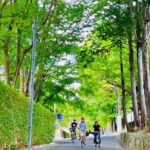
Stop 5: The Philosopher’s Path—ride along the corridor of thoughts
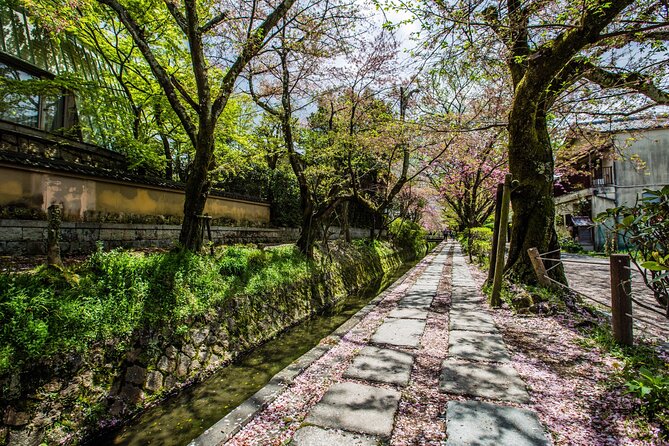
After Ginkakuji, you’ll cycle along the Philosopher’s Path (Tetsugaku no Michi) for about 45 minutes. Admission here is free.
This is one of the most photogenic stretches in the city, and it’s also one of the places where crowds can ramp up. The upside of starting early is that even if the path gets busy, you may experience it with more breathing room than you would later in the day.
Also, remember what this stop is. It’s not a single temple gate you pass through. It’s a long corridor of atmosphere. You’ll want to slow your eye movement down—look at the walkway rhythm, greenery and seasonal details when present, and the faces of the buildings lining the way.
Stop 6: Nanzen-ji—walk the temple grounds like you mean it
Next is Nanzen-ji, and this is a walking stop: about 45 minutes exploring the grounds. Admission is free.
This is a good pairing after the philosopher’s path because it brings you back into Kyoto’s temple structure, not just scenery. Expect a more immersive feel on the ground—pathways, temple spaces, and a sense that you’re moving through lived-in history rather than just viewing a highlight.
It’s also a great time to catch your breath. After cycling, the walking works well because it lets you adjust and slow down, not just cover distance.
Stop 7: Heian Shrine—courtyard stroll with classic shrine energy
Heian Shrine takes about 35 minutes, including a stroll through the courtyard. Admission is free.
This stop feels like a breather between bigger walking clusters. The courtyard setting gives you space to watch how visitors move through the shrine, and it helps reset the day’s pace. It’s also a good moment for photos where you’re not fighting for position near a single, tiny focal point.
If you like Kyoto’s visual order—clean lines, open courtyard space, and clear architectural shapes—Heian Shrine delivers.
Stop 8: Gion backstreets—slow ride through the entertainment district
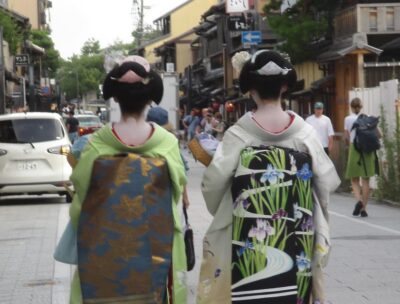
You’ll ride through Gion’s backstreets for about 45 minutes. Admission is free, and the ride can offer possible glimpses of Maiko or Geiko along the way.
Even when you don’t see performers in motion, the backstreet ride is still worth it. It gives you Kyoto at street level: narrower lanes, traditional façades, and the sense of an entertainment district that works on quiet, not spectacle.
Do pay attention while you ride. Backstreets can be busier than they look from a distance, and you’ll be cycling among other pedestrians and local traffic patterns. The e-bike helps, but your job is still safety and awareness.
Stop 9: Higashi Hongan-ji—wooden halls, then a cafe pause
The final stop is Higashi Hongan-ji. You’ll take a stroll for about 15 minutes, and that time includes a stop at the tour’s favorite cafe. Admission is free.
Even in a short slot, the wooden prayer halls are the kind of place where you can feel the scale just by standing still and looking up. It’s a nice closer because it isn’t only about a postcard view. It’s also about atmosphere and space.
Then you get the practical payoff: a cafe stop before the tour finishes back at Cycle Kyoto7.
Price and value: is $138.74 a fair deal for 6 to 7 hours?
At $138.74 per person, this isn’t the cheapest Kyoto activity. The question is whether the cost saves you time and hassle.
Here’s what your money is paying for:
- E-bike and helmet included, so you avoid rental logistics
- A small group that makes it easier to navigate without lagging behind
- Lunch included, which removes one costly and time-consuming planning step
- A guided route that strings together multiple major stops efficiently
If you were to rent an e-bike on your own, then also plan meals, admissions, and transport between these areas, the hidden friction adds up fast. For many first-time Kyoto visitors, the value comes from using a guide to compress planning time and keep the day flowing.
The one caution is fit: if you aren’t comfortable cycling for a few hours or walking multiple temple grounds, you’ll feel the cost more sharply. The bike makes it easier, but it doesn’t remove all physical effort.
The realistic pace: moderate fitness, some walking, and shared-road moments
This tour is marked for moderate physical fitness, minimum age 13, and minimum height 145 cm. In real life, that usually means you can cycle without panic, you can handle short climbs, and you’re okay combining riding with walking.
A few practical tips help:
- Bring comfortable shoes for temple steps and uneven surfaces.
- Expect some time where you need to be alert among crowds and nearby traffic.
- If you’re short or tall, tell the team what you need when the bike is fitted. Past riders found the right bike size made a big difference in stability.
If you’re expecting a purely leisurely, flat ride the whole way, you might feel surprised. But if you want a fun way to move between major East Kyoto highlights, this is a smart format.
Who should book this East Kyoto e-bike tour?
You’ll probably love it if:
- You’re visiting Kyoto for the first time and want a strong first-day orientation
- You want temples plus street-level Kyoto (not only garden photos)
- You like small-group tours where you can ask questions without waiting
- You value a planned route that handles meal timing
You might think twice if:
- You hate any amount of walking on temple grounds
- You’re uncomfortable cycling in busier areas, even with an e-bike’s assist
- You need specific dietary accommodations and haven’t shared them ahead of time (the tour asks you to notify dietary requirements)
Should you book Early Bird E-biking through East Kyoto?
I think this is a strong booking for most people who want an efficient, fun Kyoto day without sacrificing quality. The early start helps you see the temples before the worst crush, and the small group size makes the ride feel under control. Lunch being included is also a real practical win.
My main reason to hesitate is physical comfort. If you’re unsure about cycling confidence or you don’t want any hills or steps at all, you’ll have less fun than you hoped. But if you can handle a moderate active day, you’ll likely end up with a best-of-East-Kyoto experience that’s hard to recreate on your own.
FAQ
How long is the e-bike tour through East Kyoto?
The tour runs about 6 to 7 hours.
What time does the tour start?
It starts at 8:00 am.
How many people are in the group?
The tour is capped at a maximum of 8 travelers.
What’s included with the tour price?
You get an e-bike and helmet, a guided route, and lunch is included.
Do you need to pay for admission at the stops?
Admission is listed as free at multiple stops, and the time at Ginkakuji includes the lunch break; the tour indicates admissions for the listed stops as free or included as part of the provided timing.
Where do you meet and where does the tour end?
You meet at Cycle Kyoto7 in Higashikujō Nishisannōchō, Minami Ward, and the tour ends back at the meeting point.
What fitness level do you need?
The tour is for travelers with a moderate physical fitness level.
Are dietary needs accommodated?
Dietary requirements need to be known ahead of time, so you should share them when booking.
Is there a minimum age or height?
Yes. The minimum age is 13, and the minimum height is 145 cm.
What happens if weather is poor or the minimum group size isn’t met?
The experience requires good weather. If it’s canceled due to poor weather, you’ll be offered a different date or a full refund. If the minimum number of travelers isn’t met, you’ll be offered a different experience/date or a full refund.