REVIEW · KYOTO
Kyoto: Cooking class, learning how to make authentic sushi
Book on GetYourGuide →Operated by 梅守寿司学校 · Bookable on GetYourGuide
Sushi lessons in Kyoto feel like a craft workshop. This one stands out because you learn the real backbone of sushi—sushi rice (shari/sumeshi)—and you do it while wearing a Happi rental outfit and experiencing Japanese spirits as part of the vibe.
What I like most is that this class is designed for beginners: ingredients are already cut, and you still get to shape the sushi yourself and eat 8 pieces at the end. One possible drawback is that the structure is focused and time-limited, so if you’re expecting deep fish-cut training or lots of variety beyond the included pieces, you may want to ask what extra skills are possible.
In This Review
- Key points before you book
- Why shari (vinegar rice) is the skill that matters most
- The Happi outfit and Japanese spirits piece
- From rice to nigiri: what your 90 minutes actually does
- Toppings, dietary options, and what you’re paying for
- Beginner-friendly prep, hands-on control, and how to get the most
- Logistics near Takeda Station: simple, public-transport friendly
- The wrap-up: certificate, photos, and eating your own sushi
- Who should book this sushi class, and who might skip it
- Should you book this sushi class in Kyoto?
- FAQ
- How long is the sushi cooking class?
- What will I learn to make?
- How many pieces of sushi are included?
- Is there a vegetarian, vegan, or Muslim-friendly option?
- Are allergy or special dietary requests available?
- Do I need prior knife skills or experience?
- Is a drink included?
- Will the class run in bad weather?
- Is the building elevator accessible?
- Are pets or indoor smoking allowed?
Key points before you book
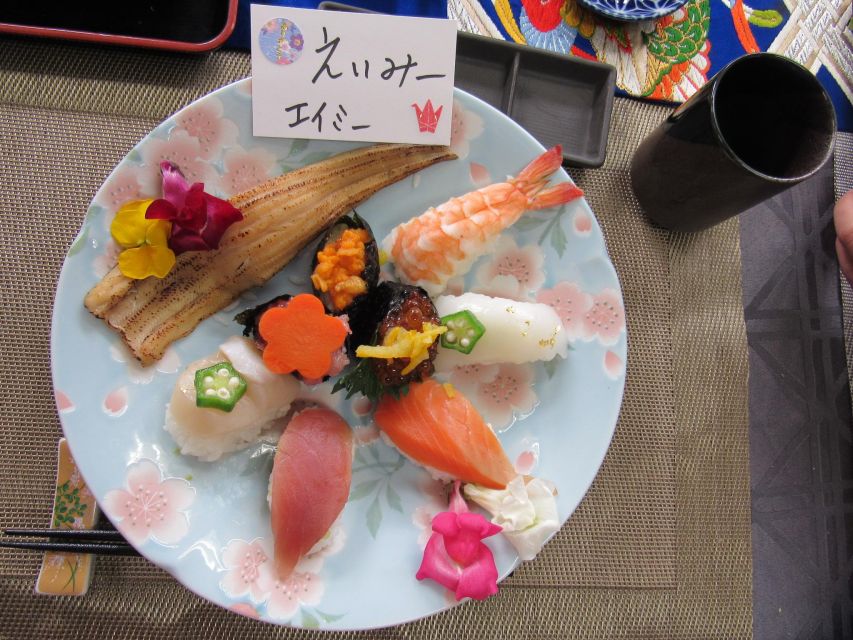
- Shari is the centerpiece: you learn how to mix vinegar into freshly cooked rice the right way
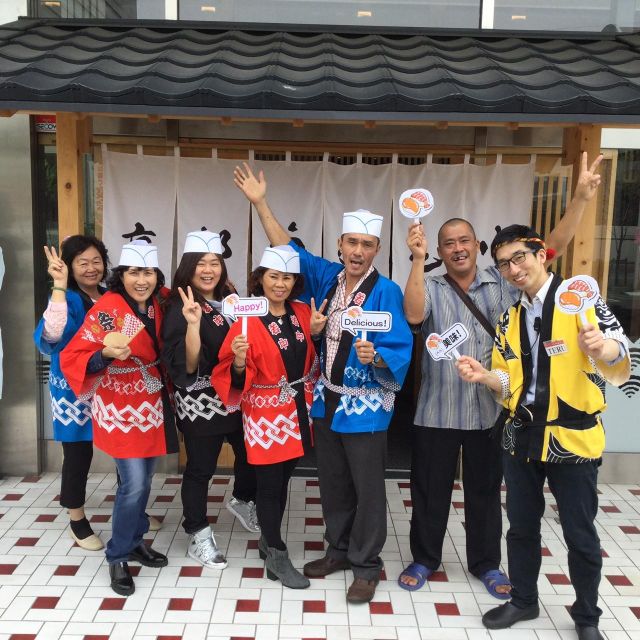
- Happi rental outfit: choose from various cloth options for a fun, traditional look
- Beginner-friendly prep: ingredients are cut ahead, so you can focus on technique
- You eat your own work: the class includes 8 pieces of sushi
- Dietary flexibility: vegetarian, vegan, and Muslim-friendly menu options are offered
- Completion moment: certificate, graduation ceremony, and souvenir photography
Why shari (vinegar rice) is the skill that matters most
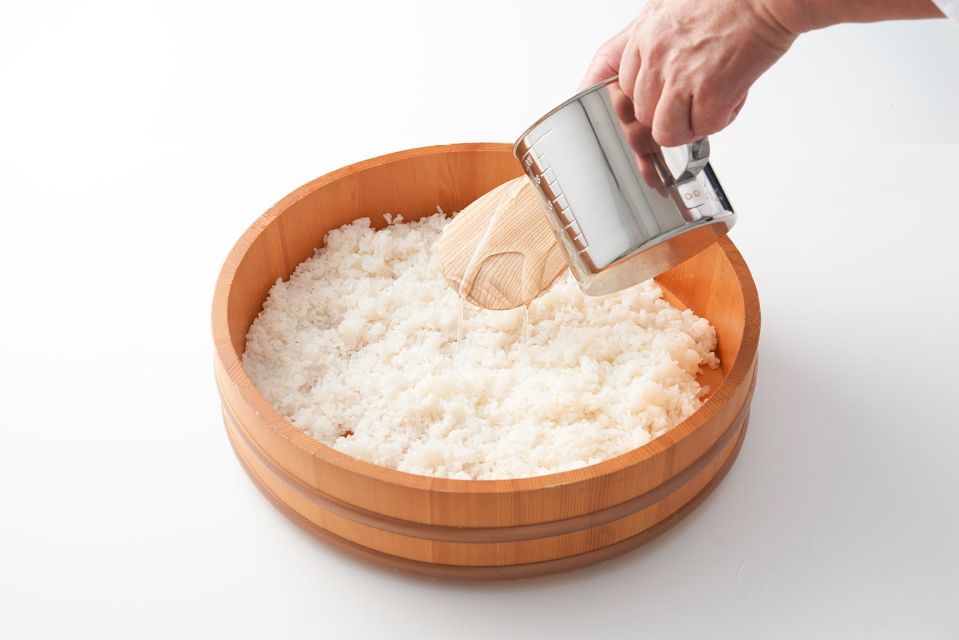
A lot of sushi-making classes skip the part that actually makes sushi taste like sushi: the rice. Here, you start by making shari/sumeshi, which means you cook rice first and then mix in a sushi-specific vinegar blend. The detail that matters is the mixing technique. If you get it wrong, the rice can end up unevenly seasoned or the texture won’t feel right.
This is also where you’ll notice why this feels like more than a casual cooking demo. When you control the rice seasoning, you can taste the difference right away—especially once you add toppings. That’s the point: sushi rice isn’t just a base. It’s the flavor and texture foundation, and it’s what you’ll carry home in your memory, even if you don’t become a sushi chef overnight.
If you’ve ever eaten sushi and wondered why some pieces taste balanced while others taste flat, this is where the answer lives. You’re learning the method that creates that balance: warm rice, vinegar blend, and careful mixing so the grains stay properly separated and ready for shaping.
You can also read our reviews of more cooking classes in Kyoto

The Happi outfit and Japanese spirits piece
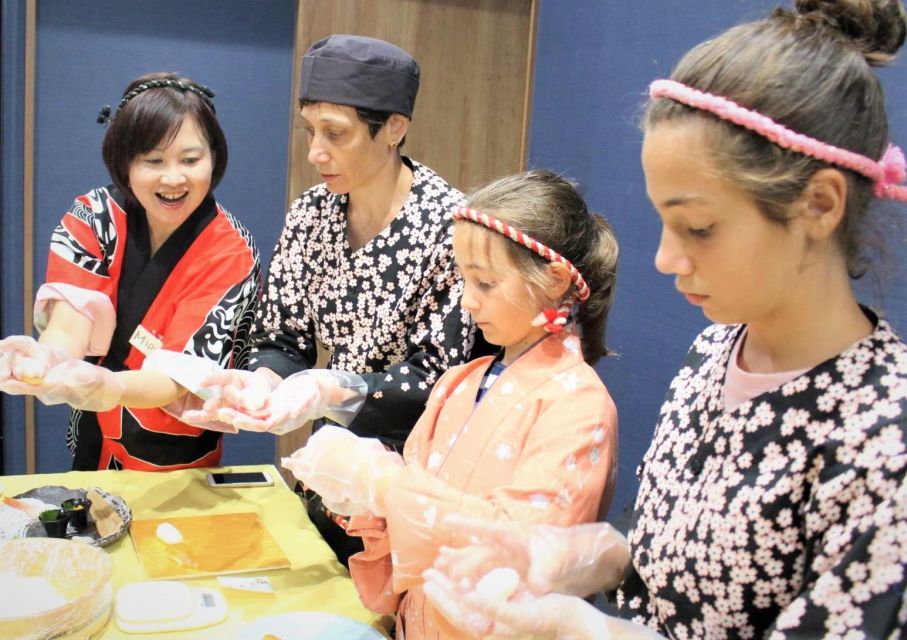
One of the best ways to understand a food culture is to borrow a bit of its everyday style. In this class, you can wear a traditional Japanese Happi rental cloth, and you can choose from various kinds. It’s not just photo bait. The moment you put it on, you’re in a different mode—more focused, more playful, and less like you’re watching someone else work.
You’ll also get an included experience connected to Japanese spirits. The class description doesn’t spell out whether it’s a short cultural lesson, a themed segment, or a tasting-style moment, but either way it’s part of the session, not an afterthought. It adds context around how Japanese hospitality and food traditions can show up in small rituals.
Taken together, the outfit plus the spirits segment make the class feel like a lived-in cultural experience rather than only a recipe workshop. If you like travel experiences that give you a story to tell along with something to eat, this fits.
From rice to nigiri: what your 90 minutes actually does
Your time is 90 minutes, and the structure is built around making sushi with your own hands, not just watching. The good news: the workshop prepares ingredients that are already cut, so beginners can jump in without needing special knife skills. That means your energy goes toward the technique that really changes results—rice seasoning, handling, and forming neat pieces.
Here’s the core flow you can expect:
You’ll begin with the rice lesson: cook the rice, then mix in the sushi vinegar blend. They emphasize there’s a trick to mixing it well, which is exactly the kind of detail beginners need. Next, you move to assembling sushi pieces using chosen toppings.
You’ll make and eat the included sushi—listed as 8 pieces of sushi—and you can pick from topping options such as green onion and ginger. Because toppings can vary by season, the exact menu can shift. That’s normal in Japan, and it’s also part of why seasonal classes feel more authentic than those that always serve the same set.
If you want to learn more advanced technique—especially fish cutting—you can ask. So if you’re the type who likes to go one step further, this gives you a doorway to request extra instruction rather than forcing the whole class to slow down.
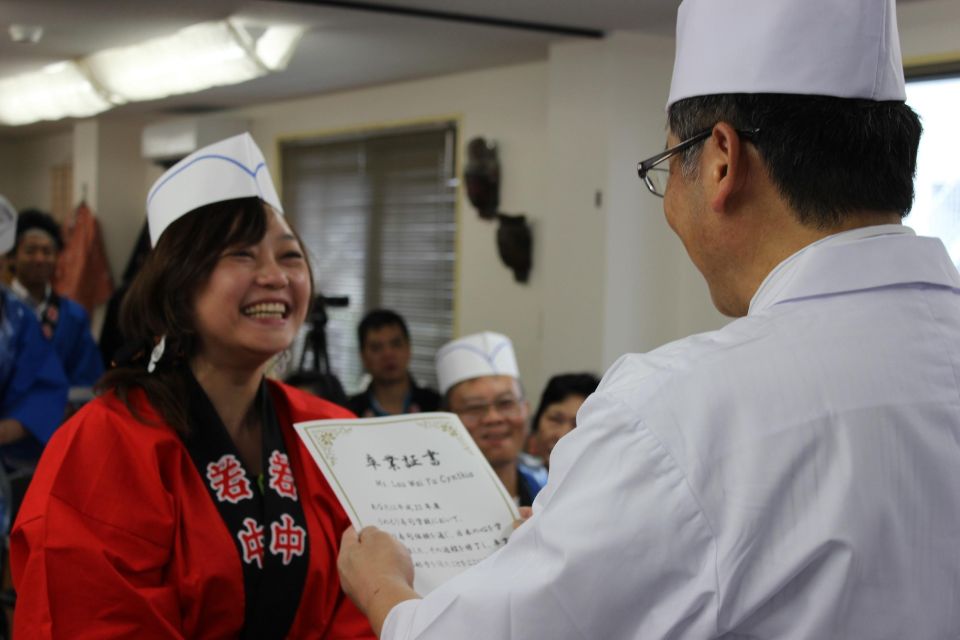
By the end, you’ll take part in a graduation-style finish: a certificate of completion, plus a graduation ceremony and souvenir photography.
Toppings, dietary options, and what you’re paying for
The price is $113 per person, and for a 90-minute class that’s not the cheapest option. What helps it feel worth it is that the class isn’t only a meal; it’s instruction plus materials plus a built-in cultural segment. You’re also eating what you make, which is a big value add compared with some “just watch” classes.
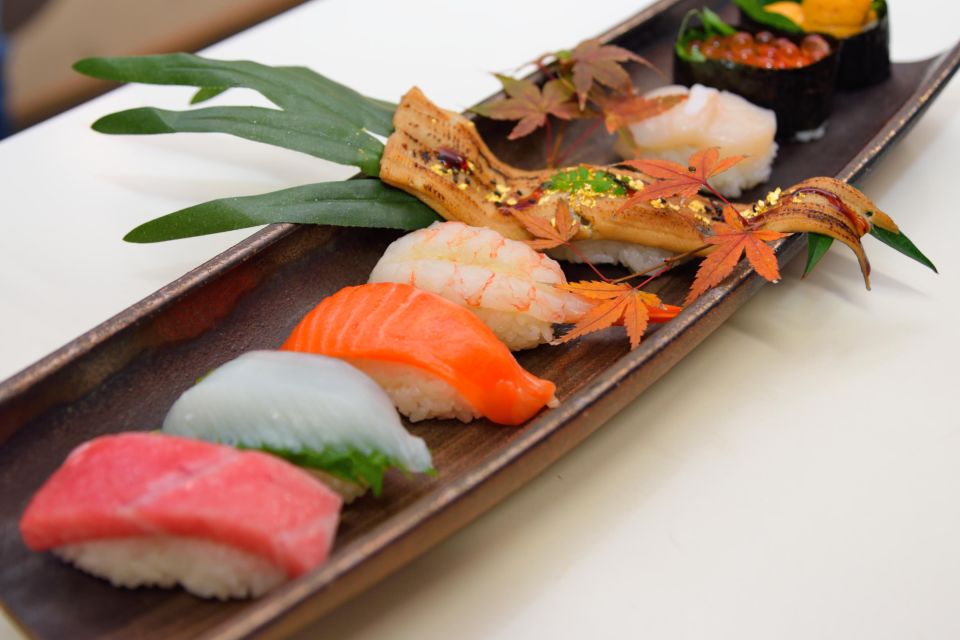
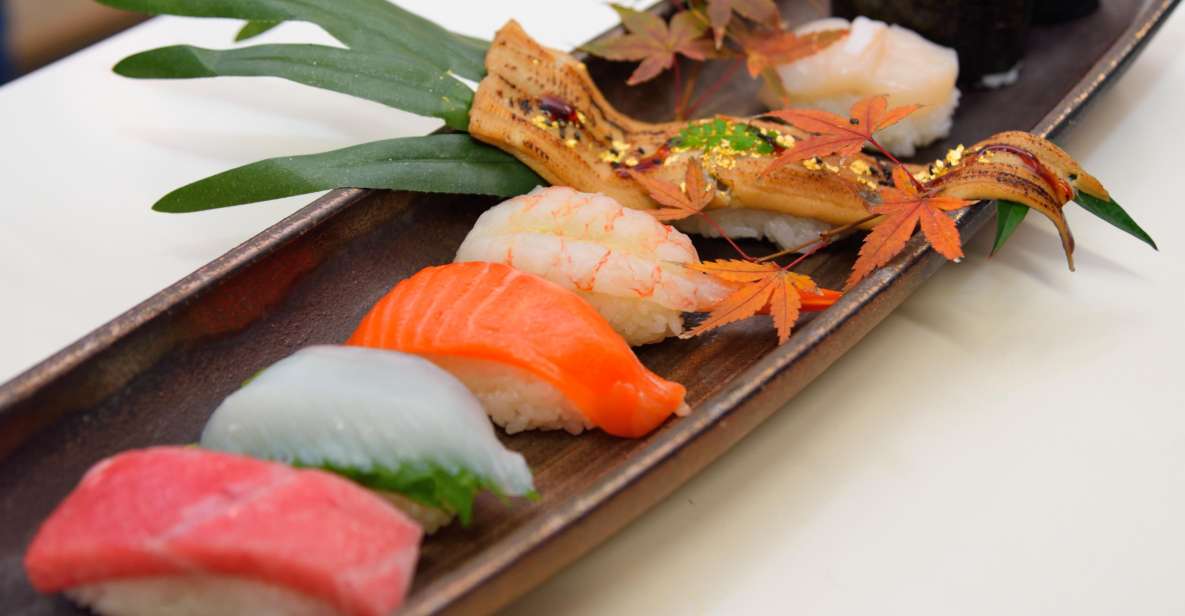
Toppings are a key part of the experience. The course description notes special ingredients can include richer fatty tuna and sweet, fresh red shrimp that’s described as creamy. Whether you’ll get those exact items depends on the season, but the important takeaway is that you’re not limited to bland toppings. The class is set up to give you memorable flavors.
You’ll also be able to choose toppings you like—green onion, ginger, and other options. That flexibility matters because sushi can be polarizing if you’re stuck with one flavor profile. Here, you can steer your own plate.
Dietary needs are handled thoughtfully. The class offers menu options friendly to vegetarians, vegans, and Muslims, and there are allergy and special requests available, including non-raw and gluten-free options. That’s a big deal for value, because it reduces the odds that you’ll sit through a class and only nibble on something you didn’t actually want.
What isn’t included: drinks. Warm udon is listed as an optional menu. If you want to eat more, you may need to plan for that separately.
Beginner-friendly prep, hands-on control, and how to get the most
This class is set up to reduce friction for first-timers. Ingredients are already cut, which means you can focus on the steps that actually create sushi quality: rice seasoning and shaping. That’s the right priority for most people. Knife skills are useful, but rice technique is what makes sushi taste right even if you’re not perfectly skilled with fish.
Still, you’ll get the satisfaction of doing the work yourself. You’ll assemble the sushi pieces and then eat them. That matters because sushi is one of those foods where your hands influence the outcome. If you’ve ever made something once and felt you could taste what you did wrong, you know why this is powerful.
A practical tip: if fish cutting is what interests you, ask early. The class description says you can ask if you want to learn fish cuts, and you’ll get more out of your session if you know your goal before the rice and assembly moves on.
Also, since toppings can vary seasonally, keep an open mind. If there’s a topping you’re unsure about, ask what it is and how it’s used in sushi. You’ll enjoy the class more when you understand what each ingredient is doing.
You can also read our reviews of more tours and experiences in Kyoto




Logistics near Takeda Station: simple, public-transport friendly
This activity is held in a building near public transportation, which is a relief if you’re trying to keep your Kyoto days efficient. Your meeting instructions are specific: get off at the west entrance of Takeda Station on Kintetsu or Subway Line, take a city bus to the stop in front of Puls Plaza, then walk along the street and turn right at the first corner. If you turn left at the first corner after that, you should see the place on your right.
One detail to know upfront: there’s no elevator. The class is wheelchair accessible, but the building has stairs, and staff can help the elderly or disabled go up the stairs. If you need step-free access, plan for staff assistance at the time you arrive.
The class is held no matter the weather, so you’re not gambling with rain or heat ruining your plans. It’s a good fit when you want a reliable activity on a day when Kyoto might decide to change the forecast.
Inside, smoking indoors isn’t allowed, and pets aren’t permitted (assistance dogs are allowed). If you’re sensitive to indoor rules, it’s worth knowing these upfront.
The wrap-up: certificate, photos, and eating your own sushi
Most cooking classes end with a polite thank-you and a bag of ingredients you didn’t buy. This one ends with a more satisfying payoff: you eat the sushi you make.
You’ll have a completion certificate and a graduation ceremony, plus souvenir photography. It’s a fun touch because it makes your work feel official. You’re not just cooking for lunch; you’re completing a short craft lesson.
One small thing I appreciate about this kind of structured finish: it keeps the class focused. When the end includes a clear moment—certificate, photos, final tasting—you’re less likely to feel like the instructor is rushing at the end.
Since the class includes 8 sushi pieces, you should expect a filling, satisfying experience rather than a tiny “try one bite” situation. It’s also long enough to learn the key technique and not feel like you only touched the process briefly.
Who should book this sushi class, and who might skip it
You’ll likely enjoy this class if you want a Kyoto activity that combines hands-on cooking with cultural flavor. It’s a solid pick for:
- Beginners who want instruction and pre-cut ingredients
- People who care about dietary options (vegetarian, vegan, Muslim-friendly, gluten-free, allergy options)
- Travelers who like experiences with a ceremony feel—certificate and graduation-style finish
- Anyone who wants to understand sushi rice, not just assemble toppings
You might want to think twice if:
- You’re specifically hunting for lots of fish-cut complexity within the lesson time
- You’re very price-sensitive and expect a bigger menu or extended practice for the cost
- You want many different sushi styles beyond the included pieces
Should you book this sushi class in Kyoto?
If you want to learn shari and leave with the real sushi fundamentals, this is worth serious consideration. The value comes from three things: you make the sushi yourself, you can handle dietary needs, and the class includes cultural elements like the Happi rental and the Japanese spirits segment, plus a certificate and photos.
I’d book it if you’re the kind of traveler who enjoys technique and wants one reliable, structured activity that ends with a meal you helped create. If what you want most is advanced fish-cut training or a wide spread of extra dishes, you may feel the session is too focused for your expectations. For most people, though, it’s a practical, memorable way to understand what makes sushi taste right.
FAQ
How long is the sushi cooking class?
The class lasts 90 minutes.
What will I learn to make?
You’ll learn how to make sushi rice (shari/sumeshi) using a sushi vinegar blend, and you’ll make sushi pieces during the class.
How many pieces of sushi are included?
The experience includes 8 pieces of sushi.
Is there a vegetarian, vegan, or Muslim-friendly option?
Yes. The menu is friendly to vegetarians, vegans, and Muslims.
Are allergy or special dietary requests available?
Yes. Allergy options and other options such as non-raw and gluten-free are available.
Do I need prior knife skills or experience?
No. Ingredients are prepared and cut in advance to welcome beginners. If you want to learn fish cuts, you can ask.
Is a drink included?
No. Drinks are not included.
Will the class run in bad weather?
Yes. The tour is held no matter what the weather is.
Is the building elevator accessible?
There is no elevator. The venue is wheelchair accessible, and staff can help with stairs for elderly or disabled participants.
Are pets or indoor smoking allowed?
Pets are not allowed (assistance dogs allowed). Smoking indoors is not allowed.