REVIEW · KYOTO
Kyoto: Essential Tour with Fushimi Inari & Bamboo Grove
Book on GetYourGuide →Bookable on GetYourGuide
Fushimi Inari feels like a living shrine. The Fushimi Inari Shrine torii path, explained step-by-step, turns a photo stop into a real spiritual walk. I especially liked how a private guide helped me connect what I was seeing with why it matters, including the fox-statuary details you’d miss wandering alone.
Next, the mood shifts to quiet. I loved the calm in the Arashiyama Bamboo Grove, plus the guide’s stories about Arashiyama as a retreat for Kyoto’s aristocracy long ago. One thing to plan for: this is mostly walking, and it is not suitable for wheelchair users, so comfortable shoes are not optional.
In This Review
- Key Highlights Worth Your Time
- Kyoto in 3.5 Hours: How the Tour Flows
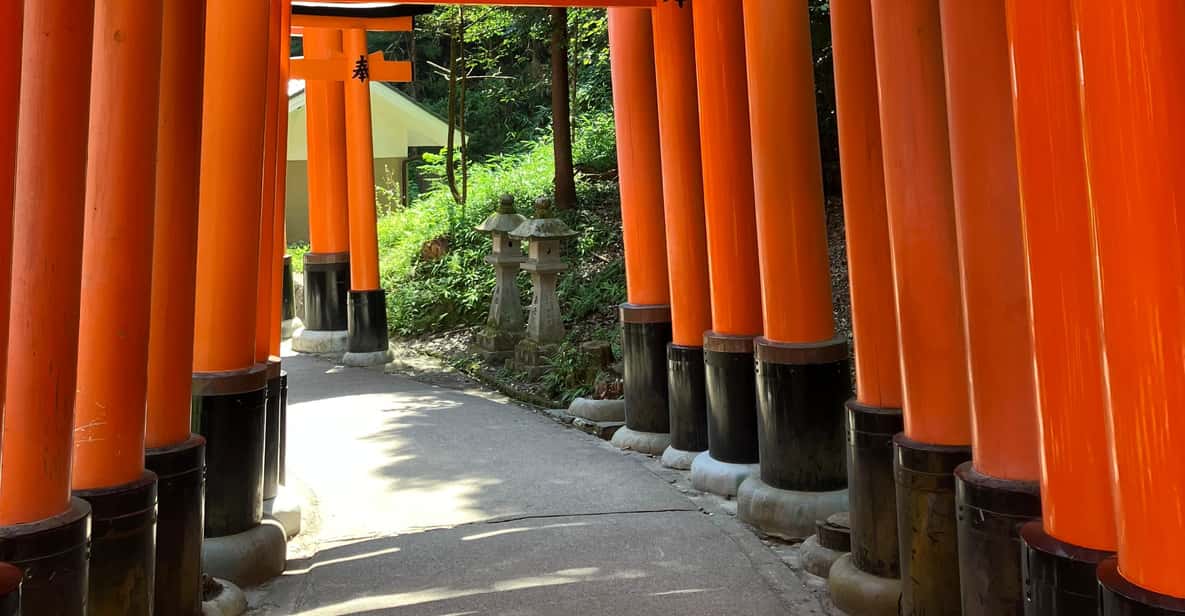
- First Stop: Fushimi Inari Taisha and the Torii Walk
- What I’d focus on during the guided hour
- A practical heads-up
- The Train Break: Using the 30-Minute Transit Wisely
- Second Stop: Arashiyama Bamboo Grove at Walking Speed
- Why the guide matters in the bamboo grove
- Time for photos without turning it into a job
- How Flexible Is Flexible? A Realistic Take
- Value Check: Is $135 Worth It for This Kyoto Combo?
- What the Private Guide Adds (And Why It’s Not Just “Nice”)
- What to Bring, What to Wear, and What to Avoid
- Who Should Book This Kyoto Tour (And Who Might Pass)
- Should You Book This Kyoto Fushimi Inari and Bamboo Grove Tour?
- FAQ
- How long is the Kyoto tour?
- Is this a private guided tour?
- What sites are included?
- Do I get hotel pickup and drop-off?
- Is transportation included?
- What languages is the guide available in?
Key Highlights Worth Your Time
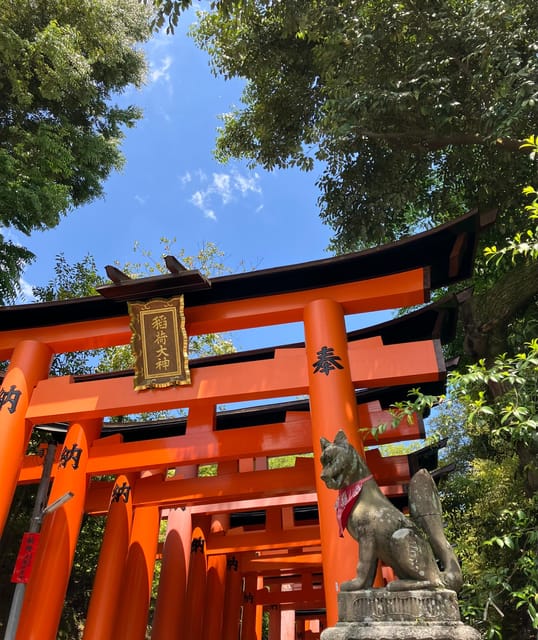
- Fushimi Inari with fox-statuary stories that make the shrine feel more than a red gate tunnel
- Arashiyama Bamboo Grove in a guided walk with photo-friendly light and peaceful pacing
- Private group experience with an English or Japanese live guide (no crowd herding)
- Hotel pickup and drop-off in the Kyoto area, with Osaka listed as an option too
- A flexible itinerary you can adjust to your preferences, with advance notice
Kyoto in 3.5 Hours: How the Tour Flows
This Kyoto essential tour is built for people who want two of the city’s biggest hits without doing the planning math. You get a private guide, a guided walk at each landmark, and enough structure that you’re not left guessing what to see next.
The total time is 210 minutes (about 3.5 hours). That timing matters because Fushimi Inari and Arashiyama are not right next door, so you’ll spend part of your morning/afternoon traveling between them by train. The good news: each site gets a full one-hour guided segment, which is long enough to see more than the obvious.
You’ll also notice the tour is designed to reduce friction. Hotel pickup and drop-off are included, and the guide stays with you throughout the guided parts. Meals and transportation costs are not included, so plan on paying train fares separately.
You can also read our reviews of more tours and experiences in Kyoto.



First Stop: Fushimi Inari Taisha and the Torii Walk
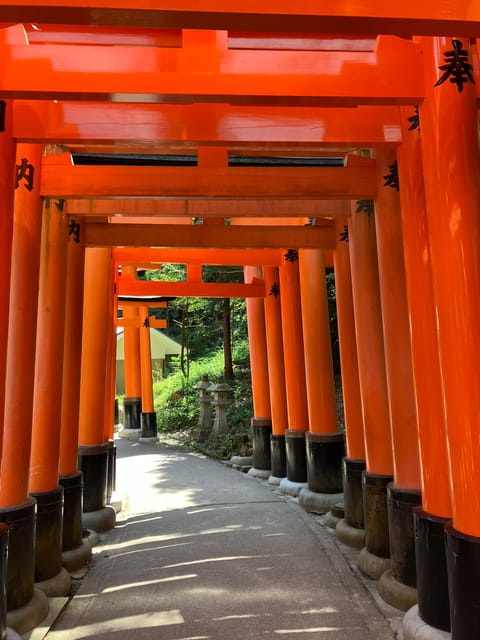
Fushimi Inari Taisha is one of Kyoto’s most important Shinto shrines, and the tour treats it like the spiritual site it is. You start with a guided visit of about one hour, with your guide walking you through the winding paths of the shrine complex.
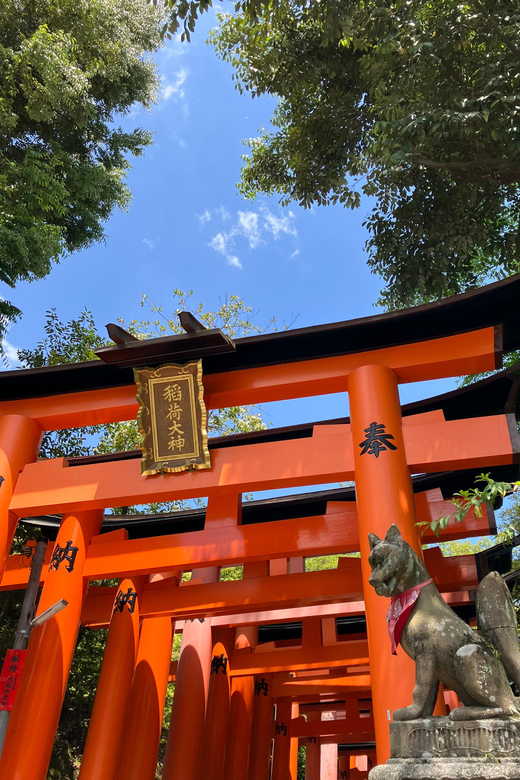
What makes Fushimi Inari special isn’t just the scale of the torii gates. It’s the meaning threaded through the walk. The shrine is dedicated to the god of rice and business prosperity, which gives the place a very practical feeling for people—prosperity isn’t just a corporate word here. As you move along the route up Mount Inari, you’ll also learn about the fox statues found throughout the complex. Those details are exactly what a guide can connect for you so you’re not just staring at red posts.
What I’d focus on during the guided hour
- How the torii path is arranged as part of the pilgrimage feeling of the area
- Fox statues and their role in the stories your guide shares
- Stops for views as you go, so you don’t rush past the Kyoto panorama moments
A practical heads-up
Wear comfortable shoes. The paths can be uneven and you’ll keep moving. If you’re expecting a quick stroll with no stairs, this isn’t the right mindset. The good part is that a guide can help keep your pace comfortable.
The Train Break: Using the 30-Minute Transit Wisely
Between stops, you’ll take the train for about 30 minutes. That’s not “free time” in the sense of relaxing in a café, but it is useful time. You can use it to recharge your legs, check your camera battery, and get ready for the next walking segment.
Because transportation costs aren’t included, you should expect to pay the train fares yourself. If you’re traveling with a transit card, make sure you have it loaded before you leave the pickup point.
One more small benefit: the tour’s timing is built around two guided hours. That means you’re less likely to waste time figuring things out on the ground and more likely to spend it with a guide where it counts.


Second Stop: Arashiyama Bamboo Grove at Walking Speed
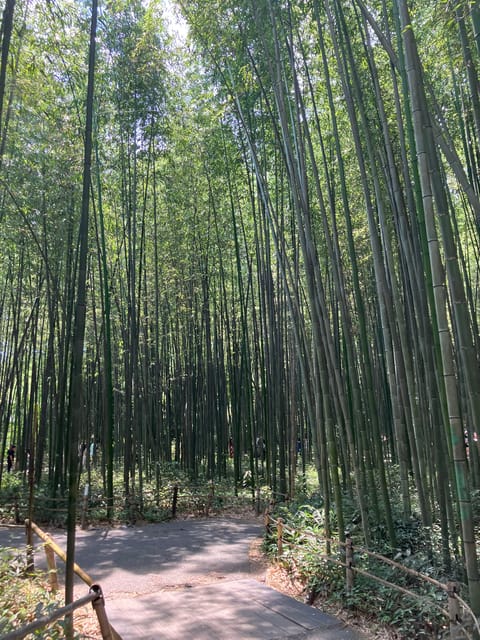
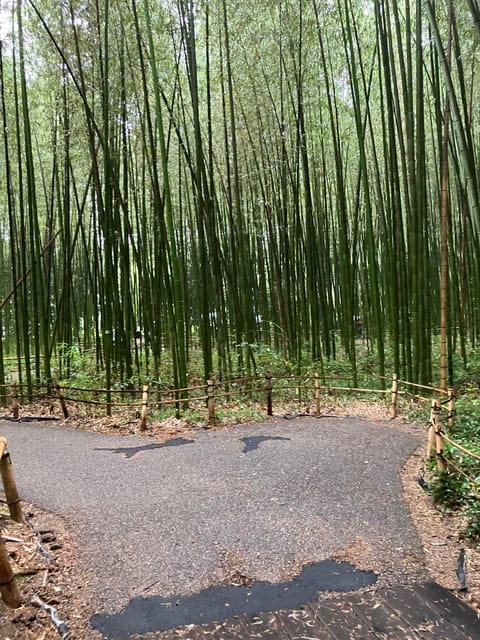
Then you head west to Arashiyama, where the Bamboo Grove does its quiet magic. The tour includes another one-hour guided visit, and it’s easy to see why this spot is famous. Towering bamboo stalks rise above you, and the light filtering through the forest makes the whole area feel calm and photo-ready.
Your guide leads you through peaceful paths and shares what Arashiyama means in Kyoto’s past—especially its significance as a retreat for Kyoto’s aristocracy during ancient times. That context changes how you experience the grove. Instead of thinking of it as a backdrop, you start seeing it as part of a place people once escaped to, for rest and reflection.
Why the guide matters in the bamboo grove
Bamboo groves can feel like they all look the same once you’re there. A guide keeps you moving in a way that helps you notice:
- Natural light shifts under the bamboo
- The overall rhythm of the walk, rather than stopping every two steps
- Stories that connect the grove to the district around it
Time for photos without turning it into a job
You’ll have time for photos, but the tone of this stop is slow and respectful. I like that. You’re not trying to win a contest with other people’s cameras—you’re letting the grove do what it does.
How Flexible Is Flexible? A Realistic Take
The tour advertises a flexible itinerary, and with a private guide, that flexibility can be useful. If you want to slow down for photos, spend a little more time on particular views, or ask for extra context at a shrine area, your guide can usually steer you.
That said, there’s a limit. Same-day changes can be difficult, so if you have a specific request—like a certain pace or a particular angle for photos—send it ahead of time when you book. This keeps expectations clear and helps your guide plan the walking flow.
Value Check: Is $135 Worth It for This Kyoto Combo?
At $135 per person for 210 minutes, the value hinges on what you’re buying:
You’re paying for:
- A private guided experience (not just a handout)
- Guided time at two major landmarks: Fushimi Inari and Arashiyama Bamboo Grove
- Hotel pickup and drop-off in Kyoto (and Osaka is listed as an option for pickup/drop-off)
- Cultural and Shinto tradition insights that help you understand what you’re seeing
You’re not paying for:
- Meals
- Transportation costs (you will use trains, but fares are not included)
For many people, this price feels fair when you want the context. If you’re the type who likes to understand what you’re looking at—why the fox statues are there, what Fushimi Inari is dedicated to, why Arashiyama matters beyond a photo—then the guide time becomes the main value.
If your travel style is more “walk and wander, no talking required,” you might feel the cost more. But for a structured two-site hit, with pickup and a guide doing the speaking, this is a pretty straightforward deal.
What the Private Guide Adds (And Why It’s Not Just “Nice”)
I don’t just think of a private guide as entertainment. I think of them as a shortcut to better travel.
With this tour, the guide isn’t only moving you from point A to point B. They’re giving context that helps you notice details:
- At Fushimi Inari, you get shrine significance tied to what you’re walking through
- You also learn about fox statues you’ll see repeatedly in the complex
- At Arashiyama, you learn the district’s story and how it served Kyoto’s upper classes as a retreat
One standout from a recent booking: the guide named Masa was described as friendly and helpful, and attentive to the group’s interests. That kind of guide energy matters because it affects pacing, questions, and comfort when the walk gets physical.
What to Bring, What to Wear, and What to Avoid
This is the kind of tour where your basics make a noticeable difference. Bring:
- Comfortable shoes (you’ll be on your feet)
- Camera (both sites are strong for photos)
- Sunscreen and water (Kyoto light can be sneaky, even when it looks pleasant)
And skip:
- Smoking (not allowed)
Also remember the tour isn’t suitable for wheelchair users. If mobility is a concern, it’s worth asking what walking distances will feel realistic for you before booking.
Who Should Book This Kyoto Tour (And Who Might Pass)
This fits best if you:
- Want two iconic Kyoto sites with guided context rather than DIY guessing
- Like the idea of a private group and a guide who can tailor the pace
- Appreciate Shinto background and district history in plain language
- Prefer hotel pickup and drop-off instead of figuring out meeting points
You might consider passing if you:
- Need a wheelchair-accessible experience (this one is not suitable)
- Don’t want to pay for a guide and prefer solo exploration
- Have very limited mobility and can’t manage mostly-on-your-feet walking
Should You Book This Kyoto Fushimi Inari and Bamboo Grove Tour?
If your goal is to see Fushimi Inari Taisha and the Arashiyama Bamboo Grove with understanding—not just photos—this tour is an easy yes. The structure is tight, the guided time at each site is generous for a 3.5-hour day, and the guide helps you connect meaning to what you’re walking through.
I’d book it when you value convenience (hotel pickup/drop-off) and you want someone to translate the shrine and district stories into something you can actually feel while you’re there. Just be honest about the walking, bring good shoes, and treat the experience as a short guided pilgrimage plus a calm forest walk.
FAQ
How long is the Kyoto tour?
The tour duration is 210 minutes (about 3.5 hours).
Is this a private guided tour?
Yes. It’s described as a private group tour with a live guide.
What sites are included?
The guided stops are Fushimi Inari Taisha and the Arashiyama Bamboo Forest.
Do I get hotel pickup and drop-off?
Yes. Hotel pickup and drop-off are included in Kyoto, and the activity also lists Osaka as an available pickup/drop-off option.
Is transportation included?
No. Transportation costs are not included, even though the itinerary uses trains between stops.
What languages is the guide available in?
The live guide is available in English and Japanese.