REVIEW · KYOTO
Kyoto Heritage Run – Venture through historical Kyoto landmarks
Book on Viator →Operated by Kyoto Fitness · Bookable on Viator
Kyoto by foot is great. Kyoto by jog is better. This Kyoto Heritage Run turns exercise into fast, low-stress sightseeing, with guided pacing and cultural context along a route that strings together big-name landmarks and calmer riverside stretches. You’ll start at Nijojo-mae Station and spend about 3 hours covering roughly 10 kilometers, with brief stops and a warm-up built right into the experience. If guides like Francis and Areo are leading your group, that hands-on attention can make the whole route feel smooth and personal.
What I especially like is the mix of movement and meaning. You get a quick introduction to Kyoto City at the start, then you jog through central sights like the Imperial Palace area and Heian Shrine without feeling stuck in museum-time mode. Another big plus is that the tour isn’t only about famous stops; it also leans into quieter, scenic segments such as the Shirakawa River route, where the pace feels right for taking in the scenery rather than sprinting past it.
One drawback to consider: this is not a couch-tour. You should have moderate fitness and be comfortable with jogging and short Tabata-style bursts, plus you’ll want to manage your own water since bottled water isn’t included.
In This Review
- Key things to know before you go
- How the Kyoto Heritage Run makes sightseeing feel efficient
- Starting at Nijojo-mae: warm-up, Nijo Castle area, then jog east
- Imperial Palace grounds and Tabata-style bursts
- Crossing the Kamogawa and stopping at Heian Shrine
- The Shirakawa River jog to Maruyama Park and Yasaka Shrine
- Gion by the route: ending at Kamogawa near Gion Shijo
- Price and value: what $97.55 gets you in Kyoto
- Gear, pacing, and who should book this
- Should you book the Kyoto Heritage Run?
- FAQ
- How long is the Kyoto Heritage Run?
- Where does the tour start and end?
- What landmarks are included in the route?
- Is bottled water or lunch included?
- What fitness level do I need?
- What happens if the weather is bad?
Key things to know before you go
- 10-kilometer city route with guided jogging, so you see more than a typical walking tour in less time
- Warm-up and history briefing right at the start near Nijojo-mae Station and Nijo Castle (outside viewing)
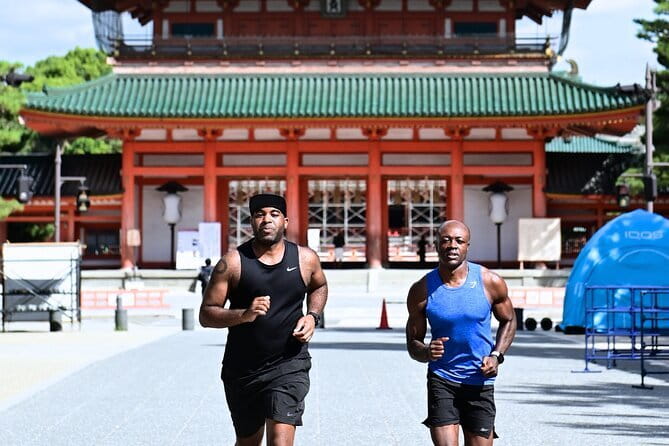
- Tabata-style exercises at the Imperial Palace grounds, adding energy beyond sightseeing photos
- Shirakawa River segment with small stone bridges and weeping willows for a scenic change of pace
- Small group size (max 12), which helps keep the jog coordinated and the conversation flowing
- Ends at Gion Shijo Station area, so you finish in one of Kyoto’s most atmospheric neighborhoods
How the Kyoto Heritage Run makes sightseeing feel efficient
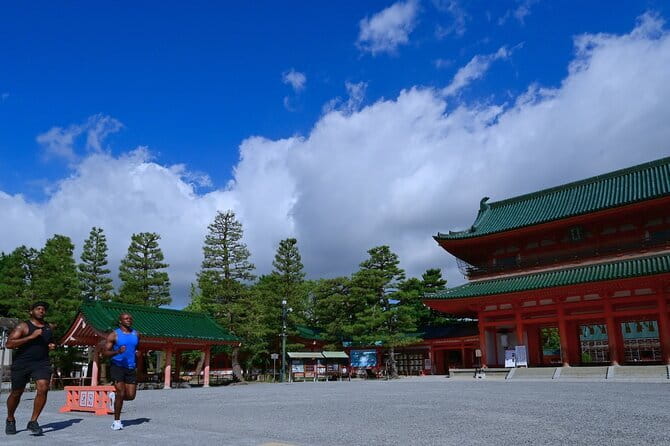
Kyoto can be a lot, even when you love it. The streets are dense, the distances add up, and many classic sights sit close together but still feel far apart when you’re walking on tired legs. That’s where this city jogging tour earns its keep: it’s designed to help you move while still understanding what you’re looking at.
You’ll cover major central landmarks within a tight timeframe—about 3 hours—and the route is built so you’re not constantly stopping, starting, and waiting around. In practical terms, it helps you get your bearings fast. A second-day strategy works well here: you can use the run to map Kyoto in your head, then go back later on your own for linger-time.
Also, the tour isn’t only about exercise. The guides combine jogging with short explanations, so the landmarks don’t feel random. You’re not just collecting photos; you’re learning the basics of why places matter, then using the walk-and-jog flow to keep your energy up.
One more value point: the route ends in the Gion area, which means you likely finish with easy options for dinner and evening strolling. You don’t have to reverse-commute back to the starting point just to keep your day moving.
You can also read our reviews of more historical tours in Kyoto


Starting at Nijojo-mae: warm-up, Nijo Castle area, then jog east
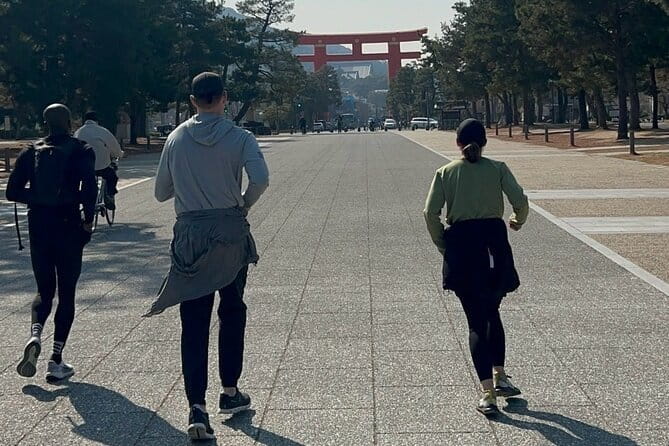
Your day begins at Nijojo-mae Station, opposite Nijo Castle. You’ll be greeted by your guides, including a fitness professional and an experienced tour guide. That combo matters because it sets expectations early: you’ll get moving right away, not just standing around for instructions.
Before you head out, there’s a warm-up and a brief history of Kyoto City. This is one of the smartest parts of the experience, because it gives you a framework for what you’ll see next. When you understand that Kyoto’s role as a capital shaped its layout, the route feels more purposeful.
You also get Nijo Castle (outside) viewing. That’s a quick hit rather than a long visit, but it gives context for the imperial and shogunal influence that defined Kyoto for centuries. Even if you’re not going inside, it’s still a strong visual anchor at the start.
Then comes the main motion: you jog east toward the Imperial Palace. This is where the tour shifts from warm-up energy to a steady “keep moving” rhythm. If you’re the type who enjoys conversation while walking, the pacing here tends to work well—enough time to talk, not enough time to get bored.
Imperial Palace grounds and Tabata-style bursts
At the Imperial Palace Park area, you’ll take in the grounds and you’ll also do Tabata-style exercises. This is not the kind of stop where you just stand and listen. It’s a quick, structured way to work up energy while you’re already on-site in one of the most important locations in central Kyoto.
The tour also includes seeing lesser-known spots within the Imperial Palace area. That’s a big deal for a city tour. Kyoto’s famous sites can be photo-heavy and crowd-heavy, and it’s easy to miss the quieter angles. The jogging format helps you reach perspectives you might not notice on a standard walk.
What you should watch for is timing and effort level. Tabata-style work is short, but it’s still intensity. If you show up at a sprinting pace, you’ll likely pay for it later. I’d treat this part like a warm push, not a competition—save your legs for the riverside segments that come right after.
This is also where the guides’ fitness side earns its reputation. They’re balancing movement with safety and pacing for a group of up to 12. If you’re comfortable with a moderate cardio effort, this stop should feel energizing rather than intimidating.
Crossing the Kamogawa and stopping at Heian Shrine
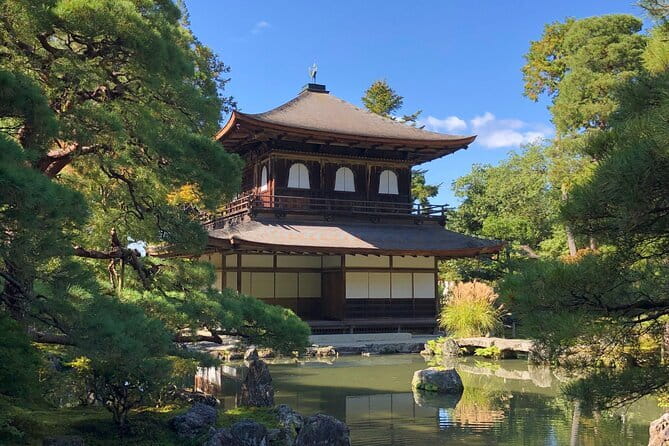
After leaving the Imperial Palace grounds, the route crosses the Kamogawa—Kyoto’s famous river that functions like a scenic spine through the city. Crossing a river early on is a nice mental reset. You’re moving from palace grounds to a more open, airy section of central Kyoto, and the change in surroundings can make the second half of your morning feel lighter.
Next up: a stop at Heian Shrine. The tour calls it a majestic architectural marvel, and you’ll get a brief pause there. This isn’t positioned as an all-day deep study. It’s more like a cultural waypoint: you get the chance to absorb the scale and the design, then you’re back to jogging and onward.
The practical benefit of the Heian Shrine stop is that it breaks up the longer stretch of continuous sightseeing. Even when you’re moving, a short stop helps you re-focus—new angles, new photos, and time to catch your breath without losing time.
If you’re someone who likes landmarks but also hates spending hours in a single spot, this sequence makes sense. You’re not stuck waiting around. You’re steadily building a Kyoto picture in your head.
The Shirakawa River jog to Maruyama Park and Yasaka Shrine
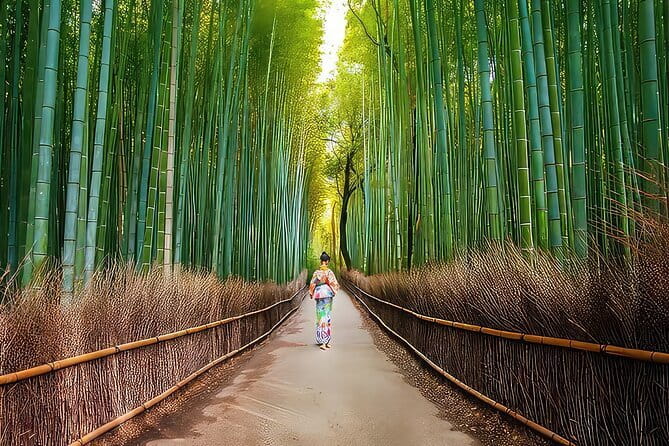
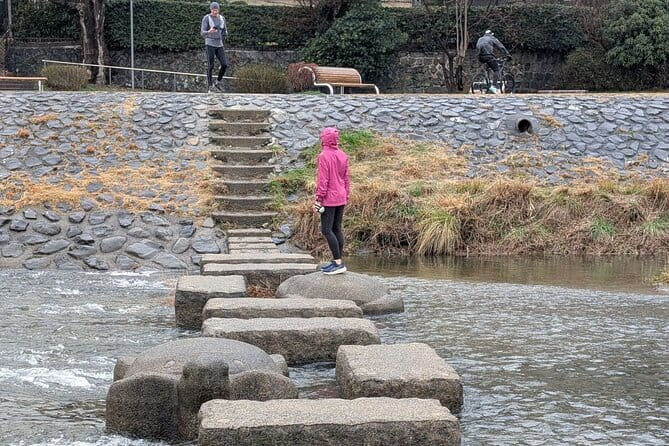
Then the tour really shifts into scenic mode: you pass through an immense torii gate and jog along the Shirakawa River, known for its weeping willows and small stone bridges.
This is one of the best parts to understand why a jogging tour works. Rivers don’t just look pretty. They also provide a continuous visual line that helps you stay oriented. As you jog, you’re not constantly dodging pedestrians the way you might in a dense crowd cluster. The path feels more like a guided stroll-with-motion.
You’ll also spot sections that feel a bit mysterious and tucked-in, which is exactly the kind of Kyoto feel people want but often miss when they only do quick photo stops. The route’s design helps you spend time where the scenery supports the pace.
From Shirakawa, the tour heads to Maruyama Park, and then you’ll connect with Yasaka Shrine. This area is known for a calm, atmospheric park-and-shrine combination. During your stop, you’ll also be winding down, so you’re less in workout mode and more in sightseeing mode.
One thing I’d keep in mind: you’ll likely be out of breath from the river segment and then walking a bit within the park area. Wear shoes you trust. If your feet are happy, you’ll enjoy everything else more—from details in the grounds to the vibe near the shrine.




Gion by the route: ending at Kamogawa near Gion Shijo
As you continue, you pass through Gion on the way forward. Even without a long formal visit, passing through Gion can be a meaningful change of pace, because it’s a neighborhood with a strong sense of place and daily rhythms.
Finally, the tour ends with stretching on the eastern bank of the Kamogawa, finishing near Gion Shijo Station. This is important logistics-wise: the end point is not the same as the start point. In plain terms, you get a one-way day-ending location, which is great if you planned dinner or an evening walk in that area.
Also, because the finish sits in a well-known district, it’s easier to transition to your next plan. If you want to keep exploring, you’ll have a head start on where you’re going. If you want to relax, you can do that too—after 3 hours of motion, your legs may appreciate the pause.
If you’re sensitive to travel days that start too early, note that the start time is 8:30 am, which usually works best when you’ve already accepted that you’ll spend the morning moving and the evening unwinding.
Price and value: what $97.55 gets you in Kyoto
At $97.55 per person, this tour sits in the mid-range for guided experiences. What justifies the price isn’t just a checklist of sights—it’s the format. You’re paying for guided jogging, a fitness professional, and an experienced guide who connects the route to Kyoto’s context.
It also includes all fees and taxes, which removes one common headache. And the mobile ticket is a small convenience that matters when you’re moving between stations early in the day.
You’ll also want to do a quick mental math. You’re spending about 3 hours and covering around 10 kilometers, hitting multiple major points—Imperial Palace area, Heian Shrine, Maruyama Park, Yasaka Shrine, and a pass through Gion—plus scenic riverside running. If you were trying to DIY this route, you’d spend time figuring out the best walking connections and then still have to pace yourself for the distance.
The main extra cost you should plan for is simple: lunch isn’t included, and bottled water isn’t included. So budget for drinks and an easy meal after. Bring or plan to buy water if you’re the type who drinks often during activity.
Gear, pacing, and who should book this
This tour asks for moderate physical fitness. That means you don’t need to be a marathon runner, but you should be comfortable jogging at least for portions of the route. The Tabata-style exercises add intensity in short bursts, so if you only walk and don’t jog, this might feel like a push.
For comfort, think practical:
- Wear supportive shoes you can jog in.
- Dress for weather since the experience requires good weather.
- Plan to bring your own water or be ready to purchase it before the tour ends.
Group size is capped at 12, so it’s not a massive crowd. That usually makes it easier to keep pace and hear explanations.
Who this suits best:
- If it’s your first or second day in Kyoto and you want to get your bearings quickly
- If you like guided conversation while moving
- If you want a route that connects famous sites with calmer riverside scenery
If you’re mainly looking for a relaxed walking tour with lots of sitting and long time in one temple, you might prefer a slower option. But if you want movement plus context in a single morning, this format makes sense.
Should you book the Kyoto Heritage Run?
Yes, if you want a fast, guided way to string together central Kyoto landmarks and riverside scenery in about 3 hours. The standout value is the pairing of exercise with explanations, plus the way the route uses rivers like the Kamogawa and Shirakawa to keep your pacing enjoyable rather than draining.
Book it if you:
- can handle moderate jogging and short intense bursts
- want a small-group vibe with up to 12 people
- prefer arriving at sights already warmed up, not starting cold
Skip it if:
- you’re not comfortable jogging
- you need a tour that includes water and lunch
- you’re hoping for a long, slow temple stroll day
If you can meet the fitness basics, this is one of those Kyoto experiences that helps you feel like you understand the city faster—without sacrificing the atmosphere that makes Kyoto worth visiting.
FAQ
How long is the Kyoto Heritage Run?
The tour runs for about 3 hours.
Where does the tour start and end?
It starts at Nijojo-mae Station (opposite Nijo Castle) and ends at the Gion Shijo Station area. The end point is not the same as the start point.
What landmarks are included in the route?
You’ll see the Imperial Palace Park area, Heian Shrine, Yasaka Shrine and Maruyama Park, pass through Gion, and include running along the Kamogawa and Shirakawa River areas.
Is bottled water or lunch included?
No. Lunch and bottled water are not included.
What fitness level do I need?
The tour asks for a moderate physical fitness level. You should be comfortable jogging, and the itinerary includes Tabata-style exercises.
What happens if the weather is bad?
The experience requires good weather. If it’s canceled due to poor weather, you’ll be offered a different date or a full refund.