REVIEW · KYOTO
Kyoto: Nighttime Zen Meditation and Matcha Tea Experience
Book on GetYourGuide →Operated by Cultural Edu-tourism Council · Bookable on GetYourGuide
Nighttime changes Kyoto fast. This 90-minute experience at Keishunin slows your pace with lit temple gardens, a guided zazen sit, and matcha afterwards.
I especially like how the night visit feels intimate and quiet—you’re not just looking at sights, you’re learning the temple’s rhythms from a local guide. Another standout is the chance to sit zazen and then taste matcha and Japanese sweets with Deputy Chief Priest Yasumasa Arashima.
The main thing to consider: it’s a temple-at-night kind of outing, so you’ll want warm layers, and it’s not suitable for wheelchair users (and kids under 12 aren’t recommended).
In This Review
- Key highlights that make this worth your time
- Keishunin after dark: what the lights change
- Four gardens, hidden tea rooms, and Kano Sansetsu art
- The zazen session: what to do and how to approach it
- Matcha, sweets, and the tea-culture logic
- What the 90 minutes really feels like
- Price and value: is $206 per person a fair trade?
- Who this Kyoto night meditation works best for
- Practical prep: what to bring and how to behave
- Should you book this Keishunin night meditation and matcha experience?
- FAQ
- How long is the Kyoto nighttime Zen meditation and matcha experience?
- Where does the experience take place?
- What’s included in the experience?
- What languages are the guides available in?
- Is transportation to and from the meeting place included?
- Do I need to buy tickets in advance, or is there a skip-the-line benefit?
- What should I bring?
- What is not allowed during the experience?
- Is the experience suitable for young children and teens?
- What are the cancellation terms?
Key highlights that make this worth your time
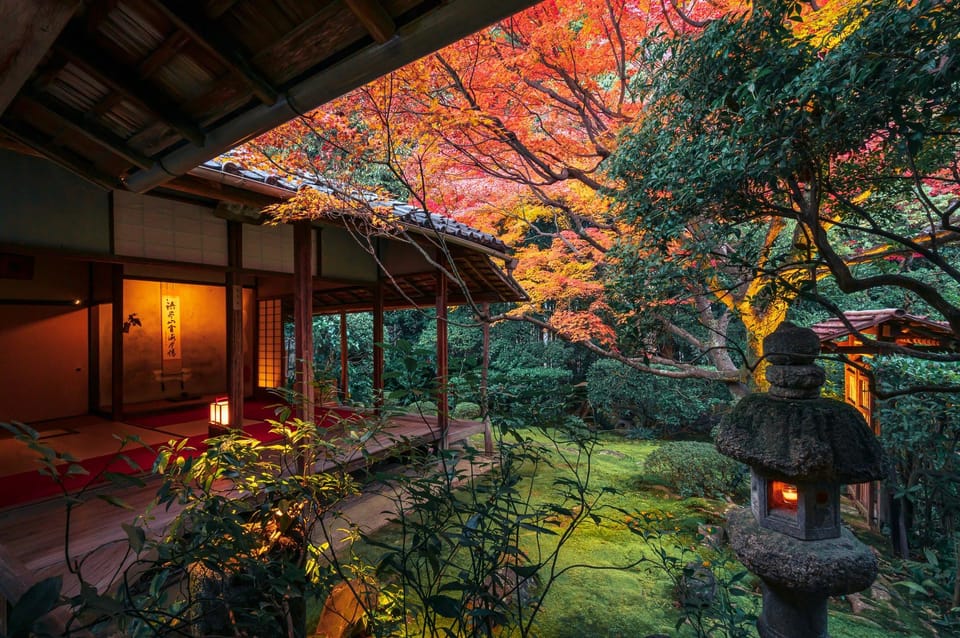
- Night-lit Keishunin gardens: Four gardens are illuminated, letting you see their design in a calmer mood.
- Sehakuan tea room access: You tour the hidden tea room and connect art to everyday practice.
- Kano Sansetsu fusuma paintings: You get to view the sliding-door paintings as part of the cultural story.
- Guided zazen meditation: A structured sit with a VP monk guide gives you something to aim for.
- Matcha and Japanese sweets tasting: The experience ends with a proper tea moment, not a rushed snack.
Keishunin after dark: what the lights change
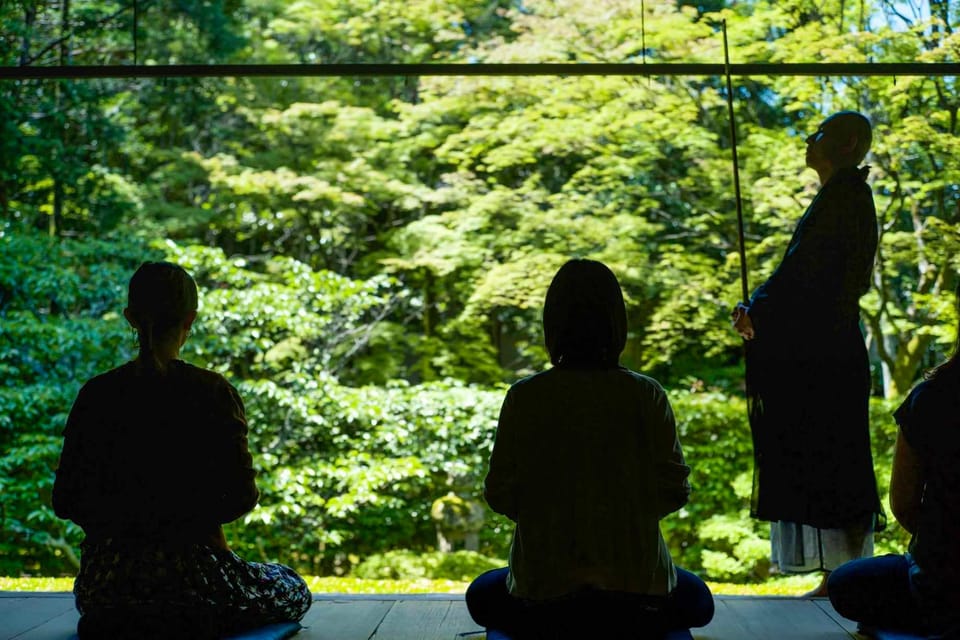
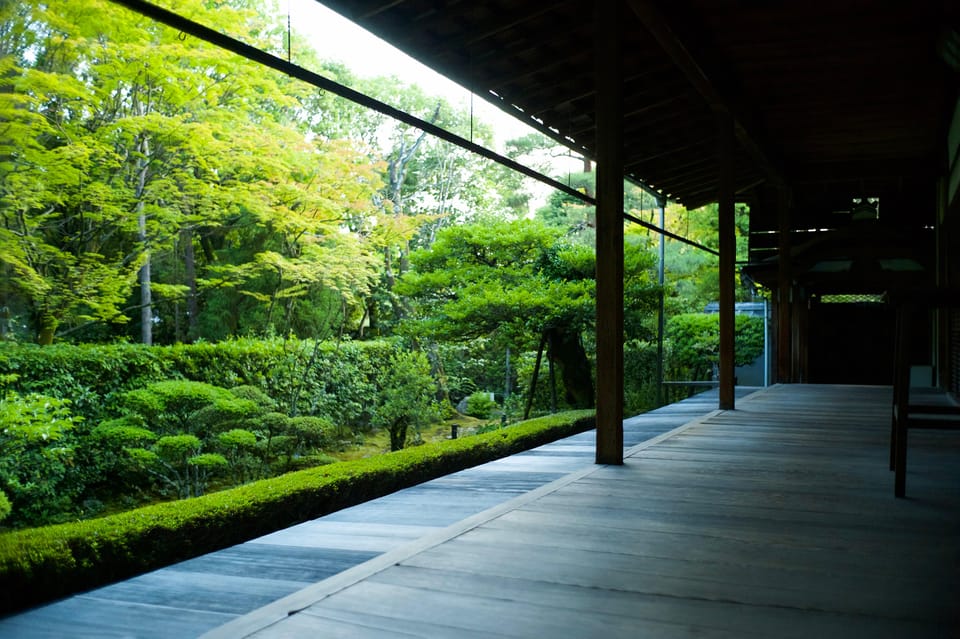
Keishunin is a sub-temple of Myoshinji Temple, and at night it changes character. In the dark, the gardens don’t feel like a checklist item. They feel like a place you could linger—if you’re the type who enjoys quiet focus more than fast photo stops.
The tour uses the evening setting on purpose. You’ll see the four gardens designated as nationally designated historical sites and scenic spots, and then you’ll experience them again through light. That lighting matters because it changes how you read spacing, pathways, and the way the garden frames views.
There’s also a sense of permission built into the format. This isn’t just standing around. Your guide helps you shift from sightseeing mode into temple-mode—listening first, looking second.
You can also read our reviews of more tours and experiences in Kyoto.



Four gardens, hidden tea rooms, and Kano Sansetsu art
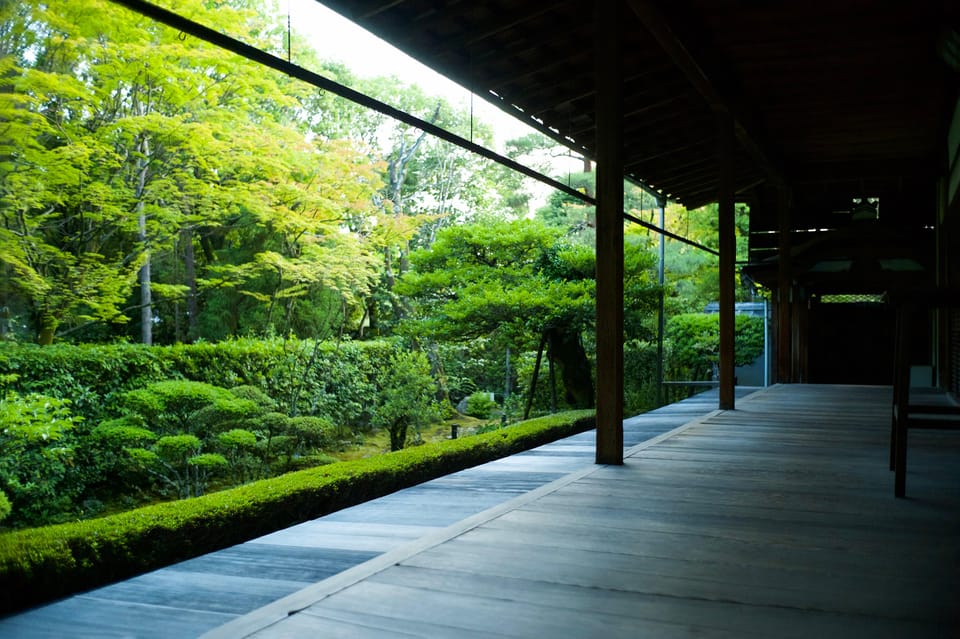
Your evening starts with a guided look around the grounds. You’ll tour the four gardens while lights make paths and shapes easier to follow. If you’ve visited Kyoto in daylight, you’ll know the gardens can feel busy when the crowds are in full swing. At night, it’s more about noticing small changes: the angle of a branch, the curve of a walkway, the way shadows collect in corners.
From there, you move into the temple’s more interior treasures. You’ll tour the hidden tea room called Sehakuan, which is designed for that specific kind of stop-and-breathe atmosphere tea brings. Tea spaces like this are never just about drinking. They’re built for manners, attention, and pace—so you’ll feel the cultural logic even before you taste the matcha.
Then there’s the art. You’ll view Kano Sansetsu’s fusuma paintings, the sliding doors that act like moving canvases. Even if you don’t know the artist, the guide’s explanations give you a way to connect the paintings to the temple setting and the feeling of ritual inside the space.
One practical note: the tour is 90 minutes total, so you’ll want to stay present. People sometimes try to “speed-tour” during transitions, but here that’s the opposite of the point. If you go in expecting calm, you’ll get calm.
The zazen session: what to do and how to approach it
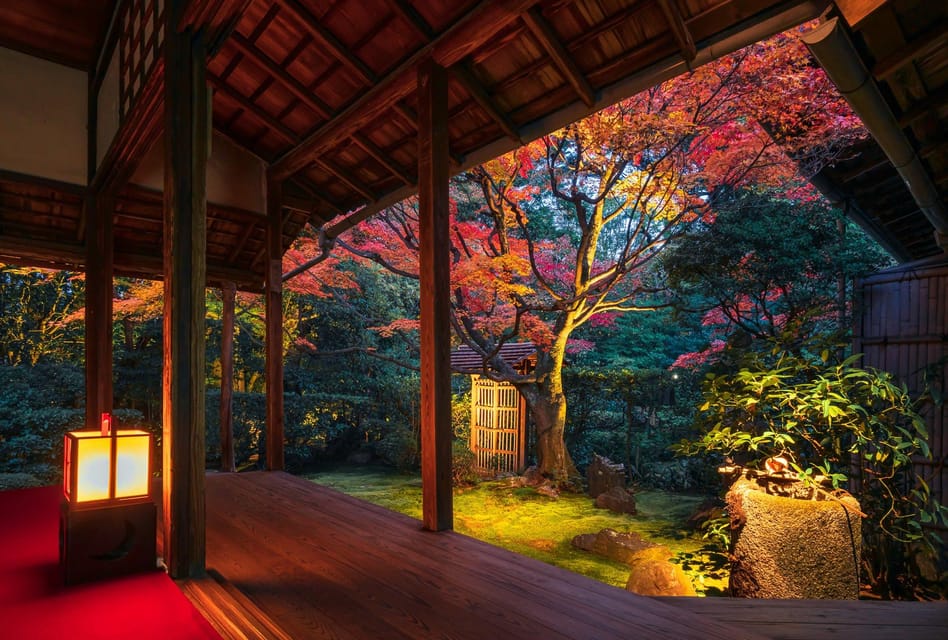
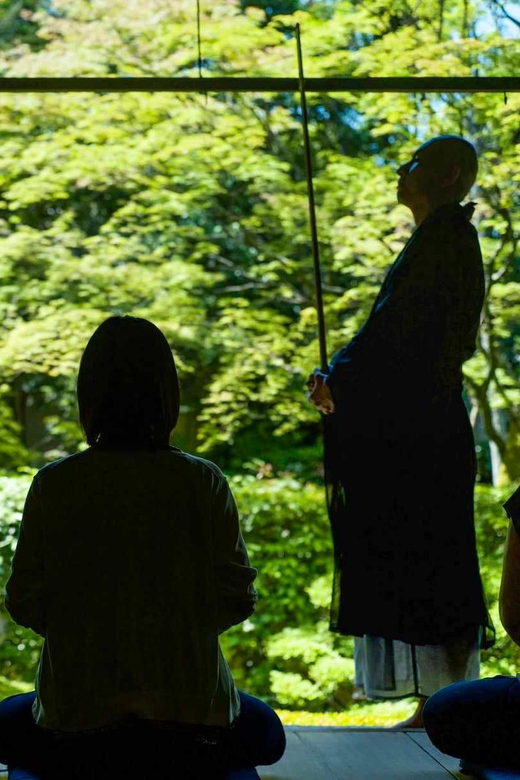
The heart of the experience is a guided zazen meditation. This part is led by the VP monk during the sitting, and the process is explained with translation support depending on your group language (English or Chinese).
What I like about a guided zazen format is that it gives you an anchor. Meditation can feel vague when you’re on your own—seat, posture, breathing, timing. Here, you’re coached through what to do so you can focus on the actual experience rather than guessing.
Expect the session to be quiet, structured, and respectful. You’re in a temple environment, so the goal isn’t relaxation in the spa sense. It’s refreshment for your mind and body, with attention trained through stillness.
A small tip that helps: dress for the body you’ll have during the sit. If you’re cold, you’ll drift. Wear warm layers and comfortable clothes so you can settle without thinking about your own discomfort.
And if you’re curious, there’s a cultural angle too. The meditation guidance includes customs around what to do when a practitioner feels too tired and needs a refreshing reminder to keep going. That’s the kind of practical detail that makes zazen feel less mystical and more human.
Matcha, sweets, and the tea-culture logic
After meditation, you get matcha tea and Japanese sweets tasting. This part matters because it completes the loop: sit in stillness, then change gears into a slow, sensory ritual.
You taste matcha prepared as part of the temple experience, and you also get a traditional Japanese sweet. The sweetness is not just for flavor; it’s a gentle contrast to the stillness of meditation. It gives your body a signal that the moment is safe to transition—like closing a book and letting your mind wander again.
Deputy Chief Priest Yasumasa Arashima is involved in this tea portion, which adds depth. Even if you’re not studying Buddhism, a ceremony led by someone in that role makes the tea feel like something practiced, not staged.
In the calmer style of these sessions, you often get a brief moment to exchange impressions over tea. You may find yourself chatting in a low-key way—no big performance, just a respectful end to the evening.
What the 90 minutes really feels like
This experience is listed as 90 minutes, and that timing is part of the design. You’ll move through several meaningful spaces—gardens, Sehakuan tea room, Kano Sansetsu fusuma view—then you’ll settle into zazen, then finish with matcha and sweets.
So you should plan your night like a schedule, not a scavenger hunt. If you’re pairing this with other Kyoto sights, keep buffers. This kind of outing is best when you don’t immediately rush off to the next thing, because the calm can fade if you keep sprinting.
Here’s the flow you can expect:
- You meet your guide at the temple.
- You tour the lit four gardens and learn what to look for.
- You visit the hidden tea room Sehakuan and see Kano Sansetsu’s fusuma.
- You do guided zazen with a VP monk.
- You end with matcha tea and Japanese sweets tasting.
Because it’s a private group, the pacing may feel steadier than a larger tour. You’re not just herded; you’re guided.

Price and value: is $206 per person a fair trade?
At $206 per person for 90 minutes, you’re paying for more than admission. You’re paying for access, instruction, and the right kind of attention.
What you’re actually getting that affects value:
- A night visit with illuminated gardens (special timing, not daytime-only access).
- Guided interpretation inside key cultural spaces, including Sehakuan and the fusuma paintings.
- Live instruction in zazen, led by temple leadership roles.
- Matcha tea and Japanese sweets tasting.
If you’ve paid for Kyoto tours before, you’ll know the range. Many experiences are basically transportation plus photos. This one is different because it teaches you how to slow down inside a temple setting, and it gives you a direct activity—meditation—that you can’t fake with a guidebook.
So the question isn’t just whether $206 is “cheap.” It’s whether you want a Kyoto evening that changes your pace for real. If yes, the value is strong.
Who this Kyoto night meditation works best for
This is for people who like cultural experiences with rules and rhythm. If you enjoy museums, quiet rituals, and learning how practices work, you’ll fit right in.
It’s also a good match for:
- Adults and older teens who want a break from temple crowds in daylight.
- People who like structured meditation guidance rather than guessing on their own.
- Anyone who enjoys tea culture and wants the ceremony explained in context.
It’s not suitable for wheelchair users. Also, it’s intended for primary school students and above, but it explicitly notes it’s not suitable for children under 12. If you’re traveling with a child in the under junior high range, one parent or guardian must accompany them.
Practical prep: what to bring and how to behave
This is a night outing, so plan like it’s going to be chilly. Bring warm clothing and comfortable clothes. Comfortable doesn’t mean trendy. It means you can sit and stand without constant adjusting.
Two rules are clearly stated:
- No smoking
- No flash photography
That’s not just for manners. Flash can ruin the quiet and it can distract others during meditation and tea moments.
Also, you’ll need a reservation. This isn’t a walk-up situation.
Transport isn’t included. You’ll want to handle getting to the meeting point on your own.
Should you book this Keishunin night meditation and matcha experience?
If you want Kyoto at night in a calmer, more intentional way, I’d book it. The big wins are the lit four gardens, the visit to Sehakuan, the chance to see Kano Sansetsu fusuma art, and—most importantly—the guided zazen session that ends with matcha and Japanese sweets.
Skip it if you’re looking for fast sightseeing, a flexible stop-and-go schedule, or something that’s easy on the body for long periods of sitting. Also, if you’re traveling with a wheelchair, you’ll need a different option.
For the right traveler, this is one of those evenings that leaves you quieter afterward, not just “educated.”
FAQ
How long is the Kyoto nighttime Zen meditation and matcha experience?
It lasts 90 minutes.
Where does the experience take place?
It is a special night visit to Keishunin Temple, a sub-temple of Myoshinji Temple in Kyoto.
What’s included in the experience?
You get a special night visit to Keishunin, a tour of the four gardens, a tour of the hidden tea room Sehakuan, viewing of Kano Sansetsu’s fusuma paintings, zazen meditation, and matcha tea plus Japanese sweets tasting.
What languages are the guides available in?
The live tour guide offers English and Chinese.
Is transportation to and from the meeting place included?
No. Transportation to and from the meeting place is not included.
Do I need to buy tickets in advance, or is there a skip-the-line benefit?
The experience includes skip the ticket line.
What should I bring?
Bring warm clothing and comfortable clothes.
What is not allowed during the experience?
Smoking and flash photography are not allowed.
Is the experience suitable for young children and teens?
It’s not suitable for children under 12. Primary school students and above are welcome, and each guest under junior high school age must be accompanied by one parent or guardian.
What are the cancellation terms?
Cancellation charges apply. Free cancellation is offered up to 3 days in advance for a full refund, and then the costs increase closer to the start date (20% from 3 days before up to the day before, 50% on the day, and 100% if you do not participate without notice or after the start).