REVIEW · KYOTO
Whisk Your Own Matcha: A Zen Matcha Experience at Temple
Book on GetYourGuide →Operated by ENSHI KYOTO · Bookable on GetYourGuide
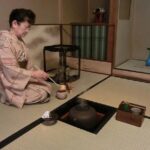
Matcha, made by your own whisk. In 45 minutes at Shokoji Temple, an English host guides you through the tea ceremony and lets you whisk your own bowl of matcha.
I like that it is hands-on and not just watching. I also like how the host connects the motions to meaning, including the Zen side of tea culture.
I love that you actually whisk your own matcha with traditional tools, so you leave with a skill, not just a souvenir. I also love the included tea-and-sweet pairing, plus the fact that you get a photo shoot without having to ask.
One possible drawback: this is a small temple stop, and it can be easy to miss if you are relying on vague directions. So come with your phone ready, scan for the entrance sign, and know how to contact the team if you get stuck.
In This Review
- Key things to know before you whisk your matcha
- Kyoto temple calm, measured in 45 minutes
- What you learn about tea ceremony gestures and Zen meaning
- Whisking your own bowl: tools, timing, and what to watch for
- The tea and Kyoto sweet pairing that makes the tasting stick
- Finding Shokoji Temple near Kyoto Station without losing time
- Price and value: is $32 a good deal for matcha training?
- Who this Zen matcha session is perfect for
- The one thing you should watch for: location and show-up issues
- Should you book? My honest take
- FAQ
- Where do I meet for the experience?
- How long is the matcha experience?
- Is the instructor available in English?
- What is included in the price?
- Is transportation to the meeting point included?
- Can I bring alcohol or party groups?
- Is it wheelchair accessible?
- Is it suitable for children or people with back problems?
Key things to know before you whisk your matcha
- Short and focused (45 minutes): enough time to learn, whisk, and taste without eating your whole afternoon.
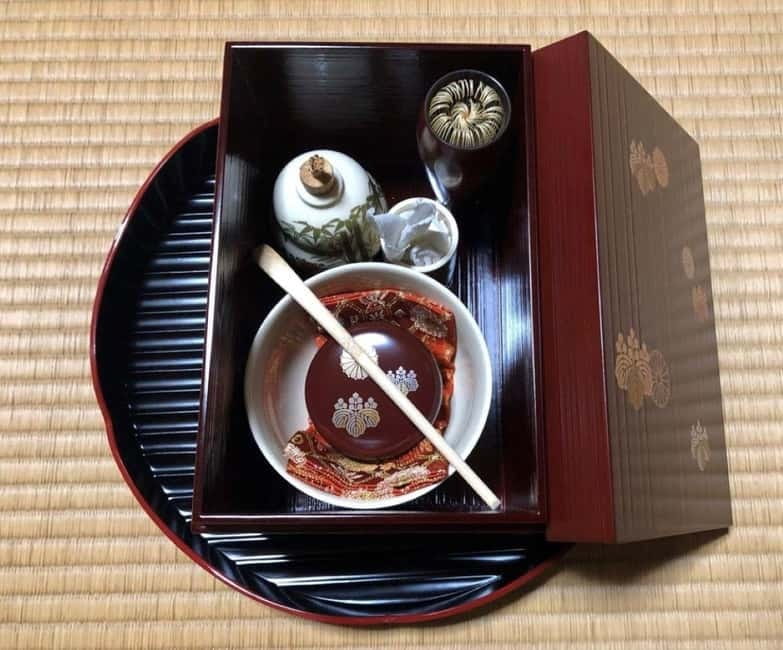
- You do the whisking: traditional tools, step-by-step guidance.
- English-led experience: an English instructor leads the ceremony and answers questions.
- Temple setting at Shokoji Temple: a calm, quieter vibe than typical city tours.
- Tea + a traditional Kyoto sweet included: you taste matcha alongside a Kyoto treat.
- Photo shoot included: you get photos made during the experience.
Kyoto temple calm, measured in 45 minutes
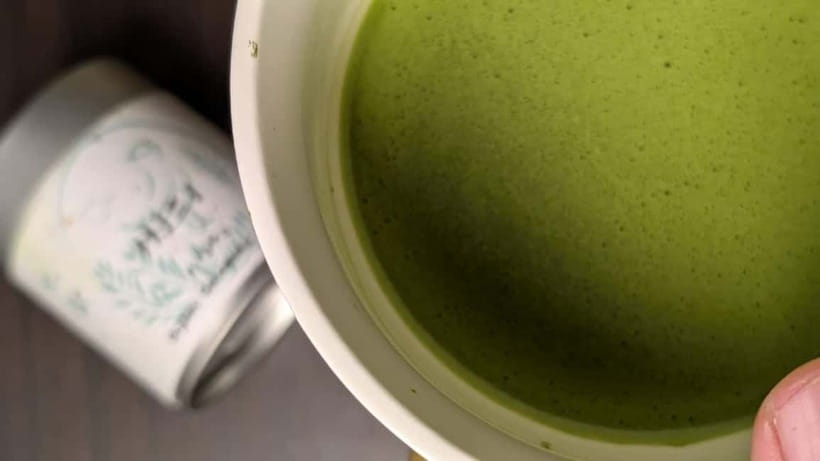
This is the kind of activity that works when you want something genuinely Japanese, but you do not want a half-day commitment. At 45 minutes, you can fit it between sightseeing blocks and still feel like you did more than just take a few pictures.
The setting is also part of the point. You are in a temple atmosphere, so the experience naturally slows down. Even if you are not a tea expert, you still get to participate in a small, deliberate ritual.
One more practical note: because the session is short, come on time and treat it like a class plus a tasting. This is not a long wandering “tea-themed tour.” It is a guided ceremony where you do the main action.
You can also read our reviews of more tours and experiences in Kyoto.
What you learn about tea ceremony gestures and Zen meaning
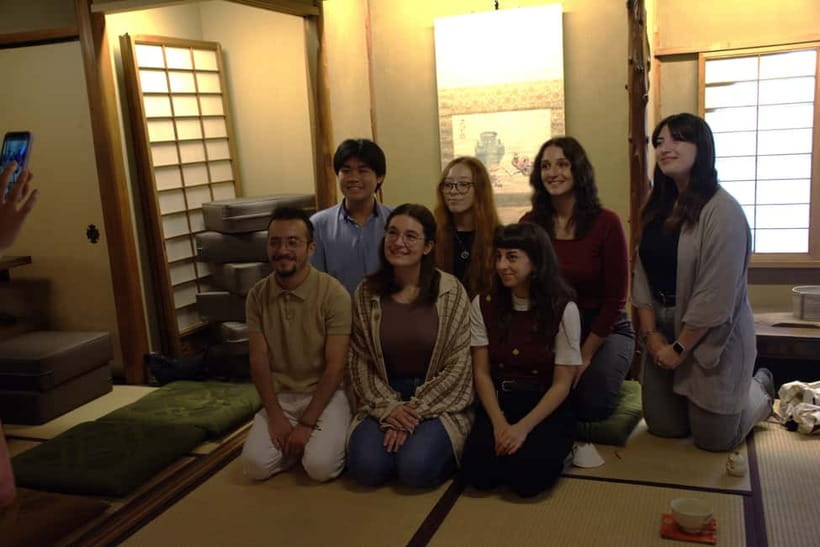
The core of the class is not just matcha as a drink. It is matcha as a practice—connected to the history of the tea ceremony and the cultural meaning behind the gestures.
In plain terms, you are taught how each step fits together: how the ritual is performed, what the movements symbolize, and why matcha has been cherished for centuries in Zen practice. That matters because matcha can feel like a trendy café item if you only taste it. Here, you get context that makes it more than a flavor.
The host also brings the experience down to earth with questions. In one highly rated session, the host was named Sakura, and guests said she was friendly, well informed, and answered lots of questions. That is the difference you want: a guide who can explain what you are seeing while it is happening, not after you have already forgotten the steps.
Whisking your own bowl: tools, timing, and what to watch for
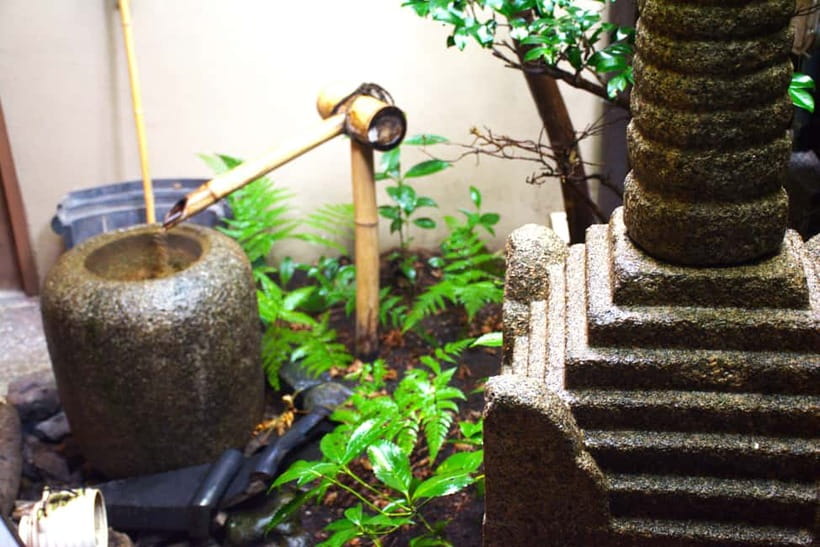
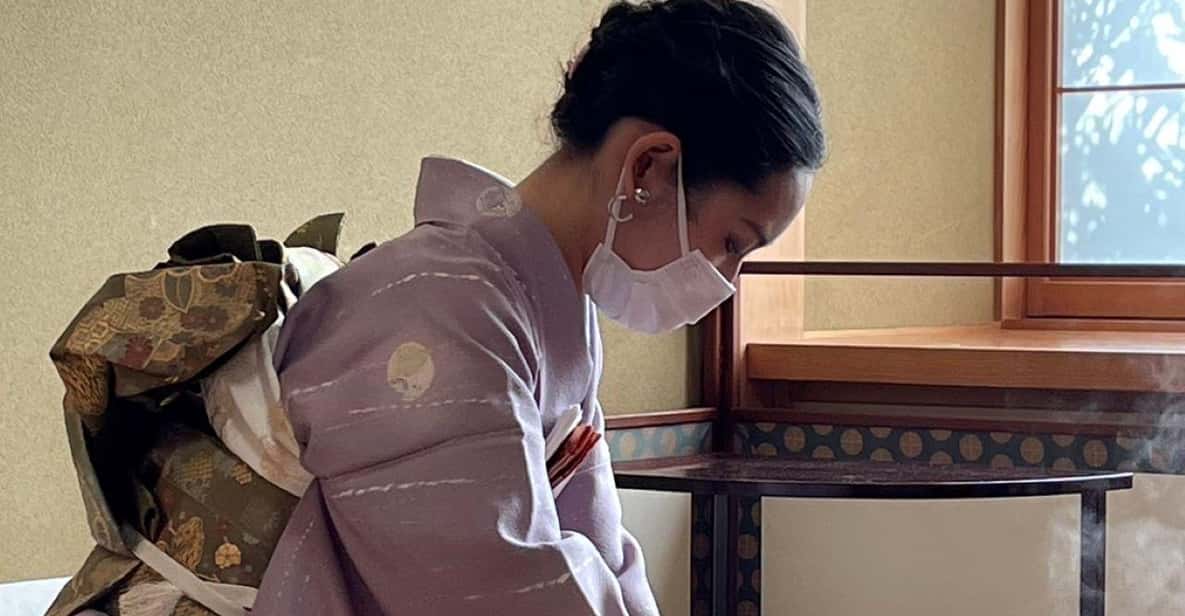
This is hands-on, and that is why it is worth the money. You whisk your own bowl using traditional tea tools, guided by the host as you go.
What I like about this format is that it turns a museum-type experience into a muscle-memory one. Instead of wondering what everyone else is doing, you are the one doing it. You feel the pacing, you learn the rhythm, and you taste the result right away.
Expect the ceremony to move through the setup to the whisking and then into drinking. The class is only 45 minutes, so you will not get a long, multi-course ritual. But that brevity is also the trade-off: you get the essentials without feeling like you signed up for a full day of etiquette training.
Also, the experience is presented in English. That sounds basic, but it is key. You do not want to be stuck guessing at meaning while everyone else is following a script.
The tea and Kyoto sweet pairing that makes the tasting stick
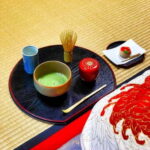
The ceremony is centered on matcha, but you do not drink it alone. The experience includes tea and a traditional Kyoto sweet, which is a smart pairing for two reasons.
First, matcha has a particular texture and flavor profile. Adding a sweet bite gives you an instant comparison moment: you taste matcha, then you taste how the sweet changes the experience, and suddenly the drink makes more sense.
Second, the sweet makes the ceremony feel complete. One guest specifically mentioned mochi in their notes, which fits the idea of a classic Kyoto-style treat served alongside matcha.
So if you are thinking matcha is only for Instagram sips, this included sweet helps you remember it as a real ritual with real components.
Finding Shokoji Temple near Kyoto Station without losing time
You start near Kyoto Station, and the walk is short enough that you can do it on foot if you are using a map. From Kyoto Station, take the north central exit, head straight north, then walk along Karasuma Street for about 10 minutes. Shokoji Temple should be on your right-hand side, just past several intersections.
Here’s the tricky part: it is described as small but distinctive, so you have to pay attention to the entrance area. One guest had trouble finding the tea ceremony and said there was nowhere obvious to look for the place. Another noted that it took help with the location.
If you want an easy plan:
- Use your phone navigation, but also watch for the sign at the entrance.
- Keep the contact details handy in case you need help quickly.
If you run into trouble, the provided contact info is 080-5259-3796. Having that number ready will calm your nerves fast.
A local-landmark tip also popped up in feedback: one guest said they found a Grapevine Cafe near Ichinen-Zaka Street and Ninen-Zaka Path, noted the vines at the top of the café, and said you may need to knock to enter. Even if you are not meeting at that exact spot, it is a useful example of how people orient themselves when the ceremony entrance is not super obvious. The safest approach is still to follow the Shokoji Temple direction and look for the entrance sign.
Price and value: is $32 a good deal for matcha training?
At $32 per person for 45 minutes, you are paying for three things: guided instruction, included tasting, and an experience you cannot easily replicate without being there.
Here is the value math that matters:
- You get tea and a traditional Kyoto sweet included. You are not paying extra for the tasting.
- You get a photo shoot included, meaning someone will handle the photos during the ceremony.
- You get an English instructor who explains history and meaning, so it is not just hands-on for hands-on’s sake.
Transportation costs are not included, which is normal for experiences like this. Your real cost is how you get to the meeting point plus the $32. If you are already in central Kyoto (or walking distance from Kyoto Station), it is easier to justify.
The other value point is emotional. A guided ritual makes you feel like you stepped into daily culture for a short time. That is hard to get when you are only buying matcha at a café.
Just be honest about the trade-off: it is brief. If you want a longer ceremony, more courses, or more formal structure, this will feel like a taste, not the full event.
Who this Zen matcha session is perfect for
This experience is a solid match for travelers who want something calm, cultural, and participatory. If you like hands-on learning, you will probably enjoy the whisking more than you expect.
It also works especially well if:
- You are a first-timer who wants the meaning behind the motions.
- You love small, quiet cultural activities rather than big-group tours.
- You want an experience you can explain afterward because you learned what each gesture is doing.
A few important limits are spelled out:
- No children under 10.
- Not suitable for people with back problems.
- No alcohol and drugs, and no party groups.
Also, the experience is wheelchair accessible, which is great if you want a temple-based cultural activity and still need accessibility support.
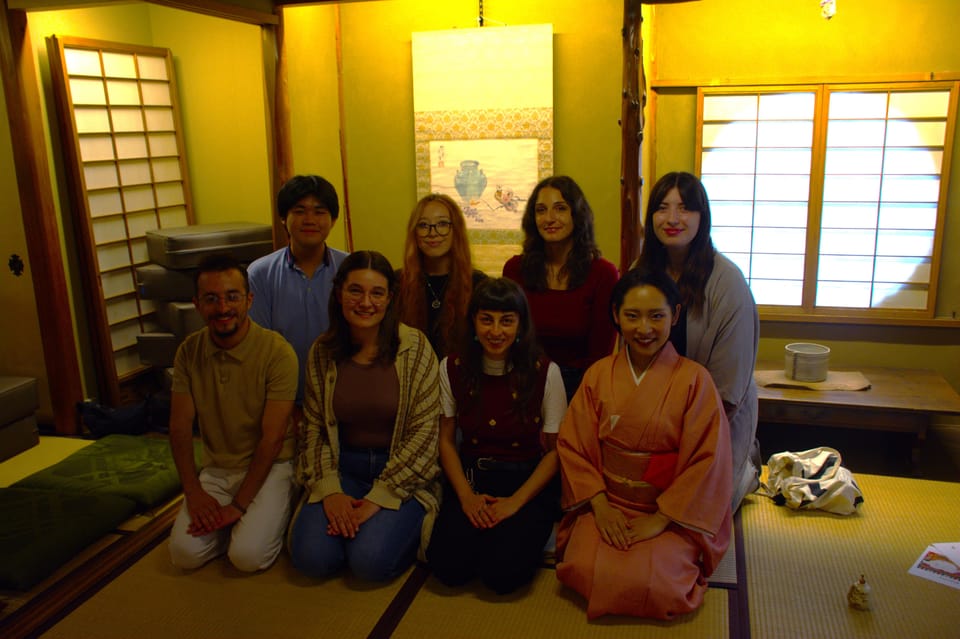
Finally, group size can vary by booking. One highly rated note described the ceremony as very private because it was not done as a group, just for them. That suggests some sessions may feel more intimate. Even if it is not always private, it is still set up like an instructor-led ceremony, not a crowded production.
The one thing you should watch for: location and show-up issues
Most of the feedback points to the ceremony itself being friendly, well run, and memorable. But the practical reality is that this kind of short, location-based experience depends on the host and a specific meeting place.
One booking reported a guide never showed up because the host was out of the country and the service was no longer offered. Another said they could not find the tea ceremony and that there was no sign. Those are not the most common outcomes, but they are real enough to plan for.
So here is my practical advice:
- Double-check your start time and bring your confirmation info.
- Arrive a few minutes early so you have time to find the entrance.
- If anything feels off, contact the team using the phone number provided.
This turns a potential stress point into a quick fix.
Should you book? My honest take
Book this if you want a short, guided matcha experience in a temple setting where you whisk your own bowl, learn what the gestures mean, and get tea plus a traditional Kyoto sweet. At $32, it is good value when you factor in instruction in English, included tasting, and the photo shoot.
Skip it if any of these are you:
- You need a very obvious meeting location with big signage.
- You want a longer ceremony with more formal pacing.
- You are traveling with kids under 10, or you have back limitations that make the session uncomfortable.
- You expect a café-style matcha tasting with no ritual structure.
If you are flexible and willing to follow directions to a smaller temple entrance, this is the kind of activity that makes Kyoto feel lived-in for a brief moment.
FAQ
Where do I meet for the experience?
From Kyoto Station, take the north central exit and walk straight north along Karasuma Street for about 10 minutes. Shokoji Temple is on your right-hand side just past several intersections.
How long is the matcha experience?
It lasts 45 minutes.
Is the instructor available in English?
Yes, the instructor speaks English.
What is included in the price?
The experience includes tea, a traditional Kyoto sweet, and a photo shoot.
Is transportation to the meeting point included?
No. Transportation costs to the location are not included.
Can I bring alcohol or party groups?
No. Alcohol and drugs are not allowed, and party groups are not allowed.
Is it wheelchair accessible?
Yes, it is wheelchair accessible.
Is it suitable for children or people with back problems?
It is not suitable for children under 10, and it is not suitable for people with back problems.