REVIEW · KYOTO PREFECTURE
Amanohashidate Sand bar & culture e-bike tour
Book on Viator →Operated by Umino Kyoto E-Bikes · Bookable on Viator
Amanohashidate by e-bike feels like a shortcut to heaven. You get to cross the famous 3km sandbar that people have revered for ages, then keep moving through beaches, shrines, and quiet roads where the pace feels more local than tour-bus. I also loved how the e-bike ride stays comfortable for beginners or people who do not want a heavy workout, while the guide keeps the day flowing with practical route choices.
One possible catch: Amanohashidate View Land charges an entrance fee separately, and the whole experience depends on good weather, so rain or poor conditions can change plans.
In This Review
- Key highlights to look for
- Amanohashidate looks better when you’re moving
- E-bike setup: easy riding that still feels like you’re in control
- Stop 1: Amanohashidate Shrine to set the tone fast
- Chion-ji Temple: a quick pause with a classic Kyoto feel
- Crossing the sandbar: the main event and the best reason to book
- Amanohashidate View Land: the extra climb and what you get for it
- Manai Shrine: bamboo, sacred water, and a long story
- Motoise Konojinja Shrine: thatched roof charm and turtles
- Beyond the big sights: rice fields, beaches, and local stories
- Price and value: where your money actually goes
- Who should book this e-bike tour
- Should you book Amanohashidate Sandbar & culture e-bike tour?
- FAQ
- How long is the Amanohashidate Sand bar & culture e-bike tour?
- What parts of the tour include admission fees?
- Can I ride if I am not very physically fit?
- Is the sandbar accessible by e-bike?
- Is this a group tour or a private tour?
- Where is the tour located?
- What if the weather is bad?
- How does ticketing work?
Key highlights to look for
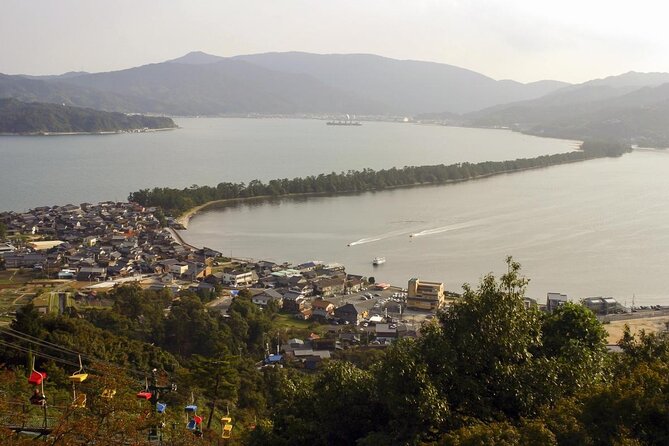
- Amanohashidate sandbar crossing by bicycle: only pedestrians and bicycles can pass, so you experience it from the road level
- Shrines and temple stops with simple timing: quick hits like 5–10 minute visits keep energy for the ride
- Views from Amanohashidate View Land: the climb/viewpoint is optional, with an extra entry cost
- Local culture picks: you visit spots that most tourists do not linger at, including stories tied to very old shrine history
- Guide flexibility on hot days: one of the strongest parts is how the route can get adjusted for heat
- A private group feel: only your group participates, which usually means less waiting and more time moving
Amanohashidate looks better when you’re moving
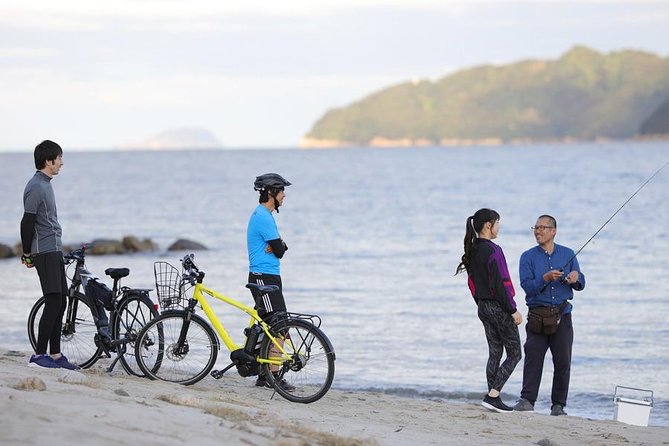
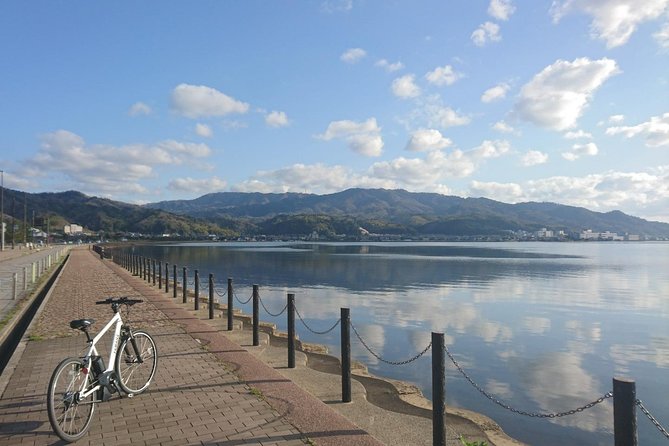
Amanohashidate is one of those places where the landmark is famous, but the experience can still feel fresh. Crossing it on an e-bike changes the whole vibe. Instead of standing still and squinting for the perfect angle, you glide along at human speed—close enough to notice the sandbar texture, sea air, and small shrine details without turning it into a race for photos.
I like that the day is built around movement, not just checkboxes. You cycle through rice fields and historic roads, then land at shrine and temple stops that connect the coastline with local tradition. Even if you think you know the postcard version of Amanohashidate, the ride gives you layers: water, greenery, architecture, and the quiet rhythm of religious sites.
And yes, the “bridge to the heavens” idea is not just marketing language. The way the sandbar rises into the bay makes the geography feel symbolic. One minute you are on ordinary ground; the next, you are traveling across a narrow strip that feels like it belongs to a story older than modern tourism.
You can also read our reviews of more cycling tours in Kyoto Prefecture

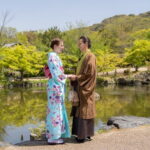
E-bike setup: easy riding that still feels like you’re in control
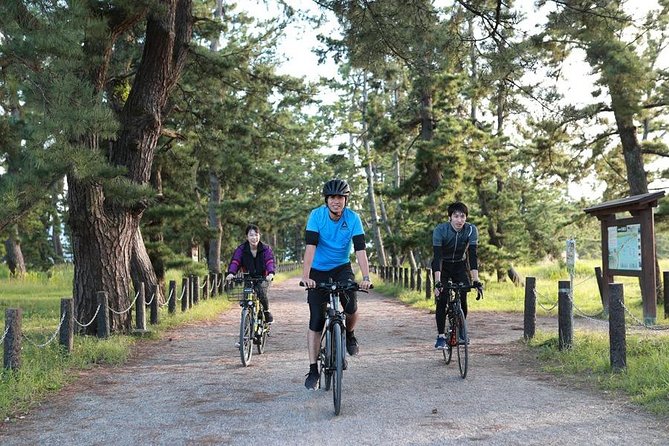
This tour uses the latest electric bicycles, and that matters. E-bikes can range from clunky to smooth, and here the goal is clear: make the ride enjoyable for people who are not especially fit. The ride style is active—cycling across the sandbar and through scenic roads—but the assist helps you keep a comfortable pace.
Here’s what I’d take away for your planning: you do not need to arrive as a cyclist. You do need normal travel sense—wear weather-appropriate clothing, keep an eye on your footing near the sandbar, and treat the bike like part of the scenery (not a thing to muscle through).
You also get a group-based flow. The stops are short, so you are not stuck off the bike for long stretches. That helps with both comfort and time.
Stop 1: Amanohashidate Shrine to set the tone fast
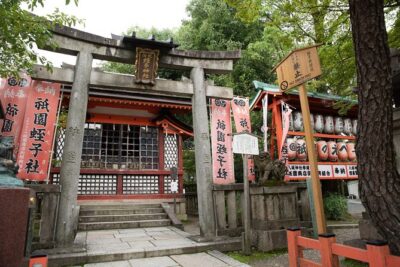
You start with Amanohashidate Shrine, a short stop that works like a spiritual opening scene. The ticket time is brief, and the admission is free. That matters because you do not waste your energy early in the day.
A shrine stop at the beginning is a smart move on any tour. It gives you context before you start moving across the sandbar. Even if you only catch a few meaningful details, you are primed to see the coastline not just as a view, but as a sacred geography.
Practical tip: take a minute to slow down when you arrive. Shrines have a way of rewarding calm attention. If you treat it like a quick photo stop, you miss the quiet atmosphere that makes Amanohashidate feel different.
Chion-ji Temple: a quick pause with a classic Kyoto feel
Next is Chion-ji Temple, again a brief stop with admission free. The timing is short, so it functions as a breathing break between scenic riding segments.
What I like about including at least one temple stop is balance. Shrines tend to feel crisp and coastal; temples often feel more grounded and architectural. Together, they help you understand why Kyoto’s region is packed with places of worship. They are not random stops; they form a network of stories, seasons, and community traditions.
Even if you only spend five minutes here, you can still notice the shift in atmosphere.
Crossing the sandbar: the main event and the best reason to book
Then comes the headline: crossing Amanohashidate sandbar by e-bike. This is the part that makes the tour worth it.
A couple things make it special:
- It’s not open season for everyone. The sandbar is passable only by pedestrians and bicycles, so being on a bicycle keeps you inside the local rule.
- It is a 3km stretch that feels long when you are actually on it. Standing on land gives you distance; riding across gives you presence.
During the crossing, you can see why this place became one of Japan’s Three Most Scenic Spots. You get the scale of the bay and the way the sandbar threads between land and sea. It is not just pretty—it’s also useful. You start to understand the shape from multiple angles as you move.
Also: remember this is sand and shoreline. Keep your attention on your route. If you have been in a hurry all day, this is where you slow down without trying.

Amanohashidate View Land: the extra climb and what you get for it
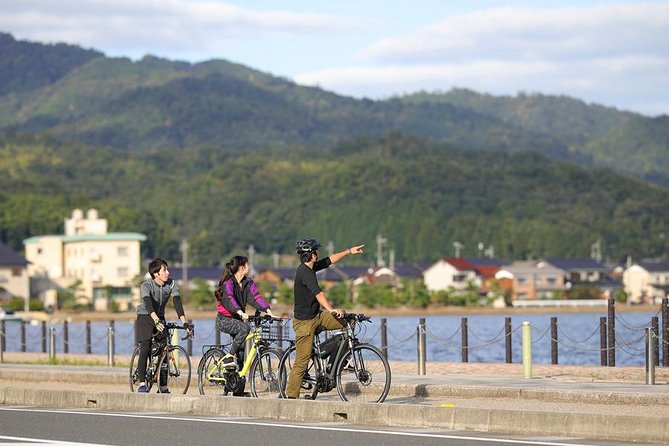
After the main sandbar segment, the tour gives you a choice-style viewpoint option: Amanohashidate View Land. This stop is about 20 minutes, and the entrance fee is not included.
I appreciate optional viewpoints when they come with real pay-off. A climb can be tiring if you are traveling in heat, but getting above the sandbar is the kind of visual that makes the ride click. From higher ground, you see the sandbar like a ribbon instead of a path you traveled.
If you have visited before, you can skip it—so the tour is flexible in that way. If you have not, I’d consider doing it, even if you are not chasing heights. It’s one of those “now I get it” moments.
Manai Shrine: bamboo, sacred water, and a long story
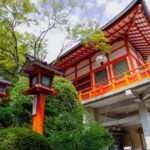
Next is Manai Shrine. You spend around 10 minutes here, with admission free. This one is described as a sacred place in Shinto, connected to the idea of gods descending from heaven. You can see holy water, bamboo forests, and the gods’ boats.
I like stops like this because they give you details that are easy to remember later. Holy water and bamboo are not generic scenery—they help you anchor the myth in something physical. The shrine setting also changes the soundscape. After open sea air, you get a more sheltered atmosphere.
If you want the tour to feel meaningful (not just scenic), this is the kind of location that does it.
Motoise Konojinja Shrine: thatched roof charm and turtles
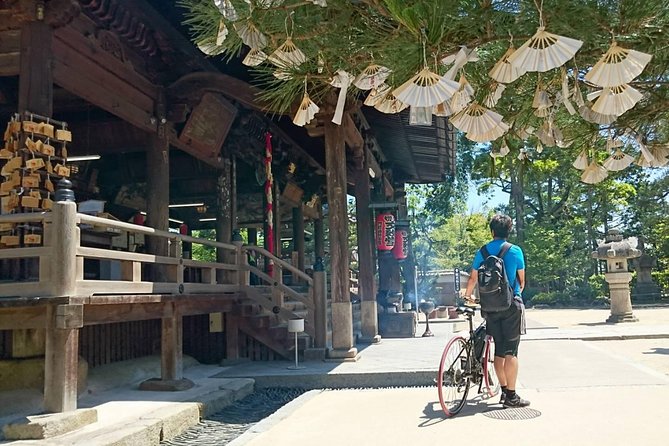
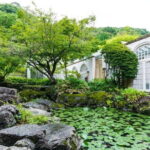
Then you visit Motoise Konojinja Shrine, also about 10 minutes and free. Like Manai, it is tied to Shinto tradition and the idea of gods descending from heaven. Here you notice a thatched roof shrine and turtles.
Turtles are an instant attention-getter. You can use that detail as a way to slow down and watch instead of just moving on. The thatched-roof look also adds texture; it feels less “historic display” and more like a living style of architecture.
If you are the type who likes small, specific details, this shrine will reward you.
Beyond the big sights: rice fields, beaches, and local stories
What really lifts this tour above a basic sight list is how it weaves practical local scenery with cultural learning.
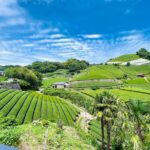
You cycle through rice fields and historic roads, which helps you understand the region outside the sandbar viewpoint. Then you also get additional culture picks recommended by local guides—places most tourists do not naturally find time for.
From the tour description, two examples matter:
- A shrine visit said to trace back over 2,000 years
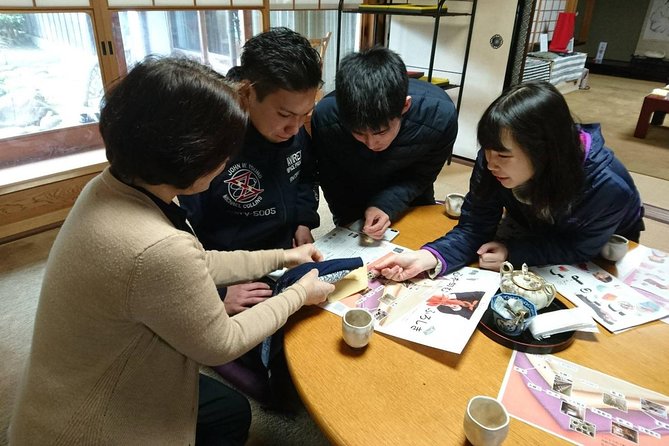
- A look at the mansion of a samurai merchant, tied to a story about how wealth could come from managing time and energy
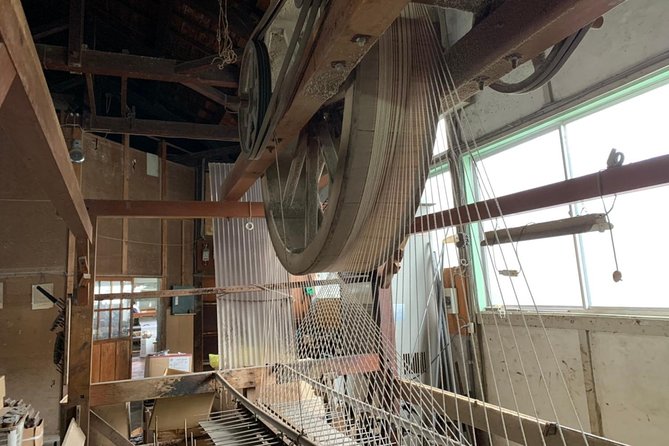
I also took note of cultural variety mentioned in the ride experience—one group highlighted a silk factory alongside shrine and beach time. Even if that part is short, it signals that the tour is trying to show more than scenery. It wants to connect you to local life.
And about beaches: the route includes beach areas, so if you like to end a tour with a swim or a quick dip, pack your bathers. At minimum, you’ll get salt-air and that post-ride beach mood that feels very “coastal Japan.”
Price and value: where your money actually goes
At $97.73 per person for about 2 hours 30 minutes, this is not a budget hack, but it can be good value if you want the right mix of guidance + movement + multiple stops.
Here’s why it tends to work:
- You get an e-bike, and the ride is the core experience.
- Most stops are free for admission (the shrine, temple, and the two additional shrines).
- You are not spending your energy figuring out routes between distant points. The day is structured so you spend time cycling and learning, not navigating.
The separate fee for Amanohashidate View Land is the main cost that can surprise people. If you plan to go up there, add that extra amount to your mental budget.
I also like that the tour is a private activity for your group. Less waiting and fewer awkward group dynamics usually makes a short tour feel smoother. The tour is also a mobile-ticket setup, which helps you avoid paper and last-minute searching.
One more practical note: it’s booked fairly ahead of time (on average about 52 days). That suggests demand is steady, especially in nicer weather. If your dates are fixed, booking early is a smart move.
Who should book this e-bike tour
I’d recommend this tour if you want:
- The iconic Amanohashidate sandbar experience without turning it into a long walking marathon
- Shrines and temple stops that are quick enough to keep the day moving
- An e-bike ride that works even if you are not feeling athletic
- A guide-led route that can adjust if it gets hot
It’s also a strong choice for couples, small friend groups, and families that want structure but do not want rigid pacing. If you prefer to wander alone with zero schedule, you might feel constrained. But if you like the idea of getting guided context and then having scenery do the talking, this fits well.
If you already visited Amanohashidate before and you mainly care about viewpoint photos, you can still get value from the sandbar crossing and the shrine/temple pairings. The viewpoint stop can be skipped if you want.
Should you book Amanohashidate Sandbar & culture e-bike tour?
Yes—if you want the sandbar experience in a way that feels hands-on, not just observational. The standout reasons are the e-bike sandbar crossing and the way the day strings together shrines, temple time, and local stories without dragging.
Book it if you:
- Enjoy moving through scenic places (even at an easy pace)
- Want cultural context at shrines rather than only views
- Appreciate a guide who can adapt when weather or heat changes the feel of the day
Skip or rethink it if:
- You already have your own plan to cover Amanohashidate by foot and you do not care about e-bike mobility
- You dislike extra costs like the separate View Land entrance fee
- You are traveling when you cannot be flexible with weather changes
If your ideal day is part cycling, part quiet shrine atmosphere, and part coastal views, this tour is a solid match.
FAQ
How long is the Amanohashidate Sand bar & culture e-bike tour?
It runs for about 2 hours 30 minutes.
What parts of the tour include admission fees?
Amanohashidate Shrine, Chion-ji Temple, Manai Shrine, and Motoise Konojinja Shrine list admission tickets as free. Amanohashidate View Land charges an entrance fee separately.
Can I ride if I am not very physically fit?
Yes. The tour uses the latest e-bikes, and most travelers can participate.
Is the sandbar accessible by e-bike?
Yes. The sandbar section is for pedestrians and bicycles, and the tour cycles across it on the e-bike.
Is this a group tour or a private tour?
It is a private tour/activity, so only your group participates.
Where is the tour located?
It is in Kyoto Prefecture, Japan.
What if the weather is bad?
The experience requires good weather. If it is canceled due to poor weather, you’ll be offered a different date or a full refund.
How does ticketing work?
You receive a mobile ticket.