REVIEW · KYOTO PREFECTURE
Kyo-arashi Shibori Scarf Class at Kyoto Shibori Museum
Book on GetYourGuide →Operated by KYOTO SHIBORI MUSEUM · Bookable on GetYourGuide
A scarf you make yourself in Kyoto. This one-hour Kyo-arashi Shibori class at the Kyoto Shibori Museum is a hands-on break from sightseeing, where you create a resist-dyed scarf using a tube-and-string technique. I love the calm, step-by-step instruction, and I also love that you can wander the museum galleries while your scarf dries.
The only drawback is time: the session is short. You’ll focus on making one scarf, not a full dye-master course.
In This Review
- Key highlights at a glance
- Kyo-arashi Shibori: What you’re really learning
- Museum location near Nijo Castle and planning your timing
- Inside the one-hour class: tube, string, and your patterned scarf
- While your scarf dries: explore samples, tools, and upstairs displays
- Price and value: $49 for instruction plus waived museum entry
- The museum shop: what to look for after your class
- Who should book this Kyo-arashi scarf class
- Should you book it or skip it
- FAQ
- How long is the Kyo-arashi shibori scarf class?
- Where is the Kyoto Shibori Museum located?
- What is the price per person?
- How many people are in the class?
- What shibori technique do you learn in this class?
- Are instructions available in English?
- Does the workshop include museum admission?
- Can I explore the museum during the class?
- Is the class refundable if I change plans?
- Is there an option to reserve now and pay later?
Key highlights at a glance

- Tube-and-string resist dyeing: learn the core technique that creates the pattern.
- Hands-on scarf making (about 30–60 minutes): enough time to feel like you actually made something.
- Museum time while it dries: check displays and samples during the waiting period.
- Small group size (max 8): easier Q&A, smoother pacing.
- Museum admission included: workshop includes free entry that’s normally 1,000 yen.
- Buy something on theme: the shop is stocked with original items, fabrics, and souvenirs.
Kyo-arashi Shibori: What you’re really learning
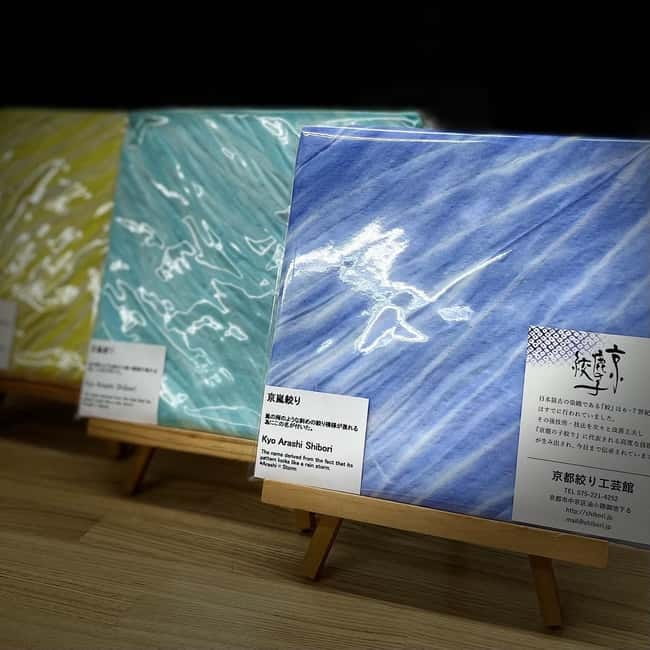
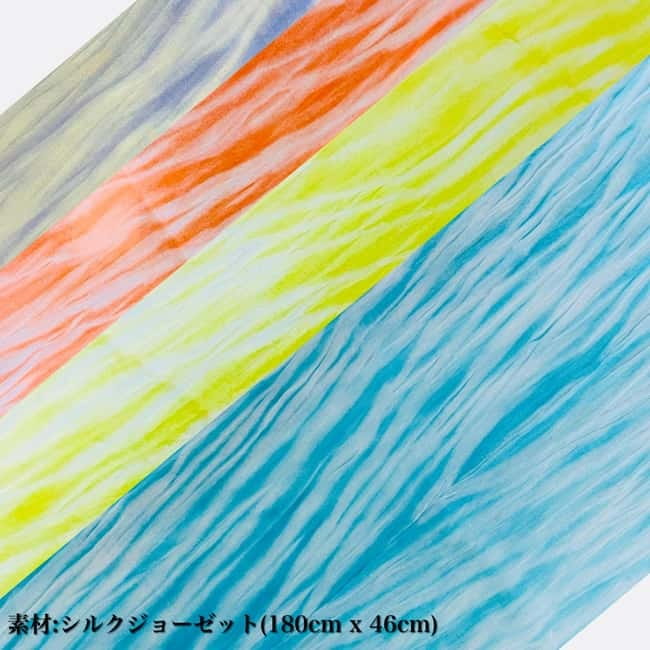
This class is built around Kyoto Shibori Museum’s original style of shibori. The big concept is resist dyeing: instead of letting dye hit the whole fabric evenly, you use a tube and string method to control where dye can reach. That’s how the patterned look appears.
In practice, you’re not just watching a demo. You’re guided through making your own scarf with the museum’s technique so the results feel personal. Even if you’ve never touched textile craft before, the method is structured so you can follow along without feeling lost.
I also like that the museum treats shibori as a craft with tools, materials, and process—not just pretty end products. The displays show how different pieces fit together in the workflow, which makes your scarf feel less like a souvenir and more like a small, real artifact of the craft.
You can also read our reviews of more museum experiences in Kyoto Prefecture


Museum location near Nijo Castle and planning your timing
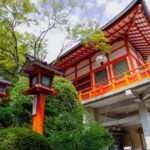
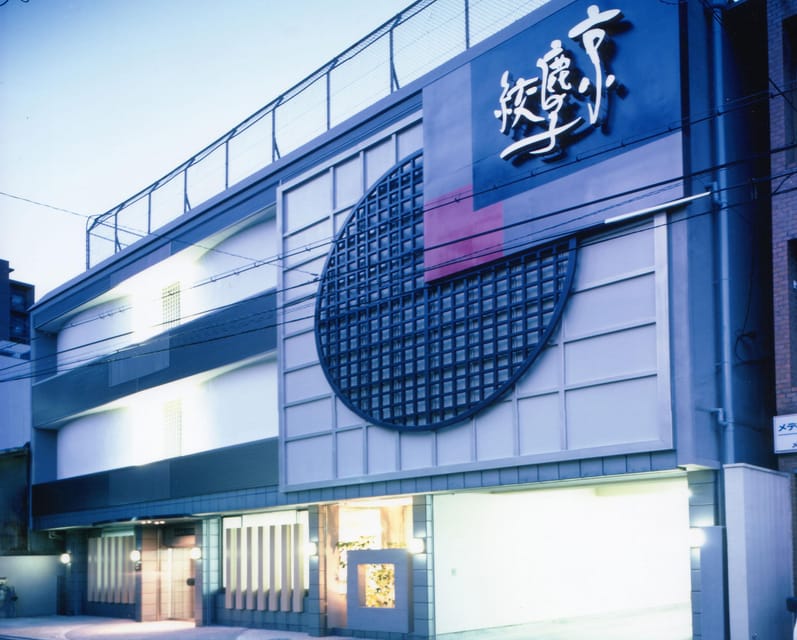
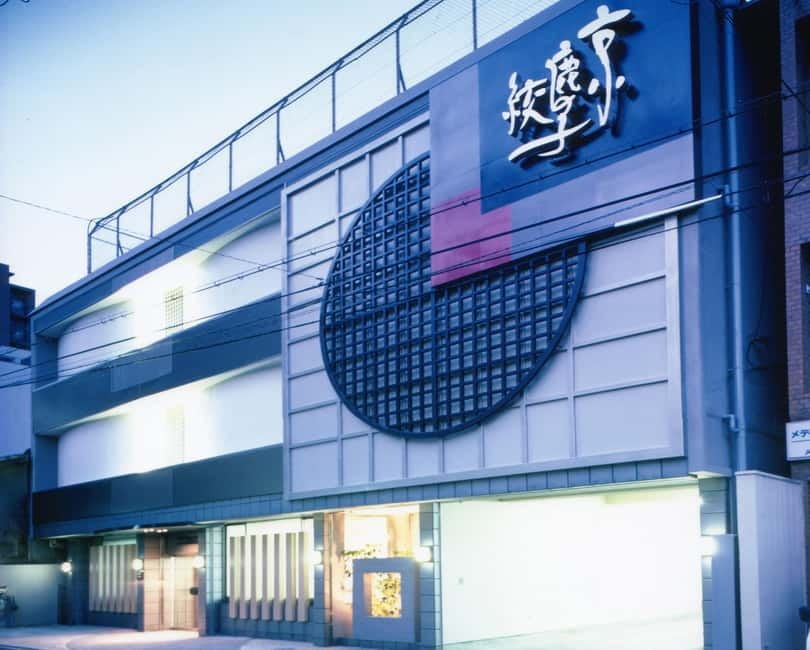
The Kyoto Shibori Museum is a 5-minute walk from Nijo Castle. That’s a huge practical win because it plugs neatly into a day you’re already spending in central Kyoto. If you’re doing Nijo Castle in the morning or early afternoon, the museum class sits well afterward.
Plan for a relaxed pace. The class is 1 hour total, and part of that time is practical waiting—your scarf needs time to dry after the process. Since you’ll use that time to explore the museum, it’s smart to arrive with the mindset that the hour is not only “hands-on,” it’s also “hands-on plus viewing.”
English and Japanese instruction are available. That matters more than it sounds. A small-group workshop works best when you can ask questions in a language you’re comfortable with, and you’re not stuck guessing at instructions.
Inside the one-hour class: tube, string, and your patterned scarf
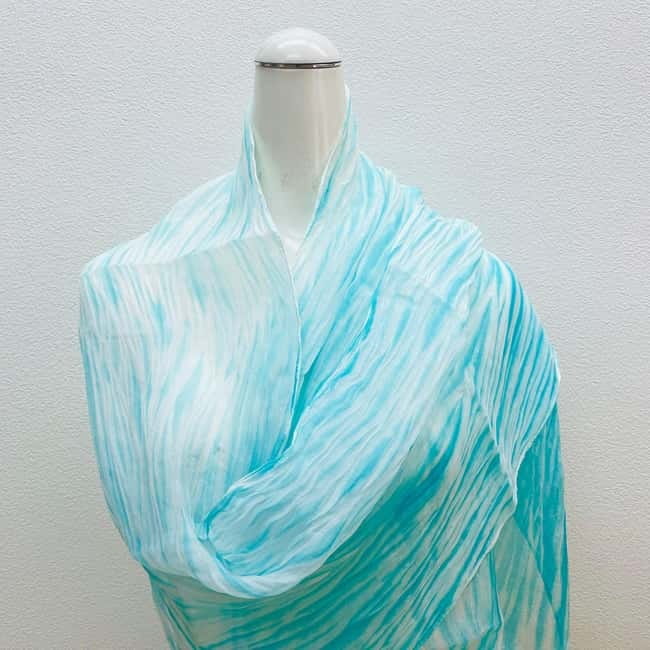
You’ll make your own shibori scarf during the workshop. The class time is described as 30 to 60 minutes for the scarf-making portion, with the full activity listed at 1 hour. That means you’ll get a real attempt at the technique without it dragging on for half a day.
The core steps revolve around preparing the resist pattern using the museum’s tube-and-string approach. The goal is to create a scarf design with clear, intentional patterning. The museum notes that their course is popular because it creates highly designed patterns—and when a technique produces results you can see quickly, it helps you stay engaged instead of feeling like you’re doing something mysterious.
One more detail I found useful from experience shared in feedback: the teaching style is clear and supportive. Staff are friendly, and the process feels easy to follow. There’s also mention of a video about the art of shibori, which is a great way to connect what you’re doing in your hands to what you’re seeing in the museum displays.
Because you’re working with textile materials, I’d treat the class like a craft session: move slowly, keep your attention on instructions, and don’t multitask. The scarf results depend on careful setup, so listening fully at the start pays off.
While your scarf dries: explore samples, tools, and upstairs displays
Here’s the part I especially like about this workshop: you’re not stuck waiting in one spot. As your scarf dries, you can explore the museum’s shibori-related collections and displays.
The museum has lots of art pieces and samples on view. That’s useful because it helps you compare what you’re making with what others have achieved—without needing to be an expert. If you’re someone who learns best by seeing patterns side by side, this timing is great.
The displays also highlight valuable tools used in the shibori process. Seeing tools behind the technique makes a difference. You start to understand that shibori isn’t one trick; it’s a repeatable method using specific equipment and careful handling.
There’s also a mention that part of the experience includes walking through the museum galleries while the scarf is drying, including upstairs viewing. That gives the waiting time structure. You get to look at shibori masterpieces, then return with a clearer idea of what to look for when you check your own scarf later.
If you’re into crafts, this is where the museum earns its keep. Your scarf is the class result, but the exhibits are what turn the result into context.
Price and value: $49 for instruction plus waived museum entry
The workshop price is $49 per person, and it’s a small group limited to 8 participants. That group size is important for value. In a class like this, you want time to ask questions and get help with technique. When the group is small, the instructor can correct or clarify without rushing you.
Here’s a second value boost: workshop participants receive free admission to the Kyoto Shibori Museum, which is normally 1,000 yen. Even if you don’t think in exchange rates, the concept is straightforward: you’re paying for instruction, and your museum entry is already included. If you planned to visit the museum anyway, this is the efficient way to do both.
So where does the money go? Mostly into trained guidance plus hands-on materials and the museum’s shibori expertise. For a one-hour experience that ends with a scarf you made yourself, that’s a reasonable trade—especially if you like craft souvenirs that are more personal than mass-produced items.


The museum shop: what to look for after your class
After the class, you’ll have time to check the museum shop. The shop is known for original items, souvenirs, and fabrics.
I recommend browsing with two goals:
- First, compare what you made with what’s for sale. Seeing different scarf styles helps you understand design choices and pattern variation.
- Second, look at fabrics as well as finished items. Shibori is about fabric interaction, so fabrics tell you more about the craft than products alone.
A lot of craft shops sell pretty objects. This one is tied to the technique, so you can leave with a clearer idea of what shibori looks like across different forms. If you’re buying for gifts, this is a good place to find something that feels specifically connected to Kyoto rather than generic Japan-branded merchandise.
Who should book this Kyo-arashi scarf class
This class fits best if you:
- Want a hands-on workshop that produces a wearable result.
- Like having built-in museum time instead of a rushed photo stop.
- Enjoy learning how a craft works, not only seeing the final pieces.
It’s also a strong option for a couple of friends or a small group, since the workshop is capped at 8. If you’re traveling solo, you’ll still get personal attention, and the structured class time helps you feel comfortable even if your Japanese is limited.
Who might think twice? If you’re hoping for a long, multi-step process with heavy technical depth, the one-hour format may feel brief. This is about making a scarf and understanding the technique enough to appreciate it—not about mastering shibori at a professional level.
Should you book it or skip it
Book the Kyo-arashi Shibori scarf class if you want a Kyoto activity that’s practical, visual, and rooted in a single craft. The included museum admission is a smart value detail, and the small-group size makes it feel more guided than crowded.
Skip it if your priority is ticking off as many sights as possible with minimal time commitment. This class asks for attention and patience during the setup and drying period. If you can handle that, you’ll leave with something you made and a better sense of what shibori is actually doing.
FAQ
How long is the Kyo-arashi shibori scarf class?
The class/activity duration is listed as 1 hour.
Where is the Kyoto Shibori Museum located?
The Kyoto Shibori Museum is about a 5-minute walk from Nijo Castle.
What is the price per person?
The price is $49 per person.
How many people are in the class?
The workshop is a small group limited to 8 participants.
What shibori technique do you learn in this class?
It teaches the Kyoto Shibori Museum’s original style: resist dyeing using a tube and string.
Are instructions available in English?
Yes. The instructor supports English and Japanese.
Does the workshop include museum admission?
Yes. Workshop participants receive free admission to the Kyoto Shibori Museum, which is normally 1,000 yen.
Can I explore the museum during the class?
Yes. You can explore art pieces, samples, and displays while your piece dries, and you’ll also have access to museum viewing during that waiting time.
Is the class refundable if I change plans?
You can cancel up to 24 hours in advance for a full refund.
Is there an option to reserve now and pay later?
Yes. The experience offers reserve now & pay later, with you paying nothing today.