REVIEW · KYOTO PREFECTURE
Shibori Fukusa Course at Kyoto Shibori Museum
Book on GetYourGuide →Operated by KYOTO SHIBORI MUSEUM · Bookable on GetYourGuide
One-hour shibori, done for real. You’ll learn the Kasamaki and Nuishime techniques on silk, then have time to enjoy museum displays while your piece dries. It’s a hands-on way to understand why Japanese shibori is treated like craft, not just a souvenir.
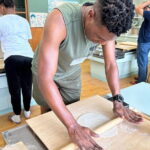
I especially love the pacing. You get to actually do the winding and sewing steps, and the museum gives you something to look at while you wait for drying. Another big plus is the museum-focused setting: tools, samples, and finished shibori works are right there, so the process makes sense fast.
A possible consideration: this is a short, tight class window. If you’re hoping for a super long, slow craft session, a 1-hour experience may feel brief, and drying time means you may not leave with a perfectly “ready-to-go” scarf in hand.
In This Review
- Key things to know before you go
- Kyoto Shibori Museum location: easy to add to your Nijo Castle day
- Inside the class: making a shibori scarf using winding and sewing
- Why the drying time matters (and why you’ll enjoy using it wisely)
- The museum experience: tools, masterpieces, and a shop worth browsing
- What you’re really paying for: value of the 1-hour small-group class
- The human side: a lively class with kind, passionate instruction
- Who should book this shibori scarf workshop (and who might skip it)
- Should you book the Shibori Fukusa course?
- FAQ
- What is the duration of the Shibori Fukusa course?
- What will I make in the workshop?
- Which shibori techniques are taught?
- Do I get to visit the museum during the class?
- Is museum admission included in the price?
- What group size should I expect?
- What languages are available for instruction?
- Can I cancel or pay later?
- Where is the Kyoto Shibori Museum located?
Key things to know before you go
- Kasamaki and Nuishime techniques are taught during your scarf-making process
- You dye a silk fabric with a patterned background using a shibori stand
- Your scarf needs time to dry, so you’ll get museum time while it processes
- The museum shop sells original items, souvenirs, and fabrics
- Class groups are limited to 8, keeping help close and personal
- English and Japanese instruction are available
Kyoto Shibori Museum location: easy to add to your Nijo Castle day
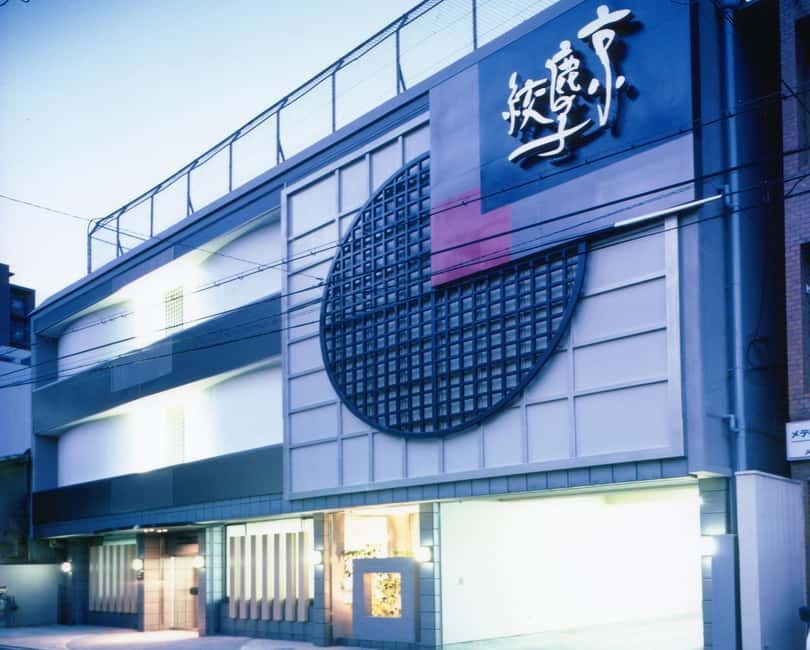
This course takes place at the Kyoto Shibori Museum in Honshu, Japan, and it’s an easy add-on to a Nijo Castle visit. The museum is about a 5-minute walk from Nijo Castle, so you’re not burning time crossing town just to do one workshop.
I like that the museum doesn’t feel like an afterthought. It’s a place devoted specifically to shibori, which means you’re surrounded by the real thing from the moment you arrive. When a craft workshop happens inside a focused museum, the learning sticks better because you can connect your hands-on steps to what you see on the walls.
Also, the museum opened in 2001 and has a clear mission: spreading shibori to the world. That shows in the way the space is set up for understanding, not just shopping.
You can also read our reviews of more museum experiences in Kyoto Prefecture
Inside the class: making a shibori scarf using winding and sewing
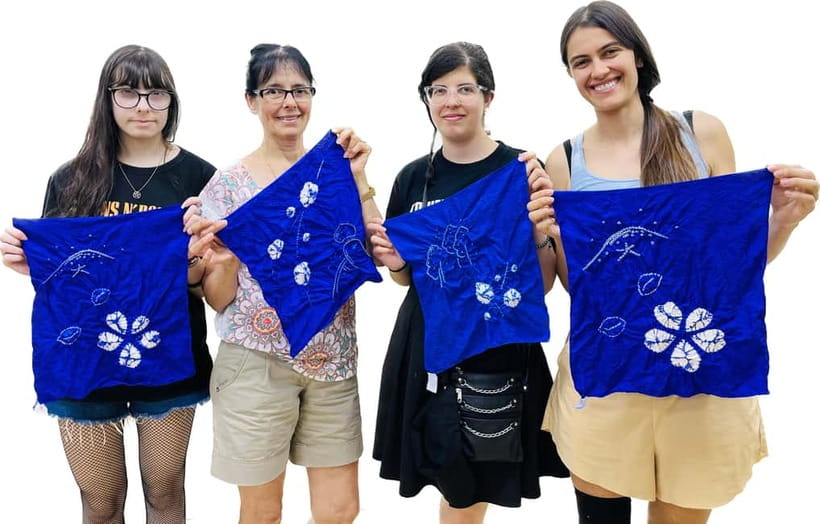
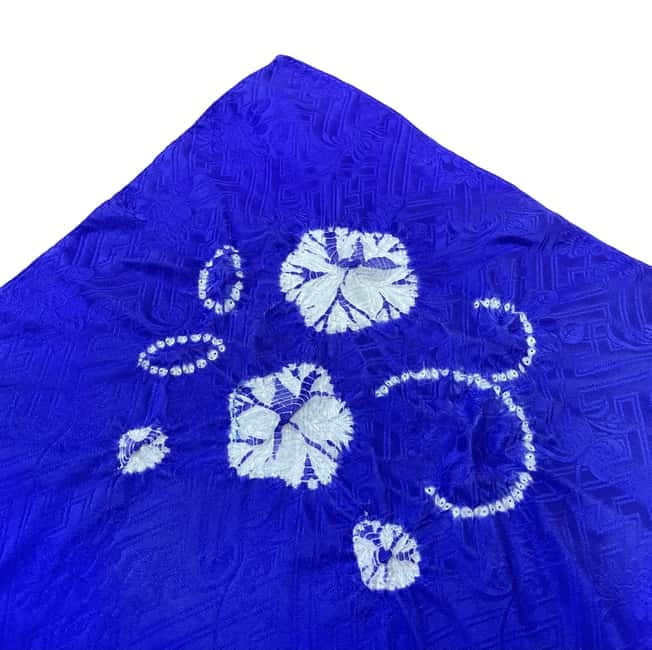
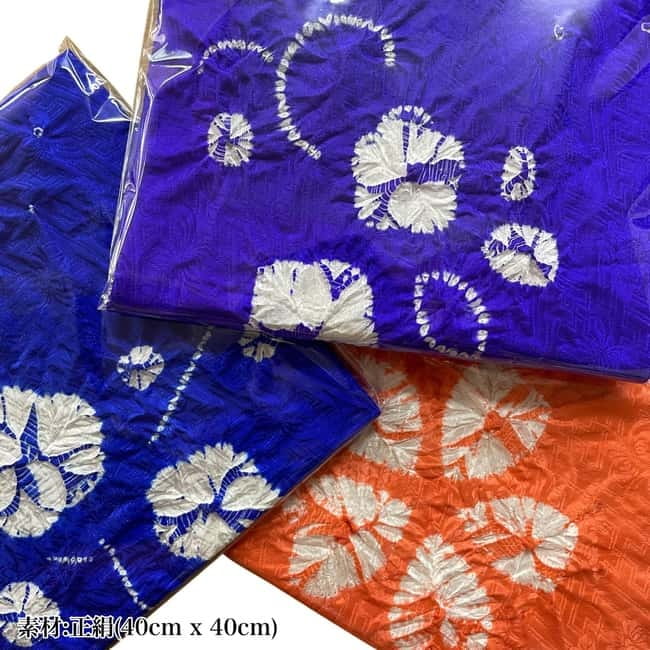
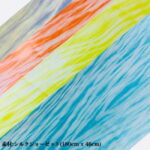
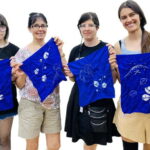
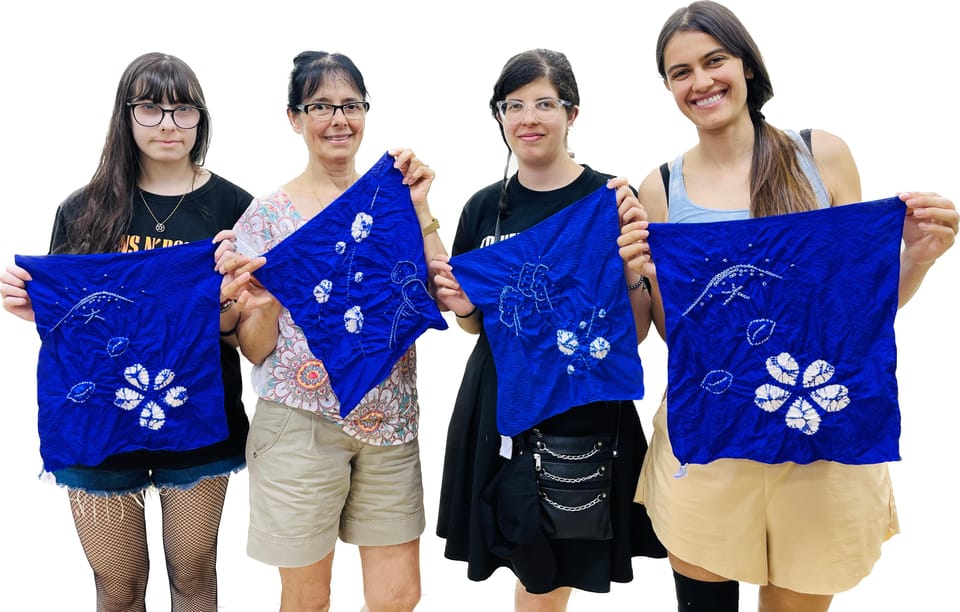
Your end product is a shibori scarf. The class centers on working with a silk fabric that has a beautiful background pattern, then transforming it through resist techniques and dyeing.
The key steps you’ll do are Kasamaki shibori and Nuishime shibori. Kasamaki is the winding technique, and Nuishime is the sewing technique. You’ll use a shibori stand to carry out these methods, which helps you keep the fabric controlled while you apply the resist process.
Think of it this way: resist-dye crafts can feel mysterious until you physically do the “stop” parts. Winding and sewing aren’t just decorative prep. They create the shapes where dye can’t reach, which is exactly what makes shibori look like shibori.
You’ll work for roughly 30 to 60 minutes inside the class time. Since the full duration is listed as 1 hour, you should expect a compact, guided flow rather than an open-ended art project.
Why the drying time matters (and why you’ll enjoy using it wisely)
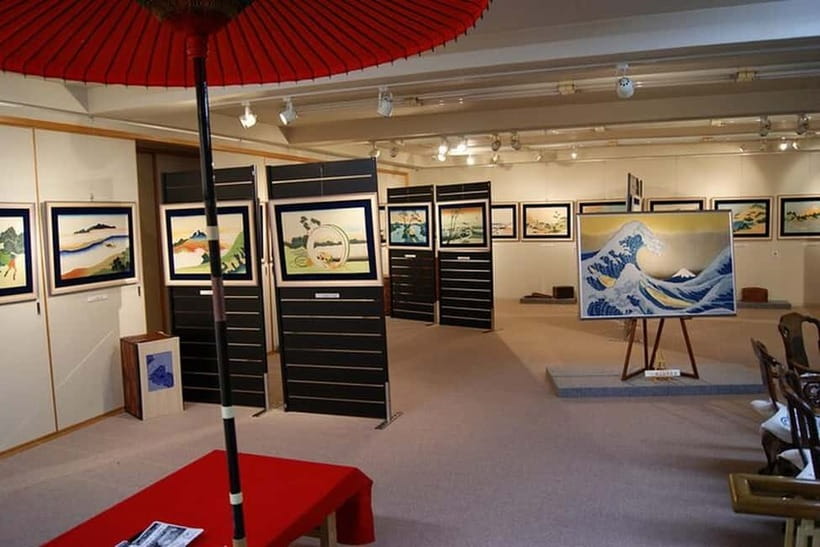
A smart part of this experience is that you’re not forced to sit around. Once your fabric is set through the shibori process, you’ll have time to explore art pieces and samples displayed in the museum while your piece dries.
This is more than waiting. Seeing finished works and sample patterns while your own scarf is processing makes the technique feel logical. You start to notice how differences in winding or stitching can change the final look.
It also makes the class less stressful if you’re new to fiber arts. You can focus on doing your steps well, then use the museum time to build understanding at your own pace.
The museum experience: tools, masterpieces, and a shop worth browsing
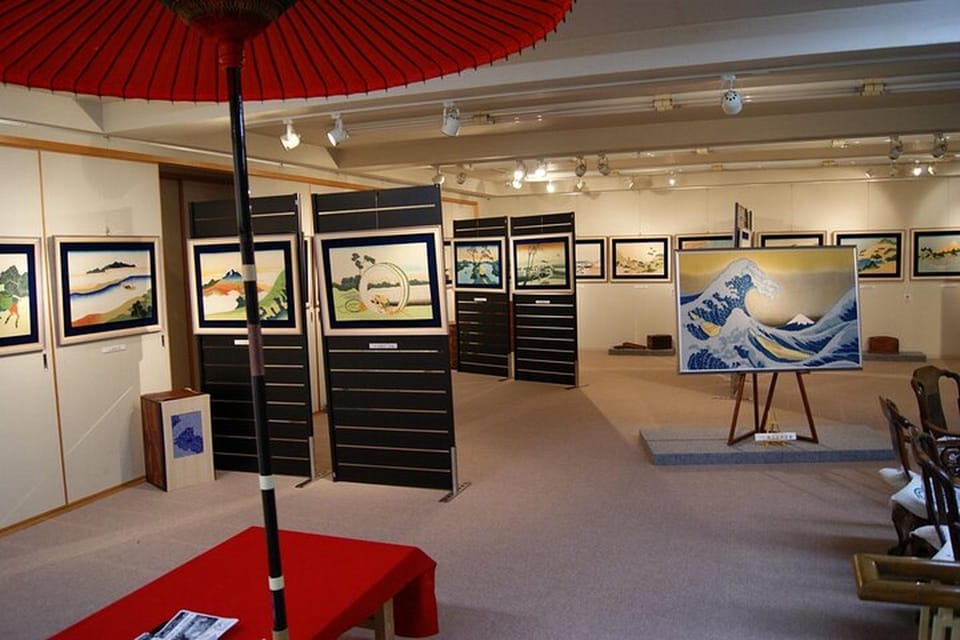
Even if you came mainly for the workshop, the Kyoto Shibori Museum gives you extra value. The museum specializes in shibori, and you can look at masterpieces made using shibori techniques.
You’ll also see valuable tools used in the shibori process. That’s a big deal for first-timers. Tools explain how artisans work with fabric in the real world, not just what the final dyed result looks like.
Then there’s the shop. In the museum shop, you can admire original items, souvenirs, and fabrics. I like that the shopping is connected to what you just learned. After winding and sewing, it’s easier to spot quality differences and understand why certain pieces carry a stronger craft feel.
What you’re really paying for: value of the 1-hour small-group class
The price is listed at $70 per person, and the duration is 1 hour. That sounds straightforward, but the value comes from a couple details.
First, workshop participants receive free admission to the Kyoto Shibori Museum, which is normally 1,000 yen. So you’re not just paying for the class; you’re also getting museum access bundled into the experience.
Second, the group is small, limited to 8 participants. With a hands-on resist-dye technique, smaller groups matter. You’re more likely to get help when something needs adjusting, and you’re less likely to feel rushed by the pace of a large room.
Third, the class focuses on real technique names: Kasamaki and Nuishime. That turns it from a generic dye activity into a skill-building workshop. You leave knowing what you did, not just that something “turned out cool.”

The human side: a lively class with kind, passionate instruction
The best part of this course isn’t only the craft. The learning atmosphere matters, especially when you’re doing winding and sewing steps that may feel unfamiliar at first.
One recent experience highlights that the class was lively, and the instruction felt rooted in a special tradition. The tone was also described as kind and passionate, which is exactly what you want in a workshop where you’re doing something precise.
In plain terms: you’re more likely to enjoy yourself when the instructor and staff keep the mood positive and the guidance clear. And with a small group, that kind of attention is easier to deliver.
Who should book this shibori scarf workshop (and who might skip it)
I think this is a great fit if you want a hands-on Kyoto craft with context. If you like learning processes and you enjoy museums, you’ll probably appreciate the way the class and displays reinforce each other.
It also works well for couples or small groups who want something different from temples and markets. You’ll come home with a personal textile and the satisfaction of having done the technique yourself.
You might consider a different option if you only want a quick photo stop or if you prefer a longer workshop where you can take your time. This one is short, and drying time is part of the experience, not an optional extra.
Should you book the Shibori Fukusa course?
If you’re in Kyoto and you’ll be near Nijo Castle, I’d strongly consider booking. The 5-minute walk connection makes it easy to fit into a day, and the museum setting adds real context beyond a standalone class.
The price feels more reasonable when you remember the museum admission is normally 1,000 yen, and the class includes a small-group format plus a guided scarf-making process using recognized shibori techniques. If you’re the type who likes seeing how craft turns into art, this course gives you exactly that link.
FAQ
What is the duration of the Shibori Fukusa course?
The experience lasts 1 hour total. The hands-on class portion is listed as about 30 to 60 minutes.
What will I make in the workshop?
You’ll make a shibori scarf using resist-dye techniques on a silk fabric.
Which shibori techniques are taught?
You’ll use Kasamaki shibori (winding) and Nuishime shibori (sewing) during the process.
Do I get to visit the museum during the class?
Yes. Your scarf will need time to dry, and you can explore art pieces and samples displayed in the museum while it dries.
Is museum admission included in the price?
Yes. Workshop participants receive free admission to the Kyoto Shibori Museum, normally 1,000 yen.
What group size should I expect?
It’s a small group limited to 8 participants.
What languages are available for instruction?
The instructor supports English and Japanese.
Can I cancel or pay later?
You can cancel up to 24 hours in advance for a full refund. You can also reserve now and pay later.
Where is the Kyoto Shibori Museum located?
The museum is about a 5-minute walk from Nijo Castle.