REVIEW · KYOTO PREFECTURE
Kyoto Satoyama Cycling with Lunch and English Guide
Book on Viator →Operated by Kyoto Satoyama cycling tour · Bookable on Viator
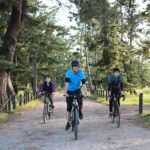
A quiet road, then shrines and noodles. This Kyoto Satoyama cycling tour takes you into Sonobe with an English-speaking local guide, plus real rural stops and a meal you help make. I love the mix of motion and culture, not just riding for photos.
I also like the flexibility: choose Course A for hands-on soba-making, or Course B for a traditional-house meal with local produce. The route is paced, with short rides between points, so the day feels doable even if you are not a hardcore cyclist.
One thing to consider: it runs on a good-weather basis. If rain or rough conditions roll in, your plan can shift or you may be offered another date.
In This Review
- Key highlights you’ll actually care about
- Kyoto to Sonobe in one easy hop
- How the day flows: short rides, timed culture stops
- Stop 1: Ikimi Tenmangu Shrine and exam prayers
- Stop 2: Sonobe Castle ruins, now a school gate
- Stop 3: a closed elementary school where you make soba
- Stop 4: Make Shrine and the Tanba agriculture connection
- Optional add-ons: kimono photo, koto, spring water, and Mt. Komugi
- The English guide matters more than you think
- Price and value: $78.83 that includes the hard parts
- Who should book, and who should think twice
- Should you book Kyoto Satoyama Cycling with Lunch and English Guide?
- FAQ
- What time does the Kyoto Satoyama cycling tour start?
- How long is the tour?
- Where is the meeting point?
- Do I choose a meal option ahead of time?
- Are vegetarian, vegan, or allergy-friendly meals available?
- What optional experiences can be added during the tour?
- Is it only for my group?
- What happens if weather is bad?
Key highlights you’ll actually care about
- Sonobe countryside by e-bike: 30 minutes by train from Kyoto City, but it feels a world away
- Ikimi Tenmangu Shrine: learn why people pray to Sugawara no Michizane for exam success
- Soba at a closed elementary school: make noodles using local buckwheat and eat fresh right there
- Old-school temple stop: Make Shrine includes a traditional thatched-roof main hall
- Real local guiding: names you may hear like Maki (and Yasu) who grew up in the area
- Optional add-ons: kimono photo, koto, spring water, and Mt. Komugi Mario exploration
Kyoto to Sonobe in one easy hop
This tour is built for people who want more than the usual Kyoto checklist. You start in Nantan’s Sonobechō area and it’s only about a 30-minute train ride from Kyoto City. That matters because you are not spending half your day commuting.
You meet at Mizobe-6-21 Sonobechō Oyama Higashimachi, Nantan, Kyoto 622-0041, Japan, and the start time is 10:00 am. The activity ends back at the meeting point, which keeps things simple.
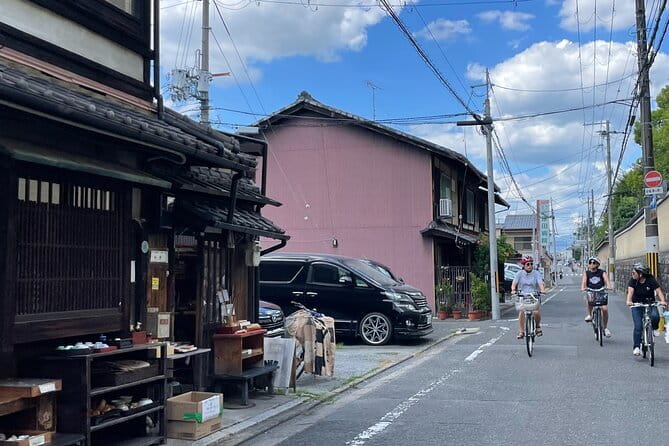
The big practical detail: the ride time between stops is about 10 to 20 minutes. That means you get frequent breaks for looking around and listening to your guide, rather than one long, repetitive stretch.
And yes, you should expect an e-bike experience. The tour is promoted as an e-bike cycling outing, and the ride is part of how you see rural Sonobe without getting worn out.
You can also read our reviews of more cycling tours in Kyoto Prefecture

How the day flows: short rides, timed culture stops
Think of this day as a chain of four main stops, with cycling as the glue. Each place is short enough to stay interesting, but long enough to feel like you actually did something.
The day runs about 4 to 5 hours total, and that total already includes the cycling travel time between points. Depending on your choices—especially if you add Mario Mountain (Mt. Komugi)—you may stretch past 2 PM.
You will also have the option to select extra experiences included in the price. If you want the most value, plan your add-ons at the start of the tour so the timing works with the soba meal and shrine visits.
Two small things I like about this pacing:
- It keeps the rural scenery coming in chunks, not one blur.
- It makes it easier for mixed groups—families, friends, or people traveling solo—to stay together.
Stop 1: Ikimi Tenmangu Shrine and exam prayers
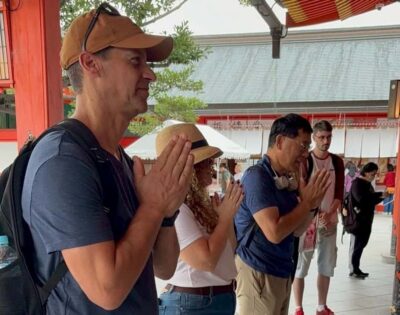
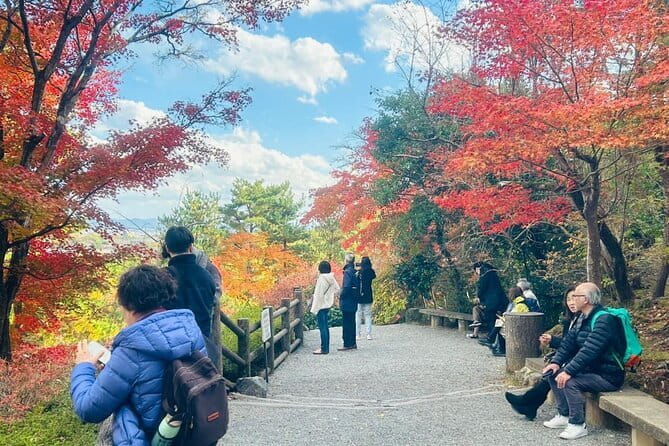
Your first cultural stop is Ikimi Tenmangu Shrine. It’s described as the oldest Tenmangu Shrine in Japan, and that title is not just bragging rights. Tenmangu shrines honor Sugawara no Michizane, a historical figure closely tied to learning and school success. That’s why people visit to pray for exam results.
You spend about 10 minutes here, and admission is free. For a short stop, it’s a strong start because it gives you a clear theme for the day—how Sonobe’s local faith ties into everyday goals.
What I’d do with this stop: don’t rush your photos. Take the extra minute to read what your guide explains about why Tenmangu shrines matter, and you’ll walk away with context instead of just images of a gate and incense.
Stop 2: Sonobe Castle ruins, now a school gate
Next up is the ruins of Sonobe Castle. The site is described as the last castle built in Japan, and that fact makes the place feel specific, not generic. What remains today includes things like the main gate and parts of the castle walls and turrets.
Here’s the twist that makes this stop memorable: the ruins are currently used as the main gate of Sonobe High School. So you get a living, modern function layered onto old stone. It’s a real reminder that history in Japan is often in active use, not preserved behind velvet ropes.
You’ll spend about 20 minutes, with admission also listed as free. The time is right for slow looking—walls, edges, the feel of the structure—without turning it into a long lecture.
Stop 3: a closed elementary school where you make soba
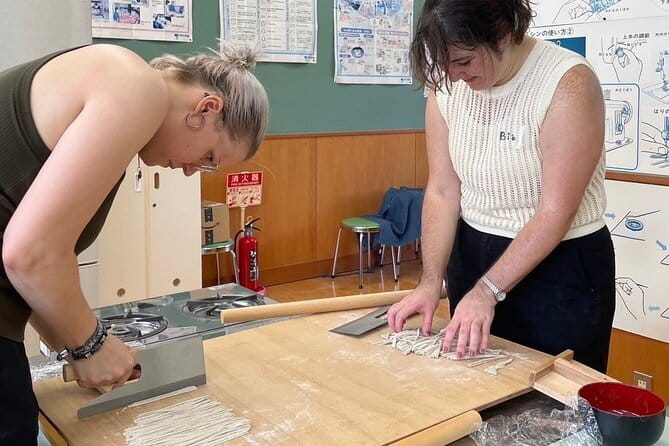
This is the anchor of the day, and it’s why I think Course A is a good pick for anyone who likes hands-on food experiences.
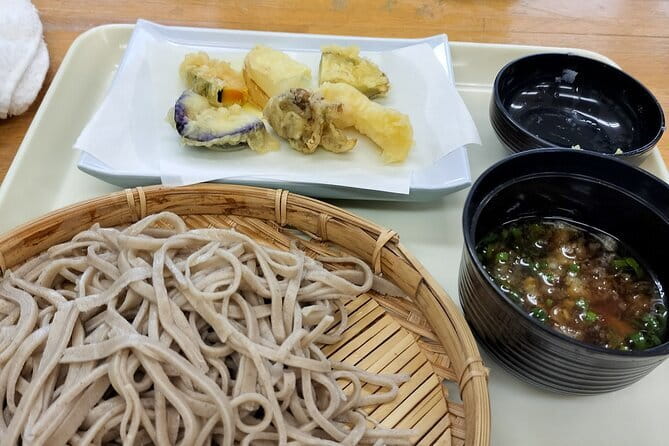
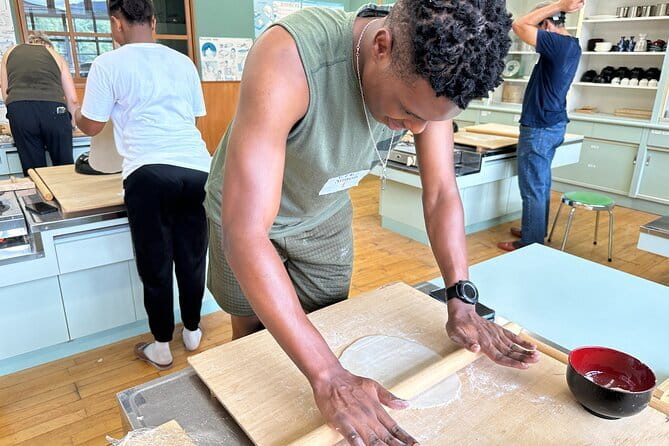
You’ll go to a spot marked as the old elementary school area. Using buckwheat flour harvested locally, you make soba noodles yourself, then enjoy freshly boiled soba. The meal package also includes tempura and rice balls.
Time here is about 1 hour 50 minutes, and it’s not just “watch and eat.” It’s active, guided, and designed so you leave with a new skill and a full stomach.
Two practical notes:
- Wear clothes you don’t mind getting a little messy around flour. Even if it’s light touch work, soba has a way of leaving evidence.
- Go hungry. Tempura plus rice balls plus fresh soba adds up quickly.
If you pick Course B instead, you still get a meal experience, but the focus shifts from making noodles to local produce at a restaurant in a traditional Japanese house. Reviews also point to a lunch setting at a traditional guesthouse-style restaurant, with one stop described as frog-themed. That kind of detail is exactly why this tour can feel more like a day in a small town than a standard sightseeing loop.

Stop 4: Make Shrine and the Tanba agriculture connection
Your final main stop is Make Shrine. The shrine enshrines the god of agriculture from the Tanba region, which historically supported food supply for Kyoto.
You’ll spend about 30 minutes here. The main hall roof is a traditional thatched style, which adds to the quiet, rural feeling. This is the kind of stop where your guide’s explanations matter more than the building itself, because the meaning behind agriculture-faith ties into why rural places like Sonobe have their own identity.
If you want to get the most from this moment, do it the simple way: slow down, listen, and watch what people are doing. Even in a short stop, it helps you read the space.
Optional add-ons: kimono photo, koto, spring water, and Mt. Komugi
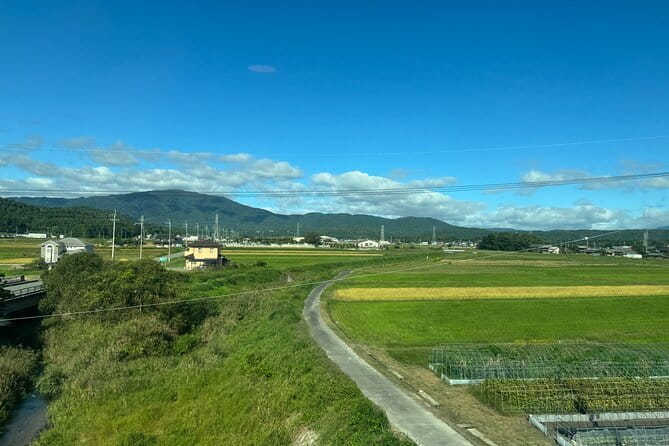
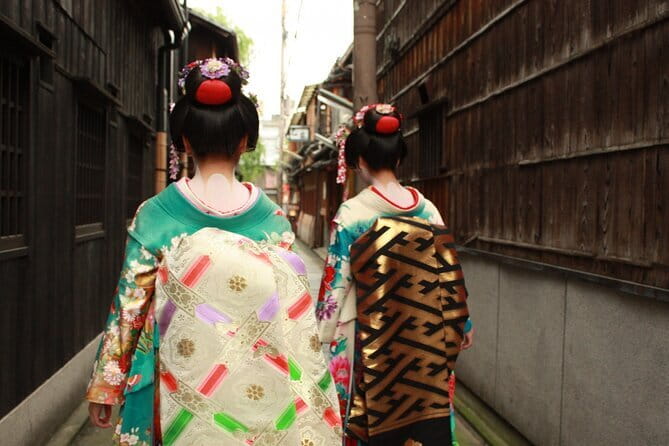
The tour includes time for extras, and this is where you can shape the day around your interests.
Depending on what you choose, your included add-ons may include:
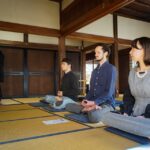
- Kimono photo opportunity
- Playing the traditional Japanese instrument koto
- Drinking spring water from over a small mountain
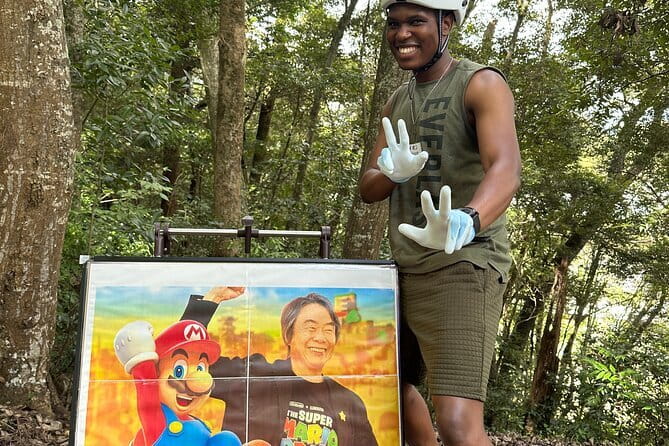
- Mario Mountain exploration at Mt. Komugi (the birthplace of Mario)
That last one is a big consideration for timing. Exploring Mt. Komugi may extend the tour past 2 PM. If your schedule is tight later that day, I’d ask your guide how the add-on will affect your final stop time before committing.
Also, if you’re traveling as a group with mixed ages, the add-ons can be a good way to keep everyone interested. Some people want the hands-on food. Others want the playful culture experiences like koto or the Mario connection.
The English guide matters more than you think
This isn’t a “follow the brochure” tour. The guides are locals—born and raised in the town—and that shows in how they talk about the area. In past groups, guides with names like Maki (and also Yasu mentioned in one group) have led tours and shared local context.
A big win for me is how the guiding is described as clear and organized, with instructions given at each stop. When you’re cycling rural roads, clarity and safety talk are not small things.
You’ll also get safety gear. One review specifically mentioned cold-weather prep like disposable hand warmers and neck warmers. Even if you visit in mild conditions, it signals a thoughtful approach—someone is thinking about what you’ll need, not just where to take you.
And because it’s a private tour, it’s usually easier to ask questions and adjust your pace. Your group only participates, so you are not trying to squeeze your needs into a big fixed schedule.
Price and value: $78.83 that includes the hard parts
At $78.83 per person (15,000 yen stated for one person), this tour can look like a small premium over standard transit-and-sightseeing days. But it can also be a solid value because several “cost sinks” are wrapped into the experience.
Here’s what your price buys based on the info you’re given:
- An e-bike cycling tour format that gets you around Sonobe efficiently
- English guidance throughout
- Shrine and site visits where admission is listed as free for the stops shown
- A meal experience, with Course A including soba-making plus a soba set meal, and Course B including local produce at a traditional Japanese-house restaurant
- Optional included extras you choose at the start (kimono photo, koto, spring water, Mario exploration)
In other words, you are paying for the flow: transport coordination from Kyoto City by train, bike-based movement between rural points, guided explanations, and a structured food experience that would be hard to replicate on your own.
If you hate “group tour fatigue” and you like doing one real activity deeply—like making soba—you’ll likely feel you got your money’s worth.
Who should book, and who should think twice
This tour fits best if you:
- Want a Kyoto day that goes beyond temples-with-a-line
- Like food experiences that are more than tasting
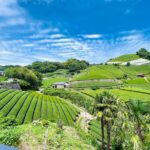
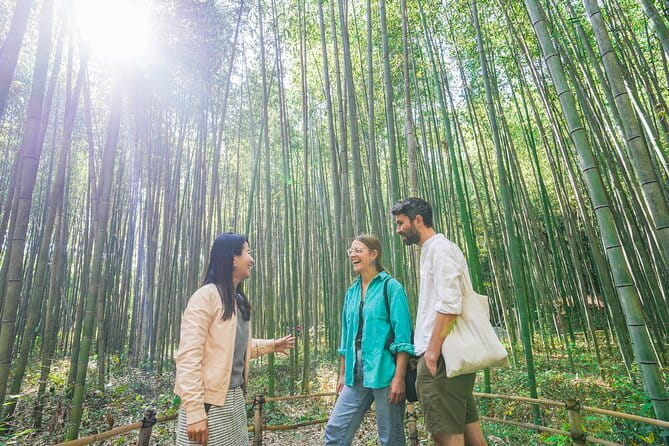
- Prefer rural scenery with birds, rivers, and fields over city-only stops
- Want an English guide who can explain why places matter
It may be less ideal if you:
- Have strict time constraints later in the day and don’t want the possibility of running past 2 PM with Mt. Komugi
- Strongly dislike any cycling at all. Even with e-bikes, it’s still movement and road riding.
Most people can participate, but the safest mindset is: treat this as a short active outing, not a purely seated sightseeing loop.
Should you book Kyoto Satoyama Cycling with Lunch and English Guide?
Yes, book it if you want a Sonobe day that feels local: shrine meaning you can understand, castle ruins tied to a real school gate, and soba you make (or a traditional-house lunch if you choose Course B). The fact that you can add kimono photo, koto, spring water, or Mt. Komugi means you can tailor the day without paying extra after you start.
I’d book sooner rather than later, too. This tour is often reserved about 86 days in advance on average, which suggests it fills up.
One last check before you commit: plan around weather. The experience needs good conditions, and if it’s canceled due to poor weather, you’ll be offered another date or a full refund.
If that works with your schedule, this is the kind of Kyoto outing that actually changes how you picture the region.
FAQ
What time does the Kyoto Satoyama cycling tour start?
The tour starts at 10:00 am and finishes back at the meeting point.
How long is the tour?
It runs about 4 to 5 hours total, including the travel time by bicycle between stops.
Where is the meeting point?
You meet at Mizobe-6-21 Sonobechō Oyama Higashimachi, Nantan, Kyoto 622-0041, Japan.
Do I choose a meal option ahead of time?
Yes. You can choose between Course A (hands-on soba noodle-making plus a soba set meal) or Course B (local produce at a restaurant in a traditional Japanese house).
Are vegetarian, vegan, or allergy-friendly meals available?
Yes. Vegan, vegetarian, and allergy-friendly meals are available upon request.
What optional experiences can be added during the tour?
You can choose additional included extras such as a castle visit, Shinto shrine worship, drinking spring water, a kimono photo, playing the koto, and Mt. Komugi Mario exploration.
Is it only for my group?
Yes. It’s described as a private tour/activity, with only your group participating.
What happens if weather is bad?
The experience requires good weather. If it’s canceled due to poor weather, you’ll be notified by 5:00 pm the day before and can choose a different date or a full refund.