REVIEW · KYOTO
Private Kyoto Sushi Cooking Class & Tea Ceremony with Emika
Book on Viator →Bookable on Viator
Kyoto dinner, taught at home. In Emika’s house in Nishikyo Ward, you cook with seasonal ingredients and eat what you make, then close the meal with a tea ceremony.
You’ll love how personal this feels. It’s private, and the class is built for all skill levels, with Emika guiding you step by step as you prepare your sushi (or a traditional main) plus Kyoto-style vegetable dishes.
One consideration: there’s no hotel pickup. You’ll meet at Emika’s address and likely do a short walk from the nearby station, so give yourself a little buffer, especially if you’re relying on your phone map.
In This Review
- Key Highlights You’ll Care About
- Why Emika’s Kyoto Home Cooking Feels Like Real Local Life
- The 3-Hour Flow: Matcha First, Sushi or Obanzai Main, Then Tea
- What You’ll Cook: Sushi, Miso Soup, Tofu, and Kyoto Obanzai Sides
- Getting Matcha and Drinks Right: What’s Included and Why It Helps
- Tea Ceremony at the End: A Calm Finish, Not a Tourist Script
- The Optional Market Tour: Japanese Grocery Reality After Lunch
- Price and Value: Is $109 Worth It in Kyoto?
- Who This Class Fits Best (And Who Might Want Something Else)
- Practical Tips: Meeting Point, Walking, and What to Tell Emika
- Should You Book Emika’s Private Kyoto Sushi Cooking Class and Tea Ceremony?
- FAQ
- How long is the cooking class?
- Is this tour private?
- What cooking experience will I get?
- Do I get to choose between lunch and dinner?
- Is there an optional market tour?
- What drinks are included?
- Does the price include the tea ceremony?
- Do I need hotel pickup?
- Can I cancel for a full refund?
Key Highlights You’ll Care About
- Matcha to start, tea to finish: a clean rhythm to the whole experience
- Organic vegetables from Emika’s garden: ingredients that taste like they were picked for that day
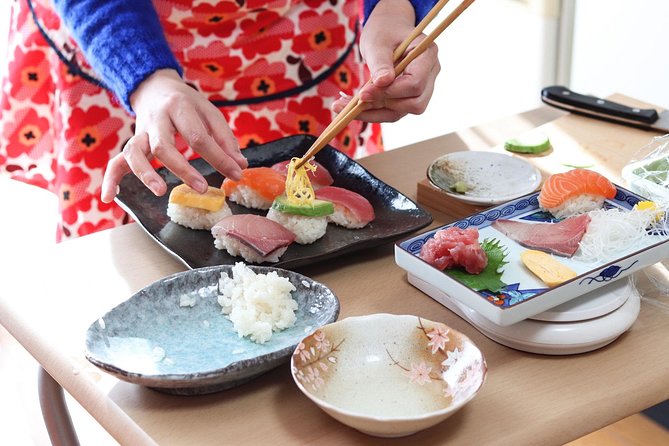
- Sushi of your choice (or a traditional main): you control the direction of the meal
- Obanzai vegetable dishes: classic Kyoto sides that go beyond plain “vegetable snacks”
- Local alcohol or matcha pairing: included drinks that match what you’re cooking
- Market tour option after you eat: a practical shopping stroll for Japanese pantry basics
Why Emika’s Kyoto Home Cooking Feels Like Real Local Life
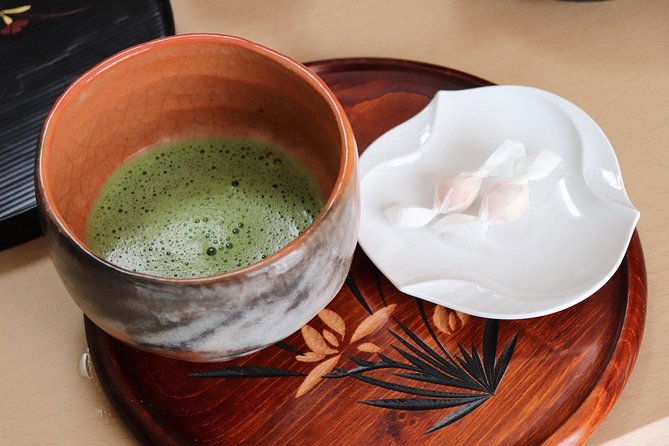
This isn’t a “watch and clap” cooking class. It’s a sit-down day-to-dinner experience in a Kyoto home, where you get taught cooking, you eat together, and Emika shares cultural context along the way.
What makes it work well is the tight focus: Japanese home cooking in Kyoto, done in a way that feels usable. I like that you’re not just learning one dish. You’re learning a way of approaching food—seasonal produce, careful seasoning, and simple dishes that add up to a proper meal.
Another big plus is the setting. Emika’s neighborhood approach matters: the home is in a residential area, and the walk in helps you shake off “tour bus brain.” You’ll be near public transportation, but you’ll still get that small Kyoto contrast—quiet streets and everyday life—before you step inside.
You can also read our reviews of more private tours in Kyoto
The 3-Hour Flow: Matcha First, Sushi or Obanzai Main, Then Tea
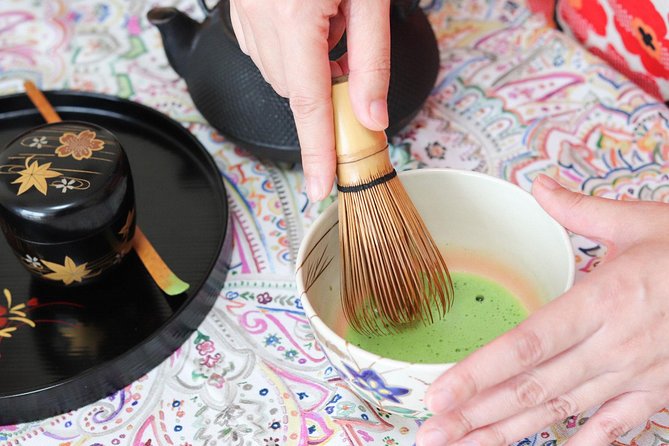
The experience runs about 3 hours, and it follows a logical arc that keeps you from feeling rushed. You’ll start with freshly made matcha—prepared by Emika or her father—so you’re grounded right at the beginning. Matcha is a great opening because it sets the tone: this isn’t just food craft, it’s culture in small, repeatable moments.
Then comes the cooking portion. Plan for roughly an hour of active class time, where you’ll learn how to make sushi of your choice or a traditional main, plus two Obanzai-style vegetable dishes. All skill levels are welcome, and the pace stays friendly: you’ll get explanations, you’ll have time to ask questions, and you’ll leave with techniques you can actually try again later.
After cooking, you sit down for the meal you made. The class ends with the tea ceremony, which gives the whole thing a satisfying close. You’re not hustled out right after eating—you get a calm, final ritual that turns the experience into a memory, not just a plated meal.
If you choose the lunch option, it’s easier to build the rest of your Kyoto day around it. If you choose dinner, you get a slower, more flexible evening flow.
What You’ll Cook: Sushi, Miso Soup, Tofu, and Kyoto Obanzai Sides
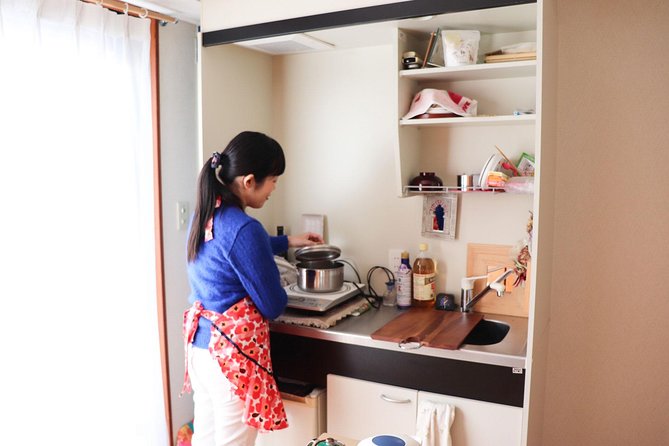
This class is built around Kyoto specialty Obanzai—small, seasonal dishes meant for everyday meals. In practice, that means you’ll likely cook more than one flavor style: something savory and comforting (like miso soup), something tender and mild (often tofu), and vegetable dishes that let the ingredients carry the main story.
You’ll also cook sushi. The menu choice is important here. When you book, you can tell Emika whether you’d prefer sushi or Obanzai—and the class is designed around that. The sushi portion isn’t treated like a mystery box. You’ll learn core steps like sushi rice preparation and how to assemble what you choose, with guidance on technique as you go.
One practical reason this matters: Obanzai is not about complicated showpieces. It’s about balance—sweet-salty notes, gentle simmering, and vegetables treated with respect. That’s the kind of cooking you can reproduce without special gear.
Also, Emika grows organic vegetables that you’ll use during the class. That detail might sound “marketing-ish,” but the practical takeaway is simple: fresher ingredients make your seasoning and texture choices easier to understand. When the produce already tastes good, you can focus on technique instead of rescuing a bland ingredient.
Getting Matcha and Drinks Right: What’s Included and Why It Helps
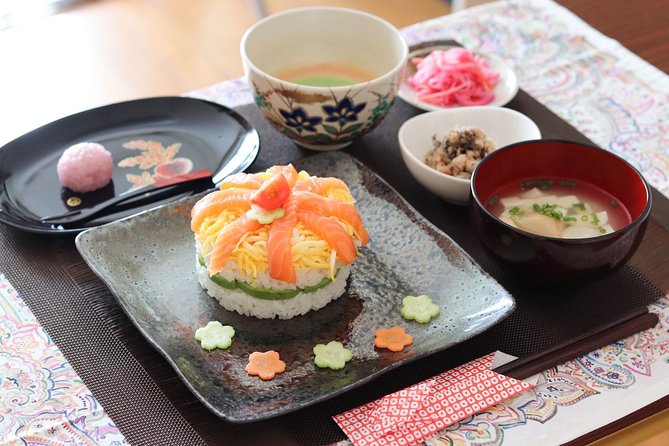
You don’t just cook and eat dry food. The experience includes local alcohol (1–2 glasses), and it also ties in matcha. For non-alcohol drinkers, matcha is part of the core flow—fresh matcha at the start, and tea at the end.
One review detail I found especially useful: some groups have been served nigori sake as the local drink option. That’s a great call if it’s available, because its milky texture pairs nicely with savory dishes and helps cut through rich flavors without turning the meal into a loud flavor fight.
The value here isn’t only the drink. It’s the pairing approach. When someone explains what matches what you’re cooking, you start learning how Japanese meals are built—small, deliberate choices that make sense together.
Tea Ceremony at the End: A Calm Finish, Not a Tourist Script
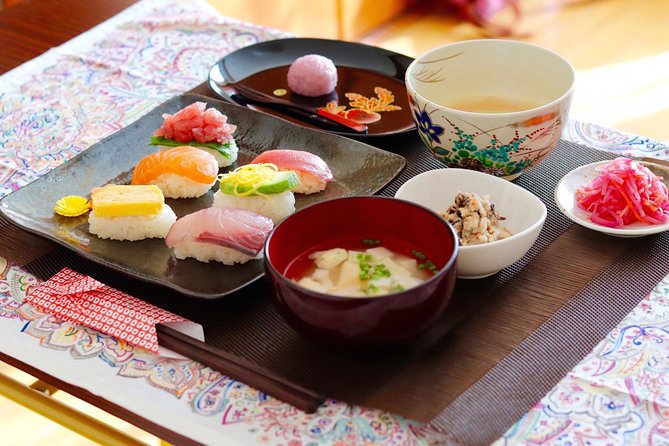
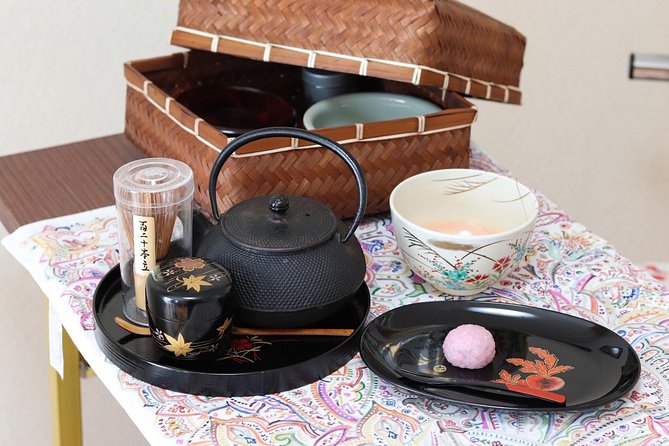
In many classes, tea is just an afterthought. Here, it’s a final component: the experience ends with a tea ceremony after you eat. That timing is smart. You’ve already tasted the meal and learned the techniques, so tea becomes a reset, not another course.
I like the way this finishes the experience. Food classes can end with the adrenaline of cooking. A tea ceremony brings you down and gives you a moment to absorb what you just learned—how ingredients, seasoning, and process all fit into a broader cultural rhythm.
If you’re new to Japanese tea culture, this is a nice on-ramp. If you’ve experienced tea before, it still feels meaningful because it’s attached to the meal you made, not a separate performance.
You can also read our reviews of more cooking classes in Kyoto

The Optional Market Tour: Japanese Grocery Reality After Lunch
Want to keep the learning going after you’ve washed the last sushi tool? There’s a Market tour option, and it’s structured in a way that makes practical sense.
If you choose it, Emika takes you on about a 1-hour tour to a supermarket/produce stop where locals typically shop. Here’s the key detail: this happens after your cooking class and lunch, not before. So you’re not trying to shop while hungry and confused. You’ve already tasted flavors and learned ingredients, so the shopping part clicks fast.
The tour includes a walk of about 10 minutes together to the supermarket. During the market time, Emika can help point out Japanese foods, spices, and pantry staples. And if you want souvenirs that are actually useful, she can help you purchase ingredients to take home.
One more thing: since this is Kyoto, the ingredient choices can be very seasonal. Even if you can’t match the exact same vegetables in your country, you’ll leave knowing what to look for—what labels to hunt, what seasoning categories matter, and how “Japanese pantry” is built.
Price and Value: Is $109 Worth It in Kyoto?
At $109 per person for about 3 hours, you’re paying for more than a meal. You’re paying for private instruction in a home setting, plus the included components that make the class feel complete: matcha, sushi (or a traditional main), two Obanzai vegetable dishes, local alcohol (1–2 glasses), and the tea ceremony. If you add the market tour option, you also get that 1-hour shopping walk.
In Kyoto, it’s common to spend money on food. What’s different here is that you’re also buying technique and access: the ability to cook with seasonal ingredients in a local home, and then ask questions in real time.
Is it “cheap”? Not really. But it doesn’t try to be. I think the value comes from the combination: private teaching + a full meal you made + a cultural finale + optional market learning. That’s a lot of payoff in one block of time, and it’s easier to justify when you view it as a hands-on class rather than a restaurant meal.
Also, this kind of booking tends to fill up. On average, it’s reserved about 49 days in advance, so if you want your preferred menu and timing, don’t wait until the last Kyoto night.
Who This Class Fits Best (And Who Might Want Something Else)
This experience suits you if you want food that’s genuinely tied to Kyoto life—Obanzai cooking, seasonal ingredients, and a home setting where questions are welcome. It’s also a good fit if you’re traveling with mixed skill levels or ages, since the pace works for beginners and people who already cook.
Families can do well here. The class is private, so it’s easier to manage kids’ attention than in a larger group class. Reviews also mention Emika being kind and patient and involving children, which is a major plus if you’re traveling with a teen or younger.
If you’re vegetarian, you should plan to communicate clearly. The data says you can advise Emika about allergies, dietary restrictions, and preferences at booking, and there’s evidence from a past vegetarian accommodation. Still, don’t assume the menu will automatically match your diet—write it down and confirm what options will work for you.
This might be less ideal if you want a “big sightseeing day” with buses and famous landmarks. It’s a focused cultural-food experience, and you’ll spend the time in one place—Emika’s home and, if chosen, a nearby supermarket.
Practical Tips: Meeting Point, Walking, and What to Tell Emika
First, plan your arrival. There’s no hotel pickup, and the meeting point is Emika’s home address in Nishikyo Ward: 31-30 Katsurainariyamachō, Nishikyo Ward, Kyoto, 615-8025, Japan.
Expect a walk from the nearby station area. One detail that’s worth taking seriously: it can be around a 10–15 minute walk, with winding neighborhood streets. That’s manageable, but it’s not the kind of walk where you want to be rushed. Use your map app, take your time, and give yourself a little buffer.
When you book, send the key details early:
- Tell Emika whether you want a sushi menu or more Obanzai focus.
- Share any allergies or dietary restrictions.
- Mention preferences so she can guide menu planning.
If you’re choosing the market tour option, remember it’s after the cooking and lunch. That affects your day planning. If you’re also trying to see a nearby temple or museum, build your schedule around that order so you’re not stacking too much right before the walking portion.
Finally, bring a mindset that matches the class. You’re not just eating—you’re learning how the cooking works. Ask questions. Taste along the way. Note what flavors come from the ingredient and what comes from technique.
Should You Book Emika’s Private Kyoto Sushi Cooking Class and Tea Ceremony?
If you want one Kyoto activity that feels authentic, practical, and not like a scripted show, I’d book this. It gives you a real home setting, hands-on cooking with Kyoto-style Obanzai, included matcha and tea culture, and the option to shop for ingredients after you understand them through cooking.
I’d skip it only if you need hotel pickup convenience, or if you prefer large-scale group tours over a quiet private home experience.
For most travelers, this is the kind of class that pays you back later, when you’re cooking at home and using the techniques you learned. Just plan for the short walk, communicate dietary needs at booking, and book early so you get the menu you want.
FAQ
How long is the cooking class?
It lasts about 3 hours.
Is this tour private?
Yes. It’s private, and only your group participates.
What cooking experience will I get?
You’ll learn to make sushi of your choice or a traditional main, plus two Obanzai-style vegetable dishes.
Do I get to choose between lunch and dinner?
Yes, there’s a lunch or dinner option.
Is there an optional market tour?
Yes. If you choose it, Emika takes you on a 1-hour supermarket/produce market tour, and it happens after your cooking class and meal. You’ll walk about 10 minutes together to the supermarket.
What drinks are included?
You’ll get local alcohol (1–2 glasses). Matcha is part of the experience, including freshly made matcha at the start.
Does the price include the tea ceremony?
Yes. The private cooking class includes the tea ceremony.
Do I need hotel pickup?
No. Hotel pickup and drop-off are not included.
Can I cancel for a full refund?
Yes. You can cancel up to 24 hours in advance for a full refund. If you cancel less than 24 hours before the start time, it won’t be refunded.