REVIEW · KYOTO
Traditional Japanese Music show & Experience Tour in Kyoto
Book on Viator →Operated by Harmony in Japan Tour · Bookable on Viator
Kyoto can sound like a postcard, but this one is hands-on. In just an hour, you’ll catch a live traditional music concert and then get guided time to play instruments yourself. It’s a rare setup that turns a seated performance into something you can actually feel in your hands.
I love the small group format—it keeps the energy focused and makes it easier to ask questions during the playing portion. I also like the clear rhythm of the experience: concert first, instrument try time second, and a short photo moment at the end. One possible drawback: you’re limited to the time slot (about 60 minutes total), so you won’t get deep practice the way you would with a private lesson.
If you want the full Kyoto traditional music vibe without committing to a long class, this hits the sweet spot. Just note that the daily concert program can vary, so check which day you’re booking if you’re hoping for a specific instrument lineup.
In This Review
- Key things to know before you go
- Why This 60-Minute Kyoto Music Session Feels Personal
- Getting There: The Meeting Point Near Higashidaimonjichō
- Your Hour Plan: Concert First, Instruments Second, Photos Last
- What You’ll Play: Shamisen, Koto, Wadaiko (and More)
- How the Guidance Helps Real Beginners (Even If You Think You Can’t Play)
- The Photo Moment: Why It’s Included and How to Use It
- Price and Value: What $46.24 Buys You in Kyoto
- Dates, Times, and What Varies by Day
- Who This Experience Suits Best
- Practical Stuff: Mobile Ticket, Group Limits, and What’s Included
- Should You Book This Traditional Japanese Music Experience in Kyoto?
- FAQ
- FAQ
- How long is the Traditional Japanese Music show and experience in Kyoto?
- What time does it start?
- Which days is the experience offered?
- What instruments can I experience?
- Do I need prior experience to play the instruments?
- Is transportation included?
- Does the experience include an instrument, or do I bring my own?
Key things to know before you go
- 60 minutes total: 25-minute concert, 25-minute hands-on playing, 10-minute photos
- Maximum 12 people: small group feel and more direct attention
- Instrument options include shamisen, koto, and wadaiko (and more)
- No prior experience needed: expert guidance covers the basics
- Concert content varies by day, so different dates can feel different
- Mobile ticket: easy on arrival, and the activity returns to the start point
Why This 60-Minute Kyoto Music Session Feels Personal
Traditional Japanese music is often experienced in a “watch and listen” way. This format changes the balance. You don’t just observe performers—you get a turn to play, which makes the artistry click fast.
The small group size matters more than you’d think. When you’re standing close and time is tight, guidance has to be practical, not theoretical. I like that the tour is designed around that reality, instead of pretending everyone can learn everything in one session.
You can also read our reviews of more tours and experiences in Kyoto


Getting There: The Meeting Point Near Higashidaimonjichō
The meeting point is at 5f, 306 Higashidaimonjichō, Nakagyo Ward, Kyoto. It starts at 11:00 am, and it ends back at the same place.
There’s no private transportation included, so plan to use public transit and arrive a few minutes early. If you’re coming from the major sightseeing hubs, you’ll likely spend less time in transit than you would for a longer day tour—but still, build in a little buffer so you can settle before the concert begins.
Your Hour Plan: Concert First, Instruments Second, Photos Last
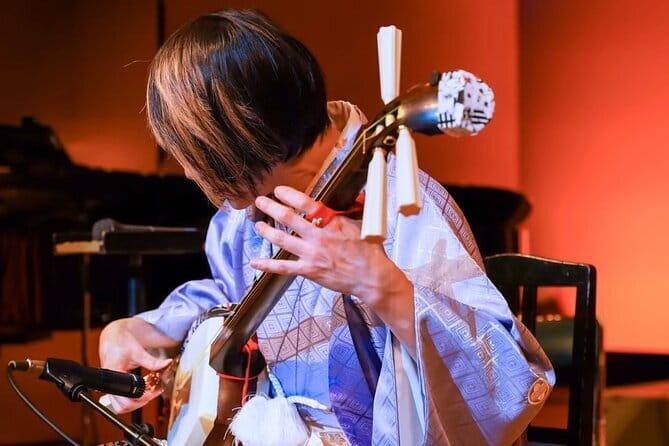
Here’s the flow you can expect, and it’s one of the reasons this works so well.
First, you’ll enjoy an authentic Japanese music concert for 25 minutes. This is the “listen and absorb” portion. Even if you don’t know the names of everything you hear, you’ll notice how rhythm and tone guide the performance.
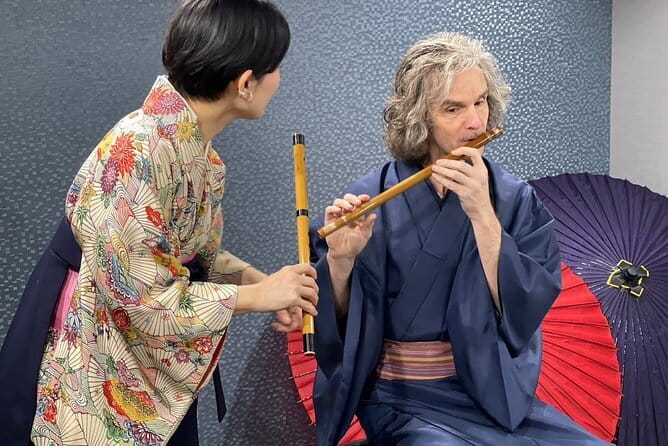
Next comes the part people usually remember most: 25 minutes to try playing traditional instruments. This isn’t set up like a test. It’s structured like guided practice for beginners, so you can focus on what you’re doing instead of worrying you’ll “mess it up.”
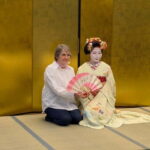
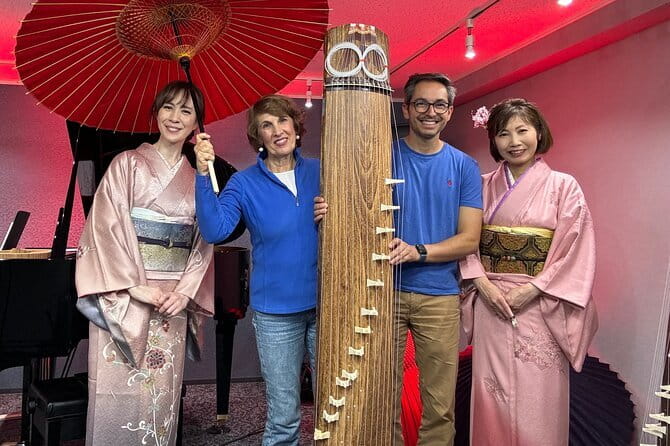
Finally, you’ll get 10 minutes for photos with the instruments and performers. It’s a nice finish because it turns the experience from something abstract into something you can show later—plus you’ll probably want a souvenir that isn’t just a building-and-brochure picture.
What You’ll Play: Shamisen, Koto, Wadaiko (and More)
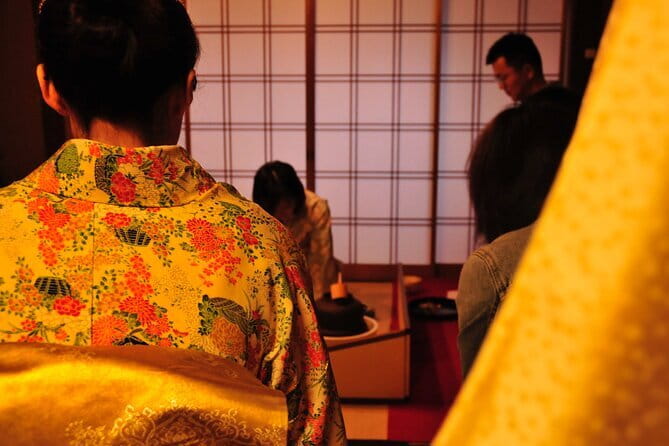
This experience includes a hands-on chance with traditional instruments, and the lineup specifically calls out shamisen, koto, and wadaiko.
- Shamisen (a Japanese lute-like instrument) is the one many people associate with dramatic singing and storytelling. In practice time, you’ll get a sense of how sound comes from string tension and controlled technique.
- Koto is the long, zither-style instrument with strings you pluck. It’s often described as delicate, and in a beginner setup you’ll quickly see how finger placement changes the result.
- Wadaiko (Japanese drum) brings the energy. Even short practice time can help you understand why rhythm in taiko-style playing feels physical, not just musical.
The schedule notes that participants get access to “a variety of traditional Japanese instruments,” and it also mentions there are additional instruments beyond the three named above. Since the exact choices can depend on the day, I’d treat each booking as its own mini program rather than assuming every session offers the same instrument mix.
How the Guidance Helps Real Beginners (Even If You Think You Can’t Play)
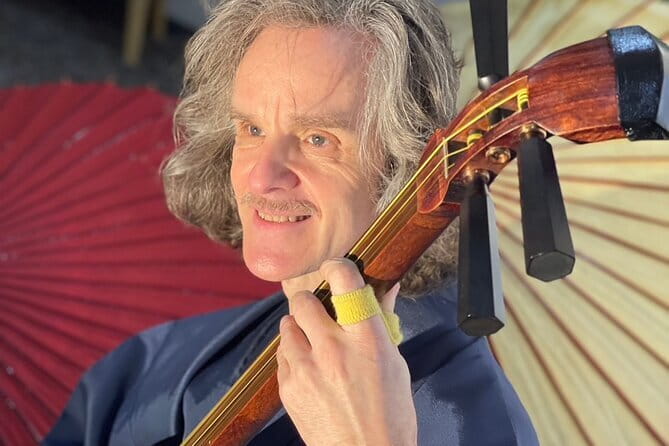
You don’t need prior experience, and you’ll have expert guidance throughout the hands-on portion. That matters because “try it” tours can sometimes turn into random instrument grabbing. This one is structured.
One theme from the experience feedback is how patient the staff are during playing time. If you’re the type who worries you’re unmusical, go anyway. The playing segment is designed for beginners learning basic technique, not for proving skill.
Here’s what you should do to get the most out of your 25 minutes:
- Watch the demonstrations closely for how the performer positions their hands and body.
- During your turn, prioritize accuracy over speed. Traditional instruments reward clean technique.
- Ask quick questions if something feels confusing. The group size supports that.
Also, the program includes both performance and participation. That blend helps you learn faster because you can hear how it’s supposed to sound, then immediately try to produce something similar.


The Photo Moment: Why It’s Included and How to Use It
Those 10 minutes for photos aren’t just for souvenir-taking. They’re a helpful bridge between performance and practice.
You’ll have time to be close to the instruments and the performers, which makes it easier to connect what you saw and what you played. In other words, your brain gets to label what your hands learned. That’s where the value often shows up—especially if you’re trying to understand cultural heritage beyond a generic concert.
Practical tip: decide what you want photographed before the photo time starts. If you’re sharing with friends, choose one “everyone together” photo and one instrument-focused photo so you don’t burn half your minutes sorting angles.
Price and Value: What $46.24 Buys You in Kyoto
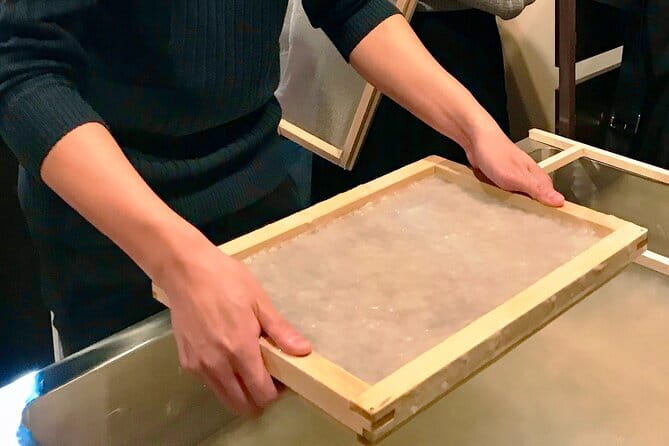
At $46.24 per person, this is more than a typical ticket to a basic concert—but it’s also less than what many people pay for lessons or private instruction.
The value comes from three things that you get in one hour:
- A live concert (not just background recordings).
- Hands-on playing time with guidance (not just watching from a distance).
- Instrument access plus a photo moment, which helps you remember what you did.
If you’re comparing it to a standard show, the “your turn” element is the big difference. You’ll leave with a better understanding of how the instruments produce sound, not only how they sound when performed by professionals.
And because the activity is capped at 12 people, you’re not competing with a large crowd for attention during the playing segment.
Dates, Times, and What Varies by Day
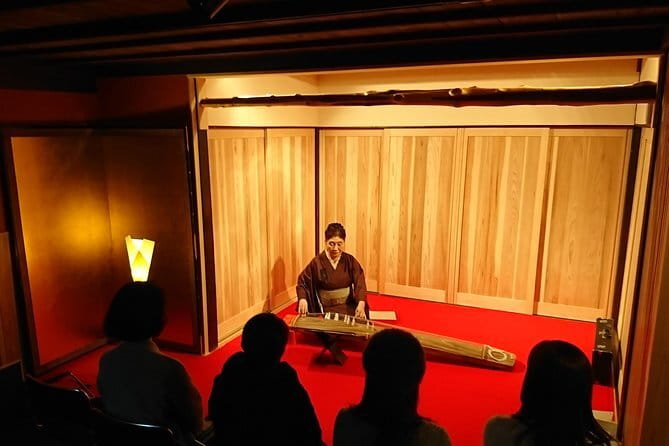
This experience runs at 11:00 am on Monday, Tuesday, Thursday, and Friday.
The program also notes that the concert content varies depending on the day. That’s good news if you’re spending multiple days in Kyoto or you’re trying to align with your sightseeing schedule. It also means you should consider the date part of your planning, not a detail you can ignore.
If you’re sensitive to timing, remember the whole thing is about 1 hour. It’s easy to fit into a half-day plan, especially if your morning in Kyoto is already packed.
Who This Experience Suits Best
This is a great fit for:
- People who like culture but get restless sitting through a long show.
- Beginners who want a guided, low-pressure way to try traditional instruments.
- Anyone who wants a Kyoto activity with real interaction, not just a passive experience.
- Small-group lovers who appreciate attention without the chaos of big crowds.
It may be less ideal if you’re looking for an hour of only watching performances. The hands-on portion is a central part of the deal, and you’ll be expected to participate during that time.
Practical Stuff: Mobile Ticket, Group Limits, and What’s Included
You’ll use a mobile ticket, and the activity includes a Japanese musical instrument for experience. In plain terms: you’re not showing up expected to bring your own shamisen or koto. The instruments are provided as part of the session.
The group limit is up to 12 travelers (so plan around availability if you’re booking last minute). Also, there’s a minimum of 2 participants required to hold the activity. If it doesn’t meet that minimum, you’d be offered a different date/experience or a full refund.
Should You Book This Traditional Japanese Music Experience in Kyoto?
If you want one Kyoto experience that blends performance with hands-on learning, I’d book it. The hour format makes it doable even on days when you’re busy, and the small group setup helps you actually learn something instead of just walking away with photos.
Book it especially if:
- You’re curious about shamisen, koto, and wadaiko and want more than a surface introduction.
- You’d rather try than just observe.
- You like structured activities where you know what’s happening minute by minute.
Skip it only if you’re determined to spend your time purely watching, with zero participation. Otherwise, this is one of those “small time, big memory” Kyoto stops.
FAQ
FAQ
How long is the Traditional Japanese Music show and experience in Kyoto?
It’s about 60 minutes total, with 25 minutes for the concert, 25 minutes to try playing instruments, and 10 minutes for photos with the instruments and performers.
What time does it start?
The start time is 11:00 am.
Which days is the experience offered?
It runs on Monday, Tuesday, Thursday, and Friday.
What instruments can I experience?
You can experience traditional instruments including shamisen, koto, and wadaiko, plus additional instruments depending on the session.
Do I need prior experience to play the instruments?
No prior experience is needed. Expert guidance is provided during the hands-on playing portion.
Is transportation included?
No. Private transportation is not included.
Does the experience include an instrument, or do I bring my own?
An instrument is included for the experience, and the activity is designed for you to try playing during the hands-on segment. The concert and experience ends back at the meeting point.