REVIEW · KYOTO
Kyoto: Samurai Kenbu Traditional Sword Dancing Show
Book on GetYourGuide →Operated by Ginbu Co. · Bookable on GetYourGuide
A samurai dance, then you hold the sword. At the Samurai Kenbu Theater in Kyoto, this Kenbu show mixes English narration with crisp sword choreography and a mini lesson where you practice basic moves. One thing to plan for: you have to skip photos during the performance, even though there’s picture time after.
What I like most is the way the show turns samurai culture into something you can follow right away, including the ideas behind carrying a sword and the discipline behind the movements. I also appreciate that it’s not just watching; you get a short sword-handling moment at the end.
Before you sit down, you take off your shoes (it’s a real theater ritual, not a gimmick). Also note the practical stuff: the venue has no waiting room, so arrive 5–15 minutes early and keep bags to a minimum.
In This Review
- Key takeaways
- Samurai Kenbu in Kyoto: A one-hour show with real purpose
- Shoes off, then into the story: how the show unfolds
- Sword responsibility and the folding fan: the training details that make it click
- The mini sword lesson: drawing a scabbard and controlled swings
- Photos, luggage, and timing: how to avoid the annoying surprises
- Price and value: is $32 worth it in Kyoto?
- Who this Kyoto samurai sword dance show is best for
- Should you book the Samurai Kenbu Traditional Sword Dancing Show?
- FAQ
- Where is the meeting point?
- How long is the experience?
- Is there English narration?
- Can I take photos or videos during the show?
- What happens during the mini sword lesson?
- What is included in the price?
- Is hotel pickup or drop-off included?
- Is there a waiting room?
- Is the venue wheelchair accessible?
Key takeaways
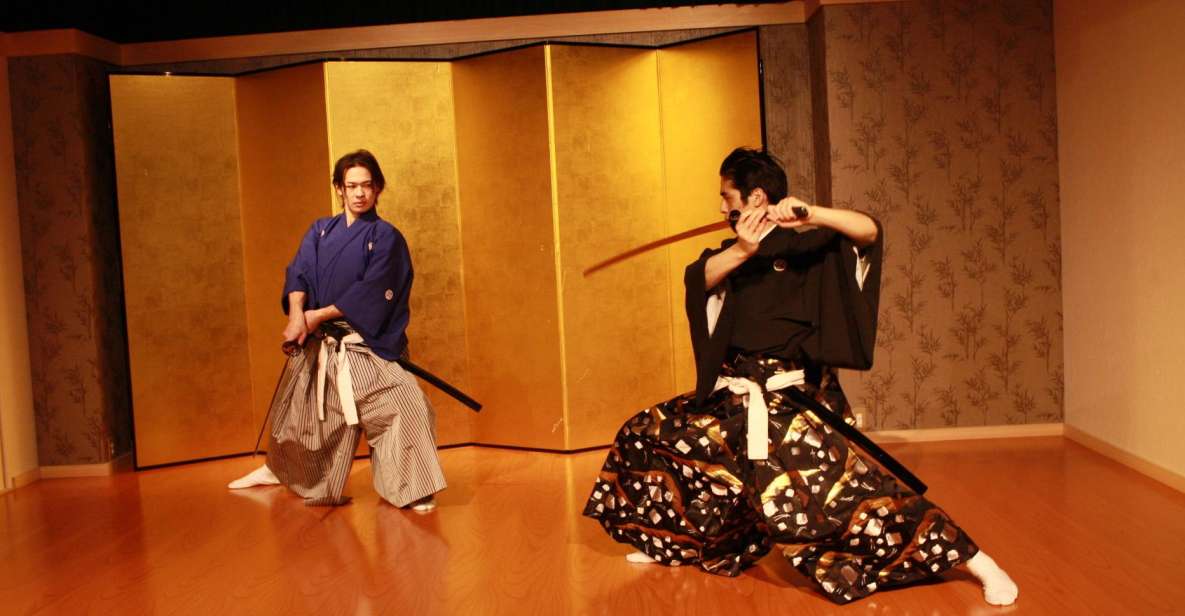
- English narration keeps the historical stories easy to follow from your seat
- Kenbu is performed as storytelling, not just sword twirling
- Responsibility and discipline come up, not only action
- A short katana lesson lets you try controlled swings with an instructor
- Folding fan technique appears as part of the samurai training picture
- No photos during the show, but you’ll get a dedicated post-show moment
Samurai Kenbu in Kyoto: A one-hour show with real purpose
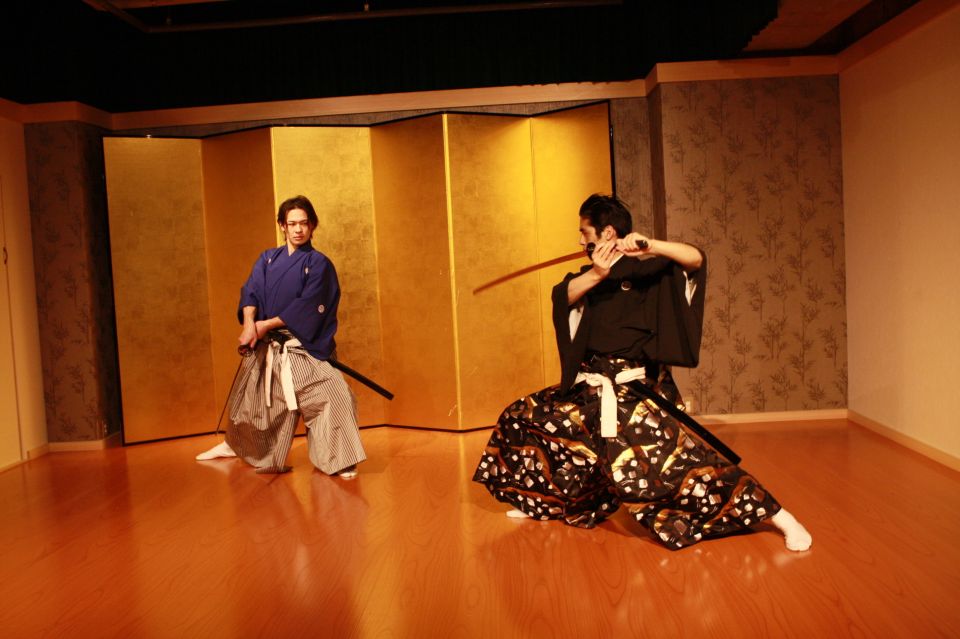
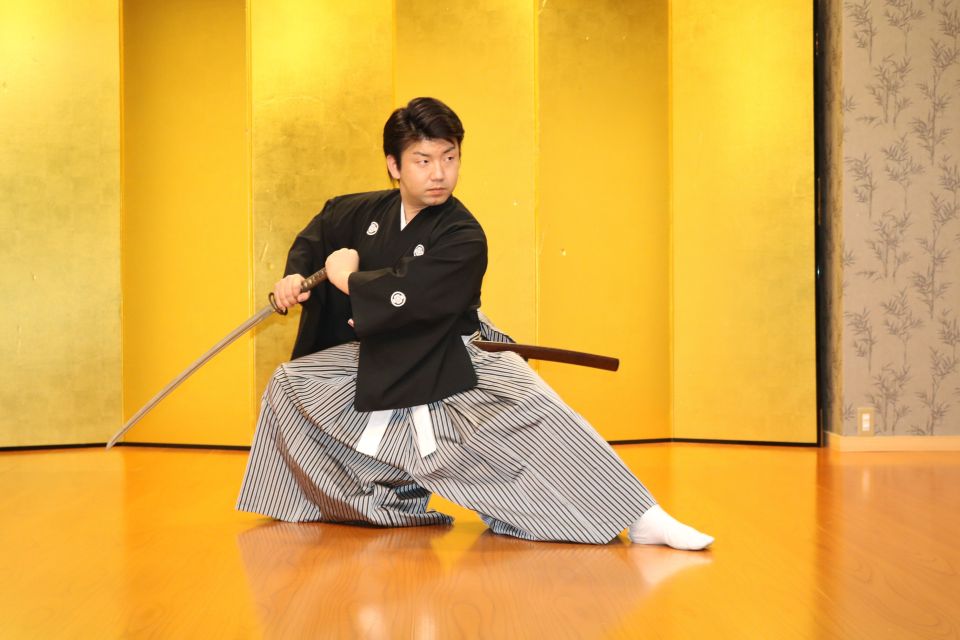
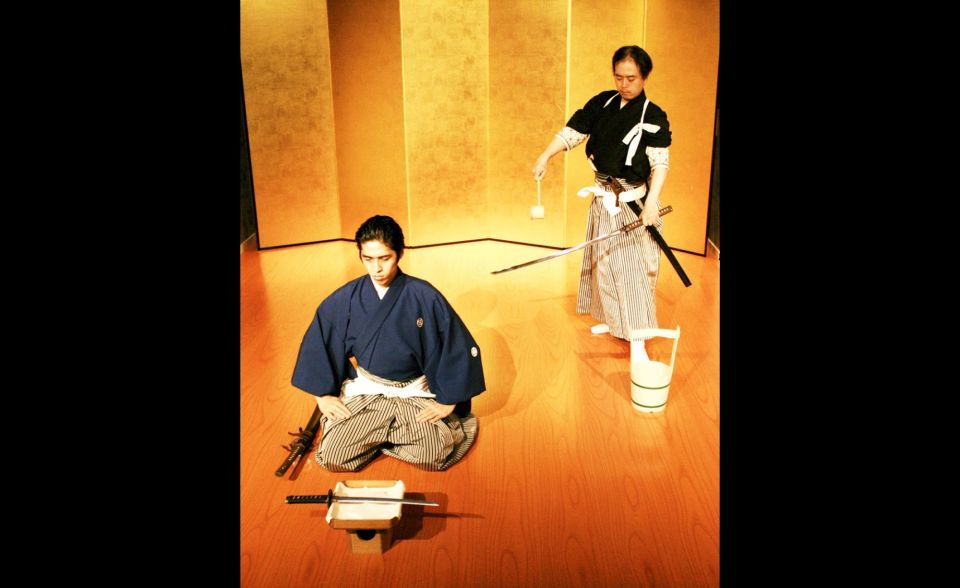
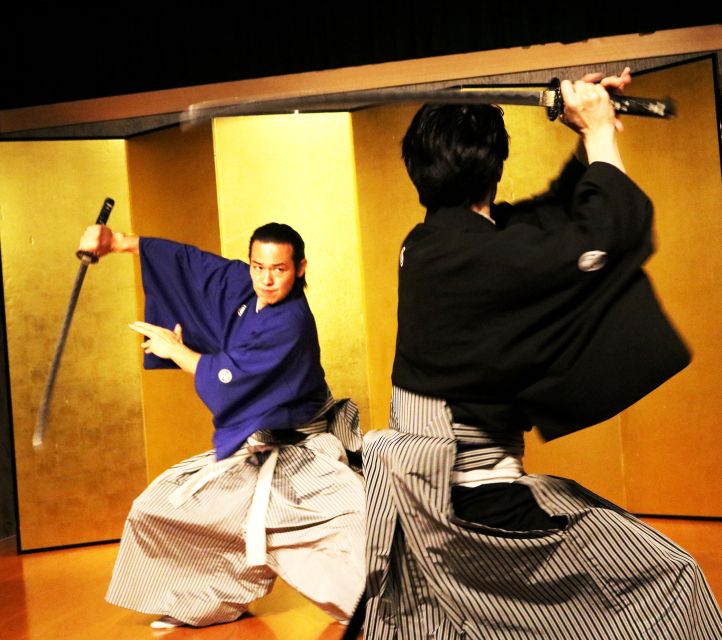
Kenbu is often described as a sword dance, but in Kyoto’s Samurai Kenbu Theater it feels more like guided history performed with precision. You’ll watch a sequence of demonstrations that connect the body movements to samurai life, the discipline behind the art, and the way poetry and meaning shaped training. The show isn’t trying to sell you a fantasy of battle. It’s aiming for form, control, and story.
I like that it’s structured so you’re not left guessing. English narration walks you through techniques and what’s happening before each piece, including references to samurai culture between the 12th and 19th centuries. That time span matters: it frames Kenbu as something that developed and endured, not a one-off performance style.
At the same time, don’t expect cinematic fighting. The sword work is elegant and ceremonial, and the “action” is controlled, with the choreography taking center stage. If you want loud, chaotic sword combat, this may feel calmer than you expect. But if you want to understand how samurai culture expressed training through movement, it’s a strong fit.
You can also read our reviews of more tours and experiences in Kyoto
Shoes off, then into the story: how the show unfolds
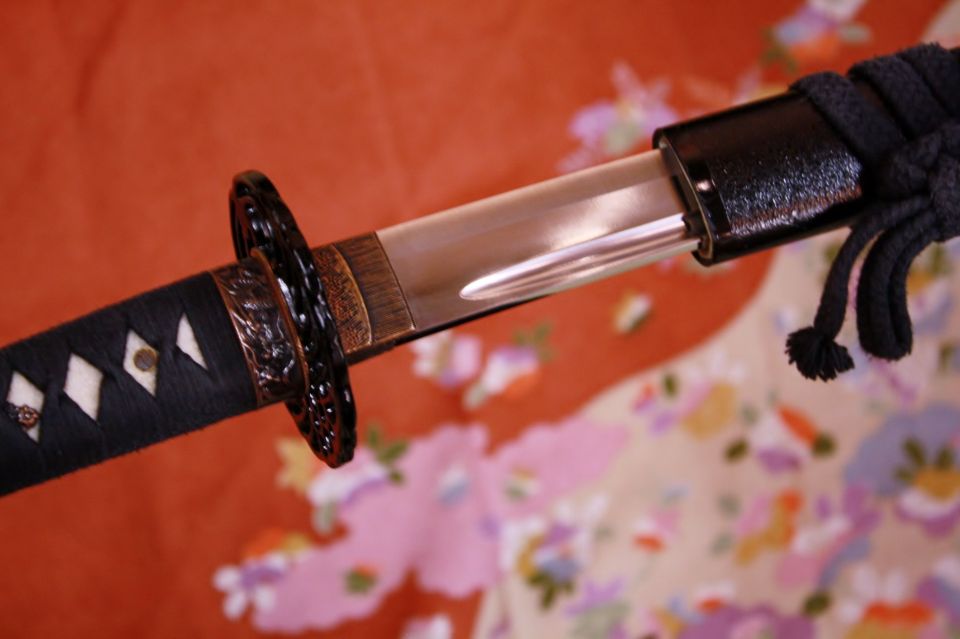
Your first step is simple: meet at the Samurai Kembu Theater in Kyoto and arrive a bit early. When you enter, you take off your shoes in keeping with local tradition. That small moment does something useful. It immediately changes the feel from tourist stop to proper performance space.
Once you’re seated, the show begins with an introduction to Kenbu—history and techniques delivered in English (with Japanese support as needed). The presentation is designed like a set of short acts, and each demonstration comes with a quick context piece about samurai culture. You’ll see both traditional style and what’s described as newer Kenbu approaches.
One of the smartest parts is how the narration ties movement to meaning. The dancers/swordsmen follow poems recited by samurai before heading to the battlefield (as part of the story framing). The point isn’t to turn samurai life into a museum display. It’s to show how language, ritual, and physical control connect.
And yes, stage storytelling is part of the experience. You’ll see traditional tales played out with the narration carrying you through the meaning—so even if you’re starting from zero samurai knowledge, you can keep up.
Sword responsibility and the folding fan: the training details that make it click
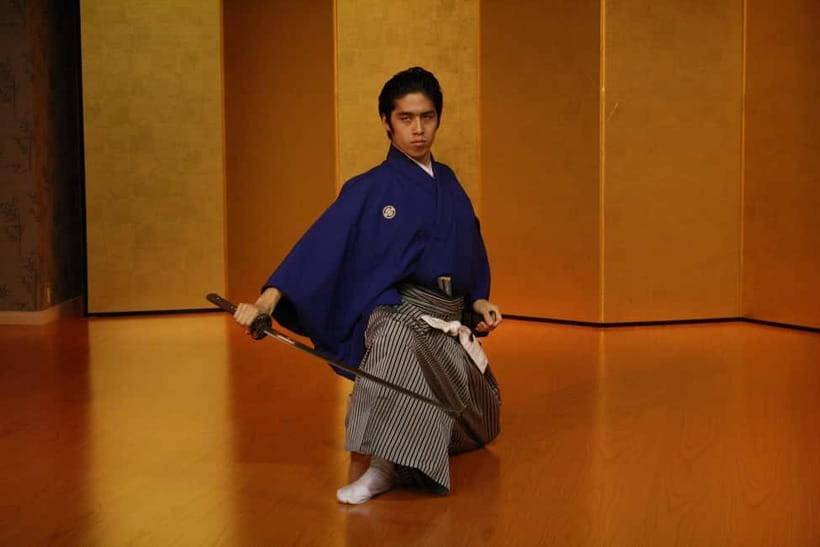
A lot of sword experiences focus on speed and impact. This one adds something else: responsibility. You hear about the weight of carrying a samurai sword as part of the cultural framing. That idea shows up again in the way the performers move—slow precision when they need control, sharper emphasis when they need clarity.
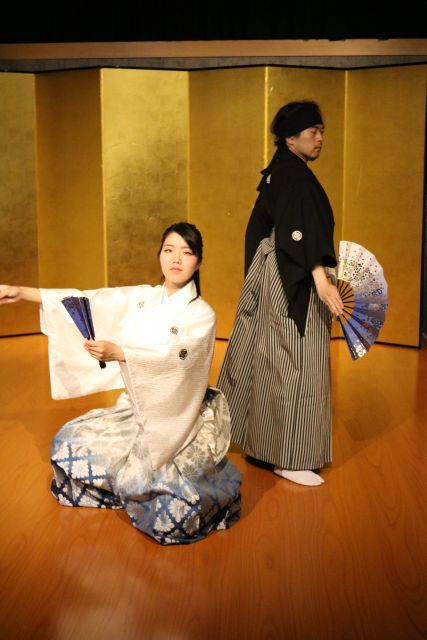
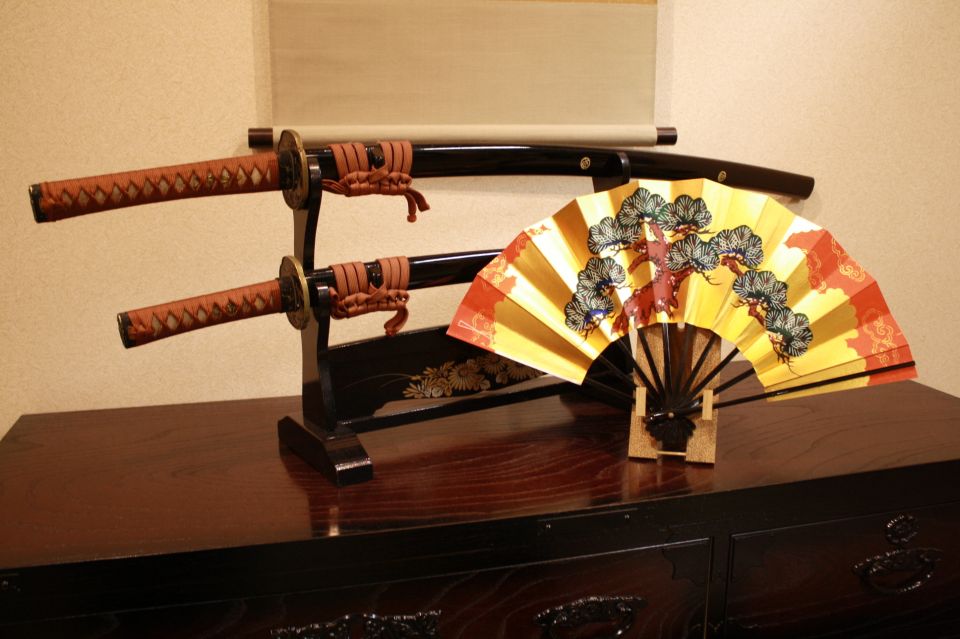
You’ll also see techniques that use a folding fan, which matters because it broadens what “samurai training” means in this context. Instead of only focusing on the sword, the show presents a fuller toolset of gestures and techniques associated with discipline and presence. When the fan appears, it helps you understand Kenbu as a whole system of movement, not a single prop trick.
The choreography itself is meant to represent scenes and emotions: grace, beauty, and strength. In practice, that translates into body lines and timing more than spectacle. You’ll notice how the performers handle transitions—how they go from one pose or step into the next without wasting motion.
If you’re the type who likes context (not just visuals), this show rewards you. It gives enough explanation to help you recognize what you’re seeing while you watch. If you’re here for a more hands-on workshop vibe, you’ll still get it, just at the end during the mini lesson.
The mini sword lesson: drawing a scabbard and controlled swings
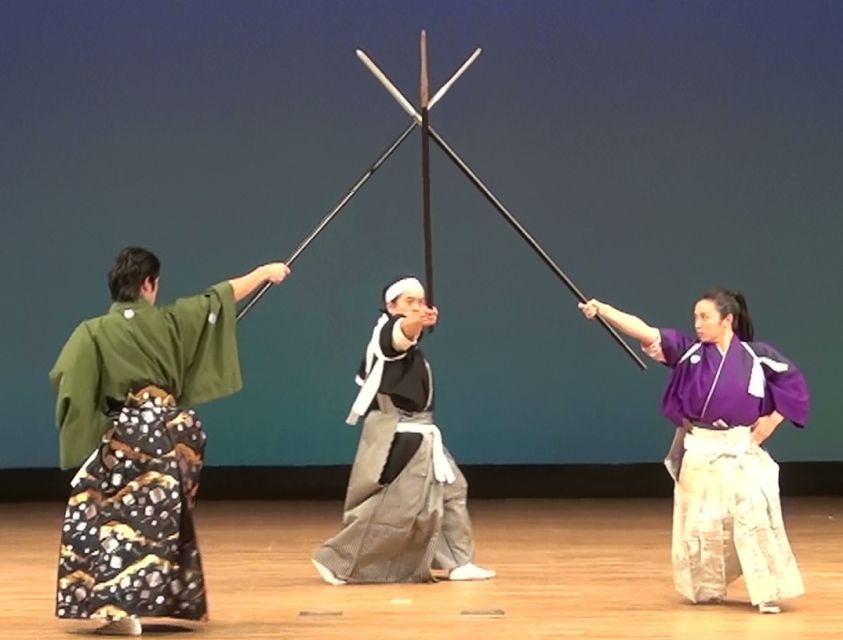
This is the part that most people remember, because it’s interactive. After the performances, the instructors bring the mini experience into play. You’ll pick up a sword, slowly pull it out of the scabbard, and grasp the blade when instructed.
Then you start with gentle swinging, followed by more force as the instructor gives the command. It’s not about “how hard can I swing.” It’s about learning control and stance—how your body moves when the sword becomes real weight in your hands.
You’ll also have a chance to learn fan use if time allows. That matters because it connects back to what you saw earlier: Kenbu isn’t just katana choreography. It includes the gestures and coordination that go with the fan.
Important practical note: there’s a strict rule about photos or videos during the show. But after the performance, you’ll have time to capture the moment—and performers may take photos for you. So if you care about keepsake shots, plan for the post-show window rather than expecting to film the main act.
Photos, luggage, and timing: how to avoid the annoying surprises
Logistics are where small cultural shows can go sideways. This one is straightforward, but you do need to respect the rules.
- Arrive 5–15 minutes early. The venue has no waiting room, so being late isn’t flexible.
- Keep luggage small. There’s no room for large luggage or travel bags.
- During the performance, don’t take photos or videos. You’ll get your picture time after.
The location is also easy to work with. You meet at the Samurai Kembu Theater, and it’s a short walk from Kyoto’s transit options—about 4 minutes from Subway Sanjo Keihan Station and about 5 minutes from Sanjo Station on the Keihan Main Line. That’s handy if you’re building a Kyoto day plan around multiple stops.
If you’re traveling with family, the format is built like short stories and demonstrations rather than one long lecture. Even in the interactive segment, it’s guided and structured, which helps it feel safer and more approachable than a DIY sword experience.




Price and value: is $32 worth it in Kyoto?
At about $32 per person for roughly 1 hour, this is best viewed as a “show plus practice” experience. You’re paying for three things: entry into a dedicated performance space, multiple Kenbu demonstrations with English narration, and a short hands-on sword lesson.
If you compare it to a typical ticket-only cultural show, the added interaction makes the value feel stronger. You’re not just watching; you’re doing a small part of the process—drawing from the scabbard and practicing controlled swings with instruction. Even if you only learn the basics, the difference between watching and trying is huge.
Also, the show runs in a single compact block, which helps in Kyoto. One hour is easy to fit between other neighborhoods and dinner plans. That matters when you’re trying to pace a day without sprinting across the city.
Is it the cheapest thing you can do? No. But it’s not priced like a luxury private class either. For many people, it hits a sweet spot: culture, storytelling, and a brief but memorable skill moment.
Who this Kyoto samurai sword dance show is best for
This show is a strong match if you like Japanese culture in a practical, understandable form. You’ll probably enjoy it if:
- you want Kenbu explained through performance, with English narration
- you’re curious about samurai discipline and the responsibility tied to a sword
- you want a hands-on moment without committing to a full multi-hour workshop
- you like structured stage storytelling rather than a lecture
It’s also a good option for groups. The theater setup and short acts keep attention moving. One downside is that it’s not built for people who want lots of action-on-action combat. The focus is choreography and meaning.
Should you book the Samurai Kenbu Traditional Sword Dancing Show?
I’d book it if you want a Kyoto activity that teaches something real while still feeling fun and theatrical. The combo of English narrated Kenbu, clear cultural framing, and a guided mini lesson where you draw and swing makes it more than a passive ticket.
Skip it if you’re specifically hunting for dramatic fight choreography or you’re expecting to film the main show. Also, if you hate early arrivals, remember there’s no waiting room, so plan to get there on time.
FAQ
Where is the meeting point?
You meet at the Samurai Kembu Theater in Kyoto. It’s a short walk from Subway Sanjo Keihan Station and also from Sanjo Station on the Keihan Main Line.
How long is the experience?
The experience lasts 1 hour.
Is there English narration?
Yes. The show includes instruction and narration in English (with Japanese also available).
Can I take photos or videos during the show?
No. You should refrain from taking photos or videos during the performance.
What happens during the mini sword lesson?
After the show, you can handle a sword briefly. You slowly pull the sword from the scabbard, grasp the blade, and swing gently at first, then more forcefully when the instructor commands. A fan lesson may be included if there’s time.
What is included in the price?
The included items are Samurai Kenbu Theater entry, the Kenbu show, and a short sword lesson.
Is hotel pickup or drop-off included?
No, hotel pickup and drop-off are not included.
Is there a waiting room?
No. There is no waiting room, and people without an appointment cannot wait inside.
Is the venue wheelchair accessible?
Yes, it is wheelchair accessible.