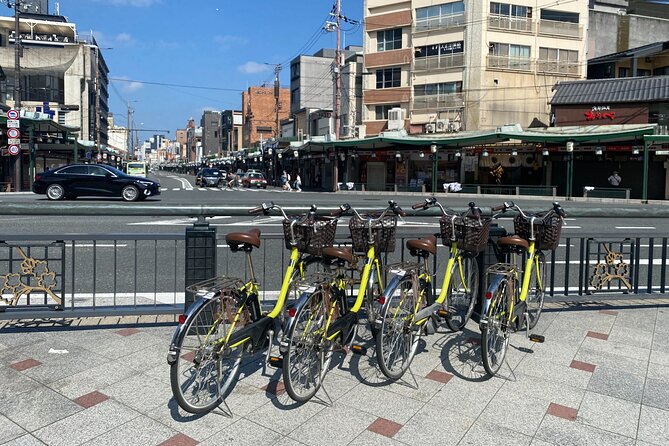
Kyoto on an e-bike feels like getting street-level shortcuts. You’ll ride quiet alleys and hit famous-and-forgotten temples with a guide who adjusts the route to your interests, from history to photography. Expect lots of photo-friendly stops and small pauses that help you actually take in what you’re seeing, not just pass through.
I especially like the private, tailored feel of the day, with a guide who keeps things moving but not rushed. The e-bike makes the whole route easier than it looks on a map, even for families and first-timers, and guides can slow down when it’s hot. One catch: temple and shrine entrance fees and snacks are extra if you choose to go inside or buy treats.
In This Review
- Quick hits: what makes Hidden Kyoto by E-Bike special
- Private e-bike Kyoto: why it works better than tour buses
- The rhythm of the day: how the stops flow (and why the order matters)
- Kiyomizudera viewpoint and Chion-in’s Sanmon Gate scale
- Nanzen-ji outer grounds: views from a big gate
- Heian Jingu’s 24-meter torii and Gion’s Hanamikoji pause
- Kamogawa stepping stones: classic Kyoto, calmer viewing
- Shimogamo Jinja forest shrine time: UNESCO atmosphere in motion
- Demachi Futaba wagashi and Somei Well water source
- Kyoto Gyoen National Garden and Imperial Palace grounds
- E-bike comfort, photos, and pacing tips that actually help
- Price and value: is $123.57 per person worth it?
- Should you book Hidden Kyoto by E-Bike?
- FAQ
- How long is the Hidden Kyoto by E-Bike tour?
- Is this tour private?
- What languages does the guide speak?
- What’s included in the price?
- Do I need to pay for temple or shrine entrances?
- Are meals or drinks provided?
- What’s the cancellation policy?
Quick hits: what makes Hidden Kyoto by E-Bike special
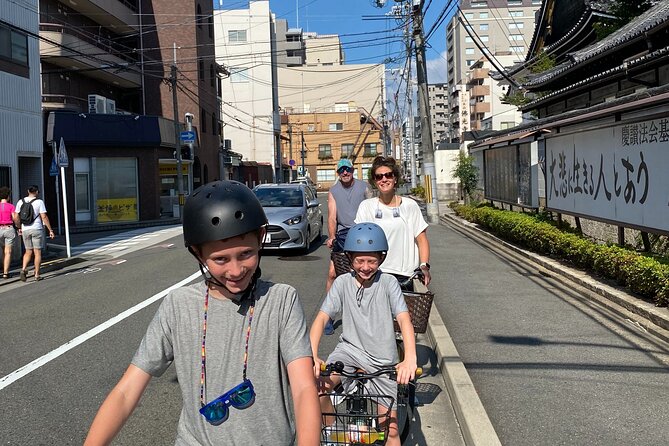
- A route built around you, including photography and local-culture stops, not a fixed checklist
- Major temples plus quieter viewpoints, starting near Kiyomizudera and pairing with less-crowded forests and gardens
- Easier riding with an insurance-covered e-bike rental, which takes pressure off your legs and timing
- Heian Jingu’s 24-meter vermilion torii and the big-gate scale of Chion-in and Nanzen-ji
- Kamogawa’s stepping-stone crossing for a classic Kyoto moment with calmer river views
- Shimogamo Jinja’s UNESCO forest setting, followed by sweet stops at Demachi Futaba and Somei Well
Private e-bike Kyoto: why it works better than tour buses

Kyoto is famous for walking, and that’s not always fun. Streets are narrow, sights are spread out, and the crowds can turn every stop into a line. An e-bike changes the day. You still get the culture, but you move between places without feeling like you’re doing a fitness challenge.
This tour is private (your group goes together with the guide), and the guide builds the route around what you care about. If you’re into temple details, you’ll get more time where it counts. If you want photos, you’ll stop often enough to actually set up your shot. If you’re traveling with kids, you’ll also appreciate how the pace can be adjusted—one hot-day experience even ran a bit over five hours while staying comfortable.
Another smart part: the day blends big names with quieter settings. So you don’t just do the obvious highlights from the guidebooks—you get moments that feel more like what Kyoto looks like when you’re not squeezed into the same photo line.
You can also read our reviews of more cycling tours in Kyoto
The rhythm of the day: how the stops flow (and why the order matters)
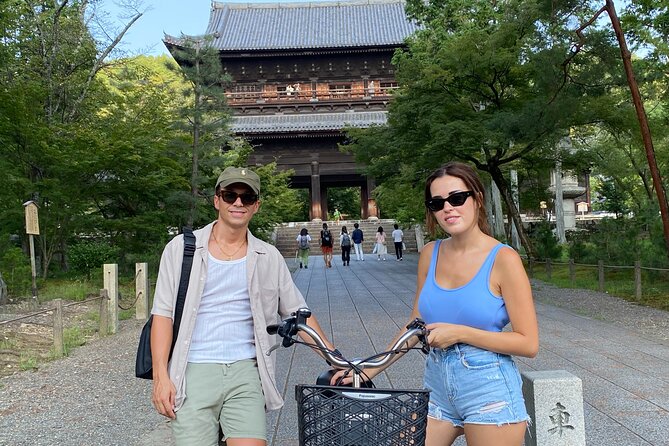
You’ll cover a loop that mixes temples, shrines, and historic streets around central Kyoto. The itinerary is planned in blocks: quick introductions at iconic places, longer pauses where you can look around, and breaks where a breath of air makes the next leg easier.
A typical tour runs about 3 to 5 hours, and you’ll spend real time at several stops (for example, Kiyomizudera is around 45 minutes). Some stops are brief picture-and-story moments, like the torii at Heian Jingu and the stepping stones by Kamogawa. Other stops are longer, such as Shimogamo Jinja.
That mix matters because it prevents the Kyoto-travel problem of choosing between legs and learning. You get enough time at each place to absorb details, but not so much that the day drags. If you’re the type who likes to linger, you can usually ask your guide for a little more time at the stops that hook you.
Kiyomizudera viewpoint and Chion-in’s Sanmon Gate scale
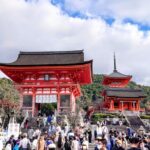
The day’s momentum starts near Kiyomizudera Temple, a Kyoto heavyweight. You’ll stop close to the temple area and take in a viewpoint tied to its most famous image: the wooden stage that overlooks the city. The guide explains the temple’s background so you know what you’re looking at, not just what it looks like on postcards.
A practical note: the time here is about 45 minutes, and the entrance ticket isn’t included. You can still enjoy the area and the story, but if you plan to go in, budget for entry fees.
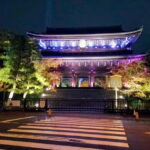
From there you head toward Chion-in Temple, known for the massive Sanmon Gate. This isn’t a small gate moment—it’s the kind of structure that makes you instinctively look up. The guide leads you through into the temple grounds and gives context for the Jodo Pure Land Buddhist tradition. It’s a short stop (around 15 minutes), but the scale of the gate makes it feel longer.
Why this pairing works: you go from a major Kyoto landmark with city views to a gate-and-temple experience where architecture does half the talking. It’s an easy start that doesn’t waste your energy before the ride really gets going.
Nanzen-ji outer grounds: views from a big gate
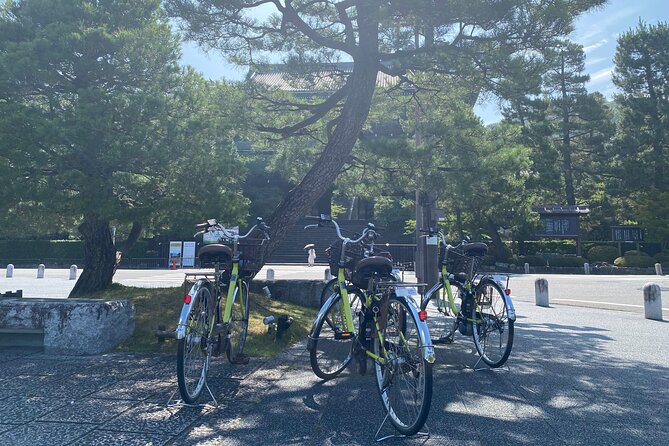
Next comes Nanzen-ji Temple, but with a smart twist: you focus on the outer grounds rather than trying to cram in every possible room. The highlight is the Sanmon Gate, again a towering structure, and you get the chance for stunning views of Kyoto from its upper level.
This stop is about 30 minutes, and temple entry is free in the sense that there’s no paid ticket included for your time on the outer grounds. If you want to add extra exploration beyond the planned route, you’ll need to manage your own decision and any added fees.
The value here is that Nanzen-ji sits in a quieter rhythm than the most crowded sights. You still get something monumental and photogenic, but it feels more like a pause than a sprint. And as you ride onward, you’ll feel the benefit of not spending the whole morning stuck in one busy hotspot.
Heian Jingu’s 24-meter torii and Gion’s Hanamikoji pause
Then the tour pivots to Shinto and street Kyoto.
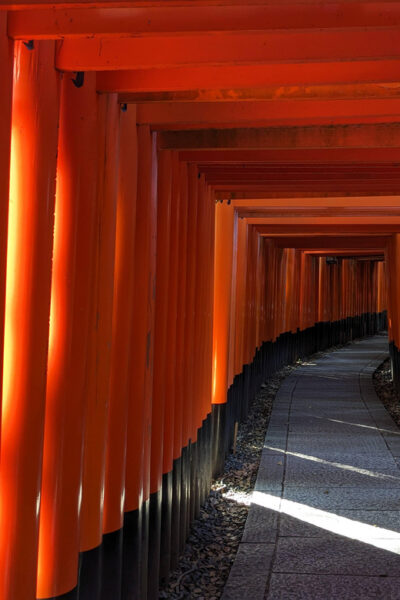
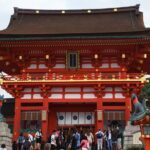
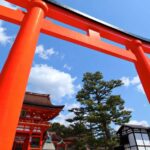
At Heian Jingu Shrine, you’ll see the iconic Grand Torii, one of Japan’s largest at about 24 meters tall. It’s a quick stop (around 10 minutes), but the guide frames what the torii marks and why it’s important. The goal here isn’t a long ceremony. It’s a striking, photo-ready marker that sets the tone for the rest of the day.
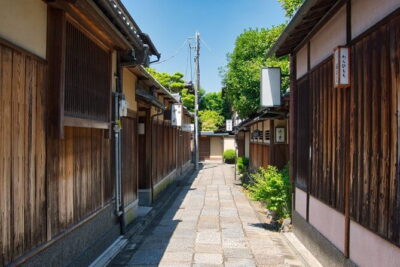
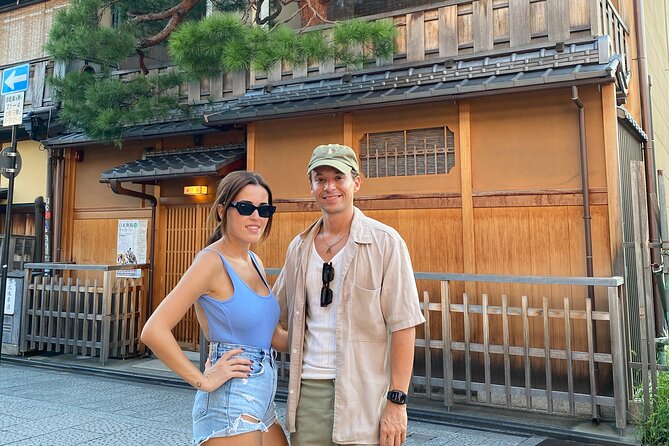
Right after, you pause at Hanamikoji Street in Gion. This is the historic cobblestone lane known for traditional wooden townhouses. The guide shares stories tied to the area’s geisha culture and what you’re seeing in the street layout. The stop itself is short (about 10 minutes), but it’s timed well: you get the atmosphere without turning it into a traffic jam.
Consideration: if you’re trying to ride through every famous street photo spot at peak time, it can get noisy and slow. Here, the tour uses the street like a breather—quick, meaningful, and then you’re back on the bike moving.
You can also read our reviews of more private tours in Kyoto


Kamogawa stepping stones: classic Kyoto, calmer viewing
A real Kyoto moment is waiting by the Kamogawa River stepping stones. This is one of those places where people carefully hop from stone to stone, and it feels playful even when you’re just watching. The guide helps you take it in without turning it into a panic-footing exercise.
Your stop is short (the itinerary lists it as a stop block without a specific minute count), but you’ll get a chance for peaceful river views. The best part is the contrast: temples and gates give you scale. The river gives you calm.
If you’re bringing kids, this is often the most fun section because it’s interactive in a safe, low-stakes way. If you’re traveling solo or as a couple, it’s also a great moment to slow down, hydrate, and reset before the next shrine in the forest.
Shimogamo Jinja forest shrine time: UNESCO atmosphere in motion
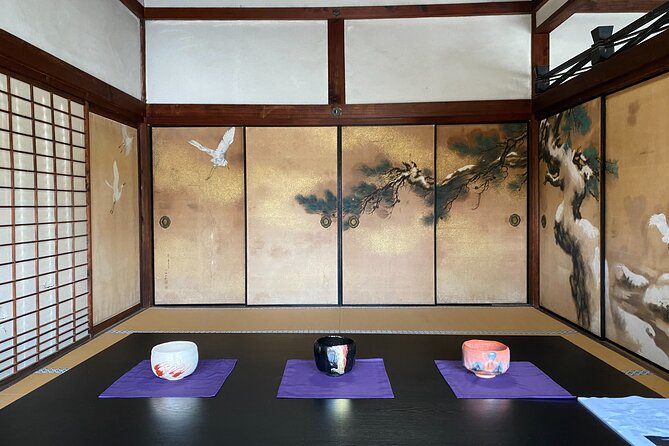
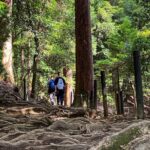
Now you get one of Kyoto’s truly special settings: Shimogamo Jinja. This is one of the oldest and most important Shinto shrines, and it’s a UNESCO World Heritage site with an ancient forest setting around it. You’ll stop for about 45 minutes at the entrance and have time to soak up the difference in feel.
This is the part of the tour where the e-bike helps without taking away the mood. You still reach the area easily, but once you’re there, it feels like you’re stepping into a slower world. The guide’s role here is huge: when someone explains what makes the shrine significant, the forest doesn’t just look pretty—it becomes meaningful.
If you’re a history-and-belief-nerd, you’ll like this stop a lot. If you’re just trying to experience Kyoto in a way that feels real, this is also the stop that delivers. It’s one thing to see architecture. It’s another thing to feel how people treat a place that’s been important for ages.
Demachi Futaba wagashi and Somei Well water source
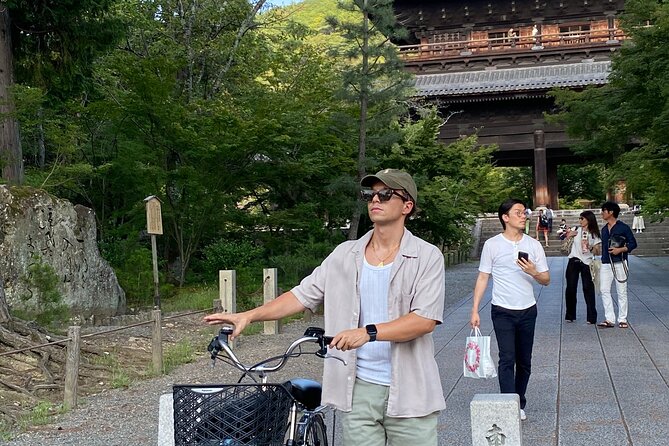
After the forest shrine, the route leans into everyday Kyoto.
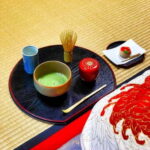
You’ll visit Demachi Futaba, a historic wagashi shop near the Kamogawa River. The stop is about 30 minutes, and it’s known for traditional sweets and nearly 200 years of legacy. The tour info doesn’t lock in a paid tasting, but you can plan on buying something if you want. One family-style experience even highlighted trying mochi as a highlight.
Next is Somei Well, a historic water source near Kyoto Gyoen. This one dates back to the early Edo period, around the 1600s, and it’s valued for fresh water. Expect about 10 minutes here: short, but the kind of stop that makes Kyoto feel grounded, not just scenic.
Why these matter: you’re getting a taste of the city’s rhythm—food traditions and practical heritage. It’s not just temples; it’s also how people lived around water, sweets, and daily routines.
Kyoto Gyoen National Garden and Imperial Palace grounds
To close the loop, you ride or pause through Kyoto Gyoen National Garden, the spacious park surrounding the Kyoto Imperial Palace. This is about 30 minutes, and it’s a great finish because it’s open, calm, and forgiving after a day of gates and dense temple areas.
The guide shares insights about the garden and what you’re looking at as you move through it. Even if you don’t go inside any palace-related spaces, you still get that sense of Kyoto’s formal layouts and long-term planning—especially when you compare it to the tighter lanes earlier in the day.
If the tour runs longer (and it can), this garden section helps prevent the day from turning into a tired blur. You end with breathing room.
E-bike comfort, photos, and pacing tips that actually help
This tour is built for an easy ride, but comfort is still on you. Here’s what I’d plan for based on how these routes usually feel in Kyoto:
- Wear shoes you can walk in. Even with e-bikes, you’ll step around temples, gates, and river stones.
- Bring sun protection. One hot-day experience included extra breaks and a relaxed tempo, which is a good sign that the guide adjusts, but you’ll still feel the heat.
- If photos matter to you, mention it at the start. The route is designed to match your interests, including photography, so it helps to be clear up front.
- Expect a mix of short stops and longer stops. Some places are quick looks with stories; others are longer so you can actually read the atmosphere.
Also, the e-bike setup includes insurance, which is reassuring. You’re still responsible for basic care (slow down near pedestrians, follow guide directions), but it adds peace of mind.
Price and value: is $123.57 per person worth it?
At about $123.57 per person, this tour sits in the mid-range for Kyoto guided experiences. What helps the value is what’s included: an English/Indonesian/Malay speaking guide, e-bike rental, and insurance. That means you’re paying for transportation plus interpretation, not just being walked around.
What’s extra is also pretty clear: temple/shrine entrance fees if you choose to go in, plus meals and snacks. The tour doesn’t provide food, so you’ll likely want to bring a little cash or plan to buy something at stops like the wagashi shop.
So the real question is what you’d otherwise spend your time on. If you’re spending half your day figuring out transit and fighting walking distances between major sites, an e-bike day like this can feel like buying back time. And because it’s private, you avoid the awkwardness of trying to match your pace to other people.
If you like structure with flexibility, this is a good fit. If you prefer total freedom with no guide, then it might feel too scheduled.
Should you book Hidden Kyoto by E-Bike?
Book this if you want a Kyoto day that feels efficient but not mechanical. You’ll get a strong blend of famous sites (like Kiyomizudera and the Heian Jingu torii) and calmer, more atmospheric stops (Shimogamo’s forest setting and Kyoto Gyoen’s garden space). The fact that the guide tailors the route to your interests is also a big deal, especially if you care about photos or want stories that explain what you’re seeing.
Skip it if you already plan to spend your trip doing lots of paid temple entry tickets and long indoor visits. In that case, you might prefer a tour that includes entry fees, or you might want a slower on-foot day where you can linger as long as you want at fewer locations.
If your priority is comfort—getting to the right places without frying your legs—this e-bike format is hard to beat.
FAQ
How long is the Hidden Kyoto by E-Bike tour?
The tour lasts approximately 3 to 5 hours.
Is this tour private?
Yes. It’s a private tour/activity, meaning only your group participates.
What languages does the guide speak?
The guide speaks English, Indonesian, and Malay.
What’s included in the price?
The package includes the e-bike rental with insurance and a multi-language guide. Entrance fees and meals are not included.
Do I need to pay for temple or shrine entrances?
Entrance tickets are not included for some stops, and they may be free for others. If you choose to enter certain temples, you may need to pay entrance fees.
Are meals or drinks provided?
No. Meals, snacks, and drinks are not provided in the tour.
What’s the cancellation policy?
Cancellation is free up to 24 hours in advance for a full refund. The experience requires good weather, and if it’s canceled due to poor weather, you’ll be offered a different date or a full refund.