REVIEW · KYOTO
Kyoto: Nara, Todaiji, Kasuga Taisha Shrine Private Full Day
Book on GetYourGuide →Operated by TripGuru Japan · Bookable on GetYourGuide
Deer, legends, and a giant Buddha in one day. This private Kyoto-to-Nara tour strings together the big-name sights with plain, human explanations, from Kōfuku-ji to Tōdai-ji. You also get close contact with Nara Park’s sacred Sika deer in the middle of open green space, which is exactly the kind of stop you remember.
I love the way the day is structured around story: you start with the Heijō-kyo capital context at Kōfuku-ji, then the route naturally turns into the temples, shrines, and neighborhood vibes of Nara. I also like that the guide helps you move fast on the logistics side, including support for train tickets, so you spend the day on Nara instead of figuring out Nara.
One consideration: this is a full 8 hours with plenty of walking and standing, and it isn’t a good fit if you have mobility limits or health concerns like heart or respiratory issues.
In This Review
- Key moments at a glance
- Nara in One Long Day: what this Kyoto trip really covers
- Meeting at JR Kyoto Station and riding the express to Nara
- Kōfuku-ji grounds and the Heijō-kyo capital context
- Nara Park deer time: short, sweet, and photo-friendly
- Tōdai-ji and the Daibutsu: UNESCO scale you can feel
- Kotoya lunch break and the snack buffer
- Kasuga Taisha lanterns and a stroll through Naramachi
- Guides, pace, and clear explanations (Akiko, Gustavo, Vincent and more)
- Price and value: what you pay for at about $183
- Who this private Nara day is for
- Should you book this Kyoto to Nara private full day tour?
- FAQ
- Where is the meeting point?
- How long is the tour?
- Which sites are included in the itinerary?
- Is the train ticket included in the price?
- Are entrance fees included?
- Is lunch included?
- What’s included besides the guide?
- What languages are available for the live guide?
- What should I bring?
- Who shouldn’t book this tour?
Key moments at a glance
- Express-train day plan with a guide and support buying your Nara train ticket on the spot
- Kōfuku-ji context that frames Nara’s imperial-capital past
- Nara Park deer encounter with short, photo-friendly time in the open park
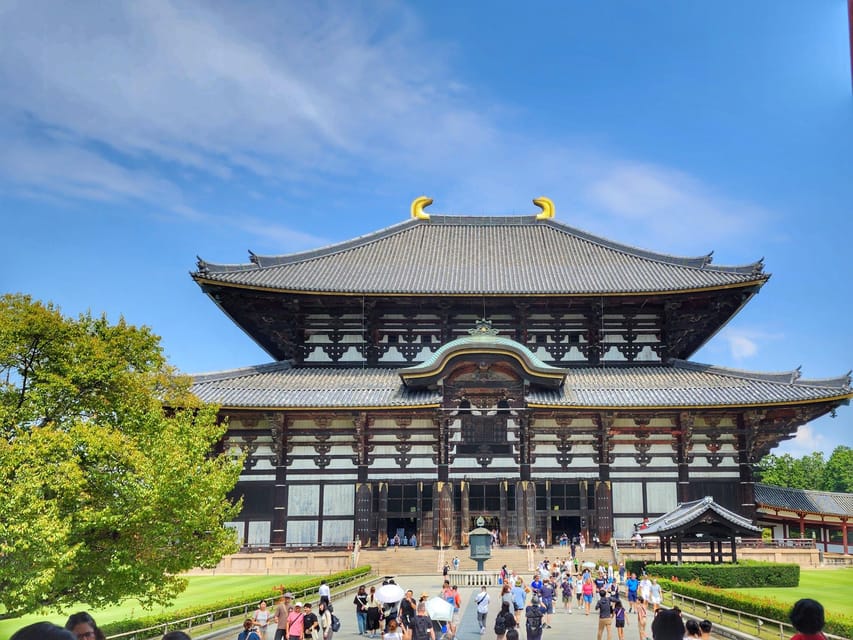
- Tōdai-ji and the Great Buddha (Daibutsu) in a UNESCO setting
- Kasuga Taisha lanterns + Naramachi lanes for shrine atmosphere and Edo-era merchant-house streets
Nara in One Long Day: what this Kyoto trip really covers
This is a classic “see the essentials, with meaning” day trip. In one stretch, you cover temple scale, Shinto shrine atmosphere, and a preserved neighborhood feel—without needing to bounce between bus lines or guess how long each stop takes.
You move in a tight rhythm: Kyoto to Nara by express train, then short guided windows at Kōfuku-ji and the major sites, plus time for your own wandering in Nara Park and Naramachi. The private-group format helps too, because you can ask questions as you go and keep the pace from turning into a race.
You’ll want to be comfortable walking. The itinerary is timed—Kōfuku-ji (about 30 minutes), Nara Park (about 15), Tōdai-ji (about 1 hour), lunch (about 1 hour), Kasuga Taisha (about 1 hour), Naramachi (about 1 hour)—so plan your day accordingly.
You can also read our reviews of more private tours in Kyoto


Meeting at JR Kyoto Station and riding the express to Nara
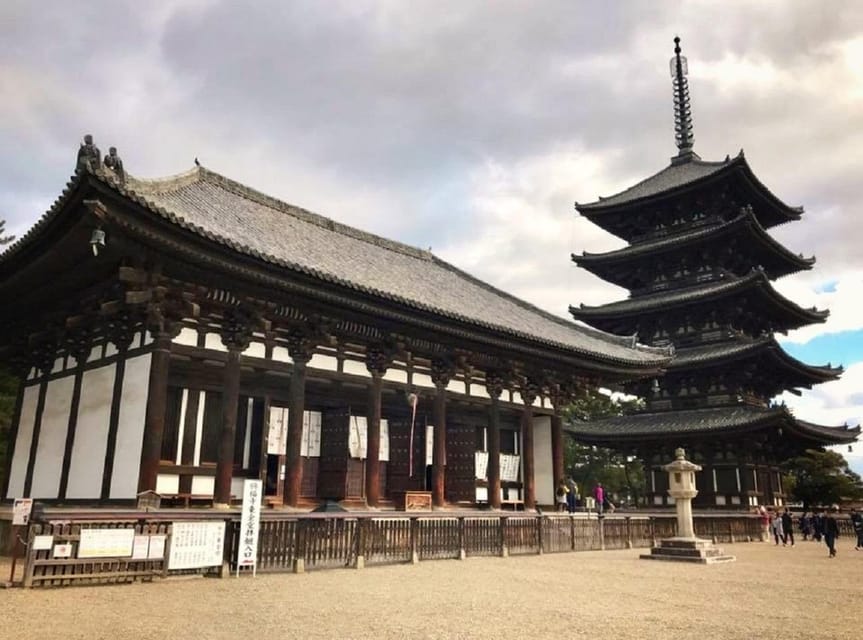
The tour meeting point is 7-Eleven Heart-In – JR Kyoto Station Central Entrance. Look for a guide wearing a TripGuru shirt or holding a TripGuru sign, and you’ll be able to match up quickly even if Kyoto station feels like it’s made of corridors.
Transportation is the only major “not included” item. The tour uses an express train to Nara, and your guide will assist with purchasing the ticket the day of travel. If you’re using a JR Pass, you can use it for this leg, and the one-way train cost is listed as JPY 1280.
This matters because train ticketing is usually the part that slows people down on day trips. With the guide handling the ticket purchase help, you’re more likely to start the day on time and less likely to lose momentum before you even reach Nara.
The total duration is listed as 8 hours, with about 1 hour each way for the train ride. That’s long enough to feel like a real excursion, not just a quick hit of the highlights.
Kōfuku-ji grounds and the Heijō-kyo capital context
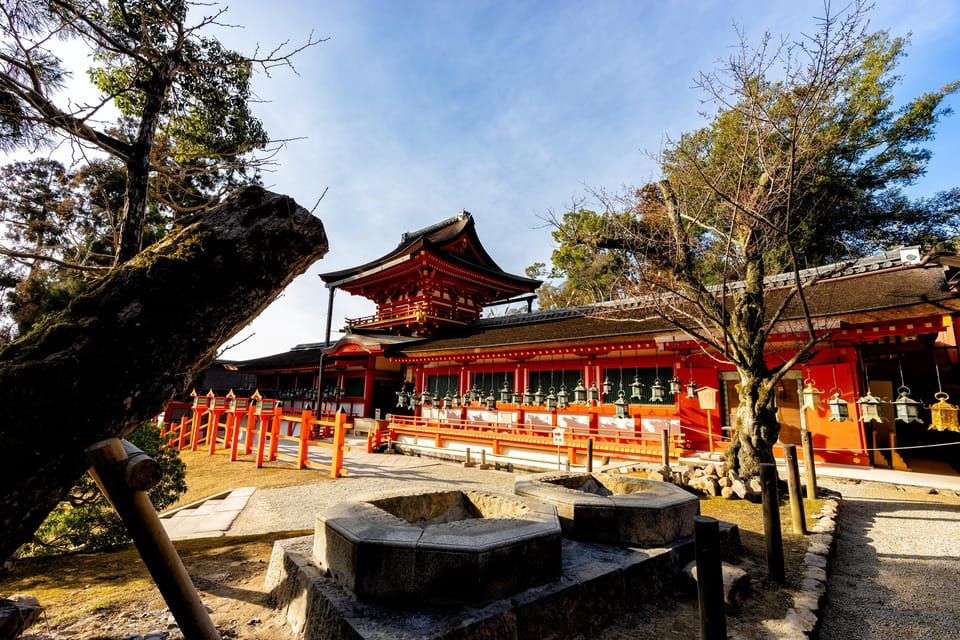
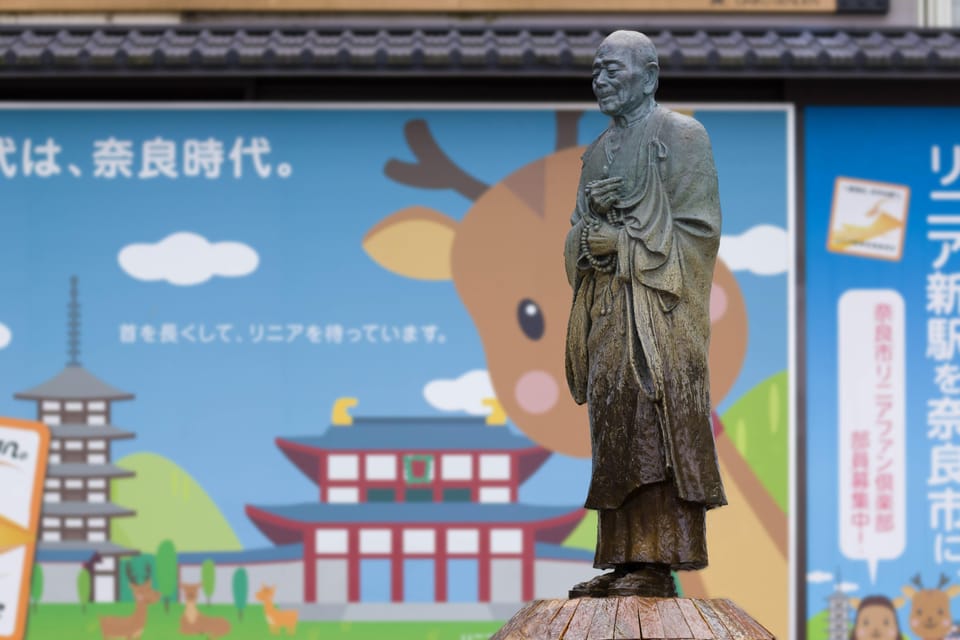
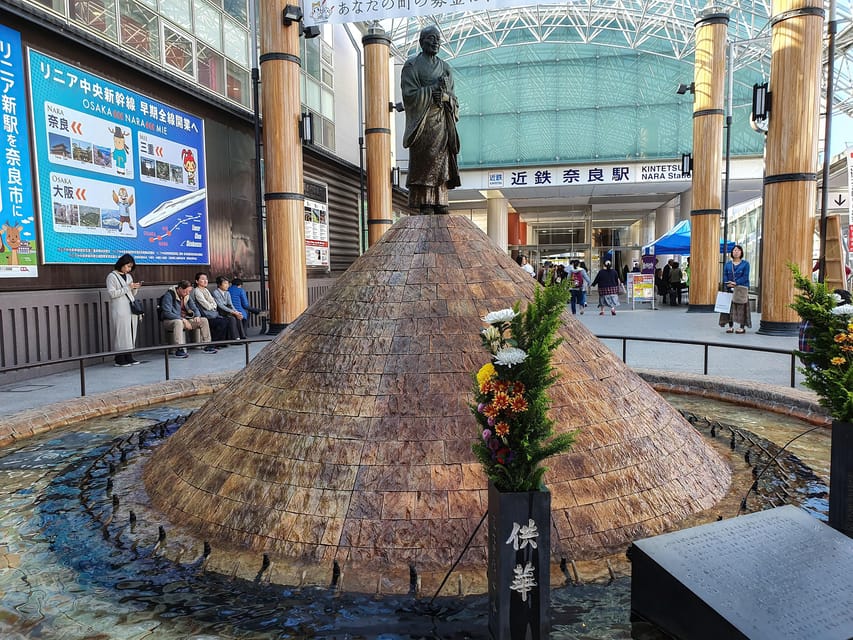
Before you get your deer photos, the day grounds you in how Nara became important. You pass by the Gyoki Statue and explore the Kōfuku-ji temple grounds, where your guide explains the history behind the establishment of Heijō-kyo, the imperial capital.
This stop is easy to underestimate because it’s not the one with the giant Buddha poster image. But it’s a smart warm-up. When you understand why Nara was chosen as a capital, later stops feel less random and more connected—temples, shrines, and the layout of the city start to make sense.
The Kōfuku-ji portion is listed at about 30 minutes with guided touring. Expect to walk through temple grounds at a calm pace and absorb the big picture from your guide’s explanations.
Also note what’s included (and what isn’t) on the money side. The listed entrance fees are for Tōdai-ji and Kasuga Shrine, so Kōfuku-ji is part of the visit, but the inclusion of a specific entry ticket for it isn’t stated. Your guide will be the best source on the day for anything you need to pay separately.
Nara Park deer time: short, sweet, and photo-friendly
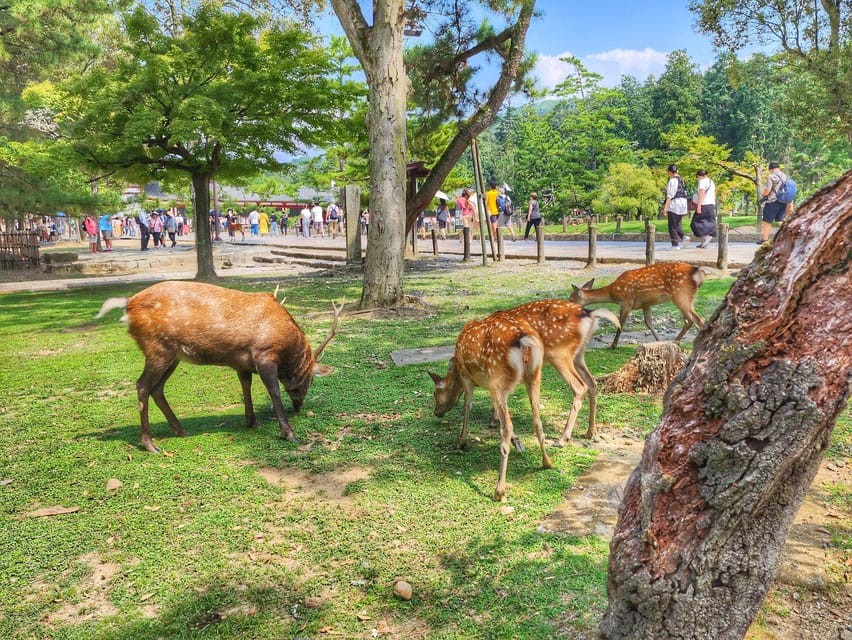
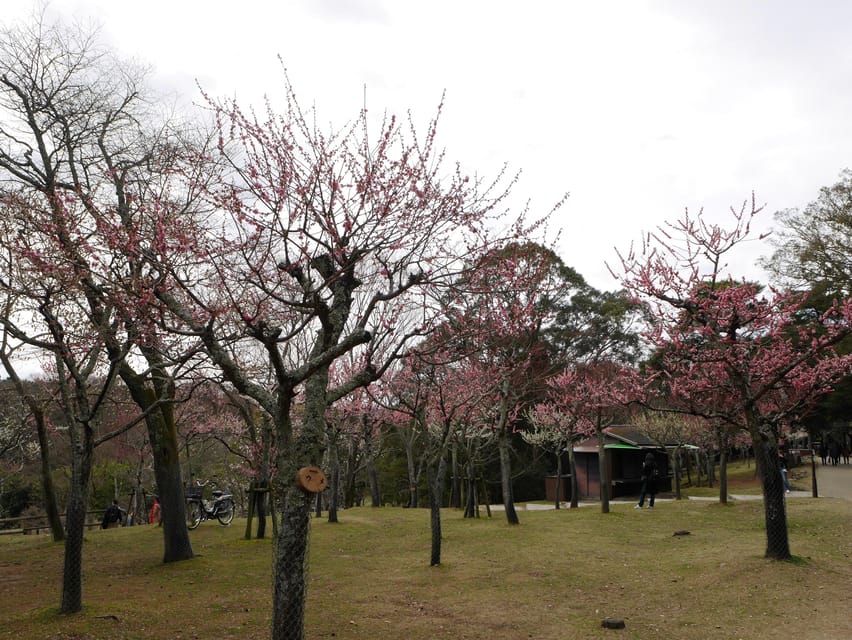
Then comes the moment most people came for: Nara Park. You’ll have about 15 minutes to visit and walk, which sounds short until you realize you’re also squeezing in the next major site. The park is open and wide, so a guided “quick window” can still feel satisfying.
You’ll see the free-roaming Sika deer, which are described here as sacred messengers of the gods in Shinto belief. They’re also described as the symbol of Nara, so this isn’t just a cute animal stop—it’s part of how Nara’s identity shows up in public space.
In practice, I like this kind of brief deer window because it keeps the day from getting derailed. You get the iconic scene and a chance to take photos, then you move on to the heavier-hitting temple and shrine elements without spending your whole afternoon waiting around.
One simple tip: the itinerary suggests bringing comfortable shoes. Even short park walks add up once you factor in temple stairs and the extra standing time at major halls.
Tōdai-ji and the Daibutsu: UNESCO scale you can feel
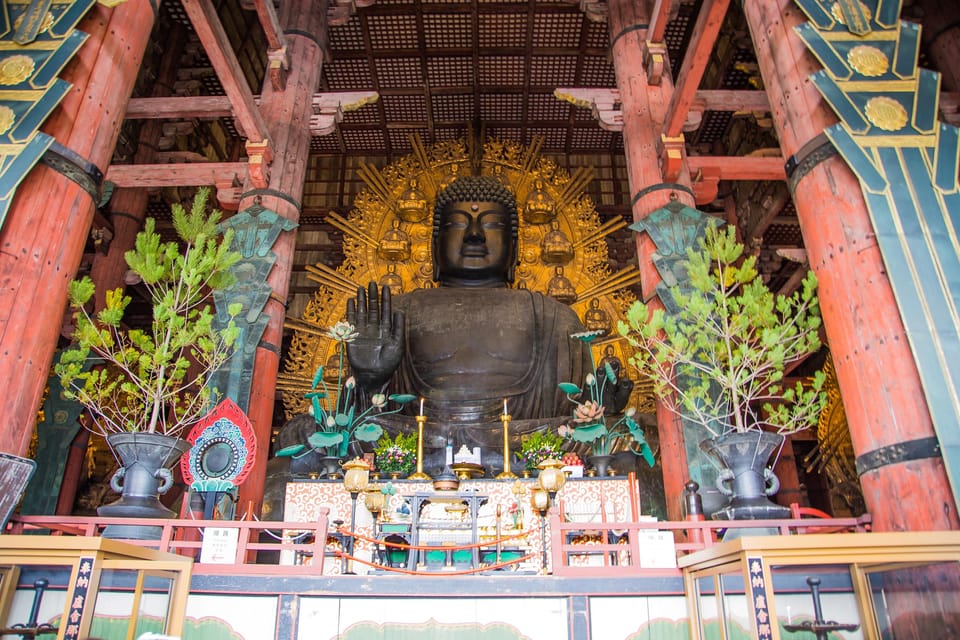
At Tōdai-ji, the tour goes big: you’ll spend about 1 hour with guided touring at this UNESCO World Heritage Site. The headline is the Great Buddha (Daibutsu), described as one of the largest bronze statues of Buddha in Japan.
This is one of those places where explanations change how you experience the room. Instead of just staring at the scale, you get context for what you’re seeing and why it matters in the broader Nara story you started at Kōfuku-ji.
The tour also places Tōdai-ji in a park setting, so you get both the monumental interior focus and a taste of the outdoor environment around it. If you’re the type who likes to understand what you’re looking at—not just see it—this is where the guide’s pacing earns its keep.
Entrance fees for Tōdai-ji are included, which reduces friction. When a day trip includes tickets at the major sites, it feels more like a packaged experience and less like a self-guided scavenger hunt.
You can also read our reviews of more tours and experiences in Kyoto


Kotoya lunch break and the snack buffer
Between temples and shrines, you get a lunch option at Kotoya Restaurant. The lunch window is listed at about 1 hour, and the traditional Japanese lunch is explicitly not included in the tour price.
If you want to try the listed option, budget around JPY 2500 per person. The tour also notes you can bring your own lunch if you prefer. Either way, snacks are included in the tour, which helps keep energy steady while you’re between major stops.
Why this lunch structure works: you’re not locked into one meal choice, but you’re still given a simple, local option that fits the itinerary’s timing. If you have dietary needs, the “bring your own or choose Kotoya” setup gives you a safer path than a strict, pre-paid meal.
You’ll also want cash. The tour data calls it out for personal expenses, and lunch (if you choose Kotoya) is a cash-friendly payment expectation even when restaurants accept cards—because small purchases during a day out tend to go faster that way.
Kasuga Taisha lanterns and a stroll through Naramachi
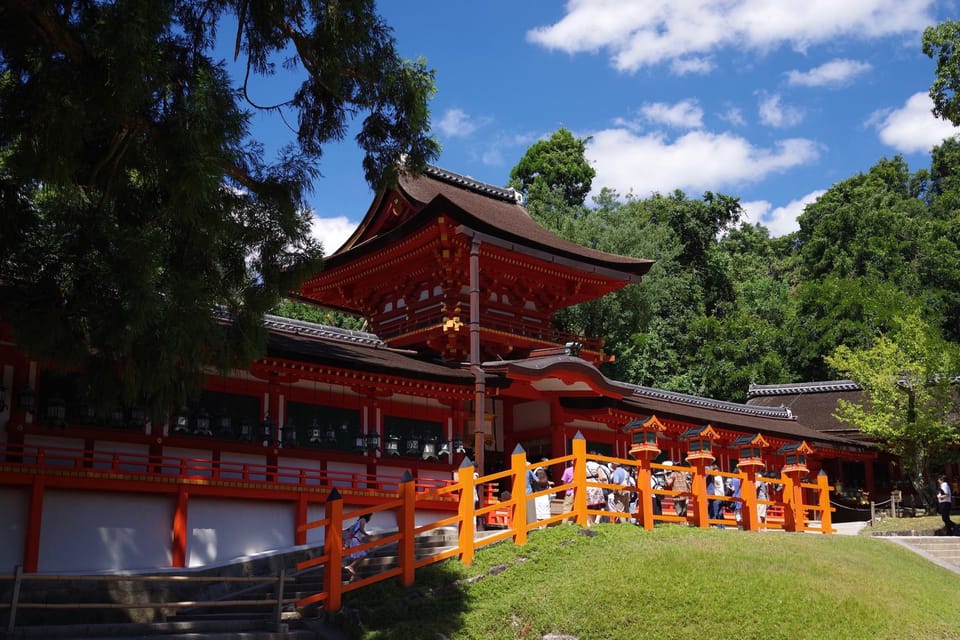
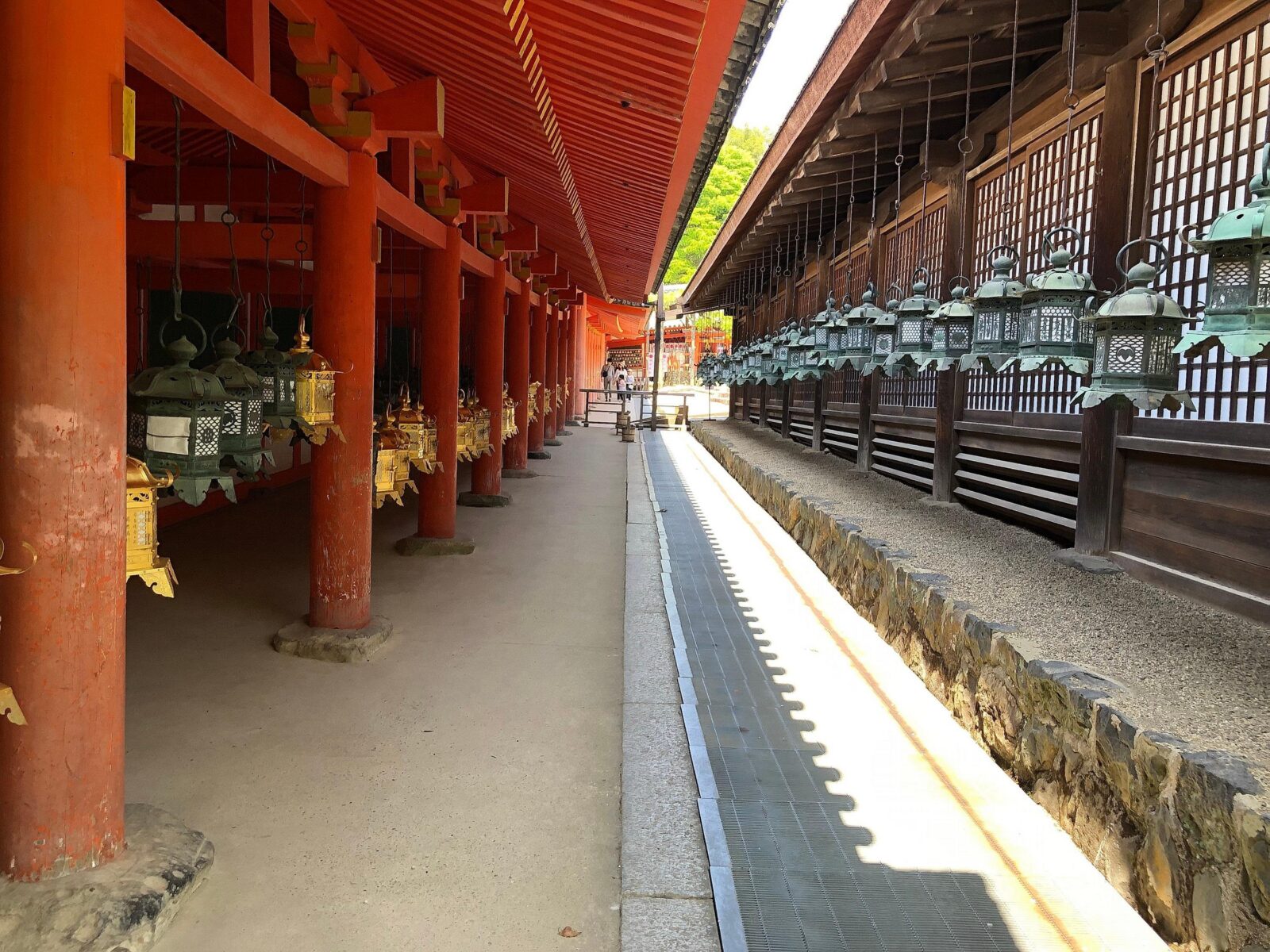
Next is Kasuga Taisha Shrine, guided for about 1 hour. The headline feature here is the shrine adorned with thousands of hanging lanterns. It’s a visual detail that instantly tells you you’re not in a temple-only day—this is Shinto atmosphere, with its own texture and rhythm.
After Kasuga Taisha, you shift gears into neighborhood wandering: Naramachi. You’ll get about 1 hour to visit, focusing on the narrow lanes lined with well-preserved traditional merchant houses that capture an Edo-period feel.
I like this late-day pairing. Lantern-heavy shrine time gives you visual memory, and then the streets let your brain transition from “big monuments” to “how everyday life looked.” It’s the kind of contrast that makes a one-day itinerary feel less repetitive.
Entrance fees for Kasuga Shrine are included, which again helps the day feel smoother. You’re paying attention, not counting coins at every stop.
If you’re bringing a camera, this is also a great stretch. The combination of lanterns and old street lanes tends to create photos that don’t look like generic postcard angles.
Guides, pace, and clear explanations (Akiko, Gustavo, Vincent and more)
The biggest strength of this tour is the guide. Across the experience, guides are described as friendly and flexible, with clear explanations that answer questions without making you feel rushed.
Specific names have been mentioned as standouts, including Akiko, Naoki, Gustavo, Vincent, and Alex. What seems to matter most is how they handle your pace and your questions. One guide is noted for being warm and attentive, another for solving doubts, and another for giving explanations that are easy to follow.
That’s not just “nice commentary.” In Japan, temple and shrine etiquette and historical context can be confusing if you’re reading only signage. When a guide can translate the story into plain language, you get a day that feels coherent, not chaotic.
Language options are also practical: the tour offers live guiding in French, Spanish, or English. That’s a big deal on a day trip because you can actually understand what you’re seeing—especially at complex sites like Tōdai-ji.
Finally, private-group format means you’re not stuck with someone else’s pace. If you want a slower photo moment or a quick question before you move on, that’s usually easier to accommodate.
Price and value: what you pay for at about $183
The price is listed at $183 per person for an 8-hour private day. At first glance, it can look pricey, but the included pieces are meaningful.
What’s included:
- English-speaking tour guide (live)
- Entrance fees for Tōdai-ji and Kasuga Shrine
- Snacks
- Guide assistance with train ticket purchase to Nara
What’s not included:
- Hotel pickup/drop-off
- Transportation (you use the express train; your guide assists buying the ticket; JR Pass can be used)
- Lunch (optional Japanese traditional lunch at Kotoya around JPY 2500)
- Personal expenses
So the value question becomes: does it save you time and mental energy? On a day trip with multiple major sites, it often does. You’re paying for organized flow, guided explanations at the key stops, and the removal of several small trip-friction points (tickets, entrance fees at major sites, timing).
If you were to do this on your own, you’d still need to: plan train timing, figure out entrance tickets, and decide how to connect the story across Kōfuku-ji, Nara Park, Tōdai-ji, Kasuga Taisha, and Naramachi. Paying for a guide is what turns a checklist into a day with direction.
Also, this is a private group, which generally means you’re not paying for a huge crowd experience. If you’re traveling with a partner or small group and you want control over the pace, the price often starts making more sense.
Who this private Nara day is for
This tour fits best if you want a structured day without losing the chance to enjoy the iconic scenes. It’s especially good if you care about context—how Heijō-kyo ties into later temple and shrine significance.
It also fits families or friend groups in good walking shape, since the itinerary is scheduled in clear time blocks and you’re not constantly searching for directions. The private-group format helps keep it from becoming a noisy group sprint.
But it isn’t for everyone. The tour is listed as not suitable for:
- pregnant women
- people with mobility impairments
- people with heart problems
- people with respiratory issues
If you’re in any of those categories, it’s worth looking for an alternative format with fewer long standing periods and more breaks.
Should you book this Kyoto to Nara private full day tour?
Book it if you want Nara’s top highlights in one day, plus a guide who explains what you’re seeing in a way that sticks. You’ll get the iconic deer at Nara Park, the UNESCO weight of Tōdai-ji, the lantern atmosphere of Kasuga Taisha, and the Edo-ish street feel of Naramachi—all tied together with guidance rather than guesswork.
Skip it (or consider a different option) if you strongly prefer self-paced travel, because this itinerary is time-structured and covers multiple major stops. Also plan on cash for any personal expenses and for the optional lunch.
If your plans are still flexible, the experience offers free cancellation up to 24 hours in advance for a full refund, which lowers the risk. For many people, that makes it easier to book now and adjust later if Kyoto-to-Nara timing needs to change.
FAQ
Where is the meeting point?
You meet at 7-Eleven Heart-In – JR Kyoto Station Central Entrance. The guide will be wearing a TripGuru shirt or holding a TripGuru sign.
How long is the tour?
The duration is listed as 8 hours.
Which sites are included in the itinerary?
The tour includes Kōfuku-ji, Nara Park, Tōdai-ji, Kasuga Taisha Shrine, and Naramachi.
Is the train ticket included in the price?
Transportation is not included. The guide will assist you with purchasing the train ticket to Nara on the day of travel, and the one-way cost is listed as JPY 1280. A JR Pass can be used.
Are entrance fees included?
Yes for Tōdai-ji Temple and Kasuga Shrine.
Is lunch included?
Lunch is not included in the tour price. You can choose the optional traditional lunch at Kotoya Restaurant (around JPY 2500 per person) or bring your own.
What’s included besides the guide?
The tour includes an English-speaking tour guide, entrance fees for Tōdai-ji and Kasuga, and snacks.
What languages are available for the live guide?
Live guiding is available in French, Spanish, and English.
What should I bring?
Bring comfortable shoes, a camera, and cash.
Who shouldn’t book this tour?
The tour is listed as not suitable for pregnant women, people with mobility impairments, and those with heart problems or respiratory issues.