REVIEW · KYOTO
Izakaya Style Cooking Class
Book on Viator →Operated by Cooking Sun · Bookable on Viator
Knife time in Kyoto sounds better than it looks. This izakaya-style class turns a casual Japanese dining habit into practical cooking skills, starting at 2pm inside a traditional wood house setup with a small group in Shimogyo Ward. You finish by eating what you cook, with dinner included.
Two things I like a lot: the hands-on coaching from Keiko and her team (they keep things moving and step in when you need help), and the recipes you take home, so you can recreate the flavors without guessing. It’s structured enough for beginners, but the technique talk gives food people something real to chew on.
One consideration: the menu can change based on seasonal ingredients. If you’re chasing a specific dish, you’ll want to double-check what’s on the day you book.
In This Review
- Key highlights worth your attention
- Izakaya-Style Cooking in Kyoto: What You Actually Learn
- Finding Cooking Sun Kyoto and Your 2pm Rhythm
- Dashi and Seasoning: The Skills That Make Everything Taste Japanese
- The Dish Lineup: Seasonal Izakaya Favorites, Not a One-Size Menu
- A realistic expectation about difficulty
- Dinner at the End: Eating What You Made (With the Right Mindset)
- Price and Logistics: Is $71.63 Good Value?
- Who Should Book This Class (And Who Might Want a Different One)
- One mismatch to consider
- Tips for Getting the Most Out of the 3 Hours
- Taking It Home: How the Recipes Become Real Cooking Skills
- Should You Book This Izakaya-Style Cooking Class?
- FAQ
- How long is the Izakaya style cooking class in Kyoto?
- Where is the class meeting point?
- Is dinner included?
- Will the class be taught in English?
- What will I cook during the class?
- Do I get recipes to take home?
- Are dietary requirements accommodated?
- Is any drink included with the meal?
- How many people are in each class?
- What is the cancellation policy?
Key highlights worth your attention
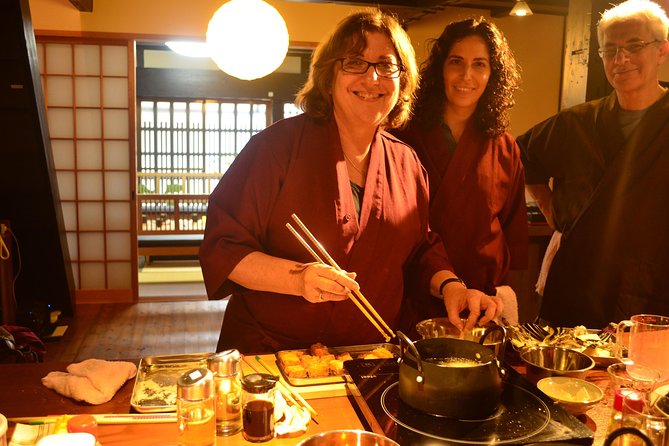
- Small group format (max 8): more time at the counter, less waiting around
- Dashi + seasoning practice: you’ll learn the base flavors that make everything taste right
- English-speaking instruction: clear steps and sauce/condiment explanations
- Dinner included: you cook and then sit to eat as part of the experience
- Dietary flexibility with advance notice: tell them your needs when booking
Izakaya-Style Cooking in Kyoto: What You Actually Learn
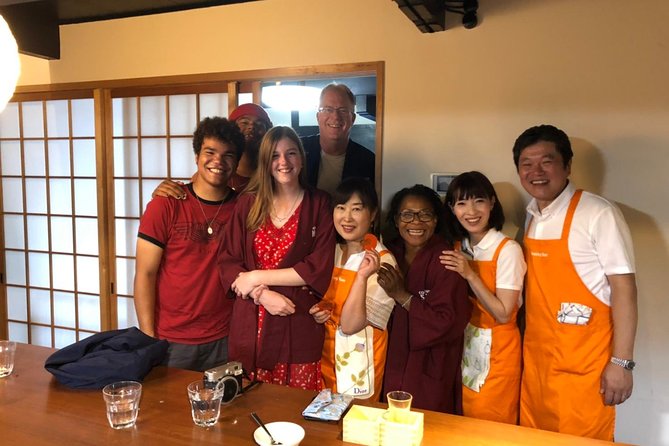
Izakaya is Japan’s version of tapas: small plates, casual sharing, and lots of flavor built on smart seasoning. The class is designed to take that “eat-and-drink vibe” and translate it into dishes you can cook at home, not just meals you temporarily enjoy and forget.
You start with the foundation—how Japanese seasoning works and how to make dashi (the soup stock) correctly. That base matters because it’s what turns simple ingredients like vegetables and seafood into something deeper than the sum of its parts.
The cultural framing is useful too. You’re not only cooking; you’re learning why izakaya became a thing in the first place—often linked to historical sake-making pressures and then the Edo-era pattern of sake sellers offering food alongside bottles. That context helps the menu make sense, even if you never planned to study culinary history.
You can also read our reviews of more cooking classes in Kyoto

Finding Cooking Sun Kyoto and Your 2pm Rhythm
This experience runs about 3 hours, starting at 2:00 pm. You meet at Cooking Sun at 679 Funayachō, Shimogyo Ward, Kyoto, 600-8466, Japan, and the activity ends back at the meeting point. No hotel pickup or drop-off is part of the deal, so plan on getting there yourself.
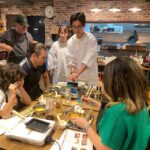
The studio is in a traditional wood-house style setting. That matters more than it sounds. A kitchen like this tends to be hands-on by design, and you feel the “local, small-space” reality of Japanese cooking rather than a generic classroom setup.
Also, the group size stays small: up to 8 people per booking. That keeps the pace sane. You’re not watching someone else cook while you wait your turn.
Practical note: the organizer provides the studio location at booking, and you’ll also have a clear meeting point address. If you’re arriving from central Kyoto, give yourself a little buffer for walking and finding the exact entrance.
Dashi and Seasoning: The Skills That Make Everything Taste Japanese
If you only remember one thing from this class, make it dashi. Dashi isn’t just “broth.” It’s the flavor backbone many Japanese dishes build on—so when you learn it here, you’re learning a technique you’ll use again and again.
You also work on Japanese seasoning techniques, which is where people often get stuck at home. Japanese cooking can look simple—until you realize the results depend on stock quality, balance, and timing. The class helps you avoid the common beginner move: throwing seasonings in until it tastes right. Instead, you learn how recipes create flavor relationships.
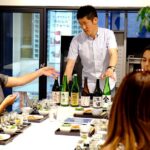
The instruction style is also practical. You follow along with a demo first, then you get your knife and hands in the work. Several dishes in the class involve sauce building or condiment choices, and the English-speaking leader explains the differences so you understand what you made instead of memorizing a label.
You’ll likely hear a lot about texture too: how to handle vegetables so they stay pleasant, and how to manage cooking so your plate looks—and eats—like the real thing. That’s part of why the food ends up feeling “healthy” to many people even when it’s clearly not boring.
The Dish Lineup: Seasonal Izakaya Favorites, Not a One-Size Menu
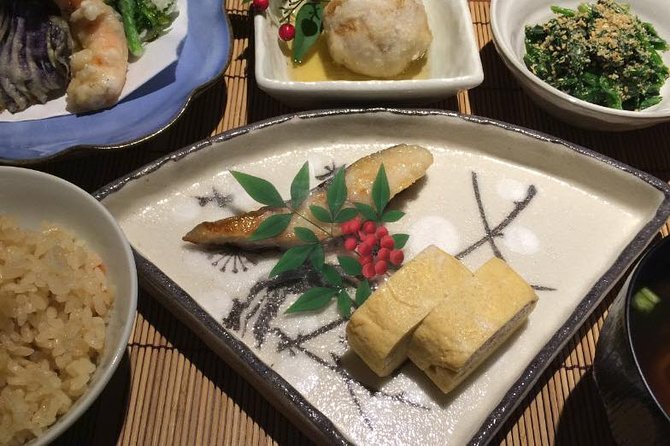
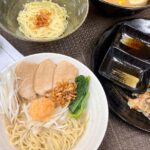
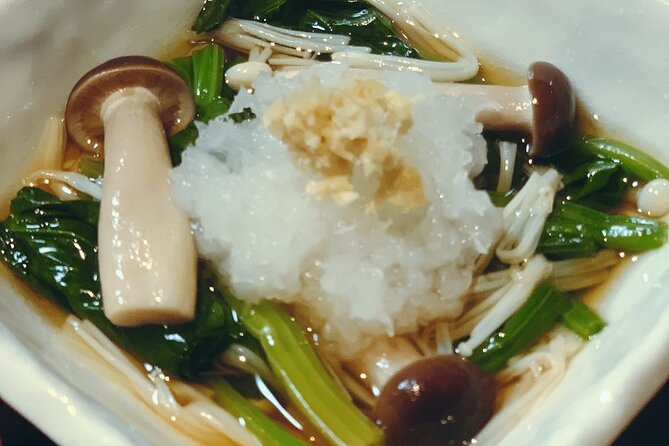
The class is built around izakaya-style plates—think small, satisfying, shareable dishes. You may cook up to six dishes in a single session, and the exact lineup can shift with seasonal ingredient availability.
Common dish examples you might see include:
- Spinach with sesame sauce
- Teriyaki yellowtail
- Vegetable chowder
- Mushroom tempura
- Rice with vegetables
Based on past menus from this provider, you may also make items like cucumber salad, pumpkin soup, and a mochi dessert. You could even see pasta on the table depending on the day, since menus adjust for what’s available and what fits the class flow.
Here’s the key value: you’re not just learning recipes. You’re learning how Japanese cooks treat components—stock, sauces, and finishing touches—so you can adapt later. If your homemade version isn’t identical, you’ll still land in the right flavor zone. That’s what lets the recipes actually matter after the class ends.
A realistic expectation about difficulty
The cooking is designed to be approachable. The prep is organized, and you usually get clear steps rather than being handed a mystery task list. That said, you will be doing real work: chopping, assembling, and cooking with guidance, not just watching.
If you’re an avid cook, you’ll still likely appreciate the technique details—especially around seasoning and sauce differences. If you’re a total beginner, you’ll appreciate that the pacing stays calm and help is close by.
You can also read our reviews of more drinking tours in Kyoto


Dinner at the End: Eating What You Made (With the Right Mindset)
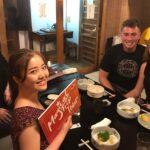
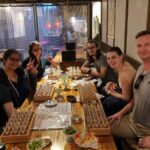
About the time your kitchen fatigue starts to kick in, you shift to the fun part: sitting down with the other participants and eating your dishes for dinner. Since dinner is included, the meal isn’t an extra purchase or an afterthought.
This is also where the izakaya concept clicks. You’re tasting a collection of plates, not one perfect main course. That changes how you judge your cooking. You notice balances—how a salty-sweet teriyaki plays with something creamy, how sesame sauce lifts vegetables, or how a soup base makes everything feel more grounded.
One small caution: food and drinks beyond what’s specified may cost extra. The class includes dinner, but if sake is offered as part of the meal, check what’s included before you order. There’s at least one past experience where the cost of a sake glass was not assumed to be included, so a quick question is smart.
If you’re drinking later, plan for it after you finish eating and leave the kitchen mode behind. You’ll enjoy the flavors more that way—and your knife hand will thank you.
Price and Logistics: Is $71.63 Good Value?
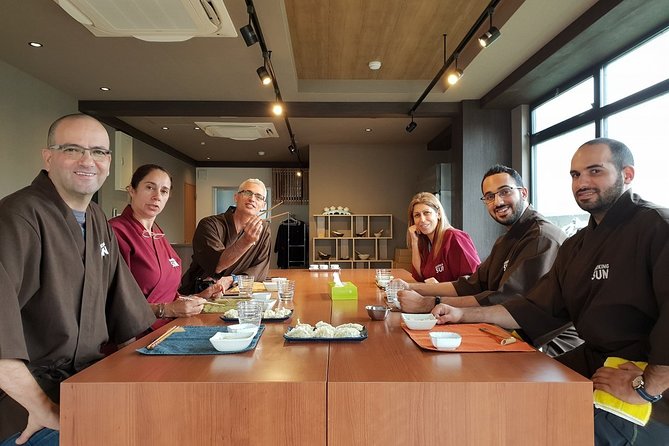
At $71.63 per person, you’re paying for three things that add up: a real cooking session, all necessary ingredients, and a dinner you didn’t have to design yourself. You also get an English-speaking instructor and an apron, plus recipes to take home.
For me, the best value signal isn’t the price number. It’s the structure:
- small group size (max 8)
- hands-on work, not passive watching
- dashi + seasoning fundamentals
- dinner built into the experience
In other words, you’re not just buying a meal. You’re buying a skill-transfer session where you leave with the tools to cook similar flavors again. That’s why the “take-home recipes” feature is more valuable than it sounds.
Logistics are straightforward too: no hotel pickup, and you need to show up yourself near public transportation. If you’re already planning to walk Kyoto neighborhoods that afternoon, it fits well.
If you’re comparing options, think about whether you want a guided cultural lesson, or whether you want the actual cooking practice. This class is the second one.
Who Should Book This Class (And Who Might Want a Different One)
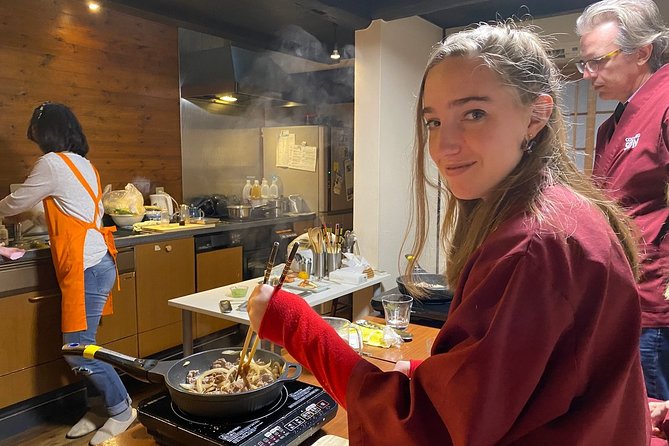
This class is a strong match if you want:
- an approachable way to learn Japanese technique
- multiple dishes, so you get variety
- a calm, organized group experience in Kyoto
- recipes you can recreate at home
It also suits families well. Past sessions have included kids (including ages 10 and 12) with recipes and instructions pitched so different ages could follow along. If you’re traveling with younger cooks, this kind of guidance matters more than fancy food words.
Food allergy and dietary needs can be handled when you tell them in advance. The booking instructions ask you to advise specific dietary requirements, and there are examples of accommodating both vegetarians and celiac needs. Don’t assume it automatically—message your needs when you book so they can plan the menu.
One mismatch to consider
Because the menu changes seasonally, you might not get the one dish you had in your head (like a specific noodle-focused meal). If your dream includes a very particular type of food, confirm what’s typical for your date and be open to a “Japanese izakaya flavor map” rather than a fixed menu.
Tips for Getting the Most Out of the 3 Hours
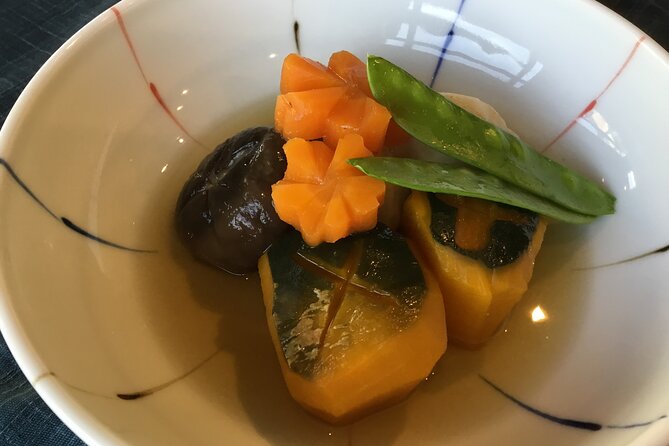
Here’s how to turn this into a win, not just a fun afternoon.
First, come hungry but not starving. You’ll cook, then you’ll eat a lot. The class is hands-on and the portions can be satisfying, so you don’t need a giant pre-meal beforehand.
Second, watch seasoning like it’s the main course. People often focus on the ingredients and ignore the technique that makes them taste Japanese. Ask about why certain sauces work—sweet-salty balance, stock-based depth, and finishing touches. You’ll get more from the class if you think in flavors, not steps.
Third, take notes on what you taste. When you eat your dishes at the end, it becomes a feedback session. You’ll remember that “this needed more balance” or “this sauce is all about the stock base” later when you cook at home.
Fourth, ask for post-class recommendations while you’re there. The experience includes the chance to ask your guide for tips and recommendations after the tour ends. If you want help finding good local izakaya-style spots later in Kyoto, this is the moment.
Taking It Home: How the Recipes Become Real Cooking Skills
The real magic of a good cooking class is what happens after. Here, the goal is clear: you leave with recipes so you can cook these dishes for friends and family.
To make that work, focus on three things when you cook at home:
- Use dashi as a base when a recipe calls for it
- Respect the balance of sauce and seasoning rather than “adding until it tastes right”
- Recreate the process, not just the final flavor
Also, don’t panic if you can’t find every exact ingredient. Japanese cooking often relies on technique and balance, so substitutions can still work when you understand the role each component plays. That’s exactly why the class spends time explaining sauce and condiment differences.
If you’re the kind of person who loves a “repeatable meal,” this is built for you. If you’re more of a one-and-done cook, you’ll still get enough knowledge to improvise confidently without turning dinner into a science experiment.
Should You Book This Izakaya-Style Cooking Class?
I’d book it if you want a Kyoto activity that actually teaches you something you can use. The combination of dashi + seasoning fundamentals, hands-on practice, and a sit-down dinner makes this feel like skill-building, not just a ticket to food.
It’s also a great value when you consider what’s included: ingredients, instructor, apron, dinner, and recipes. If you’re traveling solo, as a couple, or with kids, the small group size keeps it friendly and manageable.
Book it with one mindset: the menu is seasonal, so come ready to enjoy what’s on the day. If you’re chasing one specific dish, confirm your date’s menu early.
If you want, tell me your travel dates and dietary needs (if any), and I’ll help you think through whether this class fits your Kyoto schedule and what dishes you’re most likely to see.
FAQ
How long is the Izakaya style cooking class in Kyoto?
It runs for about 3 hours.
Where is the class meeting point?
You meet at Cooking Sun, 679 Funayachō, Shimogyo Ward, Kyoto, 600-8466, Japan.
Is dinner included?
Yes. Dinner is included as part of the experience.
Will the class be taught in English?
Yes. The class includes an English-speaking cooking instructor.
What will I cook during the class?
You’ll make Japanese home dishes in an izakaya style, and the menu may vary based on seasonal ingredients. Dishes can include items like dashi and a mix of izakaya favorites.
Do I get recipes to take home?
Yes. You leave the session with the recipes so you can cook for friends and family later.
Are dietary requirements accommodated?
You can advise dietary requirements at the time of booking. The class is set up to accommodate specific needs when you let them know in advance.
Is any drink included with the meal?
Dinner is included, but food and drinks are not included unless specified. If sake is offered, it may cost extra.
How many people are in each class?
The class has a maximum of 8 people per booking.
What is the cancellation policy?
You can cancel for a full refund if you cancel at least 24 hours before the experience starts. If you cancel less than 24 hours before, the amount paid is not refunded.