Lantern-lit streets and geisha stories come fast here. This Kyoto Gion Geisha District walking tour is built for real understanding, not just quick photos—your local guide connects what you see in the streets to how maiko and geisha train, how daily life works, and how Kyoto changed from imperial capital to modern cultural center. I especially like the focus on quiet backstreets and preserved streetscapes, plus the way the guide keeps the stories tied to the exact places on your route.
The main drawback is simple: this is a 3-hour walk with lots of steps, and it can feel tough if your fitness level is low. If you know you tire quickly on stairs, you’ll want to think twice (or bring extra patience).
In This Review
- Key highlights you’ll feel on the ground
- Gion in 3 hours: how this walk feels different from a checklist
- Where the tour starts: Ben’s Cookies Kyoto Shijo and first impressions
- Gion Tatsumi Bridge: a quick landmark stop that sets the tone
- Chion-in (30 minutes): the longest segment and how to use it
- Maruyama Park (20 minutes): breathing space in the middle of steps
- Hōkan-ji (10 minutes) plus the short temple-and-street rhythm
- Ninen-zaka and Sannenzaka: small time windows, big atmosphere
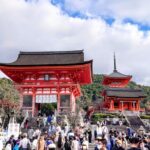
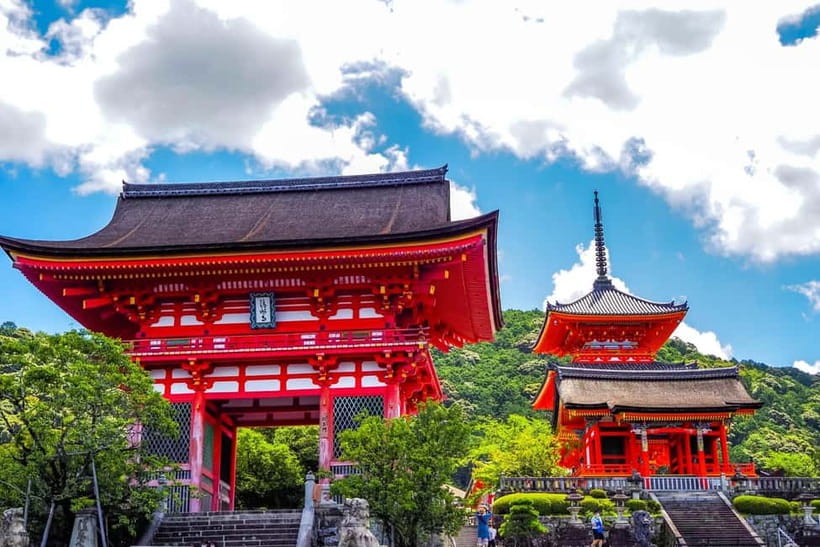
- Kiyomizu-dera Niomon Gate finale: finishing where you want to keep going
- The guides are the secret sauce (and names to watch for)
- Walking considerations: steps are real, pace is part of the deal
- Price and value: why $25 can make sense here
- Who this tour is best for
- Quick planning tips before you go
- Should you book this Kyoto Gion geisha district walking tour?
- FAQ
- How long is the Kyoto Gion Geisha District walking tour?
- Where do I meet the guide?
- Where does the tour end?
- Is the tour guide available in English?
- What should I bring with me?
- Are alcohol or drugs allowed during the tour?
- Is the tour suitable for low fitness levels?
Key highlights you’ll feel on the ground
- Gion-focused route with a real local guide who explains what you’re walking through, in English.
- Geisha culture made practical, including how maiko and geisha train and work.
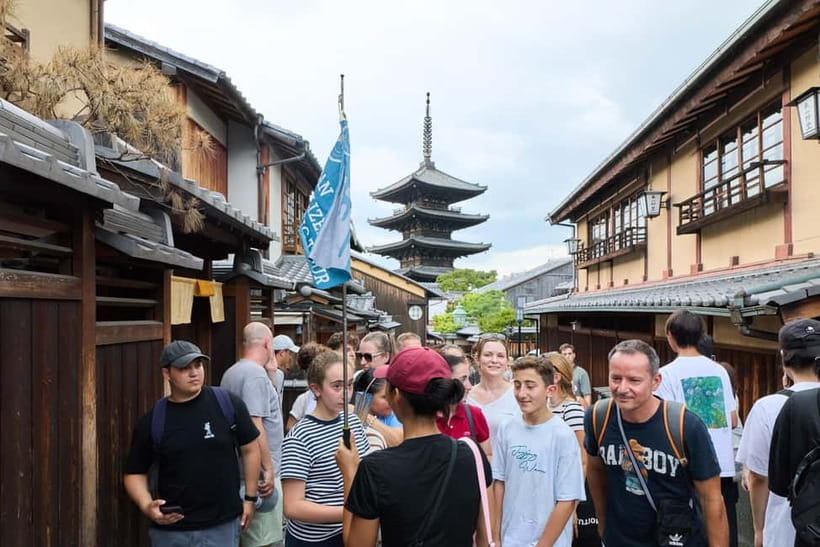
- Less-visited stops like hidden shrines and quieter lanes between the showy scenery.
- A compact itinerary that still covers major Higashiyama-side sights without turning into an all-day grind.
- Clear photo moments, especially around lantern-lined areas and the traditional street approaches.
- A special finish at Kiyomizu-dera Niomon Gate, so you can keep exploring right after the tour.
Gion in 3 hours: how this walk feels different from a checklist

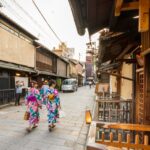
Kyoto has a way of making big sights feel far away from the everyday rhythm. This tour bridges that gap by keeping you in Gion long enough to absorb the mood—wooden townhouses, traditional alleyway atmosphere, and those in-between corners most people rush past. Instead of just pointing and moving on, the guide stitches together what you see with why it matters to geisha culture and Kyoto’s religious traditions.
What I like is that the “history” isn’t a separate lecture. It lands right where you’re standing. One moment you’re learning how Kyoto’s past connects to the present; the next you’re walking past preserved streetscapes where the story becomes visual. And yes, you still get photo opportunities, but the tour’s goal is understanding, not posing for endless pictures.
The pacing is the key. Three hours sounds short until you factor in steps and the stop-and-listen rhythm. Your feet will notice the difference.
You can also read our reviews of more walking tours in Kyoto

Where the tour starts: Ben’s Cookies Kyoto Shijo and first impressions
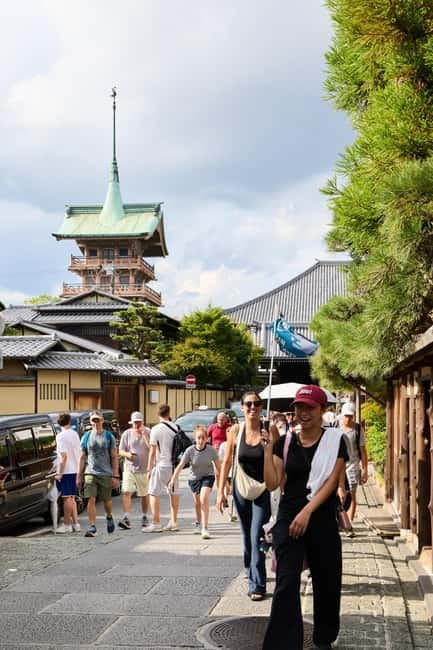
You meet at Ben’s Cookies Kyoto Shijo, with the guide holding a sign out front. That’s a small detail, but it matters. Kyoto can be confusing—street names, alley turns, and landmarks that look the same at a glance—so starting at an easy-to-find point helps you relax.
You’ll spend about 10 minutes at the start location with guided time. That short opening is useful for two reasons:
1) you get oriented quickly, and
2) you’re already in story mode before the main walking begins.
If you’re trying to fit this tour into a day of temples and shopping, this “soft start” helps you get bearings fast.
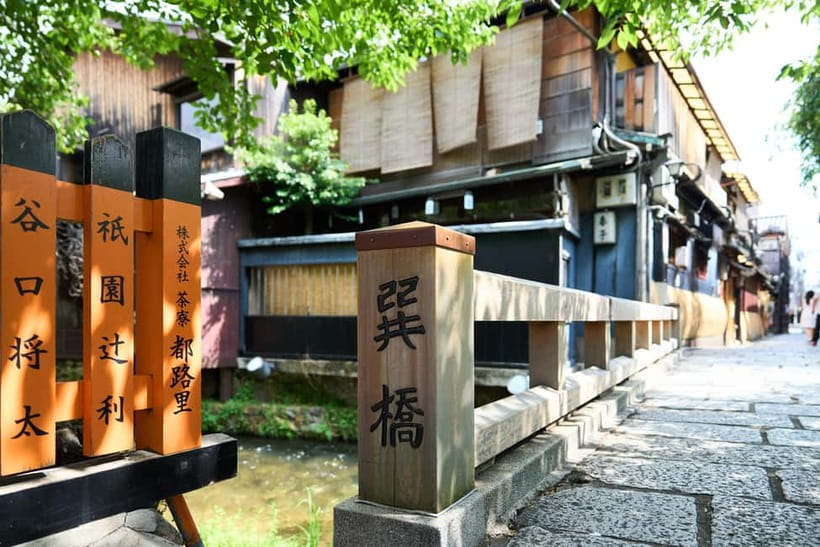
Gion Tatsumi Bridge: a quick landmark stop that sets the tone
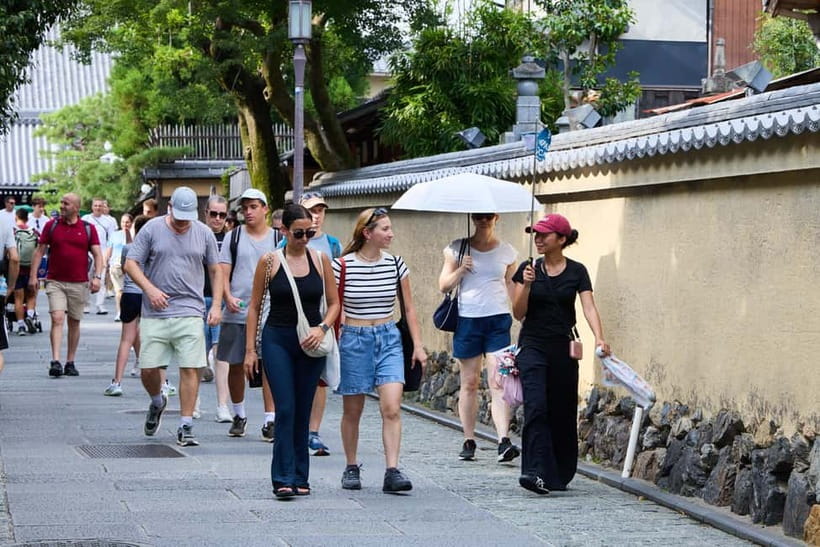
The route includes a visit and guided stop at Gion Tatsumi Bridge (about 20 minutes). You’re not doing a long museum-style detour here. This stop functions like a hinge in the experience—an early moment where the guide can connect the geography of the area to the cultural atmosphere you’re heading into.
Why it matters: early in a walking tour, you’re still calibrating. Are you going to be bored? Lost? Too focused on the next photo? This bridge stop helps establish that you’re in the right place and that the stories will keep matching the surroundings you’re seeing.
If you like guided walking tours, this is the kind of stop that makes you trust the rest of the route.
Chion-in (30 minutes): the longest segment and how to use it
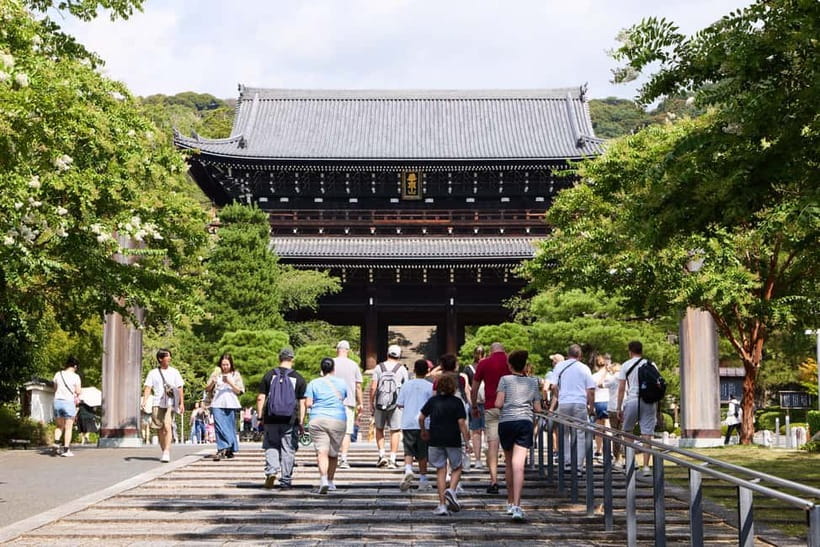
Next comes Chion-in, with about 30 minutes on the schedule. This is your main “slow down” point. When a route gives you extra time at one site, it usually means the guide wants you to look around and not just pass through.
Here’s how you can make the most of it:
- Listen for how the guide ties Kyoto’s religious traditions into daily life in the city.
- Ask questions if you’re curious—this tour is built for Q&A, not for being silent and moving on.
- Take a few minutes to stand back and let the place sink in before you move to the next street.
A possible drawback: longer visits mean less time for rest later. Because you’re walking with stairs, you’ll want to pace your energy at this point, not spend it all here.
Maruyama Park (20 minutes): breathing space in the middle of steps
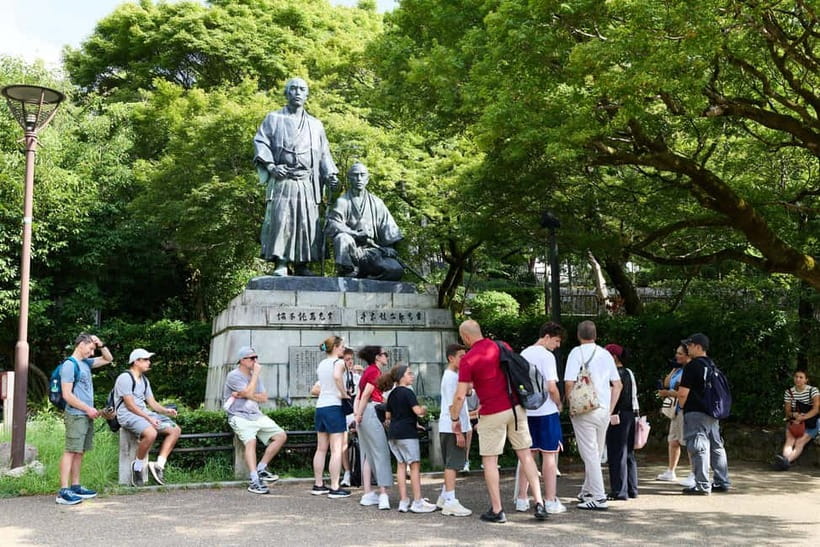
After the heavier stop, you’ll get Maruyama Park (about 20 minutes). Even with no extra “mystical” claims, parks on walking itineraries matter. They give you a breather so you’re not constantly climbing and stopping.
This is also a good moment to reset:
- grab water (or at least plan your next sip),
- stand somewhere comfortable while you listen,
- and decide whether you need to slow down your pace.
In a tour with lots of steps, that mid-route reset is more than comfort. It helps you keep enjoying the stories rather than feeling like you’re white-knuckling your way to the finish.

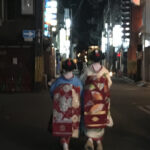
Hōkan-ji (10 minutes) plus the short temple-and-street rhythm
You’ll also stop at Hōkan-ji for about 10 minutes. It’s brief, which is exactly why it works. After a longer temple segment and a park pause, a short temple stop keeps variety high without turning the day into a marathon.
Then you move into the approach streets: Ninen Zaka and Sannenzaka, each listed as about 5 minutes. These are short segments, but they’re designed to hit you with that Kyoto feeling—stone-path atmosphere, traditional street visuals, and the kind of street-level details you’d miss if you were only rushing between bigger sites.
If you’re the type who likes to look up (and not just at the path), these short stretches are where your camera time pays off.
Ninen-zaka and Sannenzaka: small time windows, big atmosphere
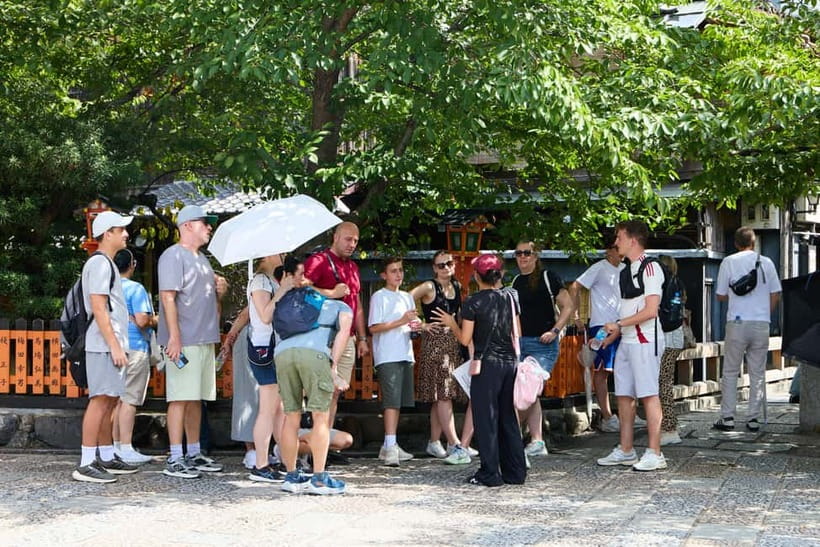
Let’s be honest: 5 minutes sounds too short for anything meaningful. But this route uses those minutes well. By the time you reach Ninen Zaka Path and Sannenzaka, you’ve already built context: geisha culture, Kyoto’s religious traditions, and the city’s long transformation into a modern cultural center.
So the street approach segments don’t need a long explanation. They work because you’re already tuned in. You’re walking through preserved street character, catching those photo moments, and noticing the quiet corners that fit the tour’s “hidden shrines and backstreets” promise.
Practical note: stone and stairs can be unforgiving. Walk like you mean it.
Kiyomizu-dera Niomon Gate finale: finishing where you want to keep going
The tour ends at Kiyomizu-dera Niomon Gate. This finish point is the kind of decision that makes independent sightseeing easier afterward. You’re done with your guided time, but you’re not dropped somewhere irrelevant.
A “finale” matters in guided walks. It gives closure and a natural next step. If you like to keep exploring after tours, ending at a major gate-and-temple area makes your remaining time easier to plan.
Also, it’s a nice contrast: you started at a modern storefront meeting point and ended at a landmark gate. That jump mirrors what Kyoto often does best—same city, different eras.
The guides are the secret sauce (and names to watch for)
The route’s value isn’t just the sights. It’s the guide. Some sessions are led by guides such as Ben, Jay, or J (including Mr J in past write-ups)—and across them, the pattern is consistent: lively, friendly storytelling with history connections that you can actually use.
A few things stand out about the guide style:
- You get anecdotes that link what you’re seeing to Japanese history and how it relates to the present.
- The explanations stay clear even when you ask lots of questions.
- The guide manages pace so you’re not constantly “performing endurance.”
One review notes the guide shared topics ranging from samurai and the Shinkansen to tanuki, which tells you something important: this tour treats Kyoto as a living place, not a sealed time capsule. Another notes that the guide had a degree in history, and you can feel that in the way stories come with structure instead of random trivia.
If you care about how context turns a street view into understanding, this guide-driven approach is the main reason people rate the experience so highly.
Walking considerations: steps are real, pace is part of the deal
This tour includes lots of steps, and it’s listed as not suitable for people with low level of fitness. That’s not just legal wording. Kyoto’s charm is partly vertical: stairs, slopes, and lane levels that never stay flat.
My practical take:
- Wear supportive shoes. If your footwear is cute but not grippy, you’ll pay for it.
- Bring water. The route doesn’t suggest long “sit-down” breaks.
- Go in with a pace mindset. This is not a power-walk.
Group size can vary. On some days you may get a small group feel, which makes questions easier and the experience more personal. On busier days, the guide still covers a lot of ground, so expect frequent stop-and-listen beats rather than nonstop roaming.
Price and value: why $25 can make sense here
At $25 per person for 3 hours, the value is mostly about what’s included: a live English guide plus a route that hits multiple major areas without eating your whole day. For a city like Kyoto, where you can spend a lot of time figuring out what’s worth your attention, a guided route can save you mental energy.
You’re also paying for interpretation. Learning how geisha culture works (including how maiko and geisha train and work) is the kind of thing you can read online, but it’s more satisfying when it’s explained while you walk past the setting those traditions occupy.
Is it the best deal for everyone? If you hate stairs or you only want free wandering time, you might feel boxed in. But if you like structured walking with stories that match the street scenes, the price is very reasonable.
Who this tour is best for
You’ll get the most out of this tour if you:
- want Gion focused guidance and not just one temple stop,
- like cultural context you can connect to what you see,
- enjoy walking as an activity (not as a chore),
- and want an English guide who answers questions.
It may not be your best match if you:
- have trouble with stairs,
- need a very low-impact itinerary,
- or prefer to explore without explanations.
It can also work well for mixed-age groups because the guide’s job is to keep things understandable and moving. If you’re traveling with teens or older relatives, the key is deciding whether the step load is manageable.
Quick planning tips before you go
- Bring water (simple, but it matters on step-heavy routes).
- Dress for walking: comfortable shoes beat trendy footwear.
- Plan your day so you’re not rushing immediately after the tour ends—finishing at Kiyomizu-dera is a good springboard, but you may still want time to settle your legs.
And one more thing: take your time with the quiet lanes. The tour’s payoff is partly in those in-between moments—lantern-lined sections, preserved wooden streetscapes, and shrines tucked between buildings.
Should you book this Kyoto Gion geisha district walking tour?
If your goal is to understand Gion and the world around geisha culture—while still covering a practical set of sights in about three hours—I think this is a strong pick. The combination of English live guidance, a route that includes both big-name atmosphere and quieter side stops, and a finish at Kiyomizu-dera Niomon Gate makes it easy to turn into a great half-day.
Skip it if stairs are a deal-breaker for you, because the route includes lots of steps and it’s not designed for low fitness levels. Otherwise, it’s the kind of tour that helps Kyoto stop being a list and start feeling like a place.
FAQ
How long is the Kyoto Gion Geisha District walking tour?
The tour lasts about 3 hours.
Where do I meet the guide?
You meet at Ben’s Cookies Kyoto Shijo. The guide will be holding a sign in front of the store.
Where does the tour end?
The tour finishes at Kiyomizu-dera Niomon Gate.
Is the tour guide available in English?
Yes. The tour includes a live English guide.
What should I bring with me?
You should bring water.
Are alcohol or drugs allowed during the tour?
No. Alcohol and drugs are not allowed.
Is the tour suitable for low fitness levels?
No. It is not suitable for people with low level of fitness because there are lots of steps.