REVIEW · KYOTO
Kyoto: Traditional Kimono Fabric Handicrafts Workshop
Book on GetYourGuide →Operated by WooW Travel 株式会社 · Bookable on GetYourGuide
Temari is the kind of Kyoto craft you can actually finish. In this small-group workshop, I love how you start by choosing kimono fabrics and end with a finished Temari you’ll want to display. The instruction is friendly and clear, including English, taught by May (sometimes shown as Mae or Mei in listings).
The only real catch: this is a focused 2-hour making session, not a long guided sightseeing tour. If you want hours of temple storytelling, plan that around your class time.
In This Review
- Key points at a glance
- Temari, Kyoto Style: Why This Workshop Feels Like a Real Experience
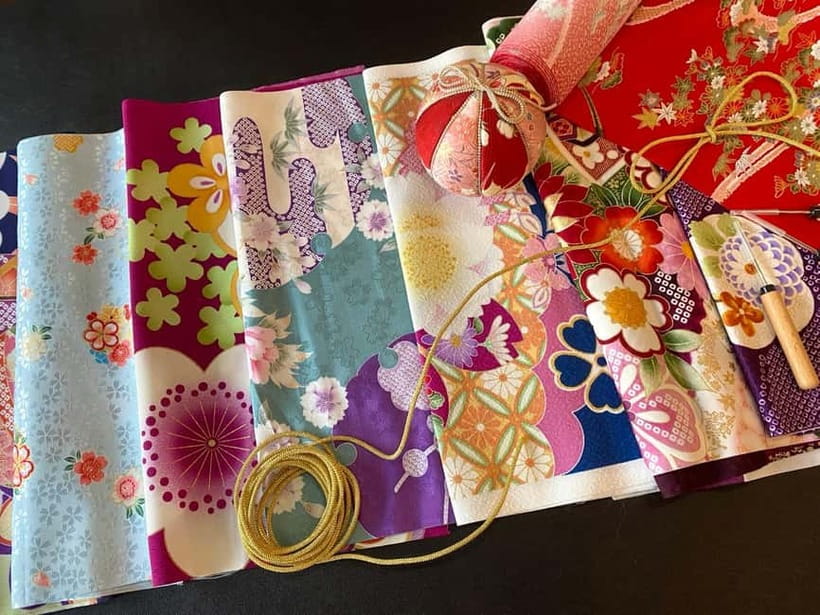
- Choosing Kimono Fabric: The Moment That Makes the Keepsake Yours
- Your 2-Hour Flow With May: Clear Teaching, Calm Pace
- What You Make: A Temari You Can Actually Display at Home
- Tea, Traditional Sweets, and a Break From Walking
- Where You Are After the Workshop: Temples and Easy Strolls
- Price and Value in Kyoto: Why $25 Makes Sense Here
- Who Should Book This Kimono Temari Workshop
- Should You Book Kyoto’s Kimono Fabric Temari Workshop?
- FAQ
- FAQ
- What is the duration of the Kyoto kimono fabric Temari workshop?
- How much does the Temari workshop cost?
- Do I need any prior experience or sewing skills?
- What will I make, and can I take it home?
- What’s included in the price?
- What language is the instruction in?
- Is the workshop wheelchair accessible, and how many people are in a group?
- Is free cancellation available?
Key points at a glance
- Kimono fabric selection first: Pick from patterned pieces before you start shaping your Temari.
- Beginner-friendly craft: No experience needed, and it’s taught step by step for all ages.
- Small group of 4: More time for questions, less waiting around.
- Included tea and traditional sweets: You choose what you want to drink and snack during the workshop.
- Take-home keepsake: You leave with a unique ornament you made yourself.
- Near Kyoto sightseeing: You’re in a temple-and-cafe area, handy for stitching this into a day.
Temari, Kyoto Style: Why This Workshop Feels Like a Real Experience
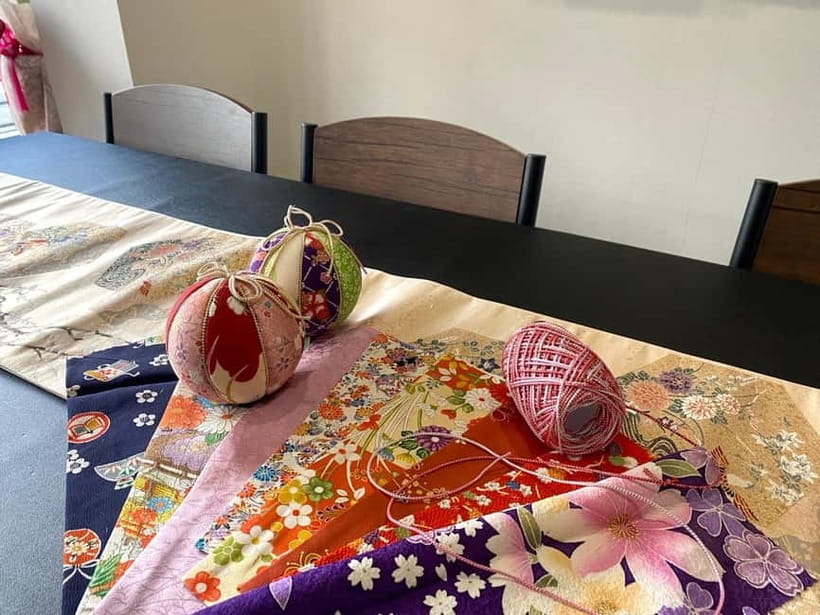
Kyoto has plenty of shopping. This is the opposite. You get to sit with a local crafts master and make something small, personal, and very Kyoto—using repurposed or traditional kimono textiles to create a Temari.
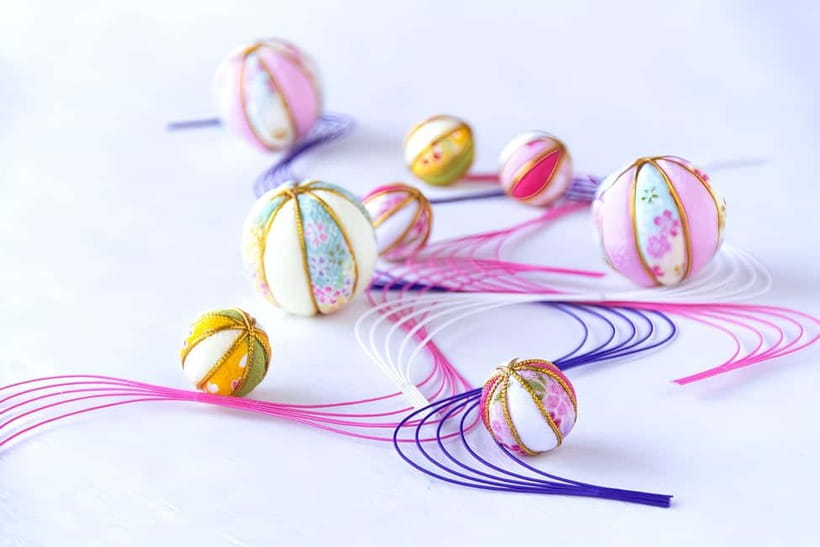
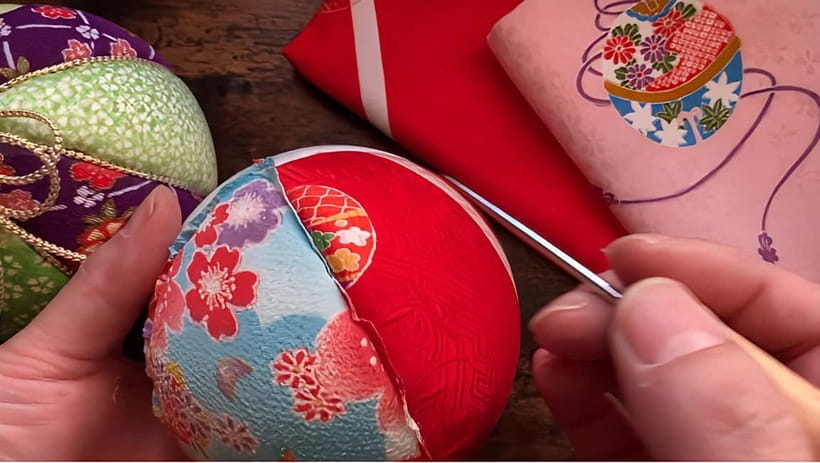
A Temari is a handcrafted decorative ball used as an interior ornament and for celebrations across Japan. In other words, you’re not just copying a pretty object. You’re learning a cultural craft with purpose—something meant to be shown, gifted, and kept.
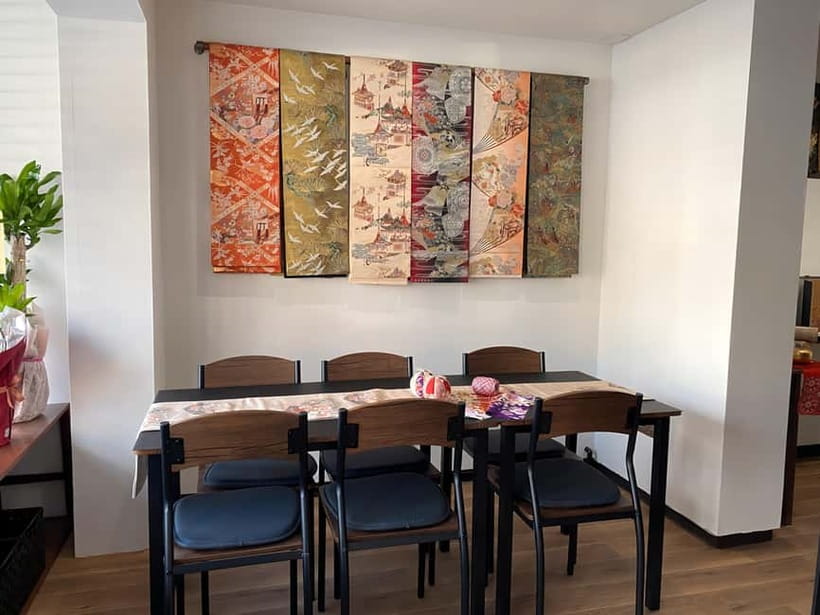
The setting helps too: the class happens in a newly renovated traditional Japanese antique boutique store. That matters because you’re in an atmosphere of textiles, handmade goods, and quiet curio energy, not a generic classroom. And because the group is capped at 4 participants, it doesn’t feel rushed.
You can also read our reviews of more tours and experiences in Kyoto



Choosing Kimono Fabric: The Moment That Makes the Keepsake Yours
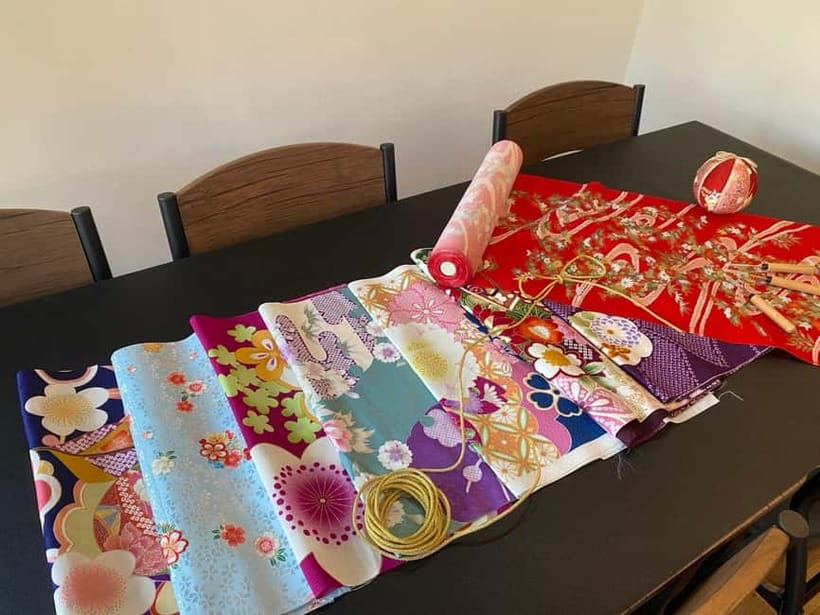
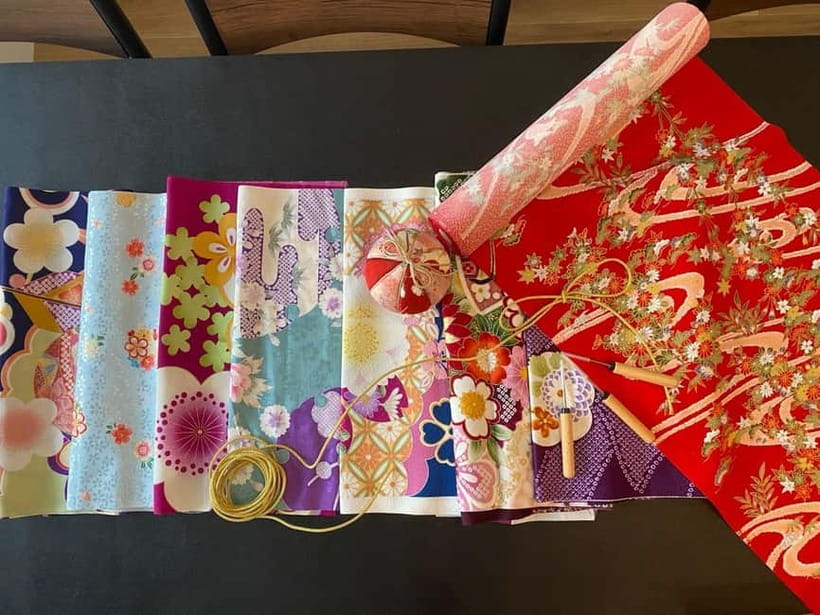
The part people get excited about is the fabric selection. You’ll choose pieces of kimono fabric to build your Temari, and that’s where your personality shows up—colors, patterns, and contrast all decide the final look.
I like that the workshop treats fabric choice as a meaningful step, not just a background detail. One reason is simple: Temari designs often look striking even when the method is beginner-level. So your “art direction” really matters, and you feel it right away.
From the reviews, the fabric choices are a highlight—lots of different patterns and colors. One person said the hardest part was narrowing down which fabrics to pick. Another called out the teacher’s ability to help you choose so the result looks intentional, not random.
Pro tip: If you’re traveling with a theme in mind (wedding colors, your favorite jewel tones, or something that matches your suitcase liner), think before you arrive. When you’re staring at a room full of textiles, making a plan in your head saves time—and helps you land on the combo you’ll love later.
Your 2-Hour Flow With May: Clear Teaching, Calm Pace
This is a craft workshop designed for real beginners. You don’t need sewing skills. The instruction is explained in a way that makes the steps feel manageable, even if you’re nervous about making something with your hands.
In practice, you’ll spend most of the 2 hours in a guided process: you learn what you’re making, pick your fabrics, and then work through building the Temari piece by piece. The teacher (May) guides you the whole way, with English available and patience for questions.
One of the strongest themes in the feedback is how the teaching style helps people relax. Many people describe it as easy, fun, and calm. For families, that’s a big deal. A parent mentioned there’s not so much sewing, so kids can participate and finish without feeling overwhelmed.
Also, the small group format matters. With a limit of 4 participants, you’re less likely to be stuck waiting for the instructor while other people get help.
If you’re the type who hates feeling rushed, this format is a win. If you’re expecting a performance-style class with constant crowd energy, you might find it quieter than you thought.
What You Make: A Temari You Can Actually Display at Home
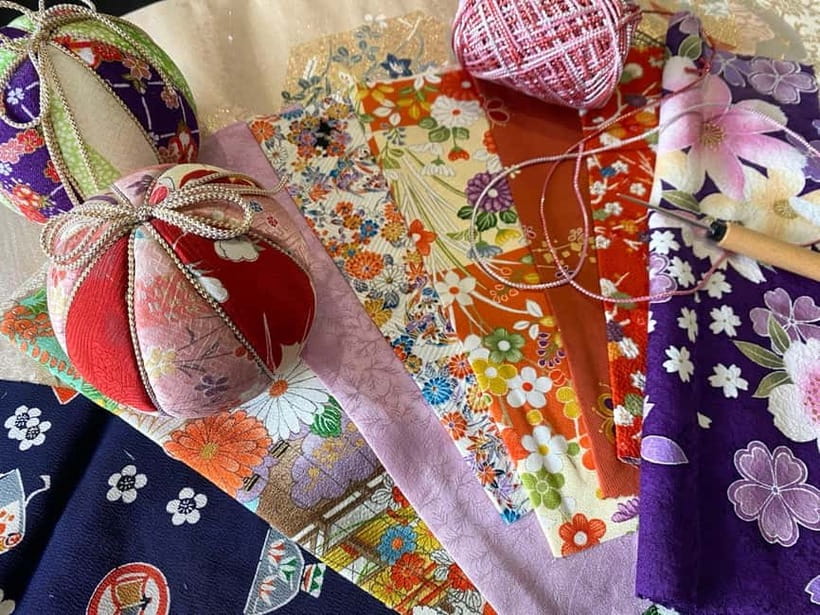
At the end, you take home the Temari you made. It’s designed to be an ornament—something meant for your home, not a disposable craft.
What you can expect:
- You’ll use kimono fabric pieces as part of the design.
- You’ll finish a single Temari ball as your keepsake.
- You’ll leave with something that’s clearly handmade, with your fabric choices driving the final look.
In reviews, people repeatedly mention how satisfying the result is—happy with the colors, happy it turned out beautifully, and proud it’s something they’ll keep. One reviewer said it became their favorite souvenir from Kyoto. Another planned to display the finished piece at home as a memory of their trip.
One practical note: because you’re using real fabric and working with craft materials, handle your final product carefully when you first leave the shop. You’ll want it protected for the rest of your day and your trip.
Tea, Traditional Sweets, and a Break From Walking
Yes, you get refreshments—and they’re not an afterthought.
For each guest, the workshop includes a complimentary drink and traditional Japanese confectionery of your choice. That means you can take a quick break mid-craft without giving up the workshop flow.
Multiple reviews mention tea highlights, including matcha lattes. People also called the snacks delicious and appreciated being taken care of during the session.
This matters more than it sounds. Kyoto sightseeing can grind you down—stairs, crowds, long lines, the constant “next stop.” Here, the pace slows. You craft, choose, sip, and snack in a comfortable setting. It’s a nice reset day or evening activity when you want something meaningful but not exhausting.




Where You Are After the Workshop: Temples and Easy Strolls
The experience isn’t just inside the shop. You’re in the heart of Kyoto’s sightseeing area, surrounded by historically significant temples and shrines.
Even better, the reviews point to nearby options that make planning easy. One person specifically mentioned Philosophers Path as a nearby area for afterward. Another said there are plenty of cafes nearby, which is perfect if you want to continue the day without locking into a major itinerary.
If you want a smart plan, do this:
- Schedule the workshop when you’d otherwise be tired of “only walking.”
- After you finish, take a relaxed stroll toward nearby temples/shrines.
- Use nearby cafes to recharge rather than hunting for a meal far away.
This workshop works well as a break between heavier Kyoto days—especially if your schedule has a lot of early mornings.
Price and Value in Kyoto: Why $25 Makes Sense Here
The price is $25 per person for about 2 hours, and it includes:
- Your Temari workshop
- All necessary materials
- A local crafts master guiding you
- A complimentary drink
- Traditional Japanese confectionery
For Kyoto, that’s strong value because you’re paying for instruction plus materials plus a tangible souvenir. A lot of craft experiences elsewhere can cost more once you factor in “supplies not included” or extra add-ons. Here, the essentials are covered.
And you’re not paying for a one-time look. You’re leaving with an item you made with your own hands—something that doesn’t fade after the next train transfer.
If your goal is a classic Kyoto souvenir, you have many options. If your goal is a personal one, this is a great deal.
Who Should Book This Kimono Temari Workshop
This is an easy yes for:
- Couples and friends who want a hands-on activity with a take-home result
- Families with kids who need something beginner-friendly and not overly complicated
- Anyone who loves fabric, patterns, and crafts
- Travelers who want a calmer moment between temple days
It might be a cautious choice if:
- You’re hoping for a long, guided temple tour during the class itself
- You want a high-energy, sightseeing-heavy day with lots of walking
- You only want store shopping and zero crafting time
If you fall into the middle—wanting something cultural but manageable—this hits the sweet spot.
Should You Book Kyoto’s Kimono Fabric Temari Workshop?
If you want a Kyoto souvenir with real personality, I’d book it. The best reason is simple: you control the look through your kimono fabric choices, and you get clear guidance to finish a Temari in just 2 hours. Add in the included drink and traditional sweets, plus the small-group pace, and it becomes a rare “worth your time” craft activity.
If your schedule is tight, consider booking earlier in the day so you still have energy to enjoy the nearby temples and a cafe stop afterward.
FAQ

FAQ
What is the duration of the Kyoto kimono fabric Temari workshop?
It lasts 2 hours.
How much does the Temari workshop cost?
The price is $25 per person.
Do I need any prior experience or sewing skills?
No. The workshop is designed for beginners, and no prior experience or skills are required.
What will I make, and can I take it home?
You’ll make a traditional Temari using kimono fabric during the class, and you take your finished Temari home as a souvenir.
What’s included in the price?
Included are the workshop and all necessary materials, guidance from a local crafts master, a complimentary drink, and traditional Japanese confectionery of your choice.
What language is the instruction in?
The instructor speaks English and Japanese.
Is the workshop wheelchair accessible, and how many people are in a group?
The workshop is wheelchair accessible, and it runs as a small group limited to 4 participants.
Is free cancellation available?
Yes, you can cancel up to 24 hours in advance for a full refund.