REVIEW · KYOTO
Kyoto: Make Your Own “Daruma” Craft & Painting Workshop
Book on GetYourGuide →Operated by WooW Travel 株式会社 · Bookable on GetYourGuide
Kyoto gets crafty in two hours, and this small-group Daruma workshop lets you paint a papier-mâché figurine in your own style. I love the hands-on take-home keepsake and the relaxed English-led small group feel. The only catch is paint care on the way out, since you’ll be working with acrylics.
You’ll also get a complimentary drink and a traditional Japanese confectionery, which turns the session from rushed art time into a calm break. If you’re curious about shrines and temples nearby, your host often uses the chat time to share ideas and context, including the meaning behind the shapes you’re painting.
In This Review
- Key points to know before you go
- A calm, creative Kyoto plan you can finish with your hands
- Inside the 2-hour workshop flow (what you’ll actually do)
- Daruma and the symbolism you hear while you paint
- May/Mei’s small-shop atmosphere: friendly, not performative
- What’s included in the $25 price (and why it adds up)
- Rain-day proof: how to protect your acrylic-painted souvenir
- How this fits into a Kyoto itinerary (and what to do next)
- Who should book this Kyoto Daruma workshop
- Booking notes that matter on the ground
- Should you book? My take
- FAQ
- How long is the Kyoto Daruma craft and painting workshop?
- How much does it cost?
- Do I need any prior experience with painting or crafts?
- Is the instructor available in English?
- What can I make during the workshop?
- Are materials included?
- Is food or drink included?
- How large is the group?
- What’s the cancellation and payment flexibility?
Key points to know before you go
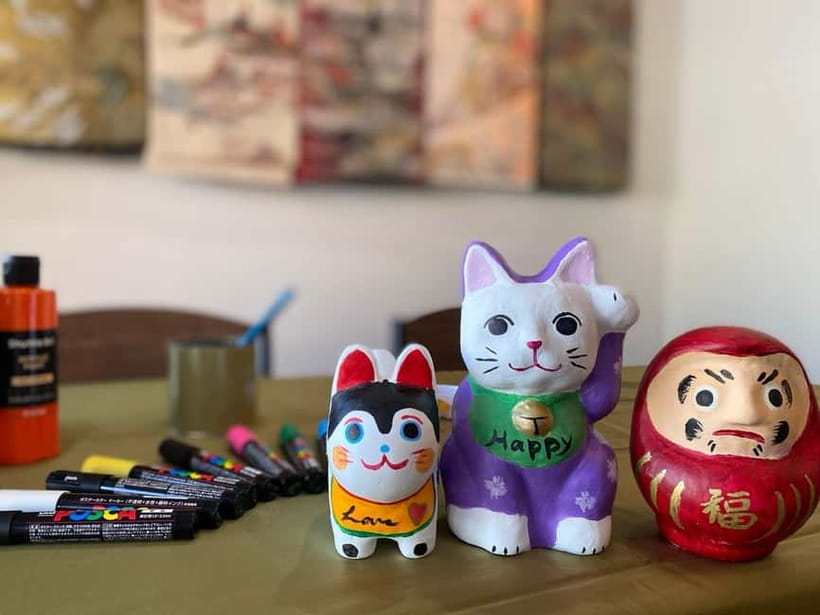
- Small group of up to 4 means you get real attention, not a factory-style class.
- Papier-mâché figurines give you a satisfying start because the hard work is already done.
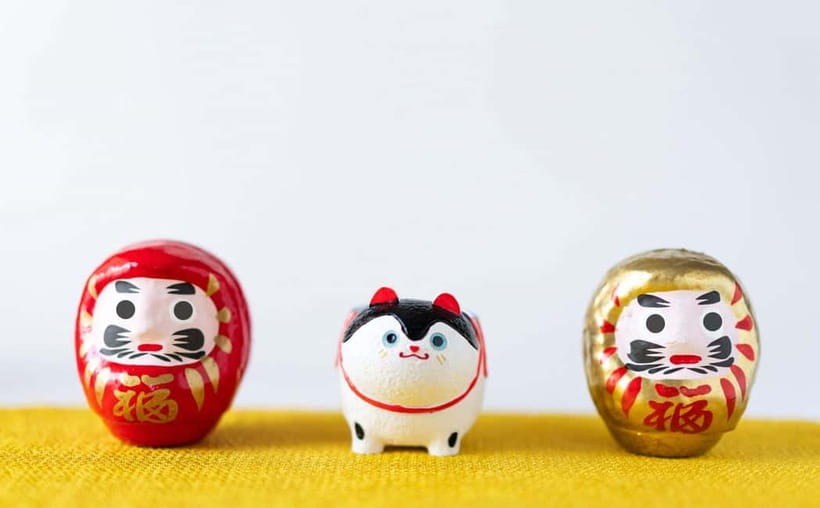
- Daruma, cat, dog, and Kitsune (fox) options let you choose the vibe you like.
- Tea plus a Japanese sweet is included, so you get a real pause during the session.
- A host artist named May/Mei keeps the tone welcoming and patient.
- A take-home souvenir is part of the fun, not an extra expense.
A calm, creative Kyoto plan you can finish with your hands
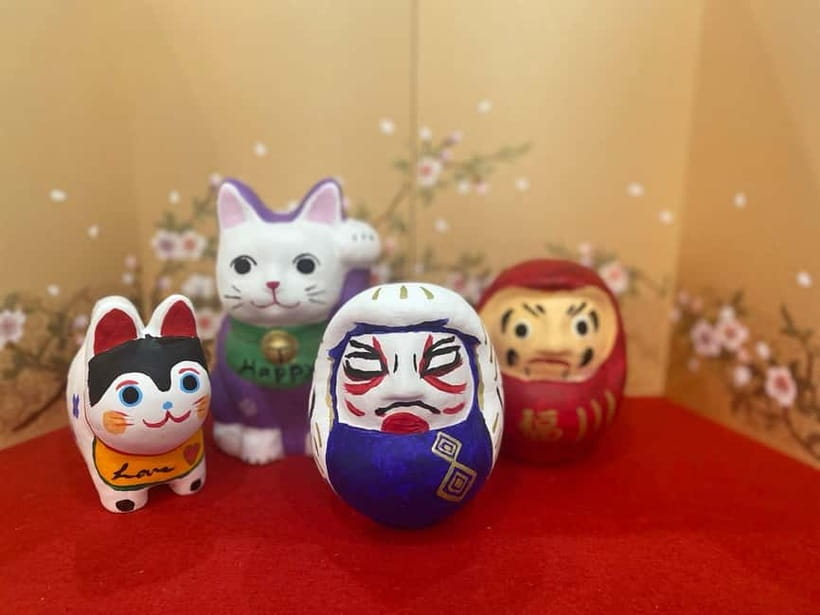
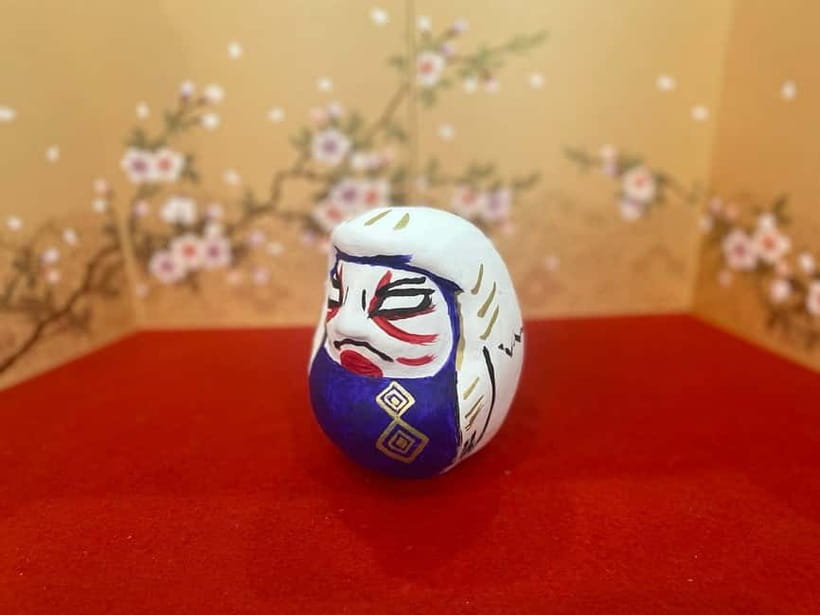
If your Kyoto days are packed with temples and lines, this workshop is a different kind of sightseeing. Instead of chasing another viewpoint, you make something. In about two hours, you’ll turn a plain papier-mâché base into a painted Daruma (and often other character styles, like a cat in a friendly pose, a dog, or a Kitsune fox).
I like that it’s not “paint by numbers.” You’re guided, sure, but the goal is your own look. One review noted the session felt self-directed, with helpful suggestions only when asked. That’s the sweet spot for me: structured enough that you’re not stuck, free enough that you don’t feel controlled.
And because it’s a small group limited to 4, you’re more likely to talk than compete for attention. In practice, that makes the time feel more local and less like an activity you’re ticking off.
You can also read our reviews of more tours and experiences in Kyoto

Inside the 2-hour workshop flow (what you’ll actually do)
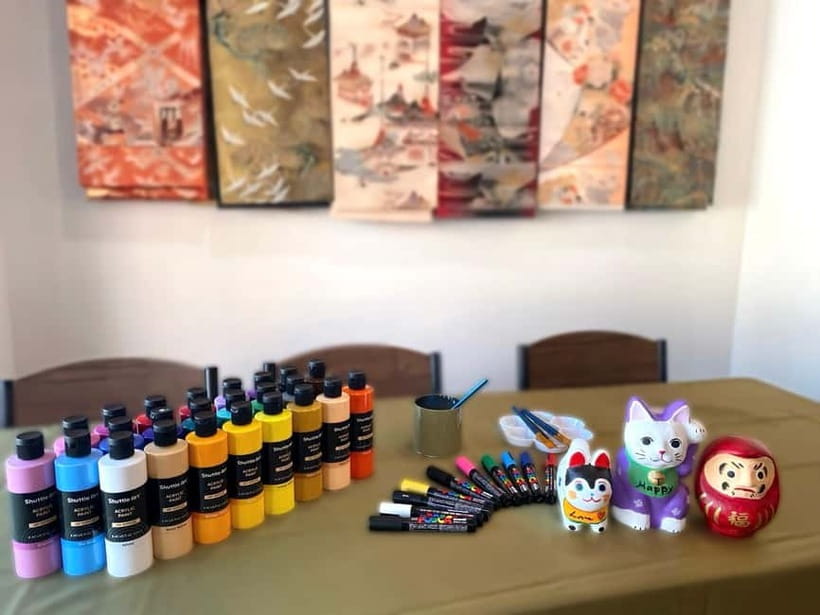
Here’s the rhythm of the class based on what’s consistently described.
First, you walk in and meet your host, who greets you at the workshop. You’re not chasing a guide through multiple stops; it’s straightforward—show up, get settled, and start.
Next comes the crafting part. You’ll work with a papier-mâché figurine base and paint it using the materials provided. The instructor guides you through technique and helps you understand what you’re creating. Expect time for picking colors, adding details, and adjusting your design as you go. Because the base is already formed, beginners don’t feel like they’re “starting from scratch.”
Midway through, there’s your complimentary drink and a traditional Japanese confectionery. This is a nice break in the session, and it also changes the vibe from task mode to relaxed conversation. Multiple reviews mention tea and a cookie-like sweet, and they describe the host as chatty without hovering.
At the end, you leave with your finished figurine—a personalized souvenir that looks like you made it (because you did). That’s an underrated benefit. Bought souvenirs are easy to forget. A hand-painted figurine tends to stick in your memory.
Daruma and the symbolism you hear while you paint
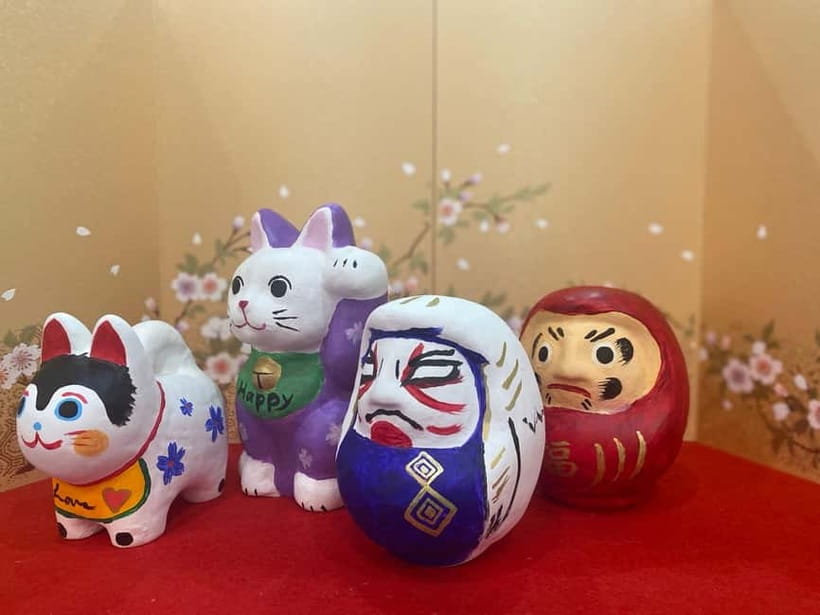
The workshop isn’t just about color choices. It also includes a short explanation of the symbolism behind the traditional shapes you’ll paint.
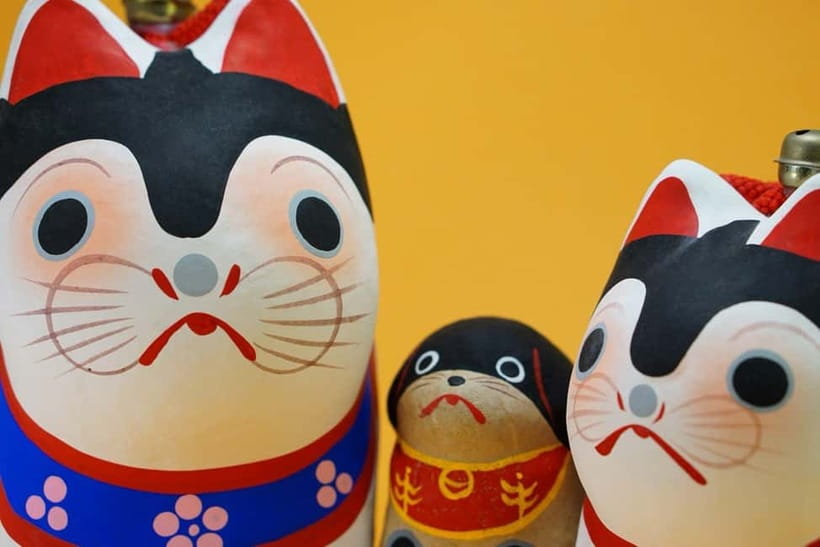
Daruma dolls are a big part of the experience. You’ll also have the chance to paint other traditional styles, including a cat (often drawn as a welcoming figure), a dog, and a Kitsune (fox) figurine. Your instructor walks you through what those forms mean in Japanese culture and traditions, then you put that idea into your own artwork.
This matters because it turns the class from simple craft time into something more meaningful. You’re not just producing a cute object. You’re learning why the object has a place in Japanese life, and that makes the final souvenir feel more intentional.
Also, don’t worry if you’re not an art person. The class is designed for all ages and all skill levels, and several reviews highlight how easy and relaxing it felt—especially for family groups and people coming in with zero experience.
May/Mei’s small-shop atmosphere: friendly, not performative
Your host—listed in reviews as May or Mei—is described as an artist who runs the class personally. That one detail changes the experience. This isn’t a big group with a “teacher voice” and a strict timeline. The tone is welcoming and calm.
Many reviews mention:
- Encouragement rather than pressure to copy a sample.
- Patience, including letting people take a little extra time to finish details.
- Conversation over tea, where you can ask questions about Japanese traditions and the local area.
There’s also a practical bonus: the workshop is a craft shop. One review says the host had handmade items for sale—like a handbag and a lacquer box—plus other crafts such as kimono textiles and accessories. You don’t have to buy anything, but if you do, you’re supporting a small business directly tied to the person teaching your class.
One thing to watch: because it’s personal and relaxed, it’s easier for time to feel less “clocked.” If you’re trying to sprint to a specific dinner reservation, plan a bit of buffer afterward.
What’s included in the $25 price (and why it adds up)
At $25 per person for two hours, the value comes from what’s actually covered, not just the headline cost.
You’re getting:
- All necessary materials for the painting process
- A papier-mâché workshop setup
- A local craft instructor in English
- A complimentary drink
- Traditional Japanese confectionery of your choice
Then there’s the big intangible value: your finished figurine. The workshop doesn’t just teach a skill; it produces a take-home object that’s tied to Kyoto and to something you made yourself.
A lot of “buy this and do that” activities feel like a purchase disguised as an experience. Here, you’re paying for time + guidance + supplies + snack, and you’re leaving with a real artifact. That’s why people keep rating it highly.
Rain-day proof: how to protect your acrylic-painted souvenir
One review mentioned acrylic paint, and that matters for day-of planning. If it’s raining (or if your day involves moving around on foot), treat your figurine like something you care about—because you will.
Practical approach:
- Plan to transport carefully after the class. Bring a tote or bag you don’t mind getting a little messy.
- If weather is wet, protect your work from bumps and splashes on the way out. One person explicitly advised wrapping up your creation in rainy conditions so it doesn’t get destroyed.
- If you’ll be out touring after, don’t plan your most crowded transit moment right after the session. Leave space for a calm walk back.
This isn’t about fear. It’s about preventing a tiny accident from becoming a trip-killer.
How this fits into a Kyoto itinerary (and what to do next)
The highlight mentions discovering historically significant temples and shrines in the surrounding area. While the workshop itself is inside, the class chat is where local direction often happens. In reviews, people mention learning about the local area and Japanese traditions while sipping tea.
So, think of this workshop as a flexible midday or afternoon reset. Use it like you would use a museum break: something quieter that gives your brain a different kind of input.
A good follow-up plan:
- After you finish, head toward temples or shrines you’re already aiming to see.
- Or, if you want to keep it simple, treat the workshop as your “cultural block” for the day and save your energy for evening strolls.
Because the class is only two hours, it plays nicely with a Kyoto schedule where mornings are busy and afternoons shift moods.
Who should book this Kyoto Daruma workshop
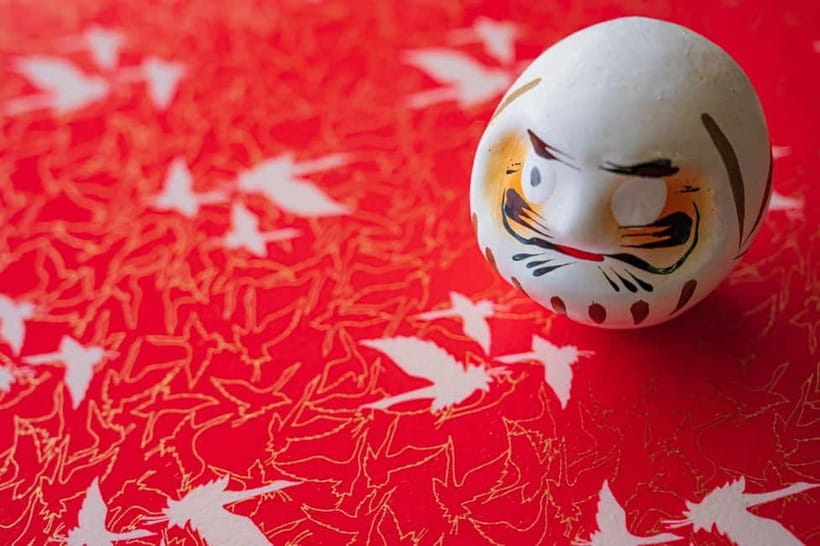
This class is built for broad appeal, and it shows in how people describe their experience.
It’s a great fit if you:
- Want a hands-on Kyoto activity that’s not just photos
- Like small-group settings where you can talk to the instructor
- Are traveling with kids or grandparents (it’s suitable for all ages and skill sets)
- Prefer a relaxing pace over long walking days
- Want a souvenir you’ll actually keep, because it’s personal
You might skip it if you:
- Are looking for a big multi-stop tour with lots of landmark time
- Dislike paint-based crafts entirely
- Need a highly structured, scripted sightseeing agenda (this is more workshop-and-chat than tour-bus itinerary)
Booking notes that matter on the ground
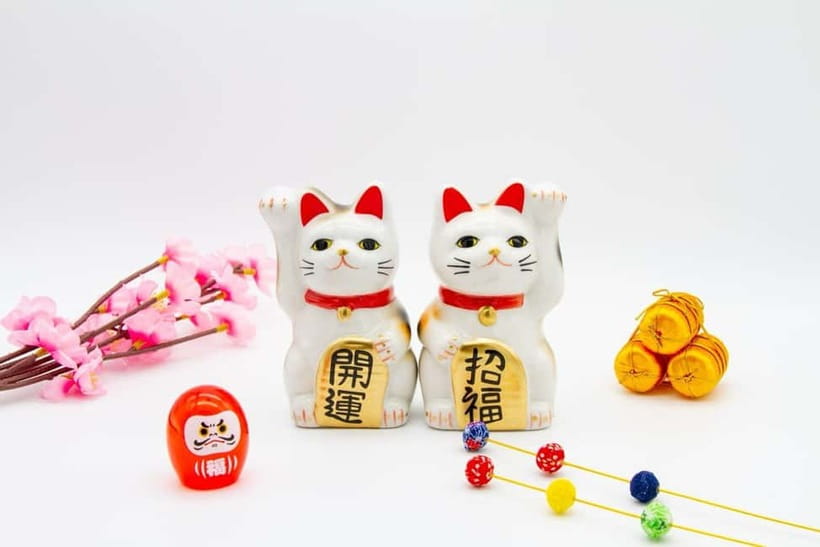
This is an activity with a small group size (up to 4 participants), an English instructor, and a 2-hour duration. The workshop is described as wheelchair accessible, and it’s designed for beginners.
Meeting point is simple: enter the workshop when you arrive; your host will be waiting to greet you. Since it’s inside and self-contained, you don’t need special gear beyond normal travel comfort—just plan to take care of your painted piece after.
Should you book? My take
Yes, if you want a Kyoto moment that feels personal and low-stress. For the money, you’re not just buying a souvenir—you’re creating one with supplies included, plus you get tea and a traditional sweet in the middle of the session. The small group makes it easier to feel welcome, and the instructor-led explanation of the symbols adds meaning beyond the paint.
Book it if your schedule can spare two calm hours, and if you’re willing to treat your finished figurine gently on the way home. If you’re chasing only famous views and don’t care about crafts, this may feel too quiet. But if you want something you can hold and remember, this is a strong choice.
FAQ
How long is the Kyoto Daruma craft and painting workshop?
The workshop lasts 2 hours.
How much does it cost?
It costs $25 per person.
Do I need any prior experience with painting or crafts?
No. The workshop is described as suitable for all ages and skill levels, and no prior experience or skills are required.
Is the instructor available in English?
Yes. The instructor is English-speaking.
What can I make during the workshop?
You’ll paint a papier-mâché figurine. The experience mentions Daruma and other options such as a cat, a dog, and Kitsune (fox) figurines.
Are materials included?
Yes. The workshop includes all necessary materials for the crafting process.
Is food or drink included?
Yes. You get a complimentary drink and traditional Japanese confectionery of your choice.
How large is the group?
The group is small, limited to 4 participants.
What’s the cancellation and payment flexibility?
It offers free cancellation up to 24 hours in advance for a full refund, and you can reserve now and pay later.