REVIEW · KYOTO
TREASURES of Kyoto: Fushimi Inari, Kiyomizu Temple, and more!
Book on Viator →Operated by Kyoto Fun · Bookable on Viator
Kyoto can feel like a giant scavenger hunt, especially when your days are short. This morning tour hits two of the biggest names—Fushimi Inari-taisha and Kiyomizu-dera—then adds a stroll through preserved streets, all planned so you’re not fighting the tour-bus rush.
I especially like that the experience is built around convenience: taxi fares are included, and you’re guided through the highlights with a small group. The schedule also matters here, because starting early means you get calmer moments at the very places Kyoto is famous for.
One thing to consider: this is a set route with set stop times, so if you love wandering freely and doing deep, self-guided research at your own pace, a guided format might feel a bit limiting.
In This Review
- Key things I’d plan around
- Why the 7:00 AM schedule changes everything in Kyoto
- Taxi-included logistics that save energy (and mood)
- Fushimi Inari-taisha: torii-gate maze first, photos second
- Kiyomizu-dera: included admission and sweeping views
- The preserved cobblestone streets: shops and townhouses break
- Guide time is the hidden feature (and yes, it matters)
- Price and value: what $98.53 is really buying
- Who this Kyoto morning tour is best for
- Should you book this small-group Kyoto highlights tour?
- FAQ
- How long is the tour?
- What time does the tour start?
- Where does the tour start and where does it end?
- What are the main stops on the itinerary?
- Is admission included?
- Is this a small group tour?
- Can I get a full refund if I cancel?
Key things I’d plan around
- 7:00 am start for quieter temples and fewer crowd bottlenecks
- Max 12 people for real questions instead of shouting over a group
- Taxi fares included to cut down on Kyoto transit time between sights
- Fushimi Inari (free admission) plus Kiyomizu-dera (included admission)
- A preserved-streets wander to balance big landmarks with street-level Kyoto
Why the 7:00 AM schedule changes everything in Kyoto
This tour is timed for the Kyoto reality check: the city’s most famous sights can get packed fast. Starting at 7:00 am gives you a real advantage. You’re not arriving right when the day-trippers pour in, and you’re more likely to enjoy the temples with breathing room—especially at places people tend to line up for.
The full experience is about 4 hours, which is a sweet spot for time-tight planning. You get major landmarks without turning your day into an endurance event. And because it’s early, the rest of your day is still yours—ideal if you’re trying to fit in more Kyoto neighborhoods, more food stops, or just a long, unplanned walk.
The route also has a practical rhythm: torii gates first, then a major viewpoint temple, then a calmer street walk. That sequencing keeps your morning from feeling like it’s one long queue after another.
You can also read our reviews of more tours and experiences in Kyoto.

Taxi-included logistics that save energy (and mood)
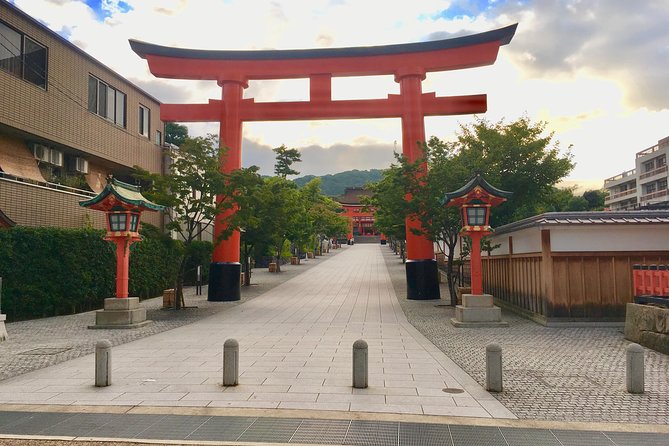
Kyoto is beautiful, but moving around can take time. This is where the tour’s design helps: taxi fares are included, so you’re not constantly calculating buses, transfers, and walking distances while you’re also trying to enjoy the sights.
You’ll start near public transportation at Inari Station (Fukakusa Inarionmaecho, Fushimi Ward), and the tour ends at Sanjūsangendō Temple (657 Sanjūsangendōmawari, Higashiyama Ward). That end point is useful because it gives you an easy launchpad for more exploring nearby without forcing you to backtrack.
It’s also a mobile ticket experience. In other words, less paper, less fuss—just show up and go. And with a maximum of 12 people, you generally won’t feel like you’re part of a cattle-production conveyor belt.
Fushimi Inari-taisha: torii-gate maze first, photos second
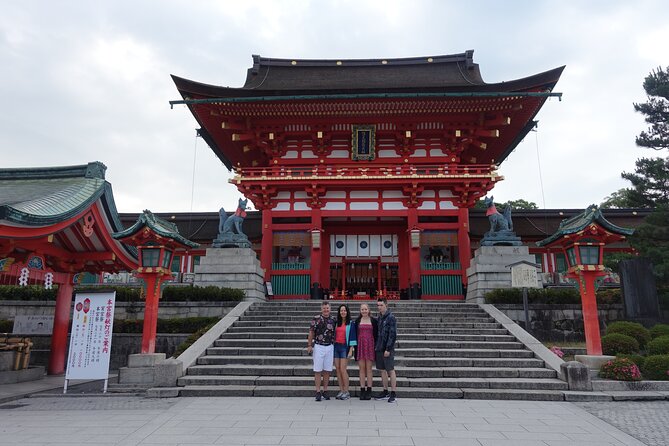
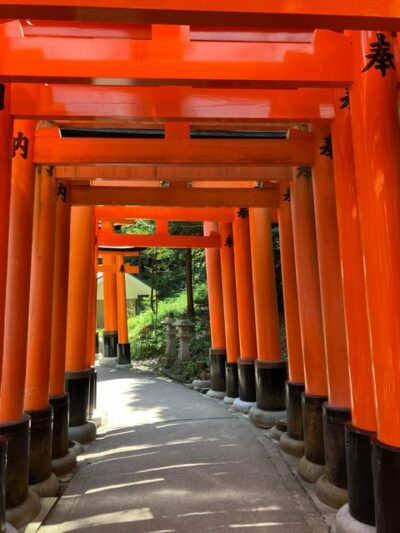
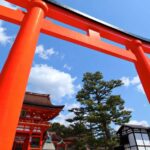
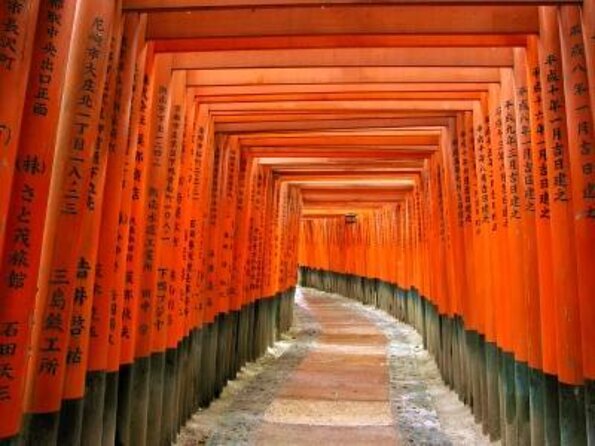
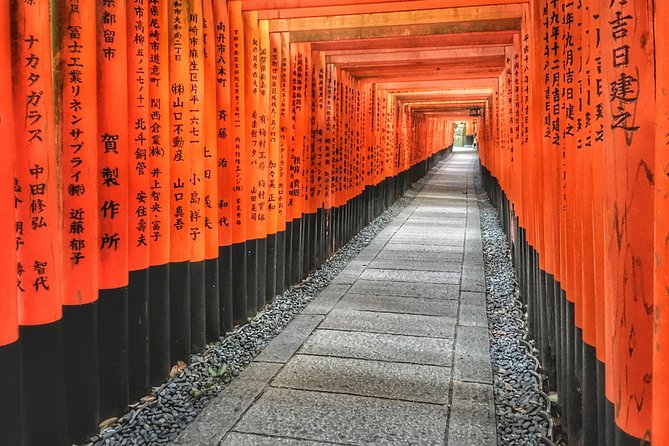
Your first stop is Fushimi Inari-taisha Shrine, with about 45 minutes on the ground. This is one of those places where arriving early pays off immediately. You get to step into the famous maze of sacred torii gates without the same level of crush that can build later in the day.
The tour doesn’t just walk you through. It slows down at key moments so you can take epic photos and absorb what you’re looking at. There’s also an explanation of the history behind the site, which helps you make sense of what you’re seeing instead of just snapping pictures and hoping it all clicks.
The biggest practical takeaway: 45 minutes is long enough to enjoy the atmosphere and get photos, but short enough that you don’t feel trapped. If you love photography, this is a good length. If you prefer slower pacing, you’ll want to use your time wisely—pick a few spots you really want, not every single angle.
A gentle downside: you’re working within a time window. If you want to go deeper into the grounds beyond what the tour covers, plan to return later on your own day.
Kiyomizu-dera: included admission and sweeping views
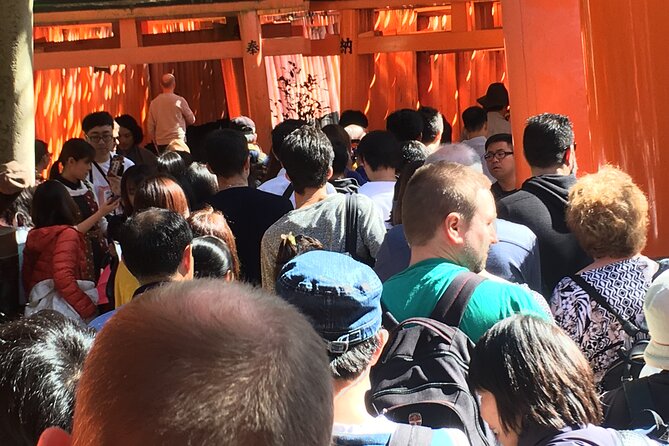
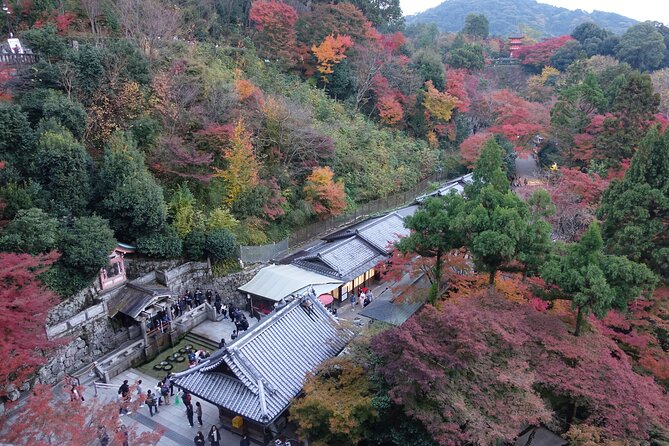
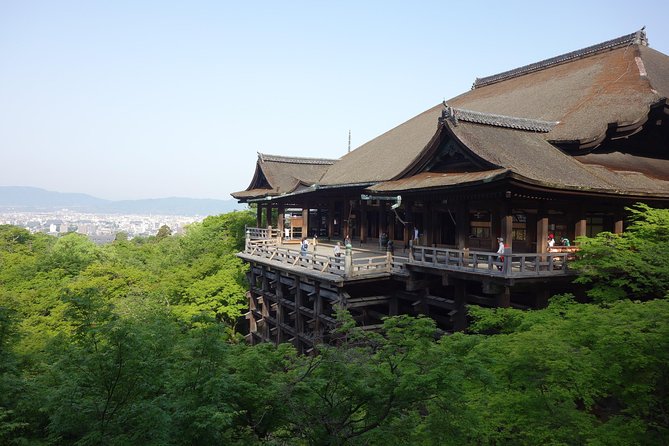
Next up is Kiyomizu-dera Temple for about 1 hour, and the important part for value is right there: admission is included. This is one of Kyoto’s iconic sites, and the tour frames it as one of Japan’s most famous temples, with sweeping views of the city.
The timing here is also a big deal. You’ll be there early, when the atmosphere tends to feel calmer. That’s exactly when Kiyomizu-dera can feel special—less rushed, more space to look around and take in the views without competing for every photo spot.
This stop is also where a guide can make the difference between seeing a landmark and understanding it. The tour keeps things organized so you’re not wandering around trying to figure out what matters most, but you still get time to appreciate the scene.
Is one hour enough? For most people, yes. You’ll see the key areas and get the big viewpoints. If you’re the type who loves reading every sign and taking lots of extra time in each corridor, you might want extra free time after the tour to slow down.
The preserved cobblestone streets: shops and townhouses break

After the big-ticket temples, the itinerary shifts into a more relaxed mode: you’ll wander cobblestoned streets in a preserved district, with quaint shops and townhouses.
This part matters because it stops your morning from being only “checklist sightseeing.” You get to see how Kyoto looks when you’re not staring at a major monument. Even if you don’t shop, the streets give you a sense of place—more human scale, more texture, and often a better photo experience than you’d expect from a plain walkway.
The practical value here is pacing. You’ll have walked and taken in two major landmarks already, and this segment lets you reset while still moving your trip forward. It’s also a good time to grab a snack or drink if you want something before your afternoon plans, though the tour itself just gives you that wander window rather than a structured stop.
Because the tour description doesn’t name the district, I’d treat it as a bonus stroll rather than something you should build expectations around like a museum visit. Think of it as the Kyoto you remember later.



Guide time is the hidden feature (and yes, it matters)
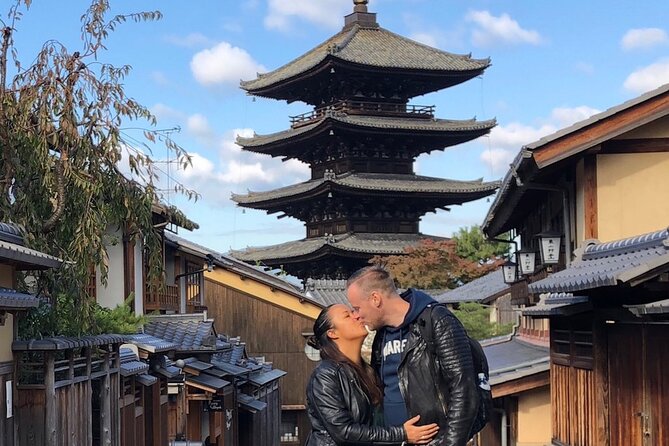
A big selling point is small-group access. With a maximum of 12 people, you’re more likely to ask questions and actually get answers. That’s especially useful for Kyoto, where it’s easy to feel lost in the details if you don’t know what you’re looking at.
One name comes up from the people running it: Niall, described as amazing, informative, and deeply invested in Japanese culture. That lines up with what makes the early-morning format work. When you arrive at famous sites before crowds, you don’t want to just rush past them. You want someone to help you interpret what’s in front of you.
Still, here’s the honest consideration from the other side: a guided tour won’t satisfy everyone. If you already feel comfortable going independent, you might wonder whether the ticket price buys enough. And if the guide experience doesn’t click for you, the value can feel weaker—even when the schedule is excellent.
My advice: if you’re the type who likes context, historical meaning, and photo spot guidance, this structure is a strong fit. If you prefer silent self-guided exploring, be sure you’ll still enjoy having a planned pace.
Price and value: what $98.53 is really buying
At $98.53 per person, this isn’t a budget half-day. But it’s also not paying for empty time. This price packs in a few tangible cost reducers:
- Taxis are included. Kyoto transit time can cost you energy and hours, and taxis are usually an expensive part of a DIY plan.
- Kiyomizu-dera admission is included (and Fushimi Inari is free).
- You’re getting a structured morning route with planned timing designed to help you avoid the most crowded moments.
- You have small-group guide time, which is hard to replicate if you’re on your own.
The best value is for people who want the highlights without doing a bunch of research and route planning. If you’re already comfortable mapping buses, managing transfers, and arriving on your own before the crowds, you might decide DIY is enough.
But if your time is tight—and you’d rather spend that effort soaking up the sights than organizing transportation—this tour looks like a straightforward buy.
Who this Kyoto morning tour is best for
This tour is a strong match if you:
- Want to check off major Kyoto highlights in a short window
- Prefer less walking and less transit stress thanks to taxis
- Enjoy early mornings and want a calmer start to the day
- Like having a guide explain what you’re seeing while you’re there
It may be less ideal if you:
- Want to linger for long periods beyond a set stop time
- Plan to do return visits and want total control over your route
- Really want a self-paced, research-heavy experience with zero structure
One smart way to decide: think about what you value most right now. If you value time savings and smooth flow, this tour earns its keep. If you value total freedom, you may feel restricted.
Should you book this small-group Kyoto highlights tour?
If your main goal is to see Fushimi Inari-taisha and Kiyomizu-dera without spending your morning figuring out logistics, I think this is a very reasonable way to do it. The 7:00 am start, taxi help, and small group size are the core reasons it works. Add in included admission for Kiyomizu-dera and a final wander through preserved streets, and you get a compact morning that still feels like Kyoto.
I’d book it if you want a plan, you want it early, and you want to spend your energy looking and photographing—not navigating. If you’re the kind of person who loves going it alone and arrives independently before dawn, you may feel like you could replicate the route with fewer expenses. In that case, only book if you truly want the guide and the built-in pacing.
FAQ
How long is the tour?
It runs for approximately 4 hours.
What time does the tour start?
The start time is 7:00 am.
Where does the tour start and where does it end?
It starts at Inari Station (Fukakusa Inarionmaecho, Fushimi Ward, Kyoto) and ends at Sanjūsangendō Temple (657 Sanjūsangendōmawari, Higashiyama Ward, Kyoto).
What are the main stops on the itinerary?
You visit Fushimi Inari-taisha Shrine, Kiyomizu-dera Temple, and then you wander through a preserved cobblestoned district with quaint shops and townhouses.
Is admission included?
Fushimi Inari-taisha admission is free, and Kiyomizu-dera Temple admission is included.
Is this a small group tour?
Yes. The maximum group size is 12 travelers.
Can I get a full refund if I cancel?
Yes. You can cancel up to 24 hours in advance for a full refund.