REVIEW · KYOTO
Kyoto Full Day (8 hours) Ultimate Sightseeing Private Tour
Book on Viator →Operated by Ahmed Abu Tayeh · Bookable on Viator
Kyoto can feel like a sprint if you plan it on your own. This private full-day tour is built to help you see the big sights efficiently while a guide handles the order and navigation. You still get some say in the route, so the day feels less like a checklist and more like a plan that fits you.
I especially like how this day includes major contrast: the Golden Pavilion gardens, an Edo-period castle, a shrine walk with thousands of torii, then the relaxed streets of Gion. It’s also nice that you’re not stuck fighting bus routes and transfers for hours; you have a guide and pickup so you can focus on the views.
One thing to consider: transportation and entrance fees are not fully included. You’ll pay for Kinkaku-ji and Nijo Castle (¥1,850 per person), and transportation costs depend on what you choose. For an 8-hour day, that adds up—so plan your budget before you go.
In This Review
- Key things to know before you go
- How this 8-hour private Kyoto day actually helps you
- Kinkaku-ji Golden Pavilion: the moment everyone understands
- Nijo Castle and its palaces: Edo-era drama, minus the costume
- Fushimi Inari-taisha shrine: torii gates, stamina, and smart timing
- Gion after the gates: traditional streets, no big-ticket pressure
- Price and value: what $490 buys, and what you still pay
- Getting around in Kyoto: pickup, transit timing, and the optional car
- Guides and pacing: why the day can feel personal
- Who this tour is best for (and who should look elsewhere)
- Weather and walking: how to show up so the day feels good
- Should you book this Kyoto highlights private tour?
- FAQ
- How long is the Kyoto Full Day private tour?
- Is this tour private or shared?
- How many people can be in a group for this price?
- What are the main stops during the day?
- Are entrance fees included in the price?
- Is transportation included?
- Do you offer a private transportation option?
- What ticket type do I receive?
- What happens if the weather is poor?
- What cancellation window is available?
Key things to know before you go
- Private group format (up to 10): you’re only with your party, so the pace and priorities can be adjusted.
- Big four highlights in one day: Kinkaku-ji, Nijo Castle, Fushimi Inari, and Gion get time without you doing the logistics.
- Guiding + management with pickup in Kyoto city: someone is helping you stay oriented.
- Entrance fees are extra: Kinkaku-ji and Nijo Castle cost ¥1,850 per person.
- Transportation isn’t included: optional private car is JPY 100,000 for up to 5 travelers.
- Moderate walking pace: expect to be on your feet for much of the day.
How this 8-hour private Kyoto day actually helps you
If you only have one day in Kyoto, the danger is simple: you over-plan, then you lose time to transit, lines, and confusion. This tour’s core value is that it turns a messy day into a smooth flow. You get an itinerary that’s already thought through, and a guide helps with navigation so you can spend energy on looking, not on figuring out where to go next.
The tour also has a smart mix of places. You’ll go from an iconic temple compound to a castle with courtly Edo-period architecture, then straight to one of Kyoto’s most famous shrine experiences. That change of scenery matters because it keeps the day from feeling repetitive. Even when you’re tired, the next stop gives you a fresh visual and a new kind of atmosphere.
Finally, the private format is what makes the “big highlights day” actually feel livable. If your group has kids, slower walkers, or you just don’t want to rush, a private guide can adapt the pace. In the reviews I’ve seen, this flexibility shows up again and again with guides like Yuka and Mike being praised for steering families and handling requests smoothly.
You can also read our reviews of more private tours in Kyoto

Kinkaku-ji Golden Pavilion: the moment everyone understands
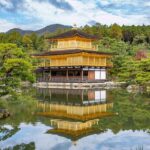
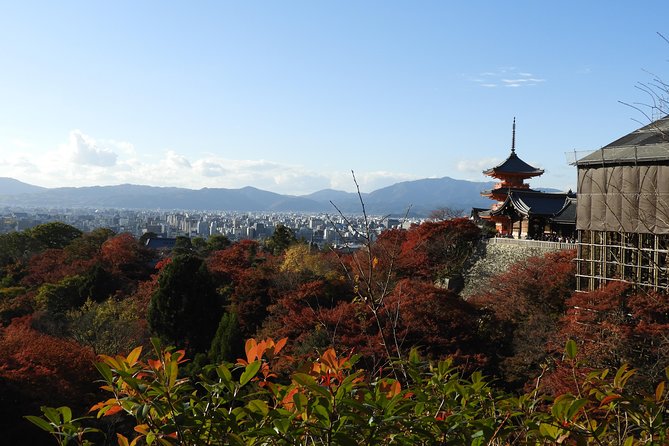
Kinkaku-ji is the kind of place that looks like a postcard before you even read anything about it. The Golden Pavilion rises on a pond-side setting, and the gardens create the right frame—so your first look feels like you’ve walked into the famous image rather than trying to recreate it.
In a one-day plan, Kinkaku-ji works because it’s visually concentrated. You don’t need to spend all day to get the experience. You get a focused visit (about an hour), and that’s enough time to walk the garden areas at a comfortable pace, pause for photos, and take in how the buildings and reflections relate to each other.
What I’d watch for on-site:
- The way the pond becomes part of the composition. Even if you’re not into photography, it’s part of the design.
- How crowds can shift. If you arrive earlier in the day, it often feels calmer, and you get more space to think.
- The garden paths around the pavilion that give you different angles without long walks.
A practical note: entrance fees are not included here. Budget ¥1,850 per person. I usually think of this as paying for the official access to a globally famous site; it’s one of Kyoto’s most “worth it” temple fees if you’re short on time.
Nijo Castle and its palaces: Edo-era drama, minus the costume
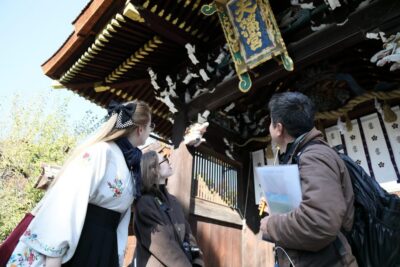
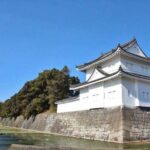
Nijo Castle is a different mood from Kinkaku-ji. Instead of garden serenity, you get historical structure and palace atmosphere. It’s a UNESCO World Heritage site, and the standout is the Edo-period architecture, including the opulent Ninomaru Palace.
This stop runs about an hour, which is a good match for how complex the site feels. If you tried to do Nijo Castle solo while also chasing other highlights, you’d probably either rush or lose time. With a guide holding the thread, you’re more likely to leave with a real sense of how the spaces were meant to work.
Here’s what makes Nijo Castle a strong “middle stop” in the day:
- The architecture gives your brain a break between shrine walking and busy district streets.
- The palace areas tend to be easier to enjoy when you know what you’re looking at and why it matters.
- It’s a great place for a guided story moment—exactly the kind of narrative one review praised (with guides explaining history in ways that made it feel like a story, not a lecture).
Like Kinkaku-ji, this one has an entrance fee of ¥1,850 per person. Plan to pay that on the day, and keep an eye on timing so you don’t feel rushed before the next stop.
Fushimi Inari-taisha shrine: torii gates, stamina, and smart timing
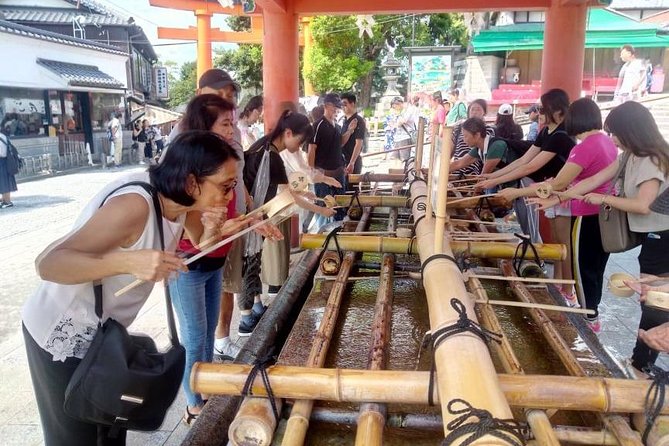
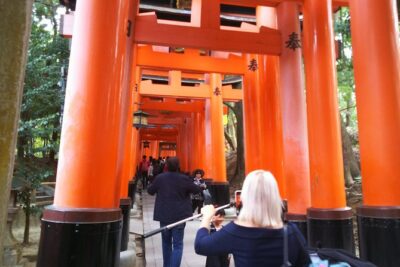
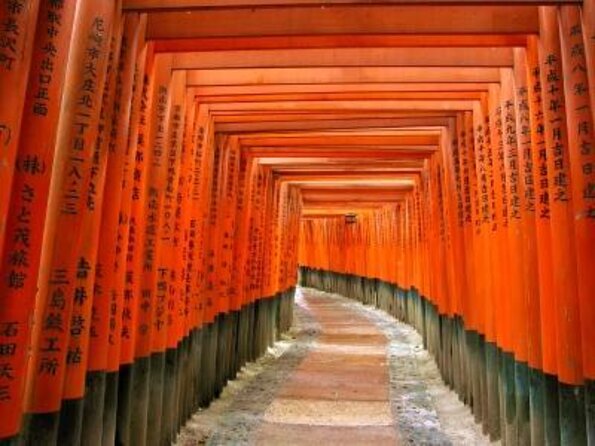
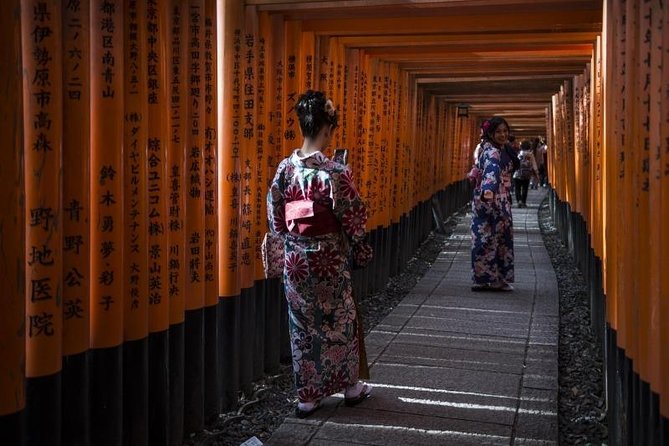
Fushimi Inari is the shrine most people have seen in photos: endless lines of red torii gates that create tunnels of color as the path climbs. Even if you’ve seen images before, being there changes the feeling. The gates are close enough to be immersive, and the whole area becomes a moving rhythm as you walk.
Your time here is about an hour. That’s long enough to get the main experience without turning the day into a hike marathon. It’s also the right length to handle crowds because the flow can move faster than you expect.
Practical advice that helps you enjoy it more:
- Wear shoes you’re comfortable walking in. The ground and the stairs can add up over a full day.
- Decide early if you want to go deeper on the trails or stick to the most famous sections. With only one hour, you’ll enjoy it more if you choose a focus.
- Expect lots of photo moments. If you stop too often, you can run out of time. The trick is to stop at the angles that matter most to you.
This stop is free, which is a nice relief compared with the temple/castle fees. It’s also a great example of why this tour’s mix works: at least one major attraction doesn’t cost extra.
Gion after the gates: traditional streets, no big-ticket pressure
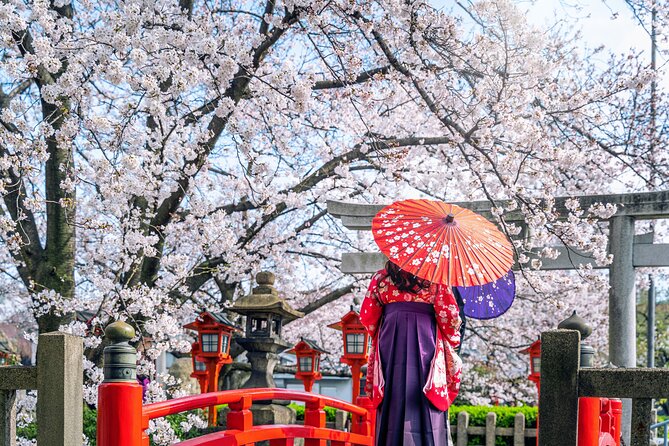
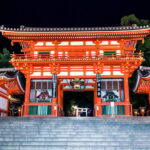
Gion is where Kyoto relaxes after the dramatic sights. You’re not dealing with a single landmark; you’re wandering through a neighborhood known for traditional machiya houses and the geisha culture of the area. Even if you don’t plan to hunt for teahouses or special sightings, the streets themselves carry the atmosphere.
In this plan, Gion gets about two hours, which is important. Two hours lets you stroll at a real pace. You can pause for snacks, take side streets, and notice details without feeling like you’re rushing to the next photo stop every 10 minutes.
If you want to make Gion work for your group, think about your “style”:
- If you like walking and photos, use the two hours to slow down and browse side lanes.
- If you’re traveling with kids or someone who needs breaks, aim for one or two zones and then just enjoy the slow street life.
This stop has no listed admission fee. It’s a district experience, so your cost is mostly what you choose to buy, like drinks or small snacks. I like places like Gion on a private tour because you can customize how much you want to engage with the cultural side versus simply enjoy the streets.
You can also read our reviews of more tours and experiences in Kyoto


Price and value: what $490 buys, and what you still pay
The tour is priced at $490 per group for up to 10 people. That’s where the value math gets interesting. If you have a smaller group, the per-person cost rises. If you fill the group size closer to 10, it becomes one of the better ways to buy a guided day without paying individual guide rates.
But the most important budgeting detail is this: transportation cost isn’t included, and entrance fees are extra for Kinkaku-ji and Nijo Castle (¥1,850 per person each). Fushimi Inari is free, and Gion is free to wander.
So your real all-in budget depends on:
- How many people are in your group.
- Whether you take public transit (included in the day via coordination, but the tour explicitly excludes transportation costs) or go with an optional private car.
- How many entrance fees you cover (at minimum those two paid sites).
If you’re the kind of traveler who hates time loss, the private guide fee can feel worth it fast. Kyoto’s highlights are spread out enough that getting the routing wrong can waste most of your day. This tour is designed to prevent that.
Getting around in Kyoto: pickup, transit timing, and the optional car
This tour includes guiding and management with pickup inside Kyoto city, and it notes that you’re near public transportation. That tells me the default expectation is that you’ll use transit and walking, guided by someone who knows how to keep the day moving.
Still, transportation costs aren’t included. And there’s also an optional private transportation option: JPY 100,000 for up to 5 travelers. That’s a big decision point. If your group is 1–3 people and you’re trying to avoid transfers, the private car can buy comfort and time. If your group is bigger, it can be less attractive because the price doesn’t scale the same way.
One more practical thought: with a tight one-day schedule, traffic and timing matter. One negative report I saw complained about a late start. I can’t control road conditions, but you can control how prepared you are—double-check your meeting point and your expected start time, and make sure you have a clear way to contact your guide if plans shift.
Guides and pacing: why the day can feel personal
The strongest pattern in the feedback I’ve read is that the guide matters. Multiple names come up in a way that suggests the company uses different guides for different styles: Mike, Hira san, Yuka, Yuji hino, Constantin, and even Ahmed in an organizer role. The praise often hits the same notes—clear English, punctuality, and help with practical needs during the day.
What you should expect from a private guide, in real terms:
- They keep you from drifting into the wrong entrance line or losing time between stops.
- They can adjust pace when your group includes mixed ages. One family-focused experience with a guide was especially praised for handling a wide age range.
- They can help you find quieter angles. Some reviews specifically mention places that were less crowded and felt more pleasant because the guide knew where to go.
The one caution from the other side: not every guide experience is perfect. There was at least one complaint about a guide seeming distracted and giving less information than expected. If you ever feel that way, speak up gently at the start of the day. Ask for what you want: a quick overview of each stop, more context, or help tailoring the route.
Who this tour is best for (and who should look elsewhere)
I think this works best for:
- First-timers in Kyoto with limited time who want the best-known highlights without planning stress.
- Families and mixed-age groups, since private pacing is easier to control.
- Travelers who care about efficient routing and want a guide to handle navigation.
It may be less ideal if:
- You love wandering with no structure at all. This is a scheduled highlights day, so the day has an arc.
- You dislike paying multiple entrance fees. Two paid stops can push the total cost upward, especially for small groups.
- Your group wants a deeply offbeat itinerary. This tour is built around iconic Kyoto sites, not obscure ones.
Weather and walking: how to show up so the day feels good
This experience notes a requirement for good weather, which is a hint that parts of the day involve outdoor walking and visibility. If the weather turns, the tour may shift or be refunded/offered a different date.
Also, it lists moderate physical fitness. That’s not a technical hiking warning, but it does mean you should be comfortable walking for an extended period and managing stairs or uneven surfaces—especially around shrine areas.
My simple comfort checklist:
- Shoes with good grip.
- Layers you can adjust if the temperature changes.
- Small plans for breaks, especially if your group has kids or older adults.
Should you book this Kyoto highlights private tour?
If you want a high-hit-rate Kyoto day—Golden Pavilion, Nijo Castle, Fushimi Inari torii, and Gion—this private tour is a strong way to do it without spending your morning with maps and indecision.
Book it if you:
- Want a guide to handle order and navigation.
- Have limited time and want Kyoto’s best-known sights in one day.
- Can work with the extra costs (Kinkaku-ji and Nijo Castle fees) and plan for transportation.
Consider another option if you:
- Travel as a solo or couple and entrance + transport costs will feel heavy.
- Prefer a fully self-directed day where you control every minute and don’t want a structured route.
My final take: this is best for travelers who value time. Kyoto is too good to waste hours figuring out logistics, and a private guide day is a practical way to buy back your energy for the places you actually came to see.
FAQ
How long is the Kyoto Full Day private tour?
The tour runs for approximately 8 hours.
Is this tour private or shared?
It’s private. Only your group participates.
How many people can be in a group for this price?
The price is per group, up to 10 travelers.
What are the main stops during the day?
You’ll visit Kinkaku-ji Temple, Nijo Castle, Fushimi Inari-taisha Shrine, and the Gion district.
Are entrance fees included in the price?
No. Entrance fees are not included for Kinkaku-ji and Nijo Castle (¥1,850 per person). Fushimi Inari-taisha Shrine is free, and Gion is free to visit.
Is transportation included?
Transportation cost is not included. Pickup inside Kyoto city is included, and transportation expenses are excluded.
Do you offer a private transportation option?
Yes. Private/optional transportation is listed as JPY 100,000 for up to 5 travelers.
What ticket type do I receive?
You receive a mobile ticket.
What happens if the weather is poor?
The experience requires good weather. If it’s canceled due to poor weather, you’ll be offered a different date or a full refund.
What cancellation window is available?
You can cancel for free up to 24 hours in advance for a full refund. Changes within 24 hours aren’t accepted.