REVIEW · KYOTO
Kyoto 8hr Private Tour with Government-Licensed Guide
Book on Viator →Operated by Japan Guide Agency · Bookable on Viator
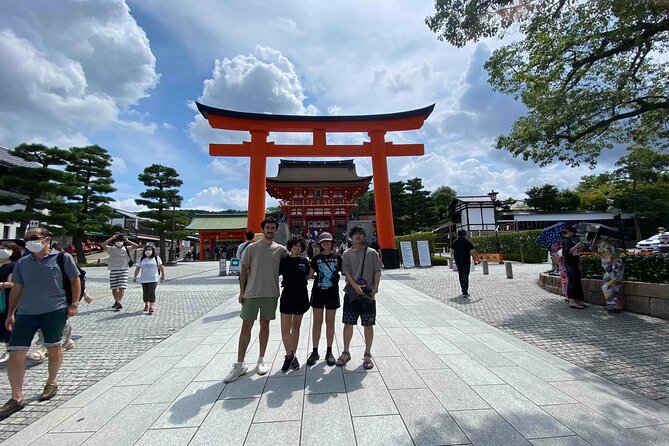
Kyoto feels huge; this tour keeps it focused. You get a government-licensed English guide and a day plan shaped around what you actually care about, from famous temples to quieter old-street vibes. I also like that the route is flexible, since you choose your priorities after booking rather than getting stuck on a one-size-fits-all sweep.
My other favorite part is how the stops connect logically, so areas like Gion and Pontocho don’t feel random. You’ll cover major sights and also walk through atmospheric neighborhoods that make Kyoto feel like Kyoto. One possible drawback: it’s a long walking day (about 8 hours), and lots of temple entries and your lunch are not included.
In This Review
- Key highlights you’ll care about
- Government-licensed Kyoto: why the guide matters
- How the 8 hours works (and what you can realistically see)
- Your Kyoto menu: what each stop is like
- East-side icons and old streets (great for first-timers)
- Castle and power-structure Kyoto
- The Gion and evening-dining feeling
- Zen temples on the Higashiyama slopes
- Northern and west-of-center Kyoto temple clusters
- Extra-nature options north of the city
- The famous rock garden and Arashiyama zone
- Katsura Imperial Villa and nearby Sagano stops
- Other garden and temple options
- Price and value: what $201.46 buys you
- What the best guides do with your day
- Practical tips for your shoes, photos, and pacing
- Who should book this Kyoto private guide?
- Should you book Kyoto 8hr Private Tour with Government-Licensed Guide?
- FAQ
- FAQ
- What’s included in the tour price?
- Is it a private tour?
- How do we choose which Kyoto spots to visit?
- Is the tour mostly walking?
- Are entrance fees included?
- Is lunch included?
- Are any stops free to visit?
- Do you provide an English-speaking guide?
- How far in advance should I reserve?
- What is the cancellation policy?
Key highlights you’ll care about
- Government-licensed English speaking guides who can explain what you’re seeing and how the sites connect
- A truly private setup where only your group participates, so you can ask questions and move at your pace
- A flexible itinerary built from a long list of options, typically landing on about 4–6 stops
- A well-chosen mix of Kyoto classics, from Fushimi Inari and Kiyomizu-dera to Kinkakuji and Arashiyama
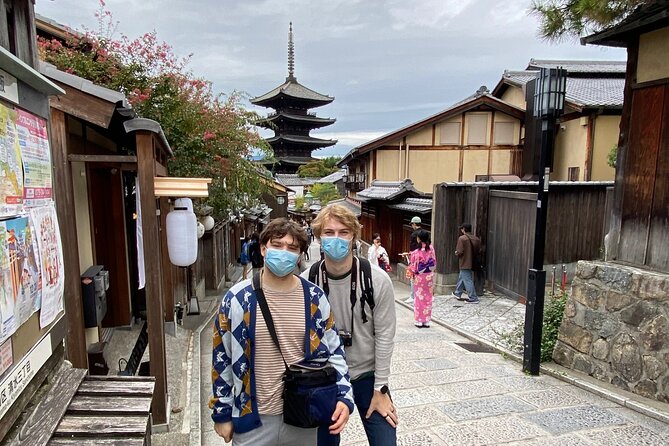
- Time-saving navigation through Gion and old Higashiyama streets where getting lost is easy
- Stops with different entry rules, so you can plan around what’s free versus what you’ll pay separately
Government-licensed Kyoto: why the guide matters
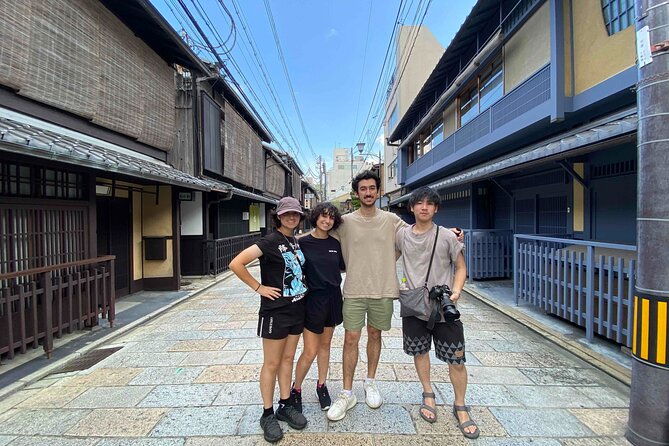
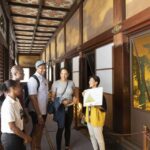
Kyoto is the kind of city where you can easily spend the day “doing stuff” and still feel like you missed the point. A government-licensed English guide helps you avoid that. They’re there for interpretation, timing, and knowing what’s worth your minutes.
You’re also not stuck staring at plaques. The guide can point out what to notice at each stop—layout, symbolism, and why that specific temple or shrine is important in Japan’s story. If you’re the type who likes asking questions (and yes, you’ll have plenty), this format is built for that.
I especially appreciate that the meeting is designed to get you moving quickly. Pickup is offered, but the tour is still “on foot.” In practice, that means you and your guide link up in Kyoto and then you walk your way through the day.
You can also read our reviews of more guided tours in Kyoto
How the 8 hours works (and what you can realistically see)
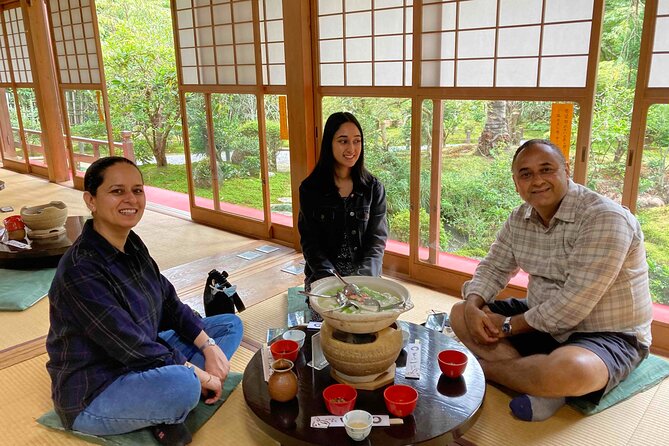
This is a private walking tour for about 8 hours. That’s a sweet spot for Kyoto, as long as you accept one reality: you won’t do every famous site in one day.
The tour is customizable. After you reserve, the guide contacts you to plan your personalized itinerary. You can choose your 3–4 spots if you already have favorites, or you can ask for the guide’s recommendations based on your interests. The included package is described as choosing 4–6 sites from the options list, which usually makes sense for an 8-hour day without turning into a sprint.
Here’s the practical math: some stops take a quick orientation (like a scenic bridge or a market stroll), while major temples take longer. Many temples on the menu have “not included” entry fees, so your day also depends on how long you spend inside and how many tickets you’ll need to buy.
Your Kyoto menu: what each stop is like
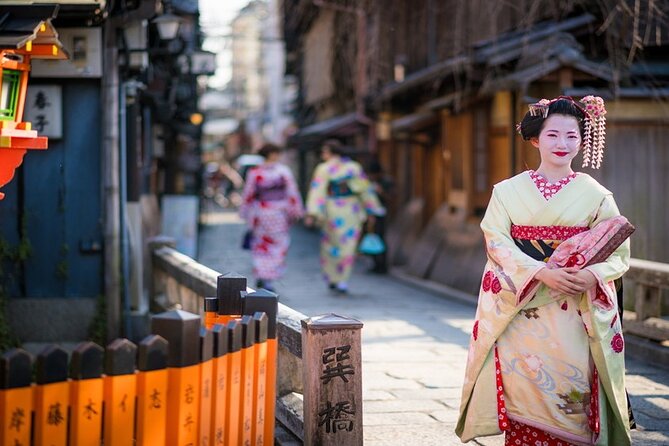
Think of this as a buffet of Kyoto. Your guide picks the plates. Below are the key options included in the experience list, and what you can expect at each.
East-side icons and old streets (great for first-timers)
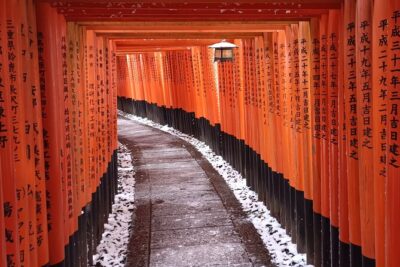
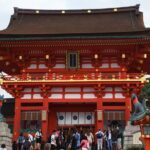
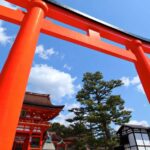
Fushimi Inari-taisha Shrine
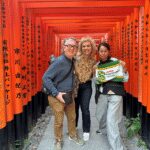
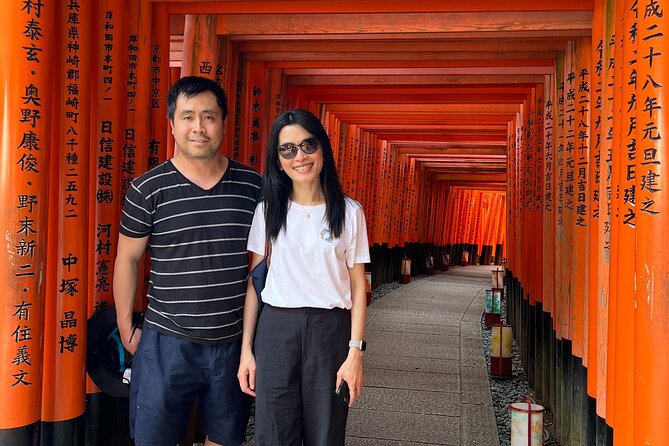
This is the famous shrine with the long corridor of torii gates. The stop is short—about 15 minutes—so it’s best for getting the vibe fast and taking a few strong photos before the crowds fully build.
Kiyomizu-dera Temple
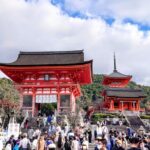
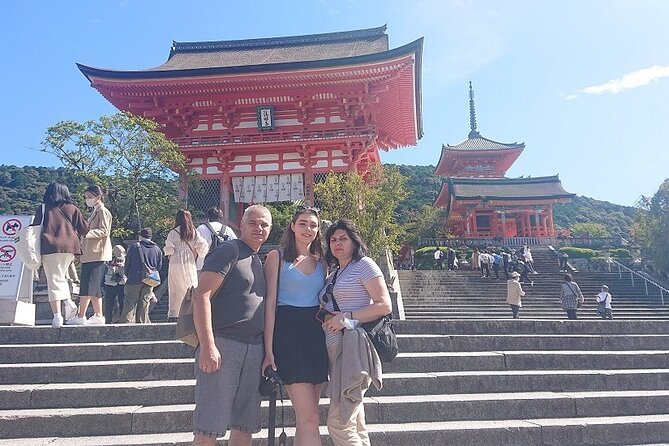
One of Kyoto’s biggest temple experiences. Expect a guided walkthrough of the grounds, about 1 hour worth of time within the stop block. Entry is not included, so you’ll want cash or a card ready for tickets.
Higashiyama Ward
This is where Kyoto still feels like Kyoto. You’ll get a guided sense of the historic district layout and the “old-streets” atmosphere, and you can mix photos with simple walking.
Sanjusangendo Temple
Known for 1001 statues of Kannon. This is the kind of stop where explanation helps a lot, because the sheer number can feel chaotic without context. Entry is not included.
Kennin-ji Temple
A temple close to busy downtown streets, with grounds that are pleasant to walk. It’s listed for a very short time, so it’s more of a quick calm break than a long sit-down visit. Entry is not included.
Nishiki Market Shopping District
Often called Kyoto’s kitchen. This is where you slow down for snacks, sauces, and small food treats. The market itself is listed as free to visit, but you’ll pay for what you eat. It’s included as a short stroll (about 15 minutes).
Castle and power-structure Kyoto
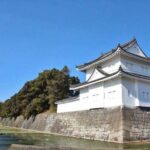
Nijo Castle
A UNESCO World Heritage site built in 1603 as the Kyoto residence of Tokugawa Ieyasu. Entry is not included, but if you like architecture and power-history, this is one of the most meaningful “big day” stops.
Kyoto Imperial Palace
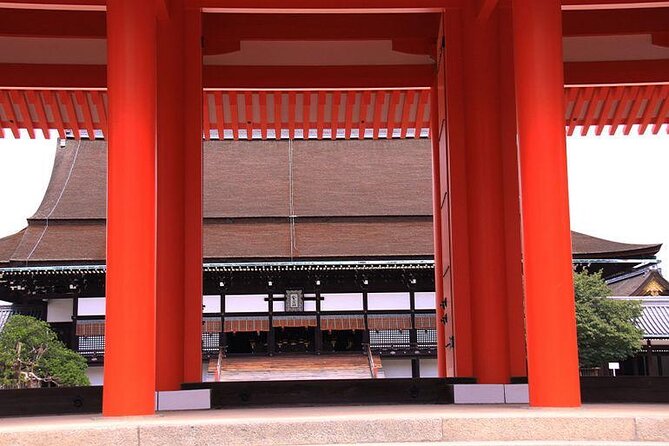
The old residence of Japan’s imperial family until 1868. Entry is not included. The grounds and layout are the point here—less about souvenirs, more about understanding how rule and ceremony shaped daily life.
You can also read our reviews of more private tours in Kyoto
The Gion and evening-dining feeling
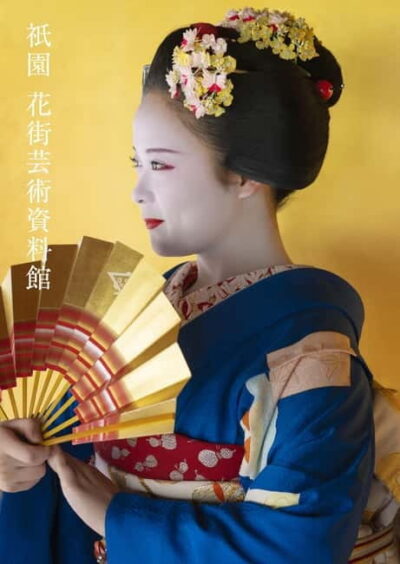
Gion
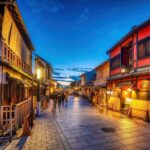
The famous geisha district area. This stop is short but useful, because Gion’s narrow lanes are easy to misread if you’re solo. Admission is listed as free.
Pontocho
A narrow dining alley running from Shijo-dori toward Sanjo-dori, near the Kamogawa River. It’s listed as free and a great contrast to temple-heavy mornings. You can use this as your “Kyoto vibe” stop.
Zen temples on the Higashiyama slopes
Ginkakuji (Silver Pavilion)
A Zen temple tied to shogun Ashikaga Yoshimasa’s retirement villa story. Entry is not included. This is a strong pick if you want something quieter than the biggest headline sights.
Nanzenji Suirokaku
Nanzenji’s grounds at the base of the Higashiyama mountains, with Suirokaku as a standout. Entry is not included, and this is one of those stops where the setting matters—temple + mountain foothills.
Tofuku-ji Temple
A Zen temple in southeastern Kyoto, known for autumn colors. Entry is not included. Even if you’re not traveling in fall, you’ll still get the atmosphere of a major temple complex.
Toji (East Temple)
Famous and historically important from early Heian Period history. Entry is listed as free. If your day needs one “see it, move on” temple moment, this is a good choice.
Eikando Zenrinji Temple
Big for autumn colors and evening illumination, though your visit timing may vary. Entry is not included, and the stop block is longer (about 30 minutes), which gives you room to slow down.
Northern and west-of-center Kyoto temple clusters
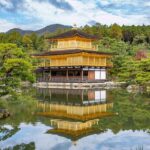
Kinkakuji (Golden Pavilion)
A Zen temple with top floors covered in gold leaf. Entry is not included. This is one of Kyoto’s most photo-friendly stops—also one where a guide helps you avoid bad angles and wasted time.
Ninna-ji Temple
A World Heritage temple and the head temple of the Omuro School of the Shingon sect. Entry is not included.
Shugakuin Imperial Villa
A 17th-century imperial villa managed by the Imperial Household Agency. It’s listed as an option with about 10 minutes time block, but it’s ideal if you want something more “garden and structure” than “crowd and souvenir.”
Daitoku-ji Temple
A large walled temple complex with many subtemples. Entry is not included. If you like Zen settings and don’t mind that it can be more understated, this is a great match.
Myoshinji Temple
Another major north/west temple complex with many subtemples. Entry is not included.
Extra-nature options north of the city
Kibune River
A small town vibe in a forested valley around Kifune Shrine. Entry is listed as free. This is a nice contrast if your day includes temples and you want a calmer walk.
Kurama-dera
A rural town option in the northern mountains. The listing says it’s best known for Kurama-dera and a hot spring, with about a 10 minute stop block. Entry is not included.
The famous rock garden and Arashiyama zone
Ryoan-ji Temple
The rock garden people come from all over the world to see. Entry is not included, and it’s also one of those stops where you’ll benefit from a short explanation before you stare at rocks for a while.
Arashiyama
A well-known western Kyoto district associated with noble outings since the Heian Period. The stop block is short (about 10 minutes), so your guide should prioritize key photo points and quick orientation.
Tenryu-ji Temple
The top temple in Arashiyama, ranked among Kyoto’s five great Zen temples and listed as World Heritage. Entry is not included, time around 10 minutes.
Togetsukyo Bridge
Arashiyama’s iconic Moon Crossing Bridge. The bridge itself is an outside stop, so it’s essentially a free viewpoint moment even if entry fees exist nearby. The listing includes it as a separate stop item.
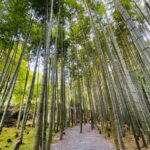
Walking paths through the bamboo groves
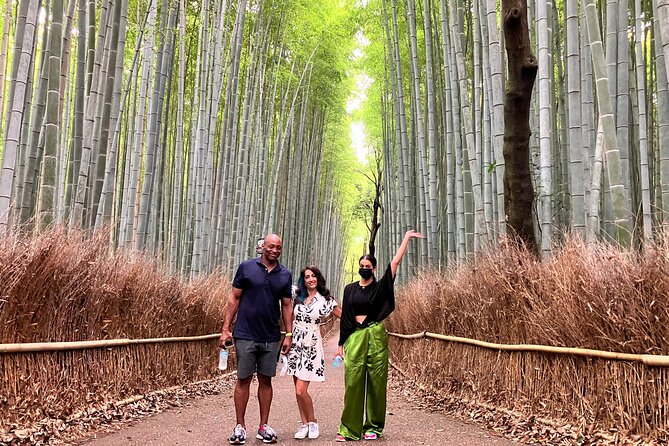
This is the famous swaying-bamboo experience. It’s listed as free walking paths with the suggestion that wind makes it extra scenic. If you go early in the day, you’ll likely enjoy it more without long waits.
Okochi Sanso Garden
A former villa garden behind the bamboo area, connected to actor Okochi Denjiro. Entry is not included and the stop block is short (about 10 minutes), so it works best if your guide expects you to prioritize structure and gardens over lingering.
Jojakkoji, Nisonin, Gio-ji, Adashino Nenbutsu-ji, Otagi Nenbutsu-ji
These are hillside temple options with a quieter, more “stairs and moss” feel. Each has “not included” entry status and short visit blocks (about 10 minutes). They can be a great way to break up a day full of headline temples, but you’ll need to keep moving so the stops stay enjoyable.
Daitoku-ji / Myoshinji / Eikando / Sanjusangendo
These add Zen variety across different parts of the city. Pick them if you like temple atmosphere more than you care about one single landmark.
Katsura Imperial Villa and nearby Sagano stops
Katsura Imperial Villa
A top example of Japanese architecture and garden design, completed in the mid-1600s. Entry is not included.
Daikaku-ji Temple
A temple in the Sagano district originally built as Emperor Saga’s detached palace. Entry is not included.
Other garden and temple options
Yoshimine-dera
A Tendai sect temple in the western mountains, built along paths and slopes. Entry is not included.
Shugakuin Imperial Villa
Listed earlier, but it’s worth repeating as a garden-and-villa style choice that can slow your day down in a good way.
Price and value: what $201.46 buys you
At $201.46 per person, you’re paying for a real private experience, not just a ticket escort. The value comes from three places:
- You buy time back. Kyoto’s famous areas can be confusing, and the tour is built as a walking route with a guide who can help you avoid wasted detours.
- You buy context. When you’re standing in front of Kiyomizu-dera or Kinkakuji, it helps to know what you’re looking at and why that matters.
- You buy flexibility. You pick your priorities (3–4 spots if you have ideas, or guided recommendations if you don’t). The included plan uses about 4–6 sites, which is the right scale for an 8-hour day.
There are costs to plan for. Transportation fees, entrance fees, lunch, and personal expenses are not included. Also, there is no private vehicle, and you can’t combine multiple tour groups. So your money is focused on the guide and the itinerary, not on covering your entire day.
If you’re traveling with a group that values comfort and fewer mistakes, the private format tends to feel fair. If you’re solo and happy DIY-ing, it can feel expensive for the number of places you’ll cover.
What the best guides do with your day
I like that this tour connects you with a guide who can handle real-time decision-making. The feedback I saw includes a guide named Karkoo Tanigawa, who was described as helpful and accommodating for a group of six. Another note called out how easy it was to start right away when people came prepared with local currency and transit cards, which is exactly the kind of detail that can save time on day one.
Two other guide names showed up as professional and knowledgeable: Ichiro and Shu. The stops they emphasized included big hits like Golden Pavilion and also specific photo-friendly spots like Sannenzaka and Kiyomizu Temple, plus the bamboo forest area in Arashiyama. Translation: the guiding style matters, and this company appears to staff serious people who know how to pace a day without making it feel rushed.
Practical tips for your shoes, photos, and pacing
You’ll get the most out of this tour if you plan for walking and short stops.
- Wear comfortable shoes. The itinerary is a menu of temple districts, which means uneven ground and lots of stairs.
- Bring a way to handle separate entry fees. Some sites are listed as free, and many are listed as not included.
- Have a snack plan. Lunch is not included, so you’ll either budget for a meal stop you choose, or keep it light and snack as you go (Nishiki Market is ideal for that).
- Use the guide’s strength on photo timing. Arashiyama’s bamboo groves and the Golden Pavilion are both heavily photographed. A guide can help you avoid the worst traffic moments in the lanes.
Also, a small tip: this is listed as near public transportation. That’s good news if you want to jump off the walking route for a quick rest, or if you want to add a short extra stop nearby on your own after the tour ends.
Who should book this Kyoto private guide?
This tour fits best if you:
- Are seeing Kyoto for the first time and want a coherent route
- Prefer walking with guidance instead of navigating alone in tight streets
- Like temples, gardens, and old Kyoto neighborhoods (Gion, Higashiyama, Pontocho)
- Want a flexible itinerary where the guide helps you choose between icons and quieter options
It may not fit if you:
- Want to stay in one place for a long time (the structure is more “see and learn” than “slow day”)
- Don’t want to pay separate entry fees at major temples
- Expect transportation and lunch to be fully handled for you
Should you book Kyoto 8hr Private Tour with Government-Licensed Guide?
Yes, if you want Kyoto with less guesswork and more understanding. The biggest win is the private, government-licensed English guide who helps you connect dots between shrines, temples, districts, and the city’s layout.
I’d say book it sooner rather than later if your dates are fixed. Kyoto-style planning can get tight, and this one notes you should reserve at least 2 weeks in advance. If you’re the kind of traveler who hates wasting time wandering, this tour’s walking-focus and customization are exactly what you’re looking for.
FAQ
FAQ
What’s included in the tour price?
The tour includes a licensed local English speaking guide and a customizable walking itinerary built from a set of Kyoto sites. Mobile ticket is listed, and pickup is offered, but transportation, entrances, lunch, and personal expenses are not included.
Is it a private tour?
Yes. It’s described as private, and only your group participates.
How do we choose which Kyoto spots to visit?
After booking, your guide contacts you to plan a personalized itinerary. You can choose 3 to 4 spots if you know what you want, or ask the guide to send a recommended itinerary based on your interests.
Is the tour mostly walking?
Yes. It’s a walking tour, with pickup and drop-off on foot and you meet the guide within a designated area of Kyoto.
Are entrance fees included?
No. Entrance fees are not included, and the itinerary lists many temples and castles as admission ticket not included. Some stops are listed as free, but you should expect to pay for several major sites.
Is lunch included?
No. Lunch is not included, so you’ll need to plan meals on your own during the day.
Are any stops free to visit?
Yes. The itinerary lists some stops as admission ticket free, including Fushimi Inari-taisha Shrine, Gion, Nishiki Market Shopping District, Pontocho, Higashiyama Ward, Toji, Kibune River, and parts of Arashiyama such as the Togetsukyo Bridge and bamboo grove walking paths.
Do you provide an English-speaking guide?
Yes. The experience includes a licensed local English speaking guide.
How far in advance should I reserve?
You’re asked to reserve at least 2 weeks in advance.
What is the cancellation policy?
Free cancellation is available up to 24 hours in advance for a full refund, with cut-off times based on local time. If you cancel less than 24 hours before the start time, the amount paid is not refunded.