REVIEW · KYOTO
Kyoto: Private Tour with Local Licensed Guide
Book on GetYourGuide →Operated by JGA Inc. · Bookable on GetYourGuide
Kyoto clicks when someone local leads. This private walking tour gives you a smooth way to see major sights and side streets with a nationally licensed guide who explains what you’re looking at.
What I like most is the chance to customize your route (or let the guide plan it) so the day fits how you travel. The only real drawback is that it’s a walking day, with some site-to-site moves by train or taxi, so you’ll want comfortable shoes and some yen for transit gaps.
In This Review
- The Best Part: A Licensed Guide, Not Just a Walk and a Map
- Key Highlights You’ll Actually Feel on the Day
- How a Licensed Local Turns Kyoto Into a Coherent Story
- Choosing Between 4, 6, or 8 Hours: What That Means for Your Day
- Fushimi Inari: Torii Corridor, Ritual Path, and the Memoirs of a Geisha Film Spot
- Nijo Castle and Kyoto’s Political Past (If You Want More Than Temples)
- Kiyomizu-dera and the Walk Into Higashiyama and Gion
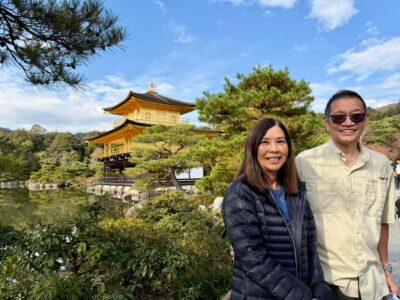
- Kinkaku-ji (Golden Pavilion): The Temple People Photograph, Plus What to Notice
- Nishiki Market, Pontocho, and Smart Eating Breaks
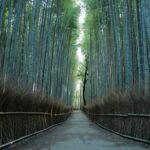
- Arashiyama Options: Bamboo Forest Street, Tenryu-ji, and River Views
- Other Temple and Palace Stops That Fit Different Tastes
- Price and Value: What $106 Buys in a Private Kyoto Day
- Rain, Comfort, and How to Make the Most of Walking
- Should You Book This Private Kyoto Walking Tour?
- FAQ
- What language is the tour guide?
- Is this a group tour or private?
- How long is the tour?
- Where does pickup happen?
- Does the tour include entrance fees and food?
- How do you travel between sites during the tour?
- What if it rains?
- Can the itinerary be changed?
- Are there private vehicle options?
The Best Part: A Licensed Guide, Not Just a Walk and a Map
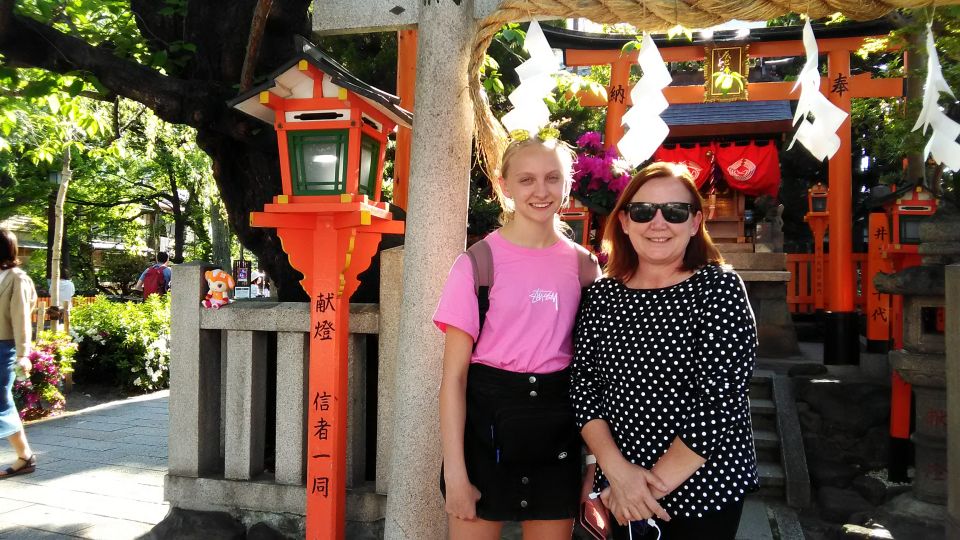
The biggest value here is the guide quality. Every guide holds The Nationally-licensed Tour Guide-Interpreter certification, which means they’re trained for history, culture, and explaining Japan in a way that lands. I love that guides don’t just point at temples; they connect the place to rituals, social life, and the larger Kyoto story.
Second, the day feels planned but still flexible. In real time, guides like Kazuo and Haru kept tight timing while still making room for questions and photo stops. Guides such as Rie, Naoki, and Akira also show up with strong English and practical route help, including transit choices that can save time when stations and crowds get messy.
My consideration: because entrance fees and between-stop transport aren’t included, you’re responsible for those costs. If you’re expecting a one-price, everything-paid outing, it won’t feel that way.
Key Highlights You’ll Actually Feel on the Day
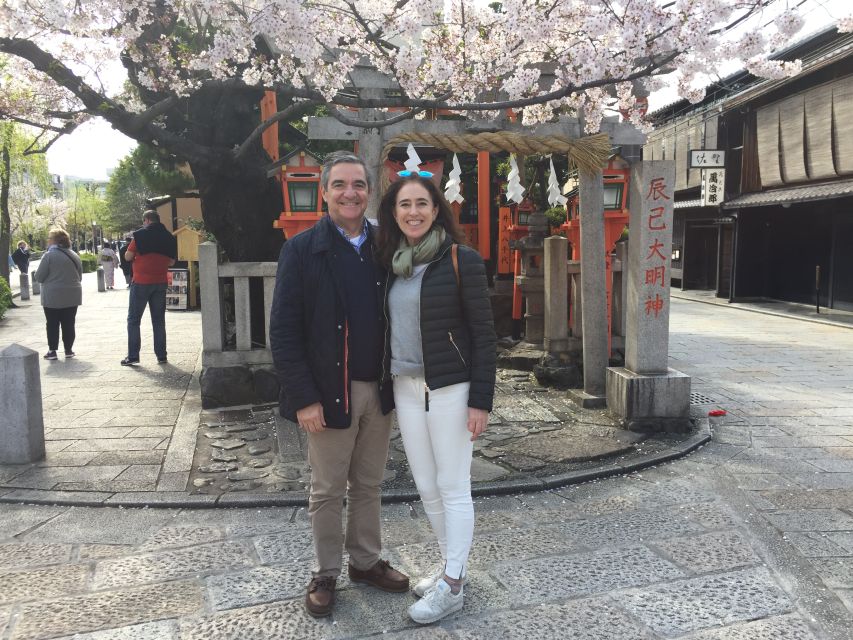
- Route flexibility in 4, 6, or 8 hours, with a guide adjusting pacing to your interests
- Licensed guide storytelling, including context for shrines, temples, and Kyoto neighborhoods
- Fushimi Inari Shrine’s torii corridor, plus a stop tied to the film Memoirs of a Geisha
- Kiyomizu-dera viewpoints and the walk down into Higashiyama and Gion
- Gilded Kinkaku-ji (Golden Pavilion) with mountain views as part of the experience
- Local food and shop guidance, including sit-down dinner recommendations in Gion
You can also read our reviews of more guided tours in Kyoto

How a Licensed Local Turns Kyoto Into a Coherent Story
Kyoto can feel like a list of pretty buildings unless someone connects the dots. That’s the difference with a nationally licensed guide. You’ll hear why Fushimi Inari matters beyond the photos—how people approach the shrine, what the shrine architecture is communicating, and how beliefs shape what you see. You’re also more likely to notice details you’d miss on your own, like how spaces are designed for prayer flow, not just sightseeing.
A good example from the guide styles in this experience: people often describe guides as calm and well organized from stop to stop. That matters because Kyoto isn’t small, and walking plus trains means timing can either feel effortless or stressful. Guides such as Kazuo are praised for building the whole day’s logic with complex transit handling. Others, like Shu and Michi, get mentioned for helping you avoid confusion at meeting points and for sharing practical “how to” context that makes the sites feel respectful, not like a theme park.
If you like learning but don’t want a lecture, this setup is a sweet spot. The explanations stay grounded in what you’re standing in front of right now.
Choosing Between 4, 6, or 8 Hours: What That Means for Your Day
The tour gives three time windows: 4, 6, or 8 hours. The number of places you can realistically cover is planned this way: about 2-3 places in the 4-hour tour, 3-4 in the 6-hour tour, and 4-6 in the 8-hour tour. That simple structure is one of the reasons this works well. You’re not stuck doing a marathon because someone else designed a one-size itinerary.
Here’s how I’d choose:
- 4 hours: best for a “first-day hit list” like Fushimi Inari + Kiyomizu-dera, or Kinkaku-ji + a nearby neighborhood walk.
- 6 hours: ideal when you want classics plus one neighborhood stop (often Gion or Nishiki Market).
- 8 hours: perfect for an expanded arc—shrines, castles/temples, and a big district like Arashiyama.
You can also decide whether you want the itinerary customized. If you love temples, say so. If you care more about local food and shopping, tell the guide and they’ll shape the walk accordingly.
Fushimi Inari: Torii Corridor, Ritual Path, and the Memoirs of a Geisha Film Spot
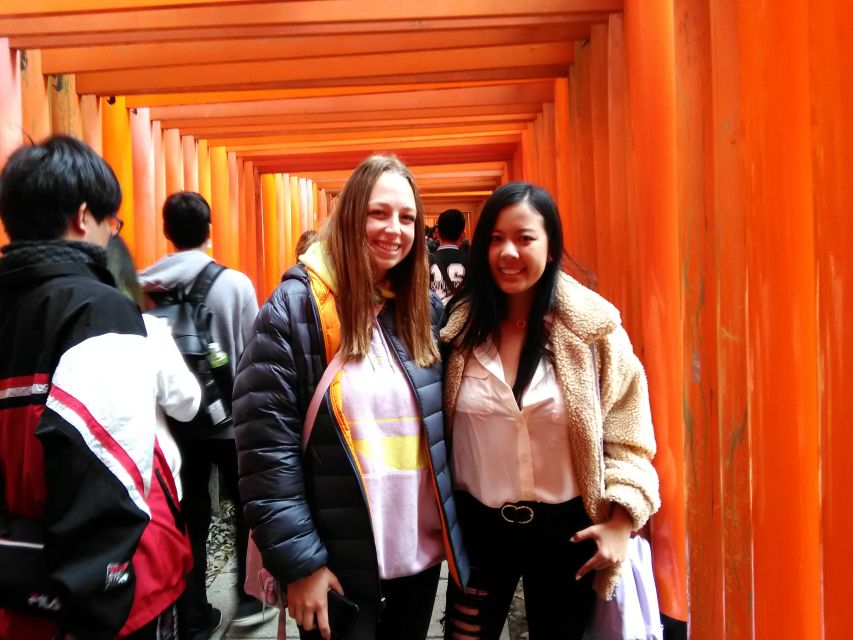
Fushimi Inari-taisha is famous for a reason. The torii gate corridor is the kind of place where the photos look good—but the feeling is better when someone explains how it’s used. You’ll walk the shrine corridors where the passage of torii gates symbolizes a continuing connection between the present world and the world of the dead inhabited by the gods. That kind of context makes your stroll feel intentional rather than just scenic.
This tour also includes a stop connected to the film Memoirs of a Geisha, where you’ll see a crimson-toned, atmospheric filming location area. Even if you’re not a film buff, it adds variety to the Inari experience, because you’re not only seeing gates and prayer space—you’re seeing a Kyoto that’s been imagined through storytelling.
Practical tip: Inari gets crowded. If you want easier walking and better photos, ask your guide about timing and whether starting earlier is possible. Many guides keep asking for that kind of preference because it changes the whole vibe.
Nijo Castle and Kyoto’s Political Past (If You Want More Than Temples)
Nijo Castle is on the optional list, and it’s a smart choice when you want Kyoto not just as religion and aesthetics, but as power and governance. Walking around the castle grounds helps you understand that Kyoto’s beauty wasn’t only spiritual—it was also political.
A private guide is useful here because castles can be easy to treat like another “look at the building.” With a guide, you’re more likely to get the story behind the spaces and why certain design choices were made. If your day already includes several shrines and temples, Nijo is a helpful balance. It breaks up the day so it doesn’t blur together.
You can also read our reviews of more private tours in Kyoto

Kiyomizu-dera and the Walk Into Higashiyama and Gion
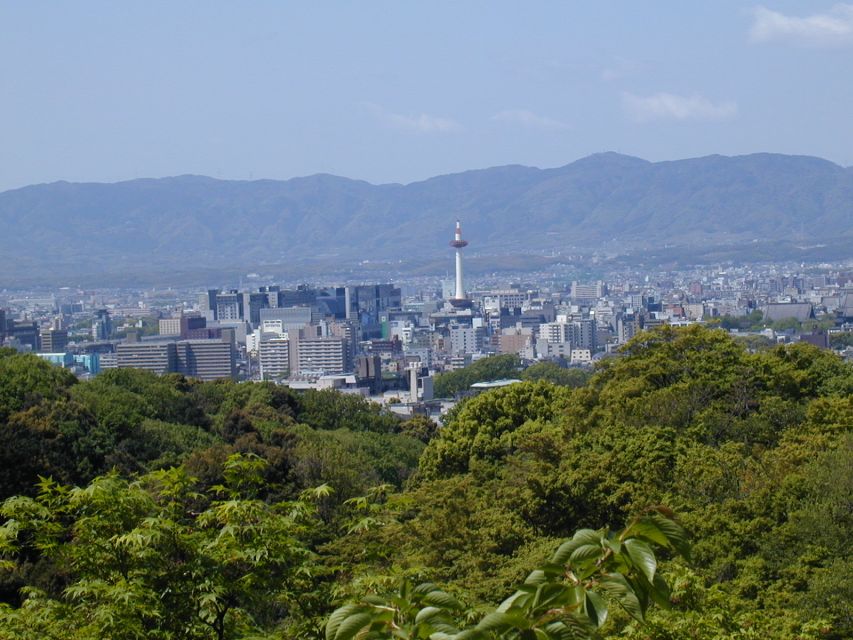
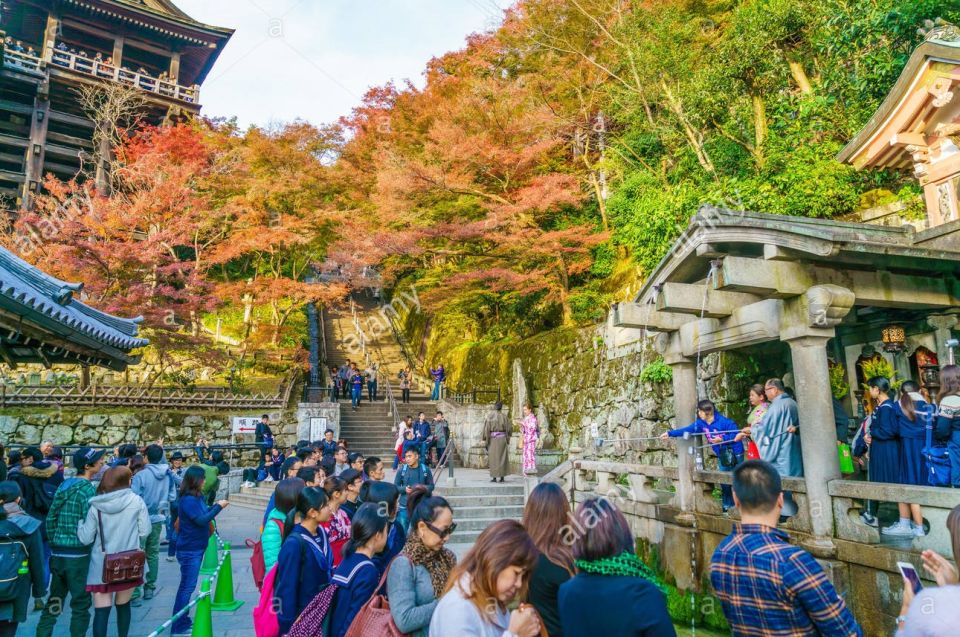
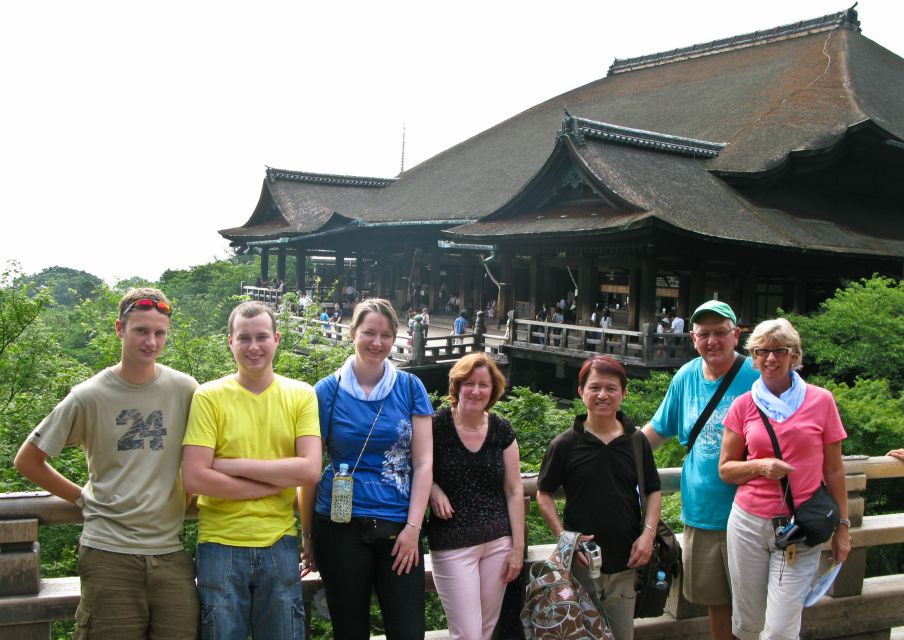
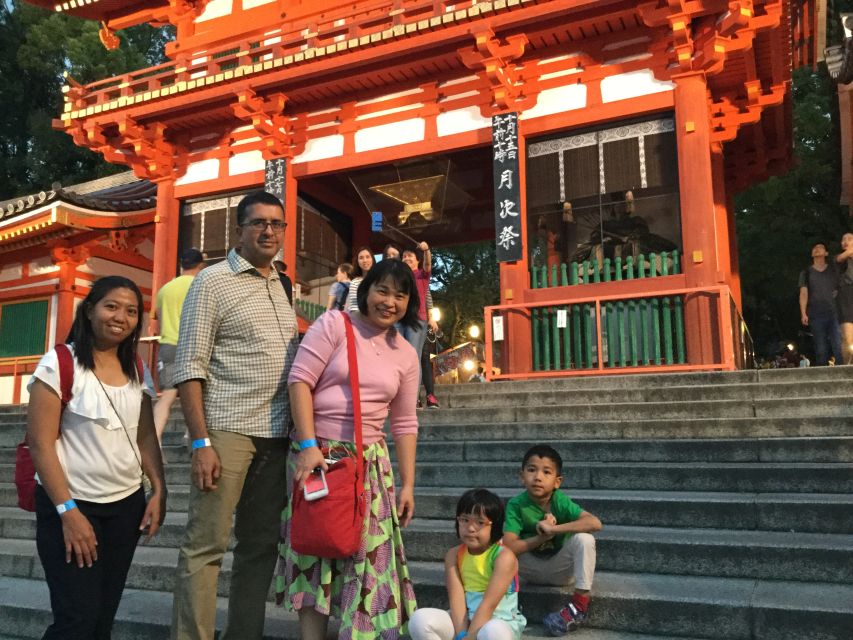
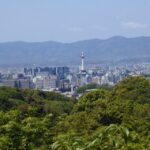
Kiyomizu-dera (Kiyomizu-dera Temple) is one of Kyoto’s best “stop and look up” locations. You’ll enter the temple and then get panoramic city views from the large veranda area. That view is part of why people remember Kyoto long after they leave—layers of rooftops and hills, all framed by temple architecture.
From there, you’ll walk the path down toward Gion. This stretch is where you trade sweeping views for Kyoto street-life details. You’ll find Kyoto-esque shops filled with unique souvenirs. A guide helps because they can point out what’s worth your time and what will feel like a quick tourist trap.
Once you’re in Gion, the day shifts from sightseeing into evening rhythm. Your guide can recommend dinner spots in the area, including places that fit what you actually want to eat. People often mention how guides handle this part well—choosing restaurants that feel appropriate and not random, and sometimes even arranging suggestions that match your taste (not just the most famous listing).
If you’re traveling with kids or seniors, this part can be a challenge due to walking and foot traffic. The upside is that the guide can pace you and still keep the day moving. Several guides are praised for being gentle about comfort and timing.
Kinkaku-ji (Golden Pavilion): The Temple People Photograph, Plus What to Notice
Kinkaku-ji Temple (Golden Pavilion) is the kind of Kyoto landmark that turns up in postcards. On a guided walk, you’ll learn why it’s named for the golden color of the reliquary hall and what that means in the context of temple life and display.
You’ll also get mountain views in the background, which is the second half of why Kinkaku-ji works. The place isn’t just the building—it’s the setting. When you know what to pay attention to, the photos look less like copies and more like interpretations.
One caution: with the big-name spots, crowds can affect how long you can linger. A private guide helps you manage that reality. You’ll spend more time experiencing and less time stuck figuring out where to stand and when to move.
Nishiki Market, Pontocho, and Smart Eating Breaks
If you choose Nishiki Market Shopping District, you’re stepping into one of Kyoto’s most famous food-and-snack zones. It’s a good match for a 6-hour or 8-hour day because it adds energy without requiring long transit. You can sample, browse, and reset your legs.
Pontocho is another optional stop that fits that same purpose—an area many people associate with evening atmosphere and restaurant choices. With a guide, the value isn’t just where you go, but how you get there and how you time it so you’re not stuck in queues without knowing alternatives.
Also, don’t underestimate the power of scheduling a snack or coffee break. Multiple guides are described as accommodating requests like this, and it makes the whole day feel less exhausting. When your legs are fine, your attention gets better, and the explanations actually land.
Arashiyama Options: Bamboo Forest Street, Tenryu-ji, and River Views
Arashiyama is where Kyoto can feel more outdoors and less “temple corridor.” If you want a change of pace, it’s a great choice for an 8-hour plan or a longer 6-hour route with the right pairing.
From the included-site list, you can choose pieces like:
- Bamboo Forest Street (the classic walking visual)
- Tenryu-ji Temple (temple stop that pairs well with the area’s scenery)
- Togetsukyo Bridge (a strong viewpoint moment)
- Okochi Sanso Garden (if you like gardens and layered views)
- Jojakkoji Temple (for quieter hillside temple energy)
This is also where flexibility matters most. Arashiyama can get packed, and it helps to have a guide who can steer your day around congestion. People mention that guides adjust routes quickly to avoid unnecessary road traffic and crowd pressure. That’s not just comfort; it’s the difference between seeing Arashiyama for what it is versus seeing only crowds.
Other Temple and Palace Stops That Fit Different Tastes
Kyoto is full of choices, and this tour’s list is wide enough to shape the day around your mood.
Here are a few “personality matches” for the optional stops:
- Ryoan-ji: for a slower, reflective style of temple visit. Good if you want atmosphere over hustle.
- Ginkaku-ji: a strong contrast if you’re also doing Kinkaku-ji, letting you compare how different eras express the temple idea.
- Nanzenji Suirokaku: if you like structures and want something visually striking beyond the most obvious temples.
- Kyoto Imperial Palace: a calmer, historical choice when you want Kyoto’s state side, not only religious sites.
- Nishin-leaning temple picks like Tofuku-ji or Ninna-ji: useful for adding variety if you’re trying to avoid repeating the same look back-to-back.
If you’re unsure, tell the guide what you’re drawn to—religion, gardens, streets, history, or food—and let them assemble the best mix. Many guides in this experience are praised for tailoring routes and keeping the pace realistic.
Price and Value: What $106 Buys in a Private Kyoto Day
At $106 per person for a private guided walking tour, you’re paying for three things you’d struggle to recreate on your own quickly: time, interpretation, and routing help.
First: time. Walking plus transit between famous sites can eat a whole day fast, especially if you’re figuring it out as you go. Guides are often described as fast at managing transitions, including train or bus connections.
Second: interpretation. The explanations about shrine meaning, temple design, and neighborhood culture turn sightseeing into understanding. That also makes it easier to enjoy the city after you leave the major checkpoints.
Third: routing help. This tour is private, which means you aren’t stuck with a fixed group pace. Guides like Tatsuyo Ito and Noriko are noted for adjusting timing to escape crowds and for adding lesser-visited spots when it makes sense. That flexibility is where you tend to feel the value.
You do pay extra for entrance fees and transportation during the tour, so it’s wise to keep some cash ready. But for many people, the “missing costs” are offset by the money you save in stress and wasted time.
Rain, Comfort, and How to Make the Most of Walking
This is rain or shine. That doesn’t sound exciting, but it’s helpful planning. Kyoto weather can change fast, and having a guide matters because they can keep you moving without turning the day into a scramble.
Bring good walking shoes. You’ll be on foot for the main sightseeing flow, and some transfers may be by public transportation or local taxis. Your guide will help you with the logistics, but you should still have Japanese yen on hand for transfer costs not covered by the tour.
If you’re sensitive to long walks, choose your stops carefully. A 4-hour tour with 2-3 sites can be a comfortable way to get the top hits without feeling like you’re running all day.
Should You Book This Private Kyoto Walking Tour?
Book it if:
- you want a Kyoto day that feels structured but customizable
- you care about explanations at shrines and temples, not just photos
- you want someone to handle the stop-to-stop rhythm, including transit choices
- you’re short on time and want to see major highlights like Fushimi Inari, Kiyomizu-dera, Gion, and Kinkaku-ji without guessing your way through
Consider skipping or choosing a shorter time slot if:
- you hate walking and prefer a fully vehicle-based plan (this walking-day tour does not include a private vehicle)
- you’re trying to keep everything to one fixed price, since entrance fees and some transportation costs are not included
FAQ
What language is the tour guide?
The tour is offered with live guides in English and Japanese.
Is this a group tour or private?
It’s a private group experience.
How long is the tour?
The duration options are 4, 6, or 8 hours.
Where does pickup happen?
Pickup is included on foot if you’re within a reasonable distance. If you’re staying at a hotel or arriving at a train station, the guide will wait in the lobby or at the requested station location about 10 minutes before pickup time.
Does the tour include entrance fees and food?
No. Entrance fees and food and drinks are not included.
How do you travel between sites during the tour?
This is a walking day tour. A private vehicle is not included, so public transportation or local taxis may be used between stops. Japanese yen is needed for those transit costs.
What if it rains?
The tour runs rain or shine.
Can the itinerary be changed?
Yes. You can pick the sites you want from the list, and you can also ask for customization based on your interests.
Are there private vehicle options?
Private vehicles can be arranged if you contact the provider directly. They must be booked 5 days in advance, and the maximum number of passengers is 7.