REVIEW · KYOTO
Authentic Tea Ceremony & Sushi in The Museum of Kyoto
Book on GetYourGuide →Operated by ideal co.,ltd · Bookable on GetYourGuide
Sushi, then silent tea. At The Museum of Kyoto, a master chef sets up sushi right in front of you, then you slow down for rare premium matcha and a guided chanoyu in near silence. The main consideration: it is not for vegans or vegetarians, and you should flag allergies in advance.
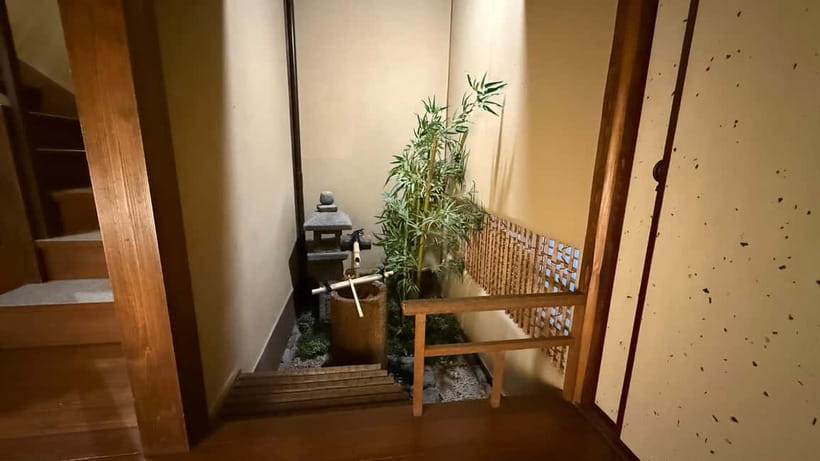
I also like the way the experience switches modes—food first, then stillness—so your senses get a reset. You’ll wear a traditional haori (kimono-style jacket) and move into a basement house that feels lifted from the Edo period, with a miniature garden view to ground you the whole time.
In This Review
- Key Highlights You Should Care About
- A Kyoto Museum Spot That Feels Like an Edo-Period Timeout
- Sushi Shin Timing: The 11:00 vs 13:30 Setup
- Entering The Traditional House and Noticing the Utensils
- Wearing a Haori: Simple, But It Changes How You Experience It
- Matcha That Actually Tastes Like Something: Rare and Carefully Paired
- The Garden View: Why the Setting Improves the Taste
- Who Will Enjoy This Most (And Who Should Think Twice)
- Price and Value: Is $133 Worth It?
- Practical Notes That Affect Your Day
- Should You Book This Tea Ceremony and Sushi in The Museum of Kyoto?
Key Highlights You Should Care About
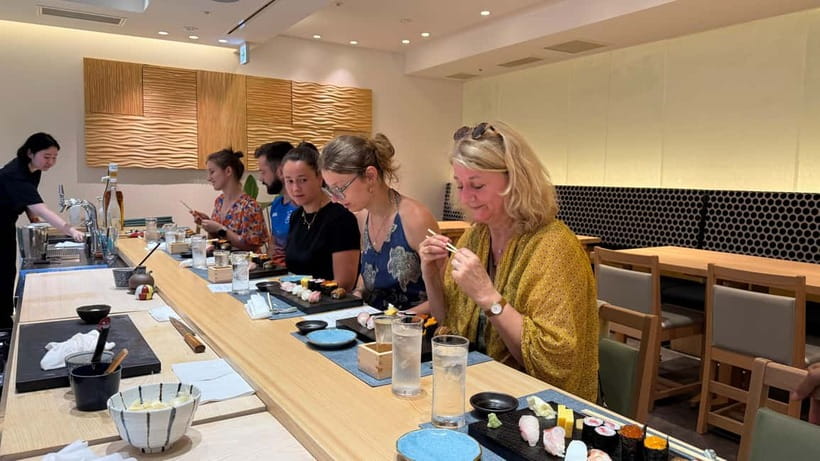
- Sushi made in front of you by a trained master chef for maximum freshness and real showmanship
- Tea ceremony in an Edo-style setting, including an explanation of chanoyu and its utensils
- Premium rare matcha, plus you whisk it yourself instead of just watching
- Kyoto sweets paired with matcha, with a traditional sweet you enjoy right after
- Haori dressing, which makes the ritual feel more real than a photo stop
- Garden viewing from the traditional house, adding calm to the tasting portion
A Kyoto Museum Spot That Feels Like an Edo-Period Timeout
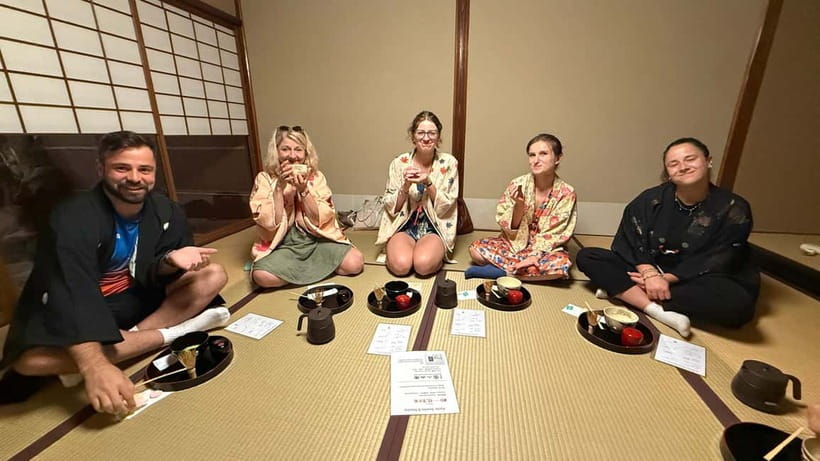
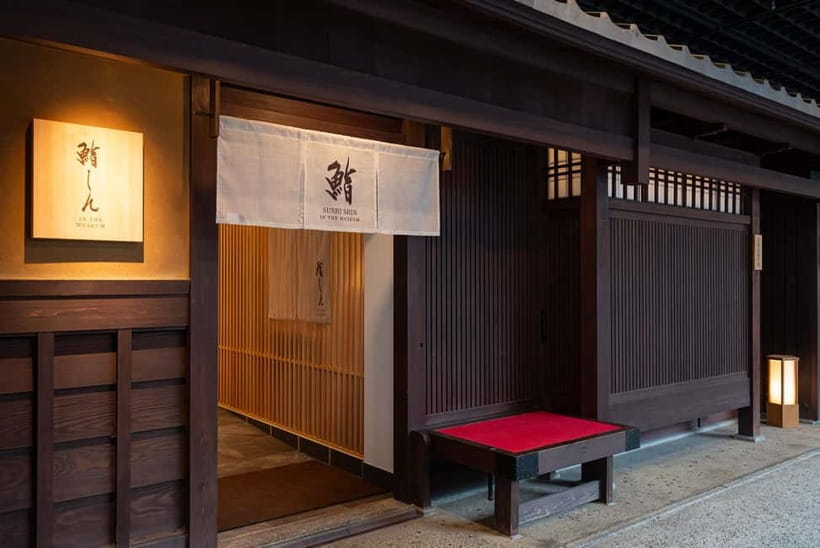
This is one of those Kyoto experiences that works because it changes the pace on purpose. You start at a sushi restaurant inside The Museum of Kyoto, then you’re guided to a traditional Japanese house on the basement floor where things quiet down. The setting matters here: the house has an elegant Edo-period atmosphere, and you can see a meticulously designed miniature garden from inside.
In practice, that means you’re not just eating and drinking in a crowded room. You’re stepping into a space designed for attention, where the tea ceremony explanation has room to land. If you like experiences that feel thoughtful (not rushed), this one makes sense fast.
The experience also uses two lenses—food artistry and tea ritual—so it isn’t “just” a tea class or “just” sushi. The pairing is the point.
You can also read our reviews of more museum experiences in Kyoto

Sushi Shin Timing: The 11:00 vs 13:30 Setup
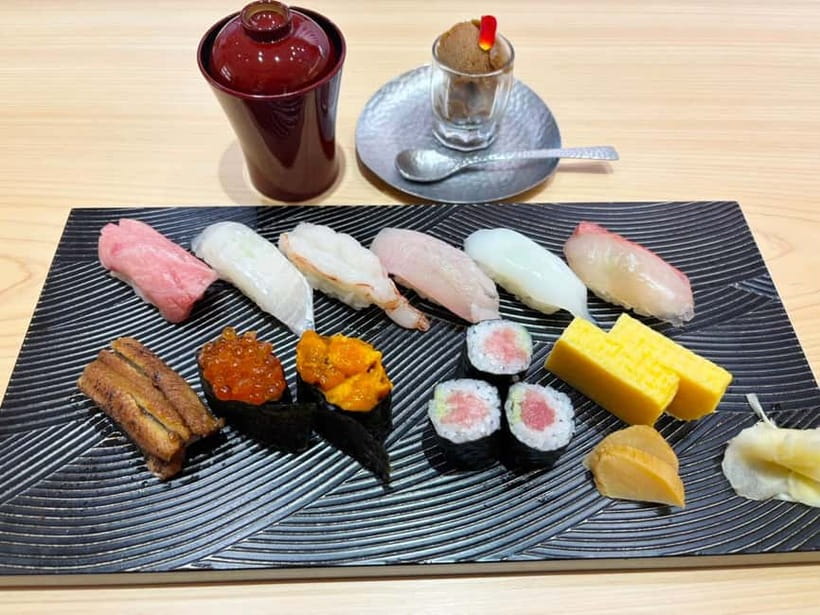
Your session time changes the flow. For the 11:00 session, the sushi is served at the end. For the 13:30 session, the sushi is served at the beginning.
So if you’re the type who gets hangry before cultural activities, the 13:30 start may feel easier. If you’d rather start with the calming tea ritual and then finish with dinner-style sushi, the 11:00 session fits that rhythm. Either way, you’re eating a serious meal and not just “snacking for the sake of the tour.”
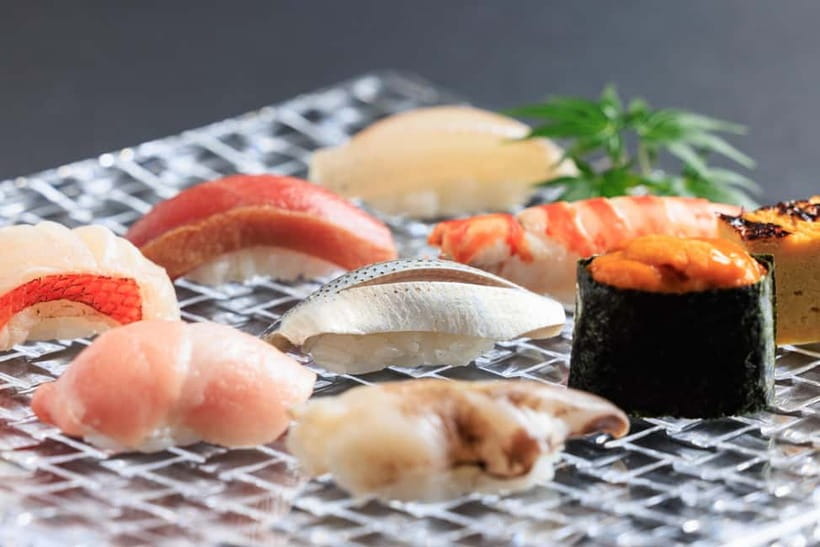
Also, the sushi is prepared by a master chef and served with freshness as a focus. In the feedback, people specifically highlight how the sushi was made directly in front of them and how good it was. That’s not the normal “pre-plated” experience, and it shows.
Entering The Traditional House and Noticing the Utensils
After your sushi portion or before it (depending on your start time), you’ll be guided to the traditional Japanese house on the basement floor. This is where the atmosphere shifts: Edo-period elegance, quiet attention, and a view of the miniature garden that helps you slow down.
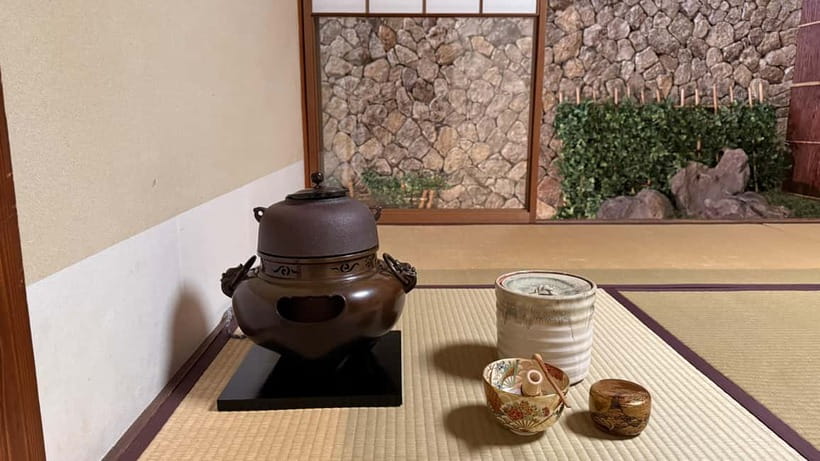
One of the best parts is that the guide doesn’t treat the ceremony like a magic trick. You get an explanation of the history and culture behind chanoyu, plus an introduction to the traditional tea utensils used in the ceremony. That background matters because it helps you understand why the movements are precise.
You also see how utensils fit the ritual. Instead of thinking of tea as just a drink, you start seeing it as a whole system—tools, motions, and timing. Even if you already know the basics of matcha, this kind of utensil walk-through often makes the ceremony feel more “readable.”
Wearing a Haori: Simple, But It Changes How You Experience It
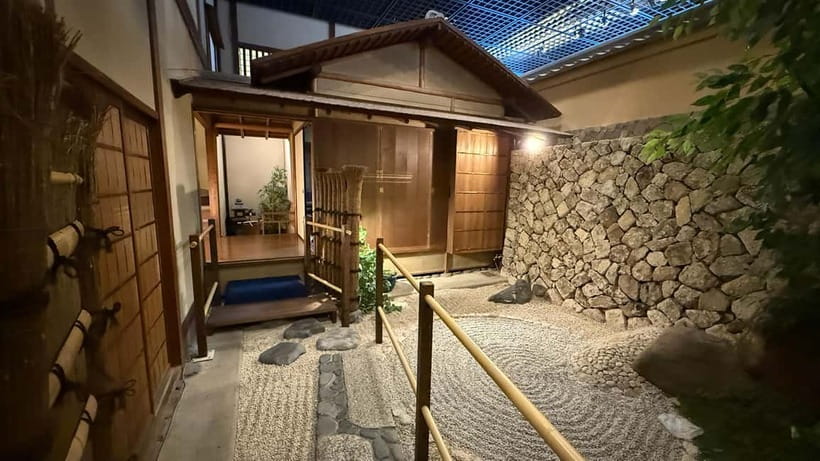
You’ll wear a traditional haori (a kimono-style jacket). This is one of those details that sounds small until you actually do it. It signals that you’re stepping into a cultural practice, not passing through it.
I like the way dressing support lowers the barrier. You’re not left wondering what to wear or how to behave. Instead, you’re guided into the setting, and the clothing helps you match the room’s formality.
Keep it practical: you’ll want comfortable shoes for moving around inside the museum area. Beyond that, the experience itself provides the key cultural “costume” piece through the haori.
Matcha That Actually Tastes Like Something: Rare and Carefully Paired
Tea ceremony experiences can be hit-or-miss if the matcha is average and the sweets are an afterthought. Here, matcha quality is a central selling point. The experience includes the finest matcha, and the feedback repeatedly calls it very high quality—people even mention it as a rare matcha that doesn’t taste like what they’ve had elsewhere.
The ceremony is also hands-on. You’ll whisk your own bowl of matcha, and you’ll do it together with the guide as part of the flow. That’s a big difference from a sit-and-watch performance. You get to feel the texture change and experience the ritual with your own hands.
Then come the Kyoto sweets. You’ll enjoy traditional sweets paired with your matcha. In the feedback, people mention the pairing specifically, and it sounds like the sweets complement the matcha rather than competing with it. If you like balanced flavors—bitter, creamy, gently sweet—this part is likely to land well.




The Garden View: Why the Setting Improves the Taste
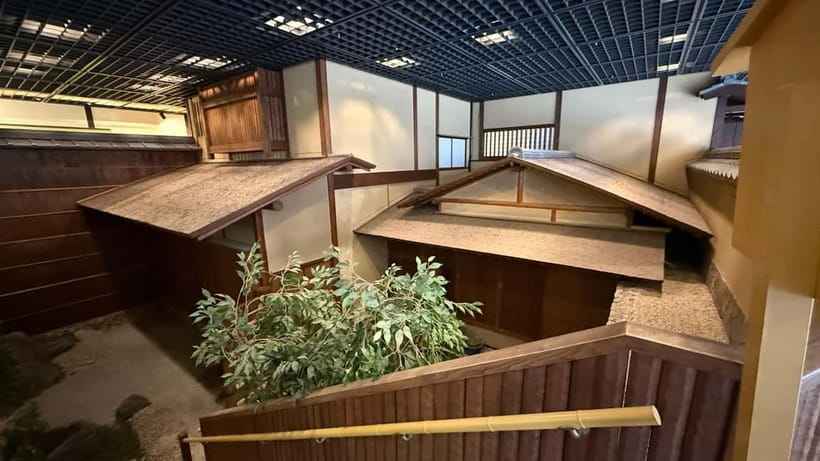
The miniature garden view might sound like a background detail, but it affects the mood of the whole tasting. In a tea ceremony, calm is part of the ingredient list. When you’re in a room with a designed view, you’re more likely to slow down and notice flavors instead of rushing through them.
In the feedback, people describe the setting as peaceful. That tracks with how the house is described—traditional, Edo-period atmosphere, and quiet time for the ceremony. The garden view gives you something still to look at while you listen to the guide explain what you’re doing.
This is one of those “small sensory design” touches that makes the experience feel more authentic and less like a staged stop.
Who Will Enjoy This Most (And Who Should Think Twice)
This experience is a good fit if you want both sides: serious sushi craft and a guided chanoyu experience. It’s also a smart choice if you enjoy cultural context. You’re not only drinking matcha—you’re learning about the culture and utensils behind it.
It’s not suitable for several groups based on the experience rules:
- Children under 10 years
- People over 95 years
- Vegans
- Vegetarians
If you follow a vegan or vegetarian diet, this won’t work as written, since it’s not designed for that. Also, if you have allergies, you must inform the provider in advance so they can account for your needs.
If you’re traveling with kids who are old enough and the rest of your group fits the rules, you might still consider whether the quieter pace of a tea ceremony is a match for your style. But within the listed limits, it’s a strong option for adults and food-and-culture travelers.
Price and Value: Is $133 Worth It?
$133 per person is not a casual lunch price. But when you look at what’s included, it starts to make sense.
You’re getting:
- Sushi made by a master chef
- A guided tea ceremony with cultural and historical explanation
- Introduction to traditional tea utensils
- Kyoto sweets and finest matcha
- A chance to whisk your own matcha
- Rental/participation in wearing a traditional haori
- A peaceful setting with a miniature garden view
This kind of combo can be expensive because it’s two skilled experiences in one controlled environment. You’re paying for craft, guidance, and quality ingredients—especially the matcha, which is highlighted as premium and rare.
If your Kyoto “food and culture” plan already has you doing plenty of standard meals, this might be the day you spend a bit more for a memorable format. If you prefer budget eating and don’t care about the ritual side, then the price may feel steep. But if you want a real sensory experience—sushi freshness plus chanoyu structure—this is the kind of spending that can pay off.
Practical Notes That Affect Your Day
A few things can change how smooth your experience feels:
- Start point matters: you begin at the sushi restaurant called Sushi Shin in the Museum, inside The Museum of Kyoto, and the activity ends back there.
- Session time changes order: 11:00 brings sushi at the end; 13:30 has sushi first.
- Language options: the experience is available in English and Japanese, so you won’t be stuck guessing what’s happening.
- Allergies need notice: if you have any allergies, inform the provider in advance.
If you’re the type who plans around meal timing, choose your session based on whether you want to eat first or end with sushi.
Should You Book This Tea Ceremony and Sushi in The Museum of Kyoto?
Book it if you want a Kyoto experience that mixes food craft with cultural ritual—and you’ll appreciate real guidance, not just a tastings menu. I’d especially recommend it if you care about matcha quality and like hands-on moments, like whisking your own bowl.
Skip it if you’re vegan or vegetarian, or if your group needs a more casual, flexible format with no structured ceremony element. And if allergies are part of your trip planning, confirm details early so nothing is left to chance.
Overall, this is the kind of Kyoto day that feels composed: sushi freshness, then quiet tea, with a traditional house setting that helps you actually experience the ritual instead of rushing through it.