REVIEW · KYOTO
Kyoto Morning Run tour with local guide-Discover new Kyoto-
Book on GetYourGuide →Operated by Kyoto compass tour · Bookable on GetYourGuide
Kyoto feels calmer when you run it at sunrise. This 90-minute guided morning run is a practical way to see temples and rivers before the crowds, while still keeping the pace friendly enough to enjoy the sights. I especially like the small-group setup (limited to 6) and the way the guide includes stops that help you take photos and notice details you’d miss on your own. One consideration: this is real jogging, so if your fitness is low or you don’t like running, it may feel like too much.
What makes it genuinely useful is that you’re not stuck with a single “greatest hits” route. You get different routes each day, so you can repeat the tour and watch Kyoto change from district to district. Add a friendly English-speaking guide and the morning vibe—cool air, quiet streets, and locals already starting their day—and it’s a refreshingly local way to get oriented in Kyoto.
The tradeoff is logistics: there’s no hotel pickup, you’ll need to arrive at the meeting point on your own, and entrance fees aren’t included. Bring your own water and basic sun/rain protection so the tour stays comfortable.
In This Review
- Key points to know before you lace up
- Why run Kyoto at sunrise (and not later)
- The 90-minute format: what the timing actually means
- Routes that change daily: Eastern Zen, Riverside Kyoto, Imperial Legacy
- Eastern Zen Route: Heian Shrine, Nanzen-ji, Philosopher’s Path, Ginkaku-ji
- Riverside Kyoto Route: Kamo River and Shimogamo Shrine
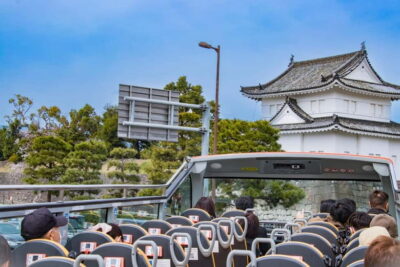
- Imperial Legacy Route: Kyoto Gyoen, Kitano Tenmangu, Seimei Shrine, Nijo Castle view
- Meeting at Misayama Park: starting smart
- How the guide shapes the whole experience
- What you’ll do along the way: breaks, photos, and mini visits
- Price and value: $25 for 90 minutes of morning access
- Gear and comfort: make it easy on yourself
- Who should book this run (and who might skip it)
- Should you book Kyoto Morning Run with local guide-Discover new Kyoto?
- FAQ
- What’s the duration of the Kyoto morning run?
- How many routes are available?
- Is the tour guided and in English?
- How big is the group?
- Where do I meet the guide?
- Are entrance fees to temples and shrines included?
- Does the tour include meals or drinks?
- Do they provide hotel pickup and drop-off?
- What should I bring?
- Is this tour suitable for young children?
Key points to know before you lace up
- Three set morning routes that rotate daily, so repeat runs feel different
- Small group (max 6) for more attention and easier photo moments
- English live guide who shares local context while keeping you moving
- Temple and shrine viewing by foot with extra photo/stop time along the way
- Low-key pace with breaks that still covers a satisfying distance
Why run Kyoto at sunrise (and not later)
If you’ve ever toured Kyoto mid-morning, you already know the pattern: crowds thicken, queues form, and your attention gets split between seeing things and surviving foot traffic. A sunrise run flips that. You’re out while streets are still quiet and the city feels like it’s waking up, not hosting. The air is usually cooler, and that makes walking-to-the-sights less exhausting and running more enjoyable.
This tour also gives you something many standard sightseeing tours don’t: a rhythm. Jog for a stretch, then slow down for a photo stop or a visit. That “moving with pauses” style helps you notice architecture, river life, and small side streets without feeling like you’re just sprinting between landmarks.
The other big win is orientation. Kyoto is huge, and neighborhoods can feel disconnected. By running through distinct areas—Eastern Kyoto, the Kamo River corridor, and the Imperial/Kitano area—you get a mental map fast. You’ll come back later and know where you are and why it looks the way it does.
You can also read our reviews of more guided tours in Kyoto
The 90-minute format: what the timing actually means
The entire tour is 90 minutes with a guided run, plus planned moments for breaks, photos, and short visits. That time structure matters because it prevents two common problems: (1) you spend all morning standing still, and (2) you push too hard and stop enjoying the place.
In the running experience, small pauses keep the effort manageable. In one account, the route was about 8 km and still felt like a low-aerobic workout thanks to those stops. That’s the sweet spot for most people: enough movement to feel like you did something active, without turning the tour into a training session.
Also, remember it’s designed for casual fitness. It’s not listed for people with low fitness, and it’s not suitable for children under 6. If you’re the type who gets frustrated by jogging, you’ll probably be happier with a walking tour instead.
Routes that change daily: Eastern Zen, Riverside Kyoto, Imperial Legacy
One of the best parts is that every day can be a different course. You don’t just get a single highlighted loop—you choose between three distinct route styles. That makes the tour especially good if you’re staying multiple days in Kyoto or you want to come back after you’ve seen a few neighborhoods already.
Here are the three routes and what they’re best at.
Eastern Zen Route: Heian Shrine, Nanzen-ji, Philosopher’s Path, Ginkaku-ji
This route leans calm and scenic. You’ll run through Kyoto’s serene Eastern areas, including Heian Shrine, Nanzen-ji Temple, the Philosopher’s Path, and finish at Ginkaku-ji (Silver Pavilion).
Why it’s worth it: Philosopher’s Path is famous for a reason, but sunrise changes the feel. Less crowd noise means you can actually enjoy the long, quiet stretch rather than treating it like a photo sprint. Nanzen-ji is also a strong choice at this hour because you can appreciate the temple grounds without the later-day bustle.
Possible drawback: this route may involve more walking-on-temple-area paths where your shoes matter. Wear comfortable running shoes, not stiff footwear.
Riverside Kyoto Route: Kamo River and Shimogamo Shrine
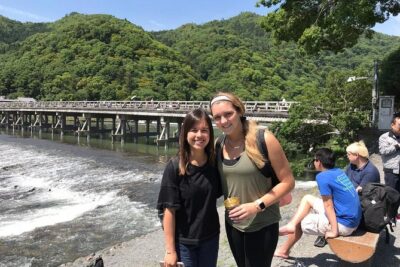
If you want something that feels more like local daily life, this is the route. You’ll run along the Kamo River, pass by early-rising locals, and visit Shimogamo Shrine, a UNESCO-listed site tucked into a forested area.
Why it’s worth it: Kamo River has a lived-in, everyday rhythm. Watching the morning flow from the path-side perspective gives you a real sense of how Kyoto functions beyond the major tourist icons.
Possible drawback: river routes can mean more exposure to wind and weather. Bring a hat and a layer you can adjust if the morning turns cooler or wetter.
You can also read our reviews of more tours and experiences in Kyoto
Imperial Legacy Route: Kyoto Gyoen, Kitano Tenmangu, Seimei Shrine, Nijo Castle view
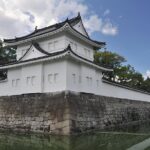
This one mixes wide-open green space with historic stops. You’ll run through Kyoto Gyoen (the gardens of the Kyoto Imperial Palace area), then head to Kitano Tenmangu and the Seimei Shrine, finishing with a view of Nijo Castle.
Why it’s worth it: Kyoto Gyoen’s layout helps break up the run. You get a spacious sense of place, then shift into shrine atmosphere and landmark viewpoints as the route progresses. It’s a nice balance of calm and sightseeing.
Possible drawback: since entrance fees aren’t included, you may pay separately if you decide to go inside specific sites. Also, if you’re hoping for constant landmark photos, expect this route to include moments of garden and shrine-area pacing rather than nonstop big sights.
Meeting at Misayama Park: starting smart
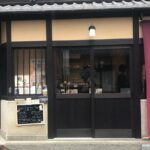
The meeting point is Misayama park, in front of the cake shop. Your start location is listed as 御射山公園 (Misayama Park area), and you’ll return there at the end.
This is the kind of tour where arriving a few minutes early helps. Sunrise timing depends on the day, and you’ll want a little buffer to:
- check in,
- confirm the route of the day (the route is provided by contacting the operator),
- and get your water and gear ready.
Also note: there’s no hotel pickup or drop-off. So plan to take transit or walk to Misayama Park yourself. If you’re staying far from the area, consider building extra time into your morning routine.
How the guide shapes the whole experience
This is a live, English-language tour with a guide who keeps you moving and still makes time for context. In one run experience, the guide Itsuke was described as friendly and fun with perfect English, plus a knack for taking the group to sites most people don’t find alone.
That matters more than it sounds. Kyoto rewards attention. If you just jog past, you’ll see structures. If someone points out what you’re looking at—why a path is there, what a shrine setting represents—you’ll come away with understanding, not just photos.
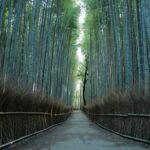
Another detail I’d highlight: the guide’s approach can include less-visited morning stops. One account mentioned a secret-feeling stop such as a Bamboo Forest area that would be hard to locate without local help. That kind of small detour is usually what turns a run into a memorable Kyoto morning instead of “exercise with scenery.”
What you’ll do along the way: breaks, photos, and mini visits
The itinerary includes break time, photo stop, and a visit before you return to the park. Those planned moments aren’t random. They’re there so you can:
- regroup as a small group,
- catch your breath without falling behind,
- and take photos without sprinting between spots.
Think of the tour as a guided path through Kyoto’s morning layers. You’re jogging through districts, then slowing for specific points of interest. The overall effect is that you feel like you’re moving with the city, not just ticking boxes.
Price and value: $25 for 90 minutes of morning access
At $25 per person for a 90-minute guided run, the value comes from three things you can’t easily replicate solo without time and local context:
- Route design (you get a planned run loop rather than guessing where to go at sunrise),
- a guide’s local knowledge in English, and
- small-group time (max 6), which makes photo stops and questions more practical.
Entrance fees aren’t included, so you should budget a bit extra if you want to go inside temples or shrines. Meals and drinks aren’t included either, so treat this as an active morning activity—not a breakfast tour.
If you compare it to paying for a standard walking tour plus spending your own time trying to time sunrise routes, this often comes out feeling like a good deal, especially if you’re the type who likes being active early.
Gear and comfort: make it easy on yourself
The “what to bring” list is short and very doable:
- comfortable running shoes
- hat
- drinks
- sunscreen
- water
I also recommend wearing clothing you can jog in without thinking about it. Even in early hours, the effort plus sun exposure can sneak up on you, especially if you’re not used to morning workouts.
If weather is rough, don’t automatically cancel your plans—one described experience included rain and said it made the run cooler and easier. Still, if it’s pouring hard, your comfort can change fast. Dress for moisture, and protect your phone for photos.
Who should book this run (and who might skip it)
This is a great fit if you:
- enjoy a light-to-moderate running routine,
- want temples and rivers with a morning calm,
- like the idea of returning to see multiple routes on different days, and
- prefer small-group activities with an English guide.
It’s not a good match if you:
- need a fully walking pace,
- have mobility limitations or wheelchair needs,
- can’t handle jogging,
- or are bringing strollers (baby strollers and baby carriages aren’t allowed).
Age is also a factor. It’s not suitable for children under 6, and it’s listed as not suitable for people over 95 years.
Should you book Kyoto Morning Run with local guide-Discover new Kyoto?
If you want Kyoto in a way that’s active but not stressful, I’d say yes. The combination of sunrise timing, small group size, and three distinct daily routes is exactly what makes this worth your time. It’s also ideal for building a practical feel for the city—where things are, how neighborhoods connect, and how different areas feel at morning hour.
Skip it if your fitness is low or you really don’t like running. Also double-check your expectations around entrance fees: you’ll likely need to pay separately if you choose to go inside sites.
If you’re staying in Kyoto for several days, this is the kind of activity that can pay off twice: run one route one morning, then come back for another when you want a totally different side of the city.
FAQ
What’s the duration of the Kyoto morning run?
The tour runs for 90 minutes.
How many routes are available?
There are three unique routes, and a different course can run each day.
Is the tour guided and in English?
Yes. It’s a live tour with an English-speaking guide.
How big is the group?
The group is limited to 6 participants.
Where do I meet the guide?
The meeting point is Misayama park, in front of the cake shop.
Are entrance fees to temples and shrines included?
No. Entrance fees are not included.
Does the tour include meals or drinks?
No. Meals and drinks aren’t included, so bring water and plan accordingly.
Do they provide hotel pickup and drop-off?
No. Hotel pickup and drop-off are not included.
What should I bring?
Bring comfortable running shoes, a hat, drinks, sunscreen, and water.
Is this tour suitable for young children?
It’s not suitable for children under 6 years old.